

 Highlights
 Sample Itineraries
 See & Do
 Experience
 Events
 Plan a Trip
 Transport
 Local Life in Fukuoka City



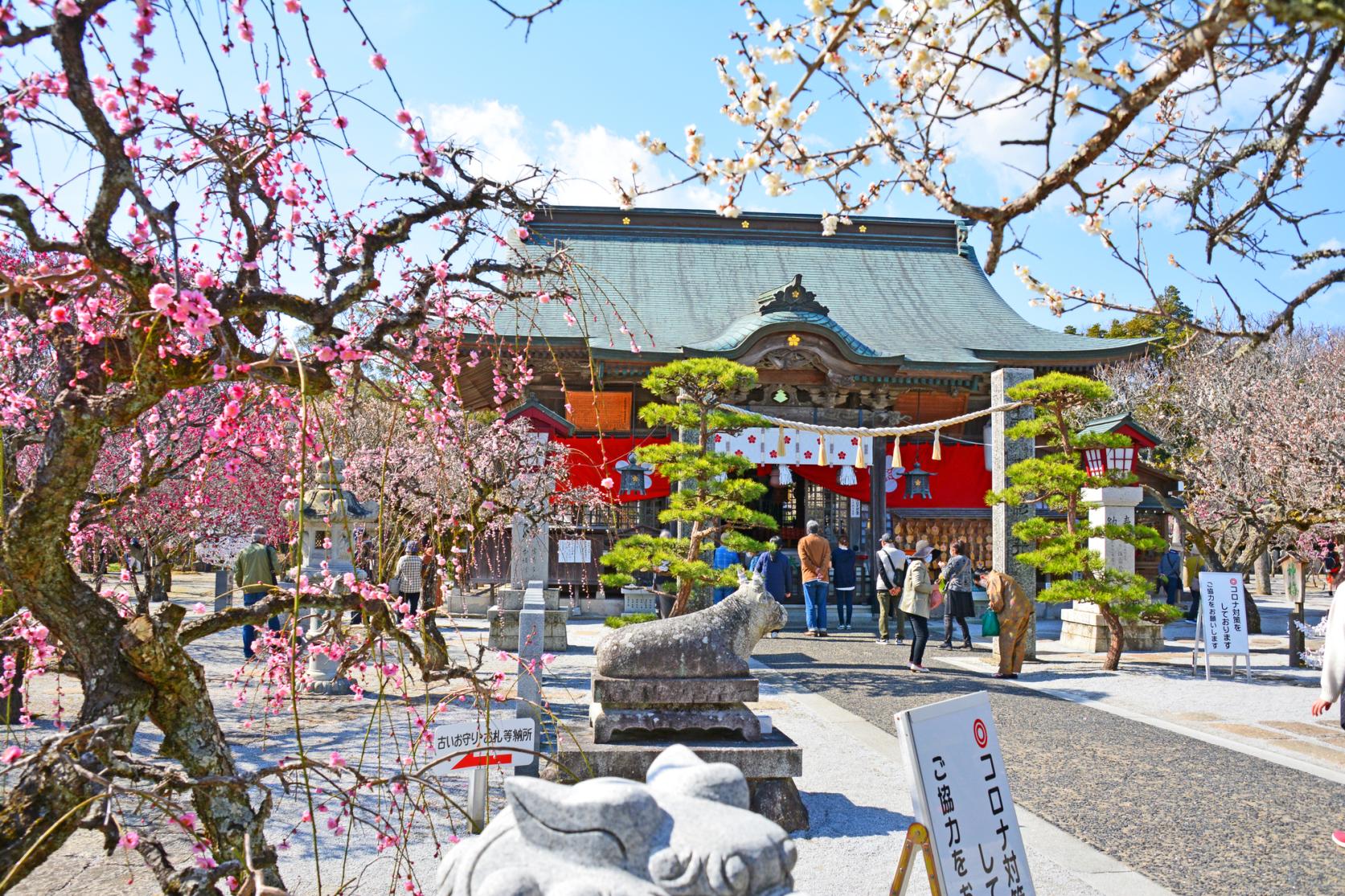
Fukuoka Prefecture is home to many famous plum blossom spots!
Here, we introduce recommended plum-viewing locations by theme.
Why not go out and enjoy the beautiful plum blossoms that announce the arrival of spring earlier than anywhere else?
Dazaifu Tenmangu Shrine (Dazaifu City)
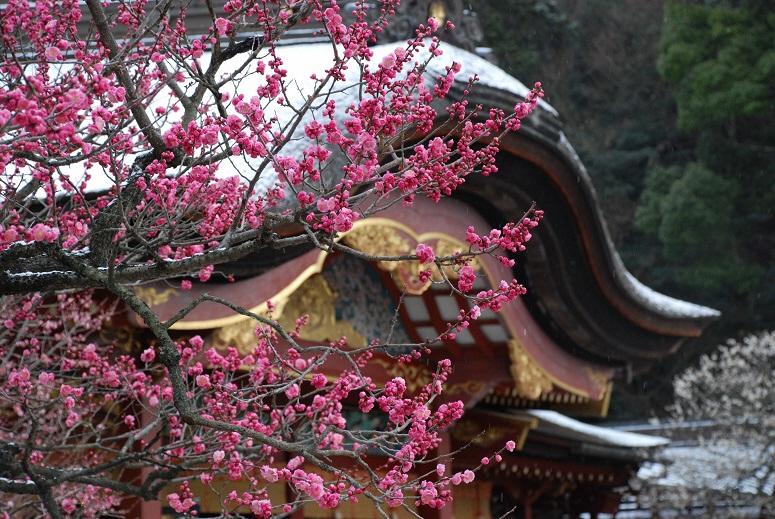
Tobiume (The “Flying Plum Tree”)
Plum blossoms were especially loved by Sugawara no Michizane, and the plum flower is even used as the crest of Tenmangu shrines. For this reason, the plum blossom season is particularly special here.
Among them, the sacred plum tree called Tobiume, located to the right front of the main hall, is widely known for its legend. It is said that the tree flew overnight from Kyoto to Dazaifu out of devotion to Michizane.
Plum Garden
The grounds of Dazaifu Tenmangu are planted with about 6,000 plum trees of around 200 varieties, including white and red blossoms, making it one of Japan’s most famous plum-viewing spots.
Single-petaled and double-petaled flowers bloom one after another at different times, filling the shrine grounds with a rich and fragrant plum scent.
Chinkoku-ji Temple (Munakata City)
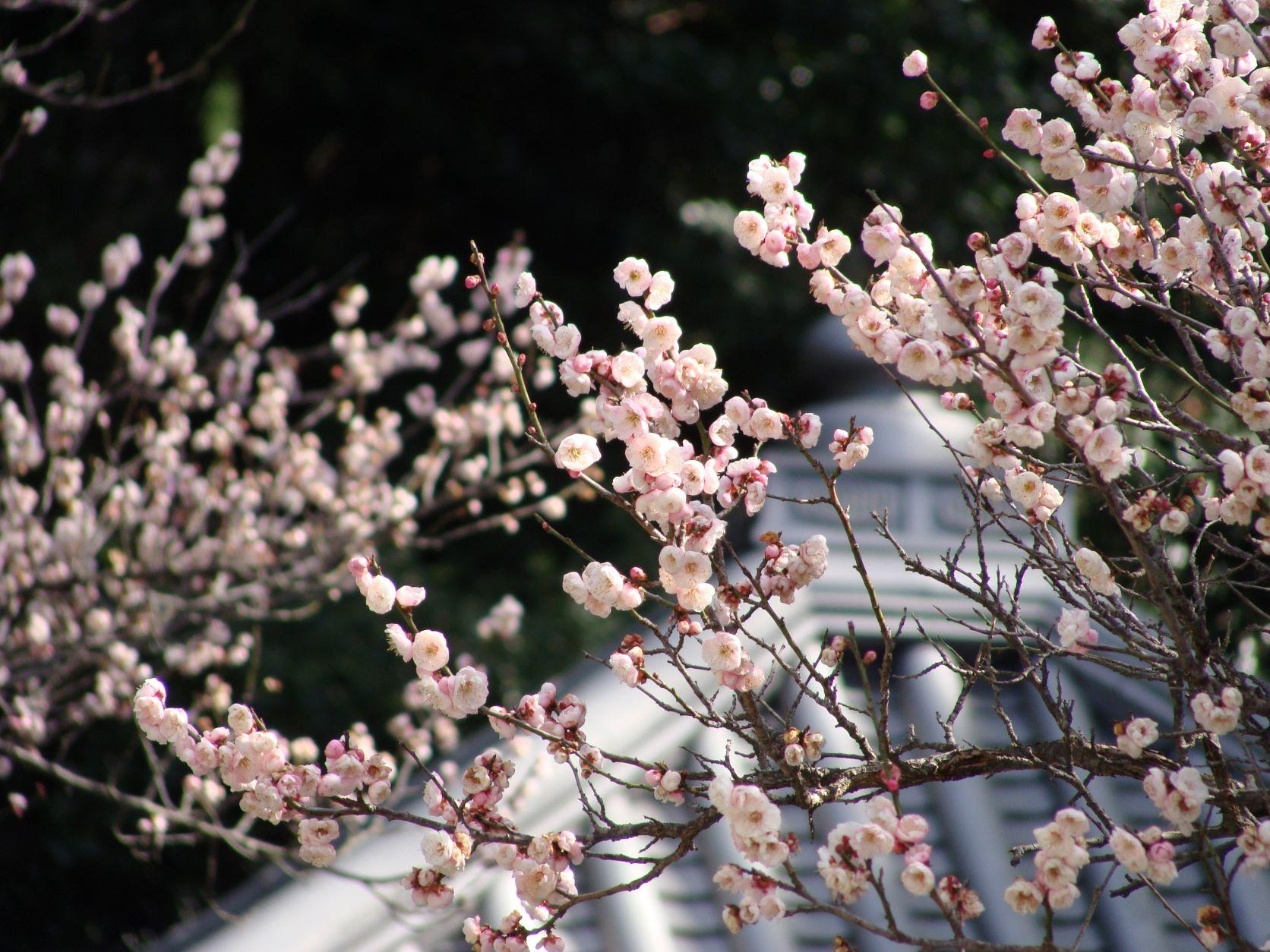
Chinkoku-ji Temple flourished as the jingū-ji (temple associated with Munakata Taisha) with its seven main halls.
From early January to late February, about 20 pale red plum trees bloom, and throughout the year, visitors can enjoy seasonal flowers across the temple grounds.
For this reason, it is often called the “Temple of Flowers and Prayers.”
Maizuru Park (Fukuoka City)
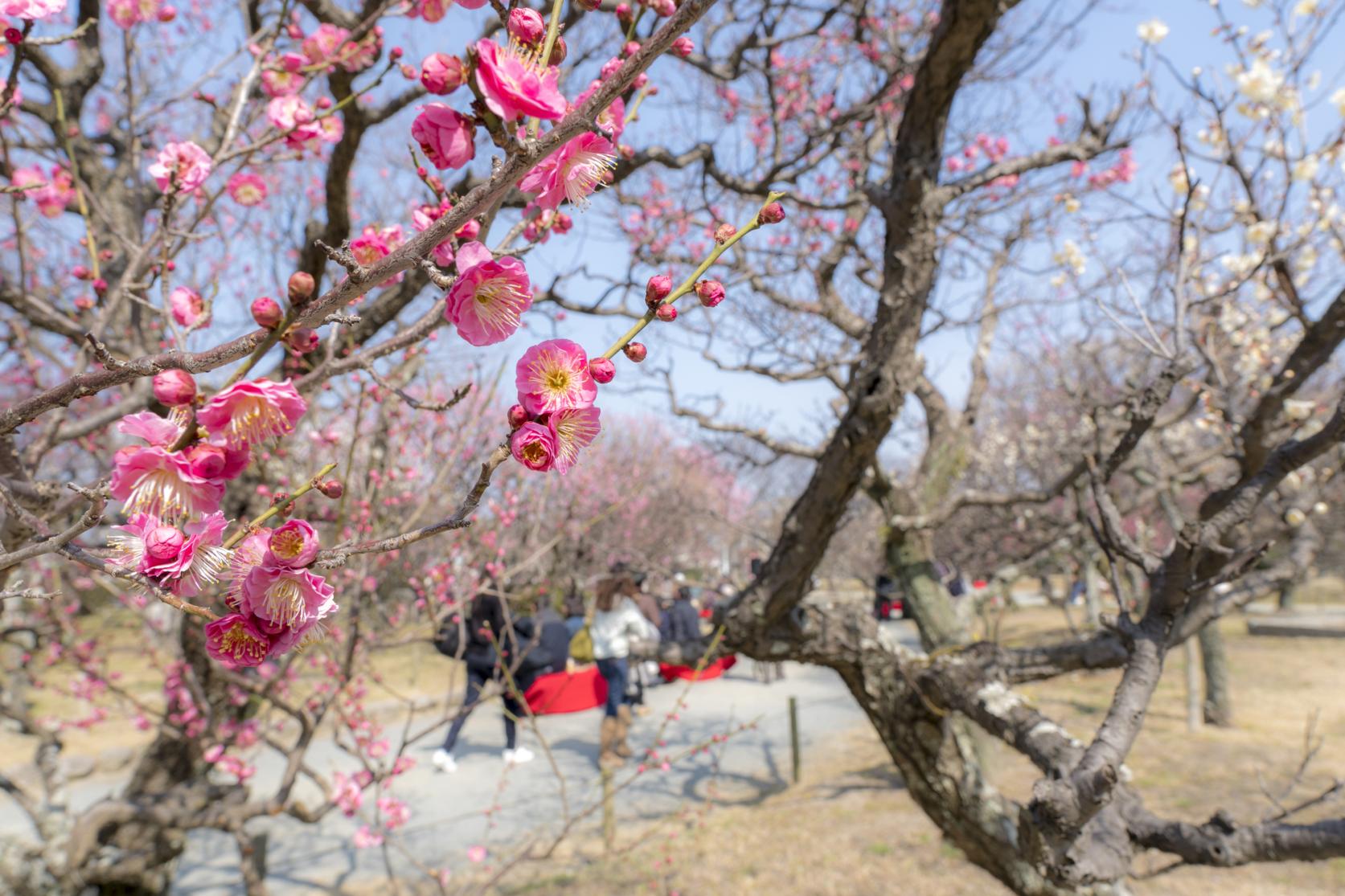
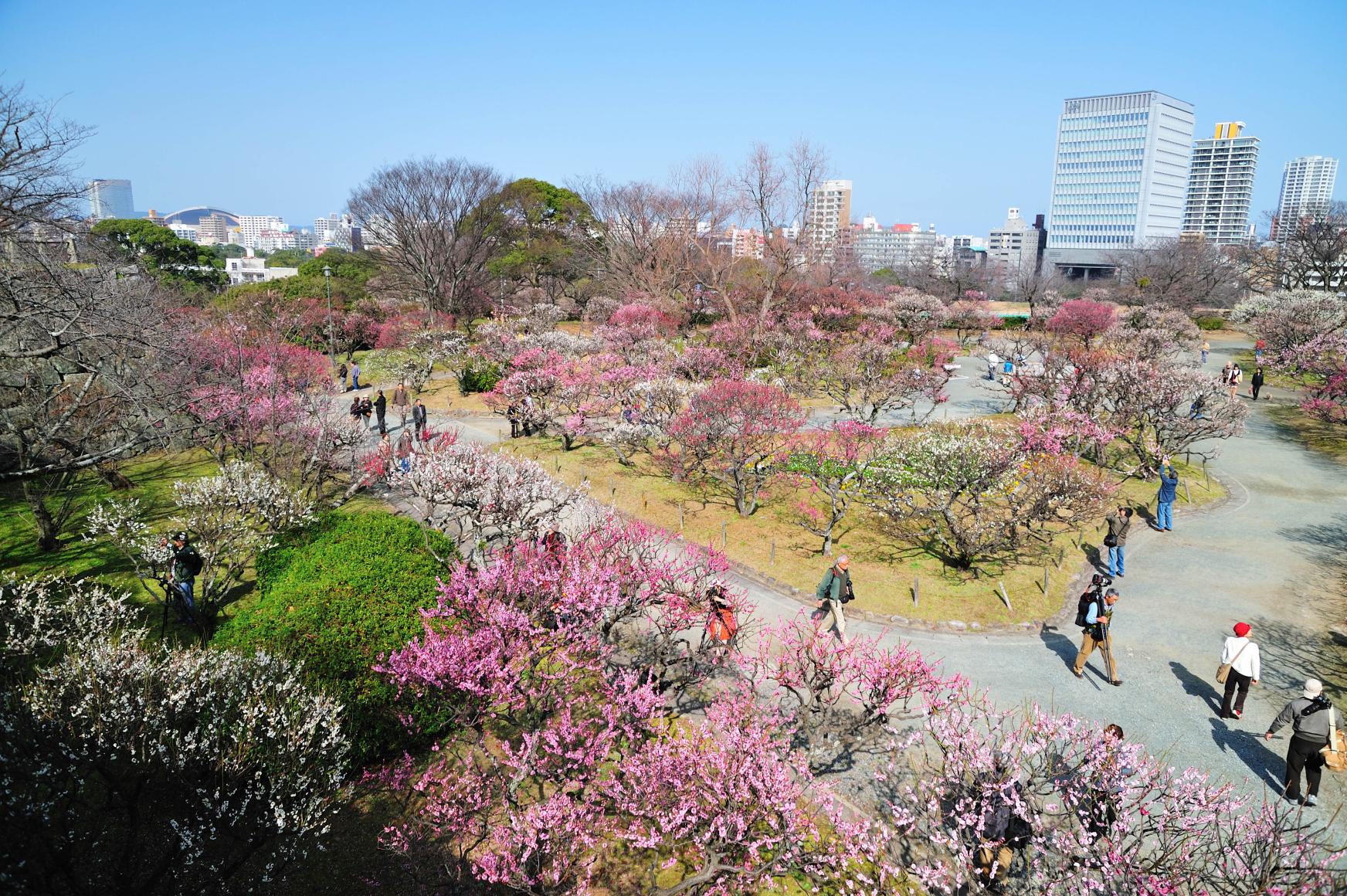
Maizuru Park is a spacious and green park built around the honmaru (main enclosure) of Fukuoka Castle, which was constructed by Kuroda Nagamasa, the lord of Chikuzen Domain.
The park also includes various sports facilities, such as an athletics stadium and ball fields, and is adjacent to Ohori Park and the Fukuoka Art Museum.
At the Ninomaru Plum Garden, around 270 plum trees bloom from late January to mid-February. Visitors can relax on benches covered with traditional mats while enjoying the charming blossoms.
Bairinji Gaien (Kurume City)
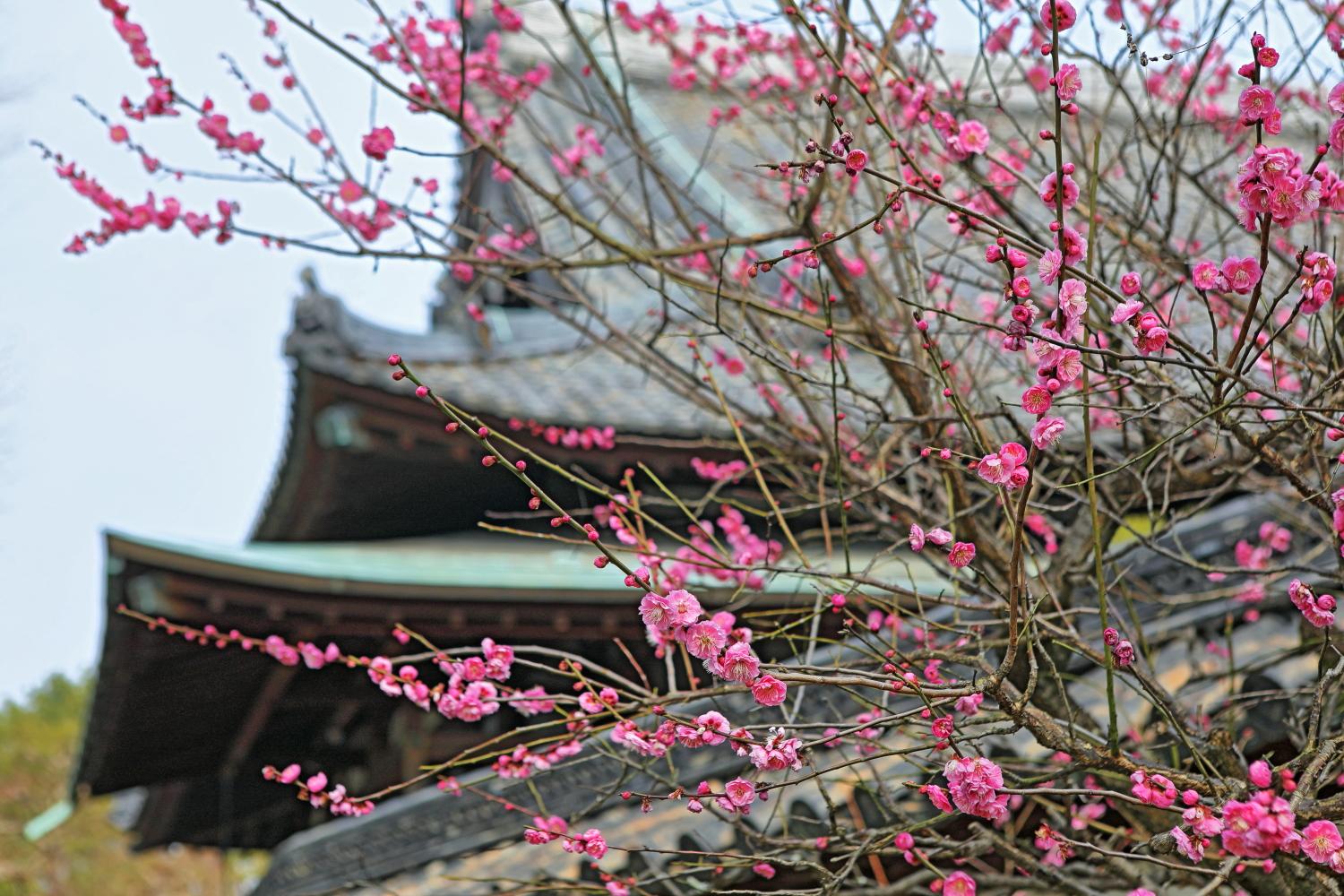
Bairinji Temple, known as a strict training center, attracts many monks from all over Japan.
The temple’s Gaien (outer garden), open to the public as a park, features about 500 plum trees of 30 varieties, including white, red, and weeping plums, which bloom beautifully each season.
Fuko-ji Temple – Garyubai (Omuta City)
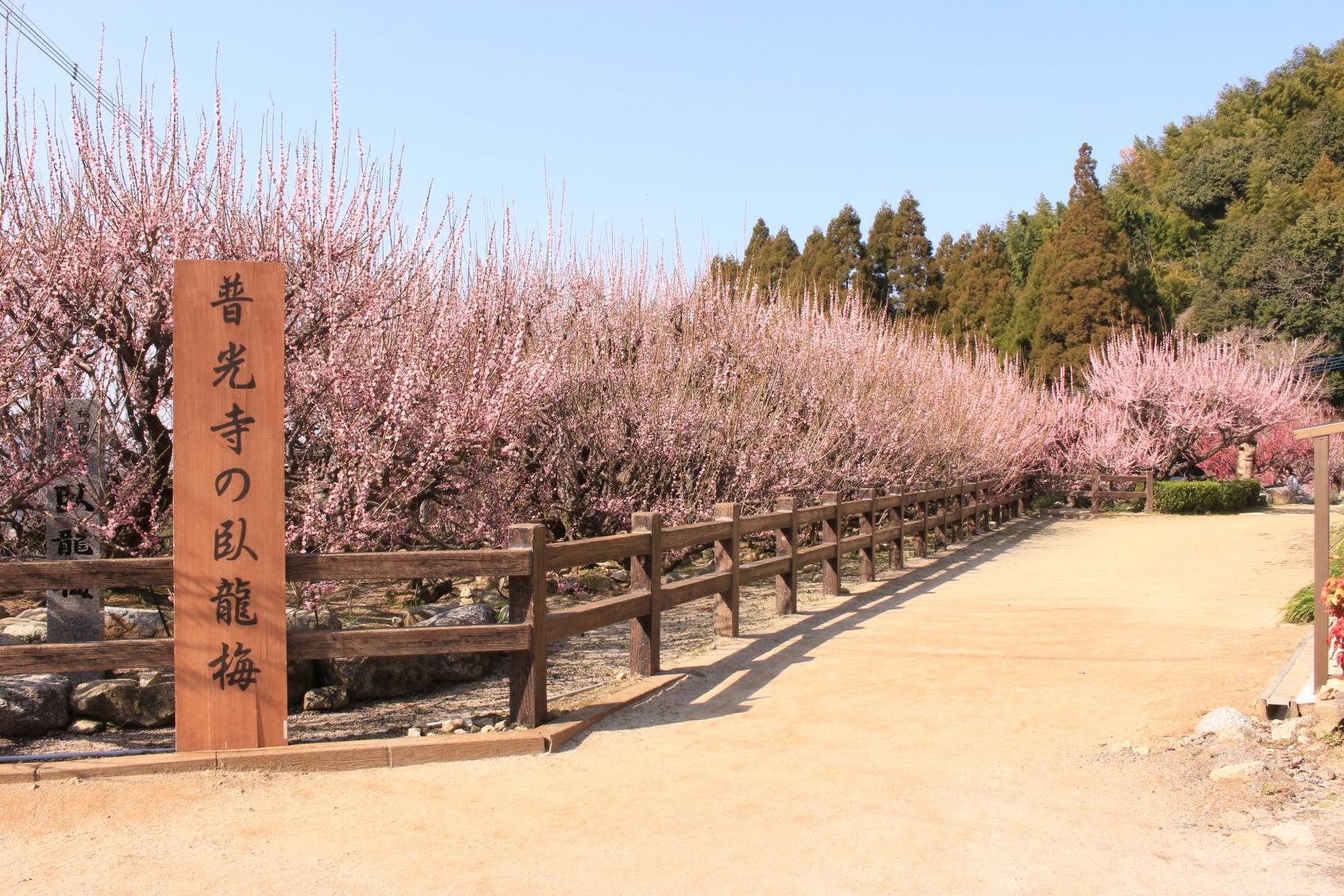
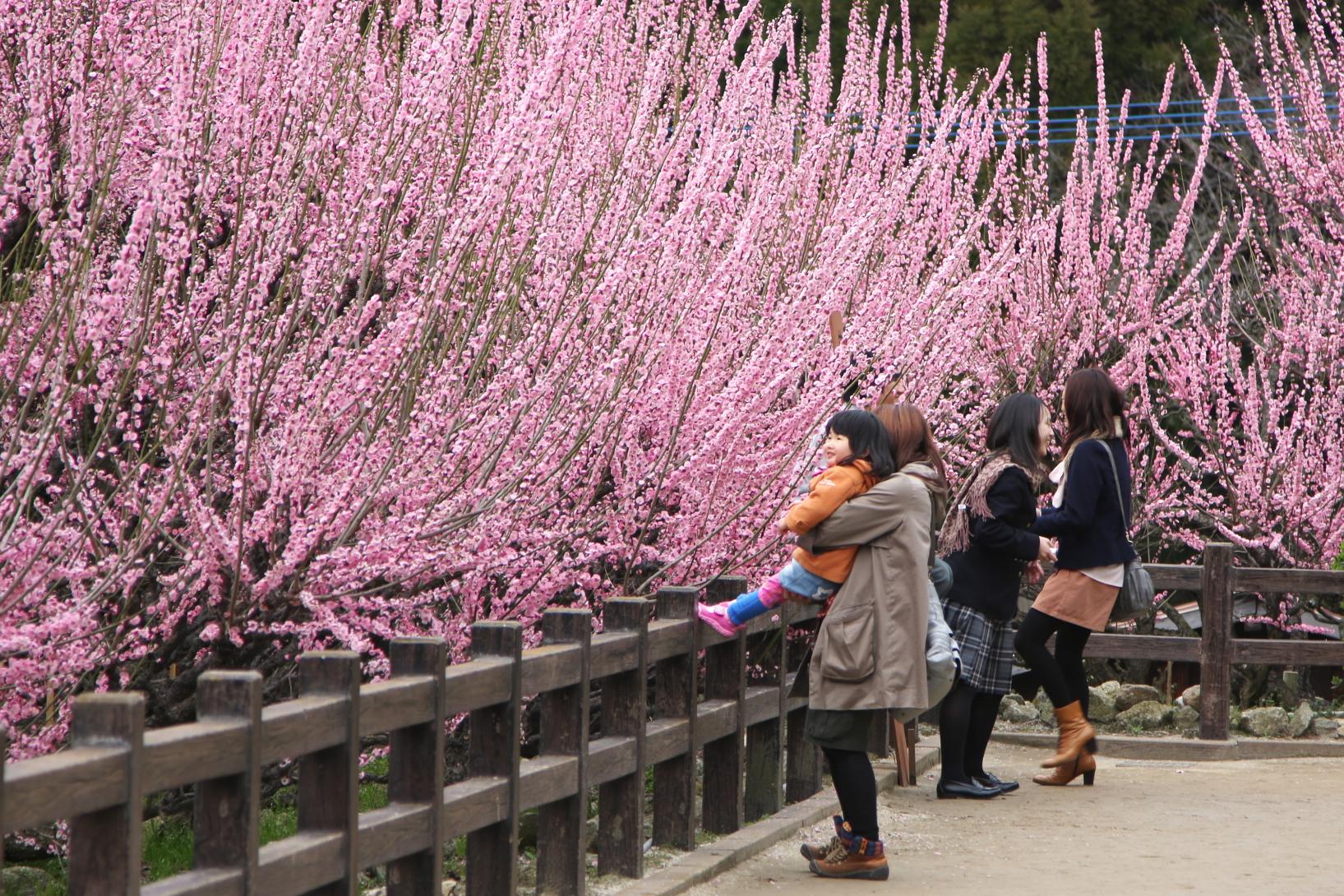
A single plum tree, said to be over 500 years old, sprawls across the ground, taking root repeatedly to form a total length of 25 meters with 17 trunks. Its impressive shape, resembling a giant reclining dragon, gave rise to its name, Garyubai (“Reclining Dragon Plum”).
The dark, gnarled trunk twists and dives into the earth, rises again, and plunges once more, evoking the dynamic, serpentine movements of a dragon.
Share


 Next article for you
-

TIPS FOR TRAVELING IN FUKUOKA PREFECTURE
-
【2025】Your Guide to Fukuoka Prefecture's Best Fall Foliage Destinations
-
Fukuoka Has Onsen Too! A Complete Guide—from Day Trips to Famous Hot Springs
-
10 Recommended Dishes in Fukuoka! Discovering the Region’s Finest Foods
-
A Guide to Major Tourist Events and Festivals in Fukuoka Prefecture in February
-
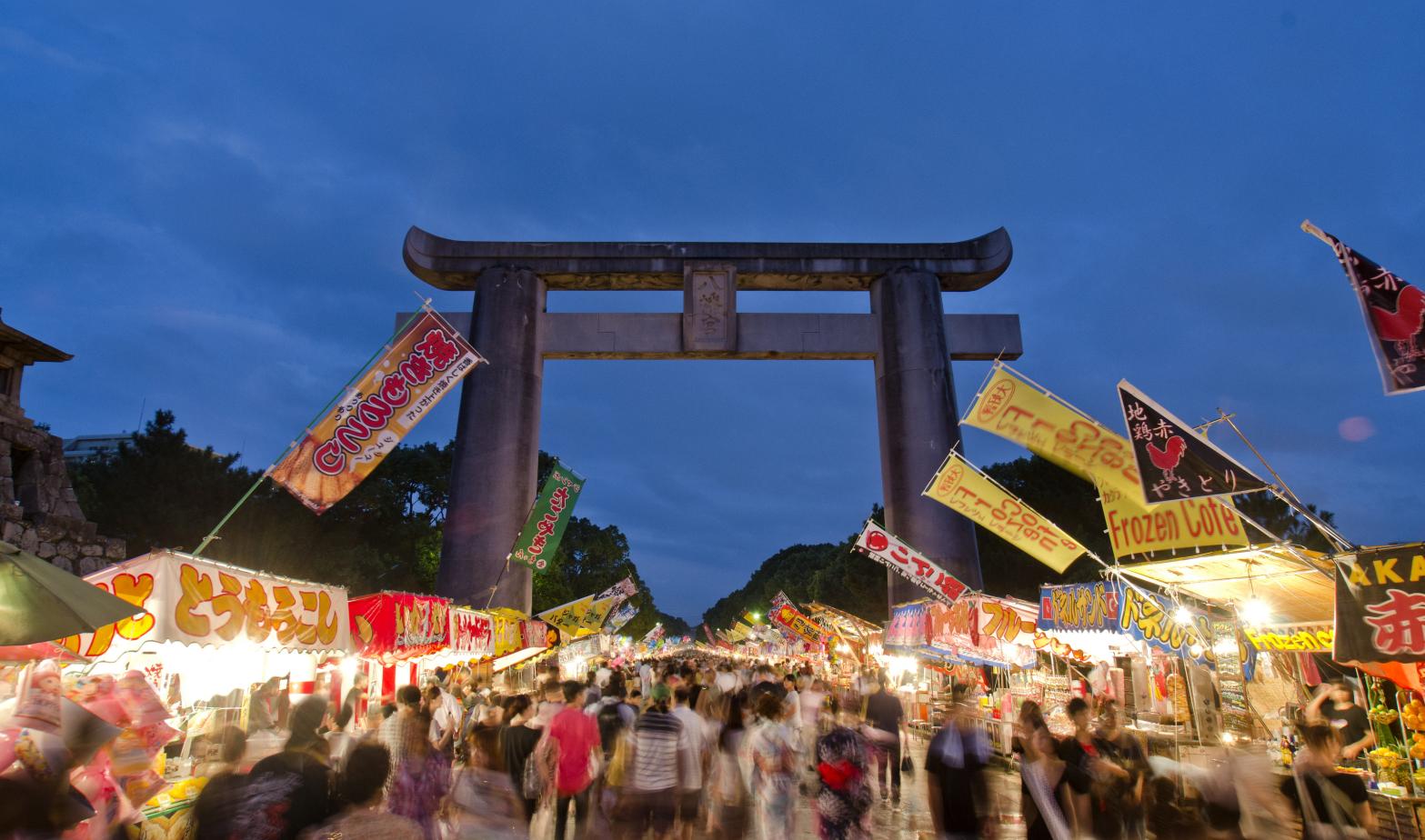
【2026】Major September Events and Festivals in Fukuoka Prefecture
-
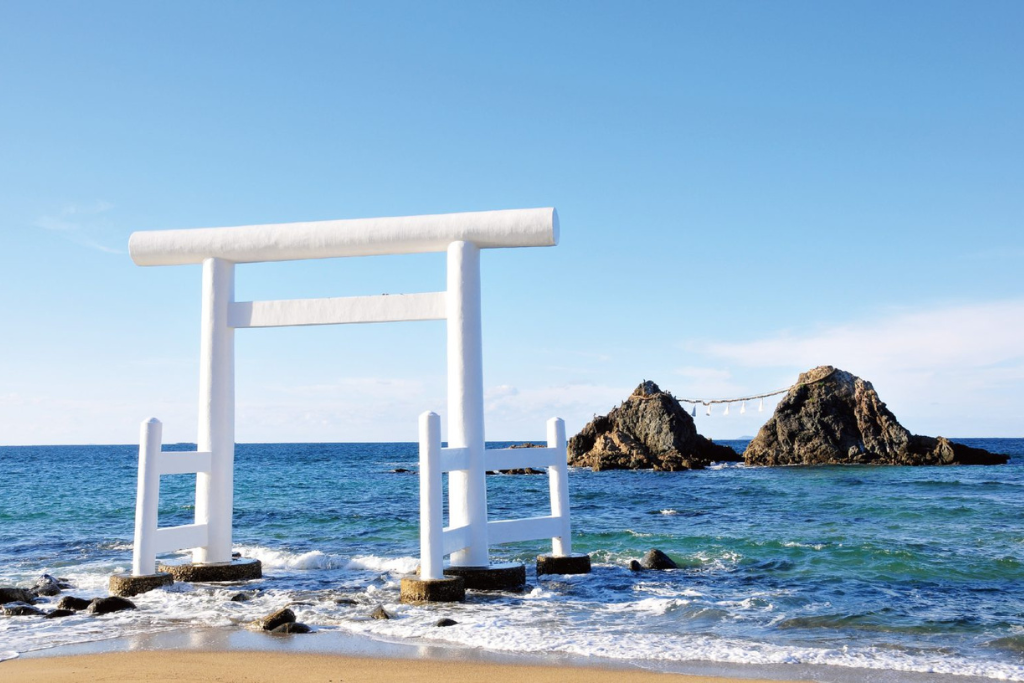
Admiring the Best Scenery that Nature Has to Offer in Itoshima
-

CYCLE FUKUOKA
-

How to experience Mojiko Retro in Kitakyushu
-
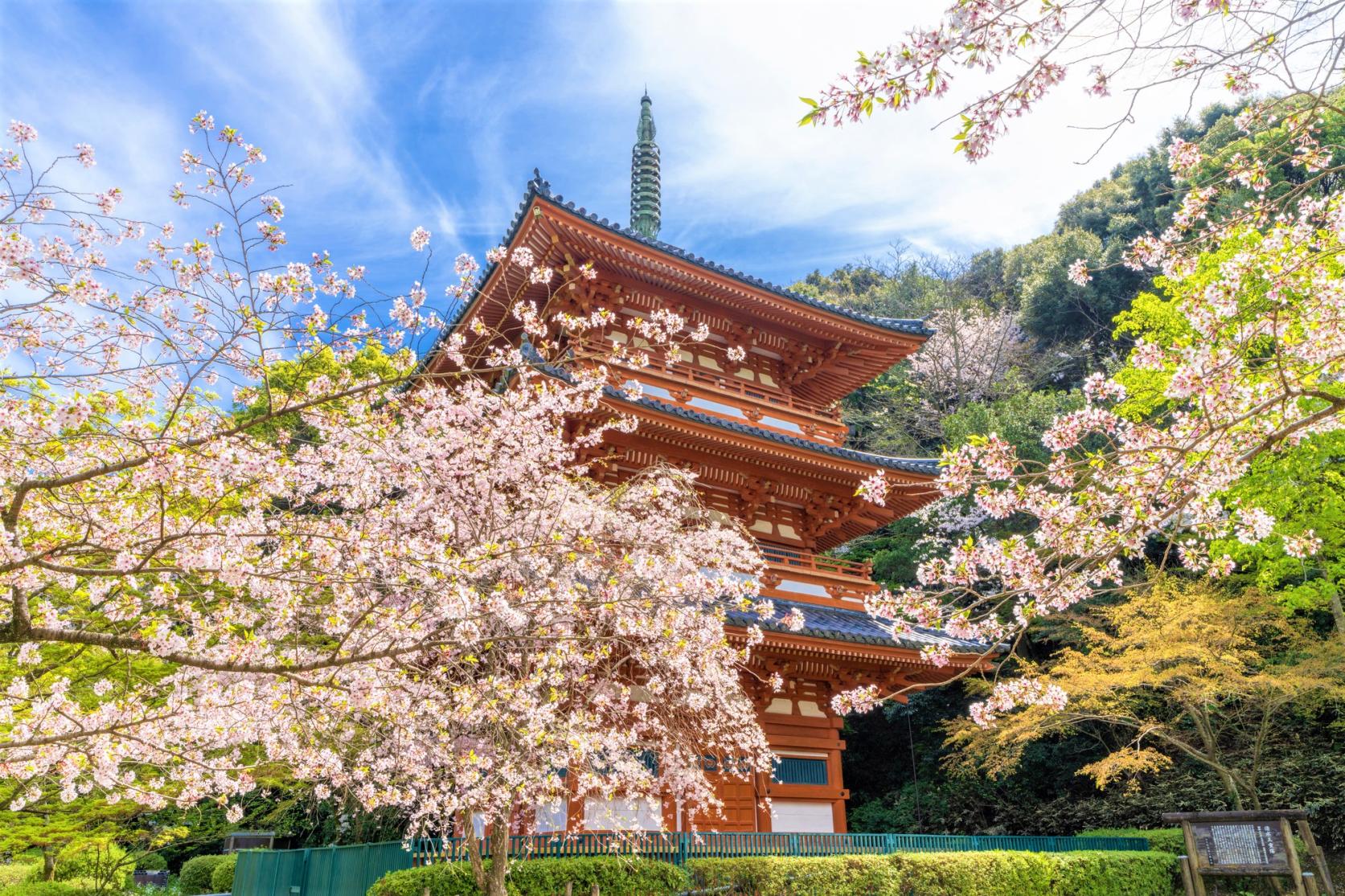
10 Recommended Shrines and Temples in Fukuoka!
-
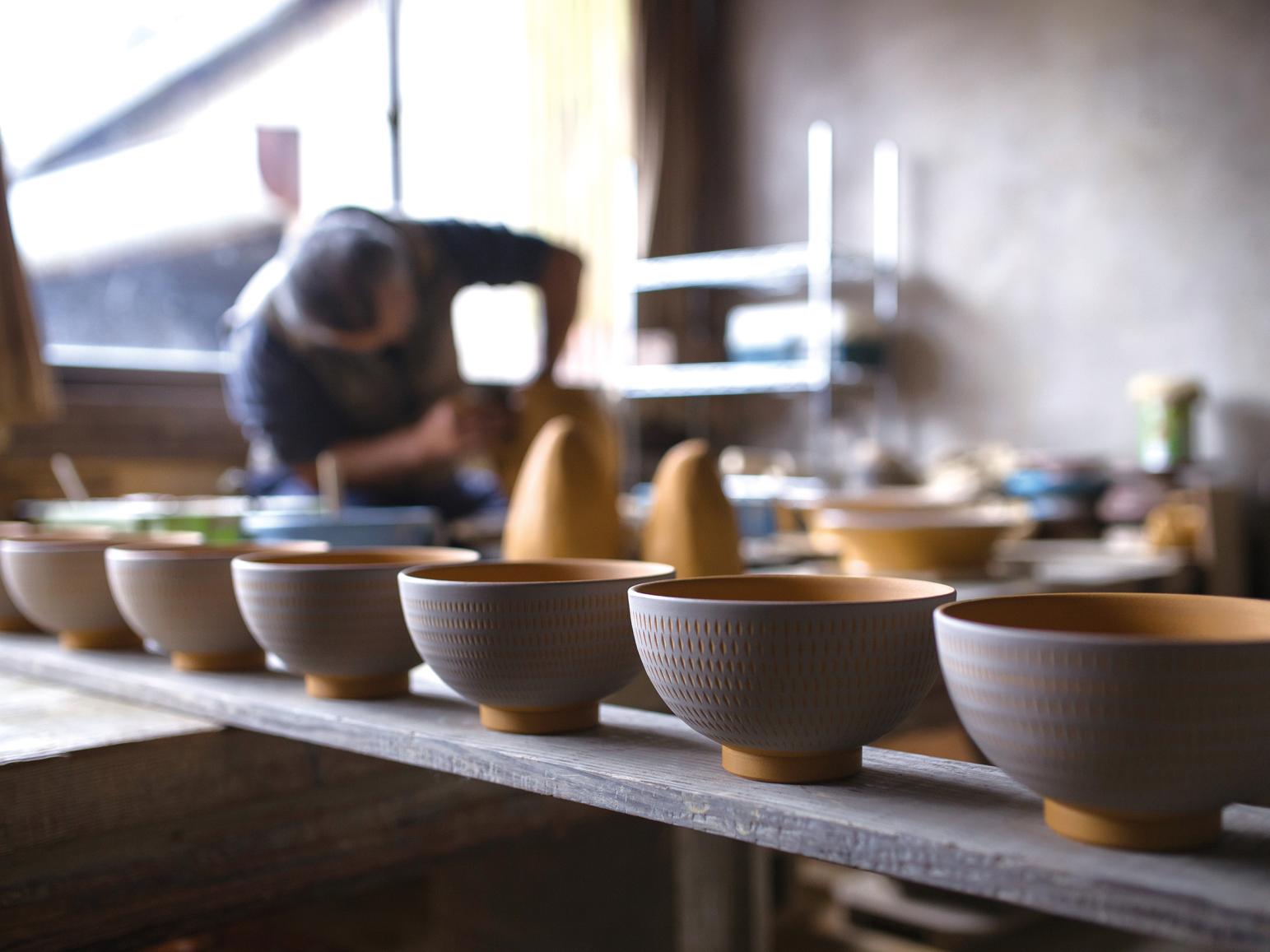
TRADITIONAL JAPANESE CRAFTS OF FUKUOKA ~Present Day Breath-taking Craftsmanship~
-
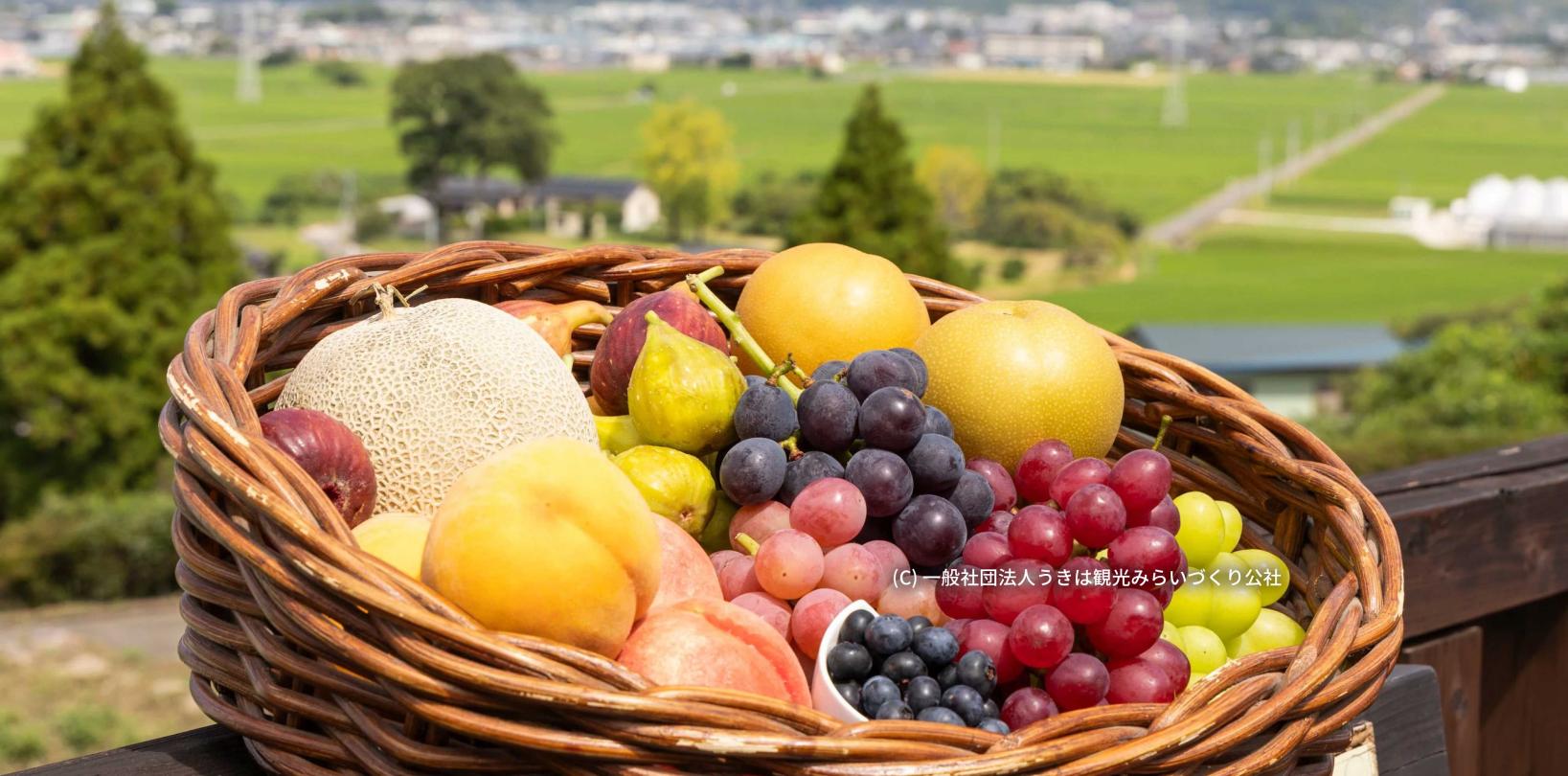
A guide to enjoying fruit picking in Fukuoka all year round! Featuring farms with all-you-can-eat options and attached cafes
-
![[2026] Strawberry Picking Spots in Fukuoka-1](https://www.crossroadfukuoka.jp/storage/special_features/49/responsive_images/9ZHgrqvQdpH8tM4IRF54DXu0aPBF3YGGkj5WOTGc__1673_1115.jpg)
[2026] Strawberry Picking Spots in Fukuoka
-

Kids will love it too! Recommended spots for family trips in Fukuoka Prefecture
-
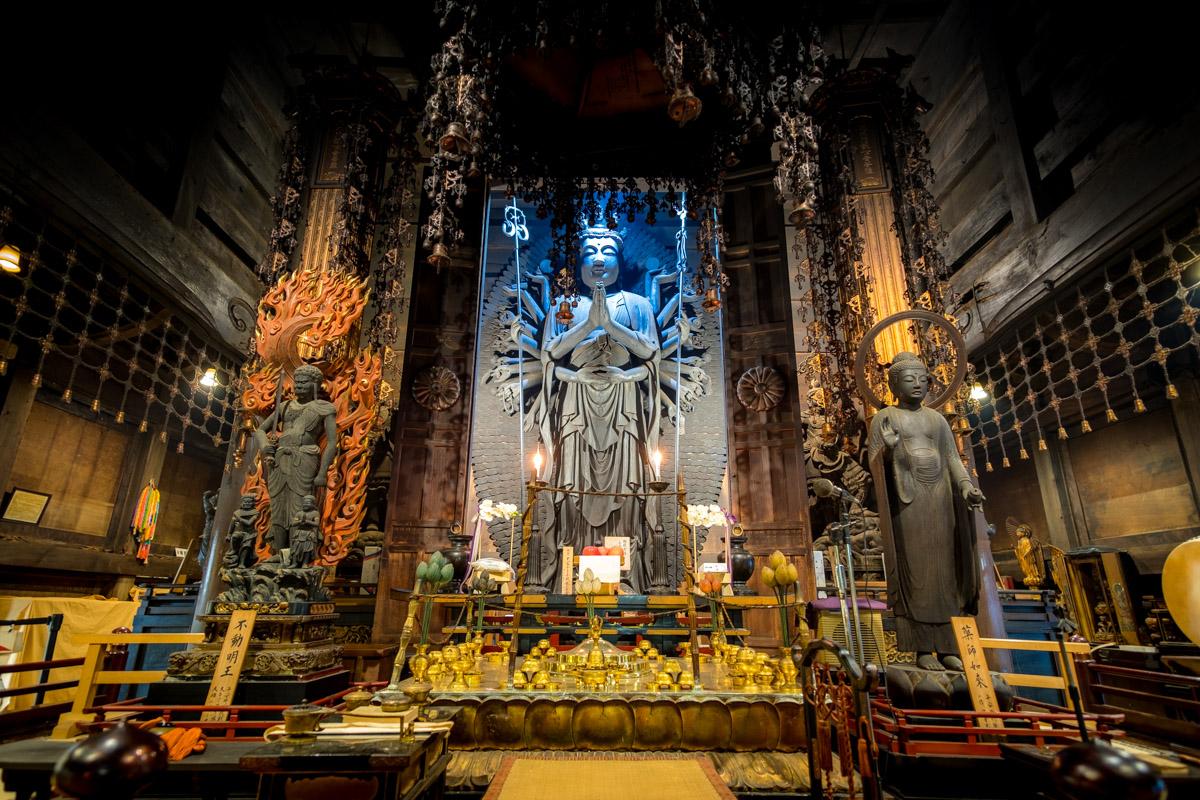
Raizan Sennyoji Daihioin Temple:
-
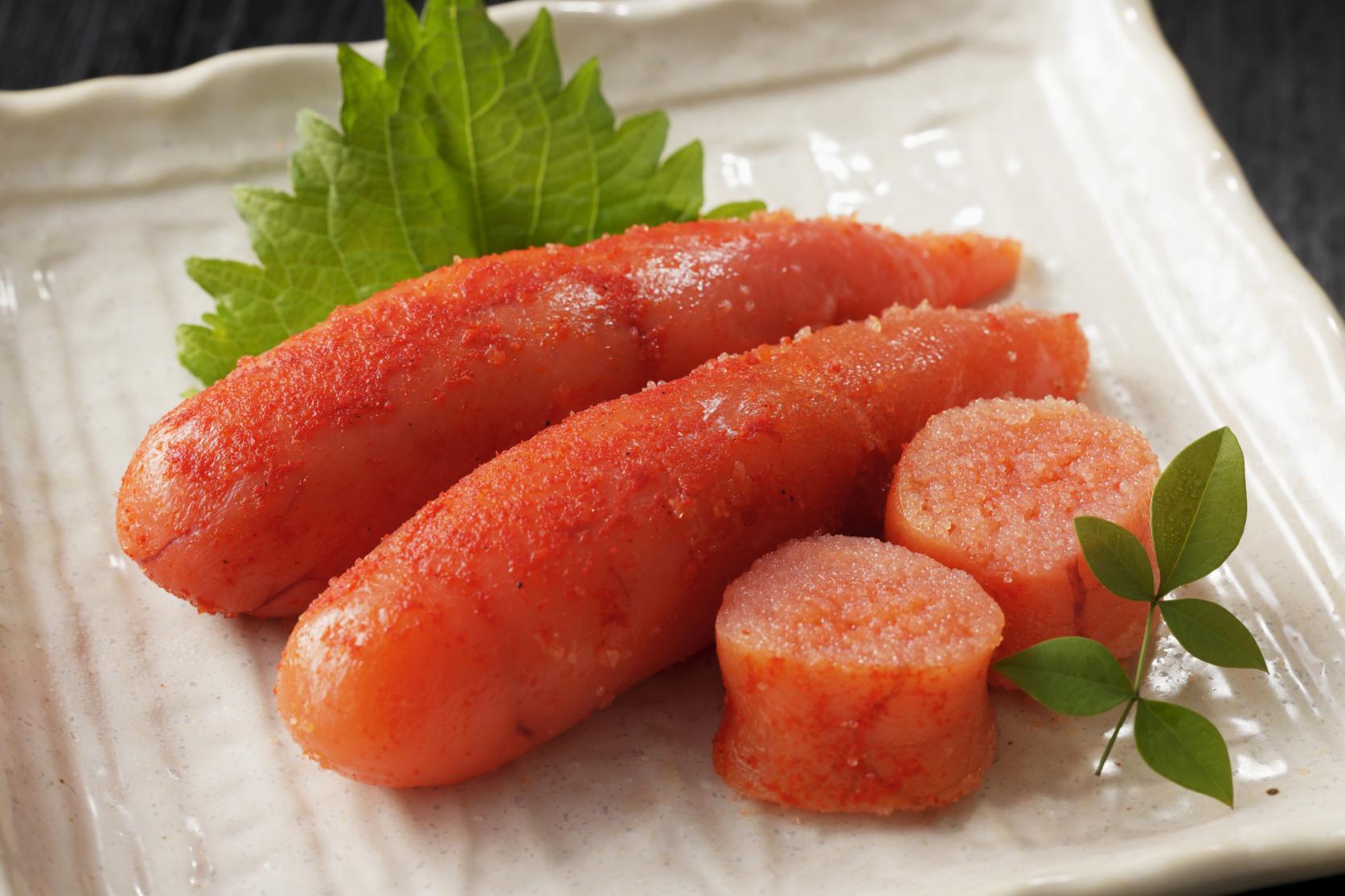
Fukuoka Prefecture is the place for enjoying the best mentaiko! Featuring lunch spots, hands-on experiences, and gifts
-
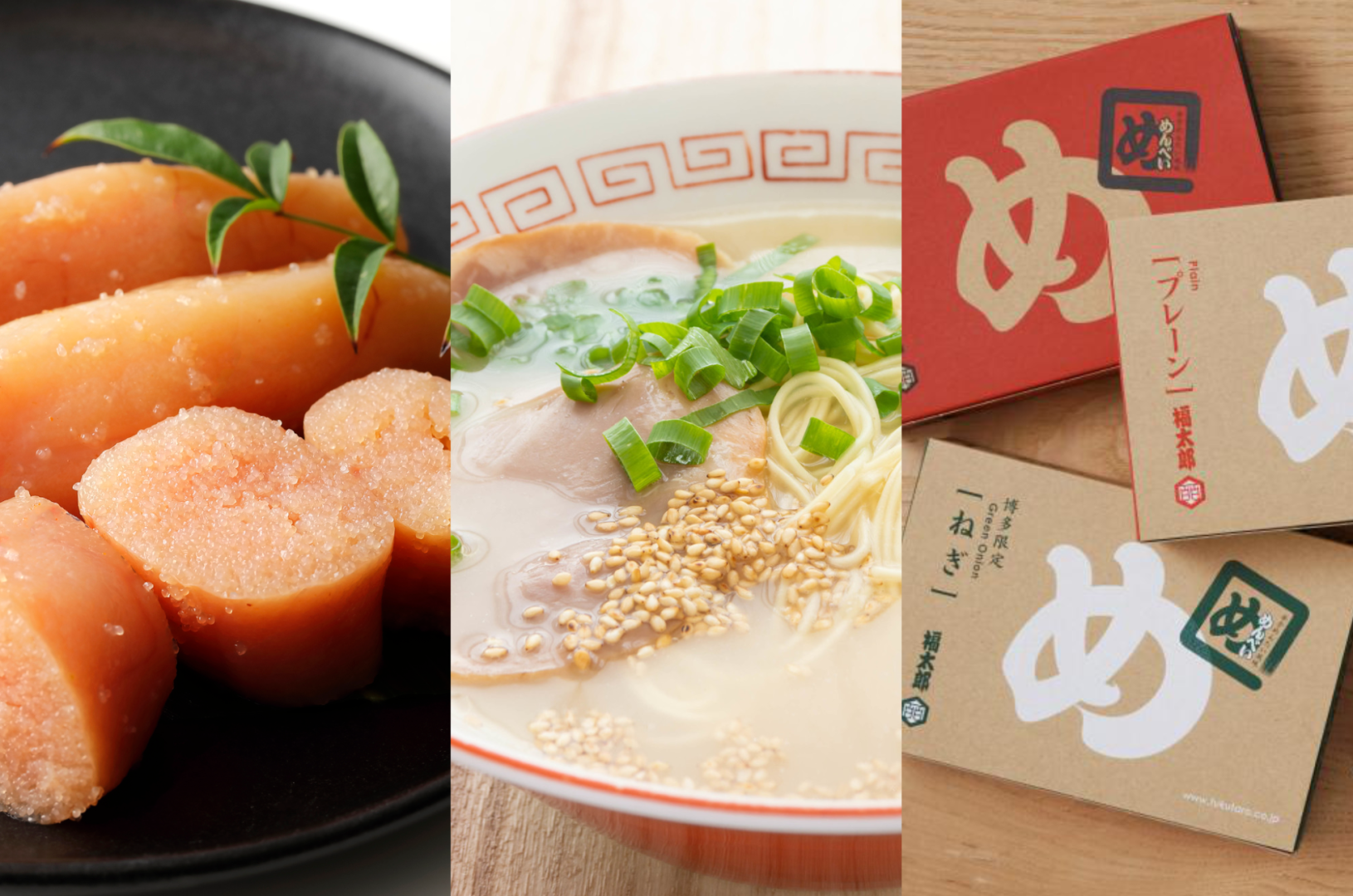
Here are the most popular souvenirs of Fukuoka that you won’t want to miss!
-
Local Life in Fukuoka City: Art, Beaches and Coffee
-
【2026】The Best Places to See Cherry Blossoms in Fukuoka
-
What is Kushida Shrine, the guardian shrine of Hakata? A comprehensive guide to highlights, goshuin, and access information
