

 Highlights
 Sample Itineraries
 See & Do
 Experience
 Events
 Plan a Trip
 Transport
 Local Life in Fukuoka City



Hiking and Hot Springs in Fukuoka: Four Spots to Enjoy Both!
Fukuoka Prefecture has inviting mountains and historical hot spring towns just beyond the city limits. A soak in the hot springs after a satisfying walk in the hills is the most luxurious reward there is. Let the mountains and their seasonal scenery restore you. Let the hot springs soothe your mind and body. Experience a local journey through Fukuoka that stimulates all your senses.
Recommended Hiking and Hot Spring Pairings
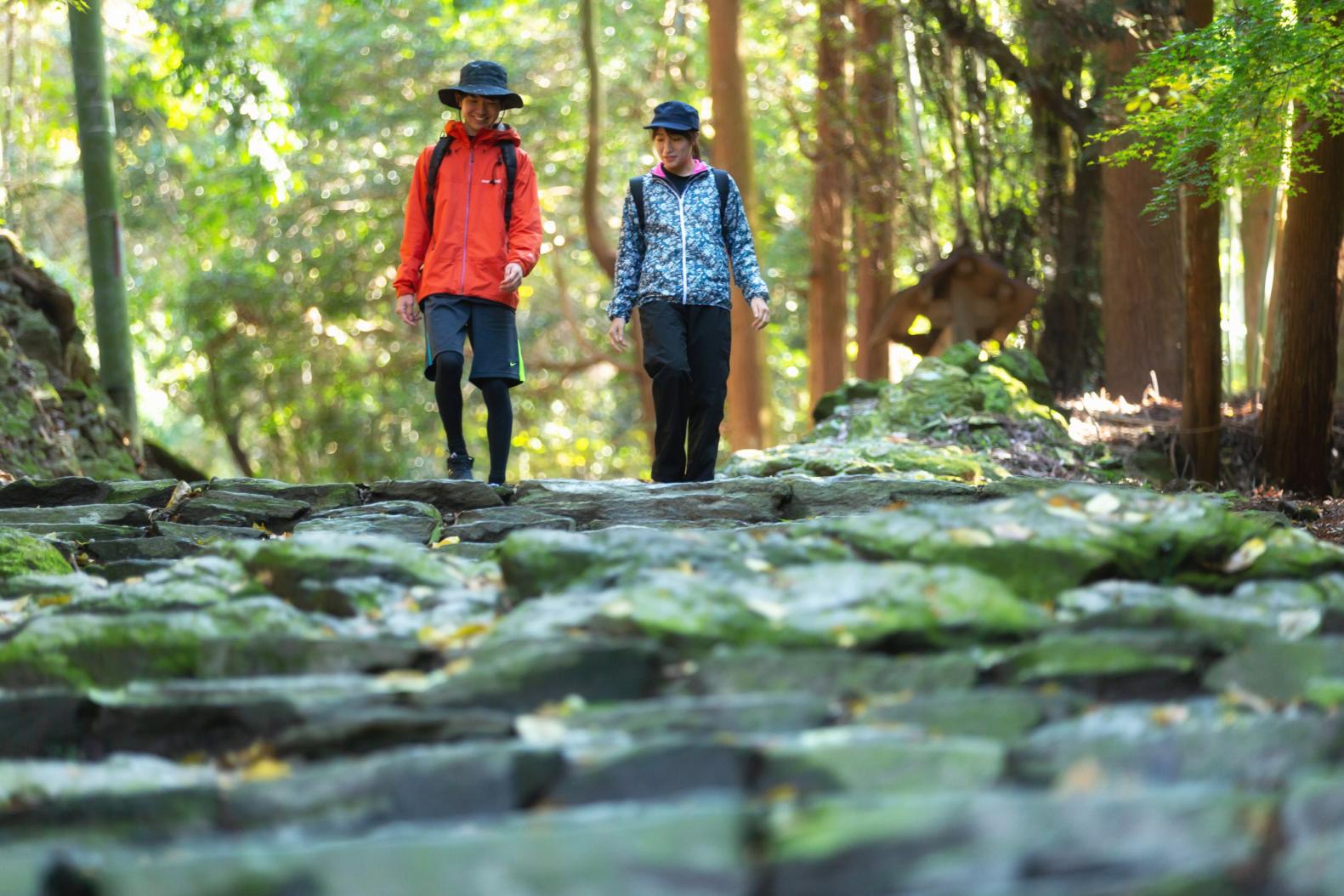
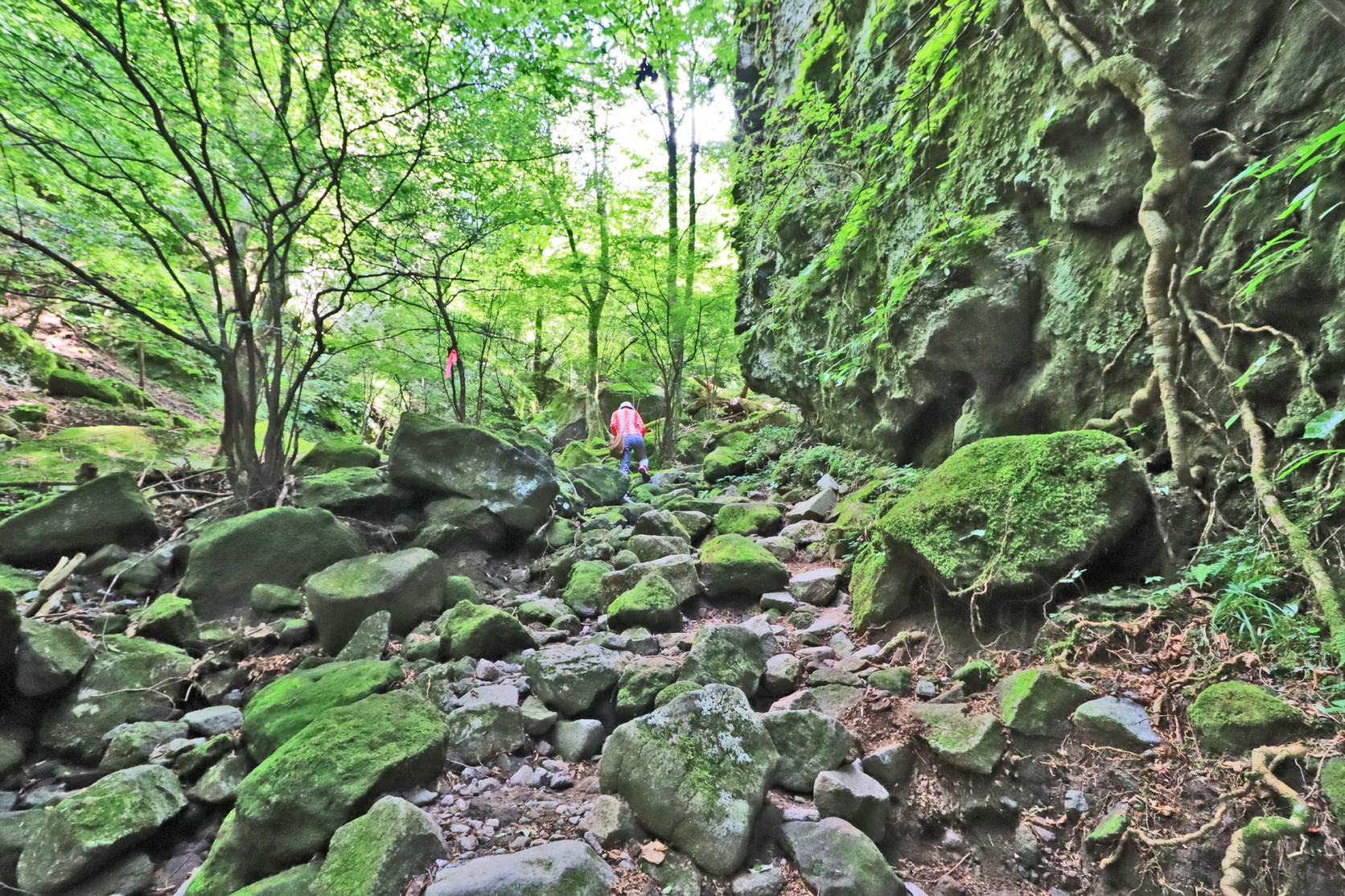
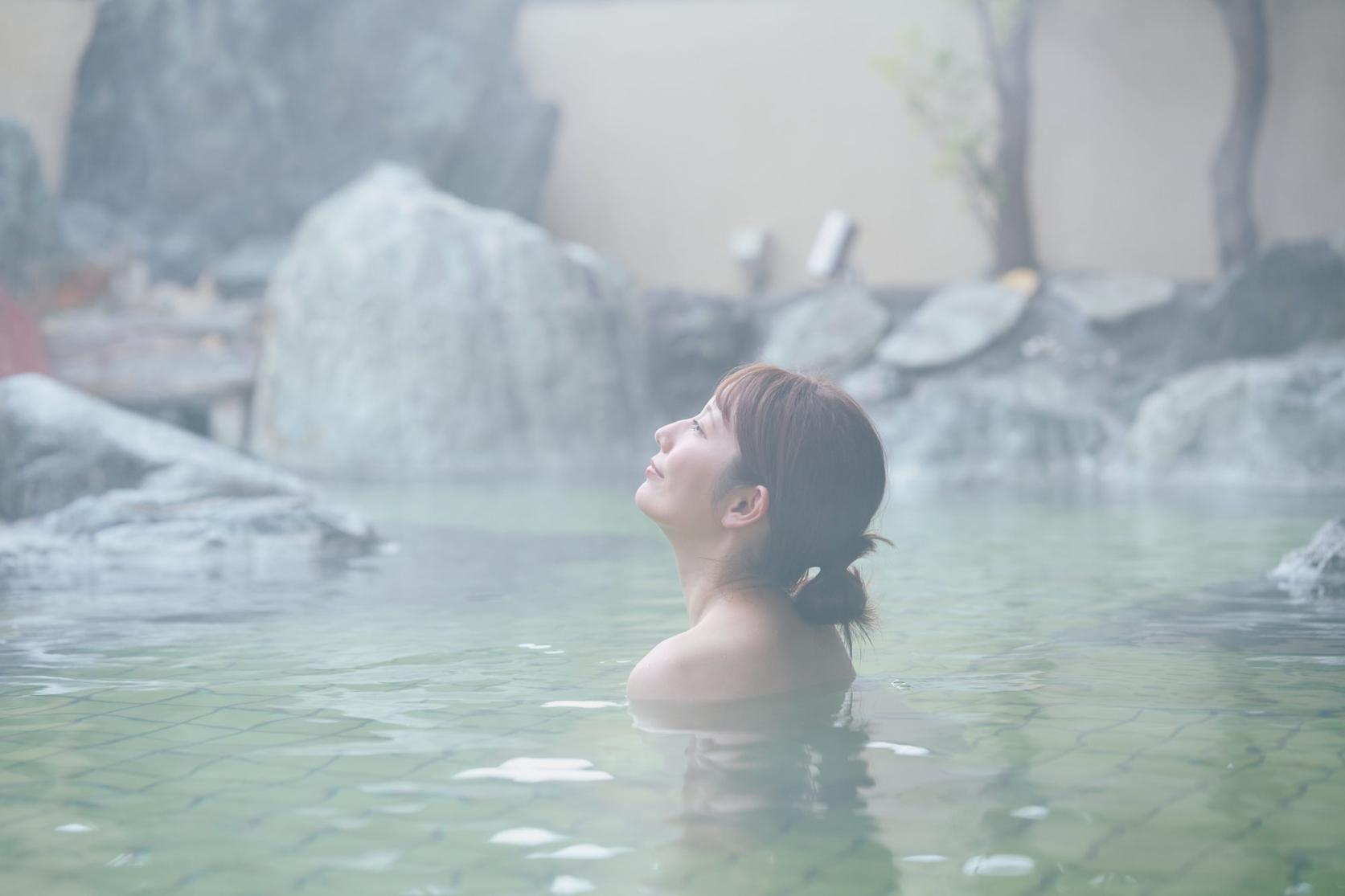
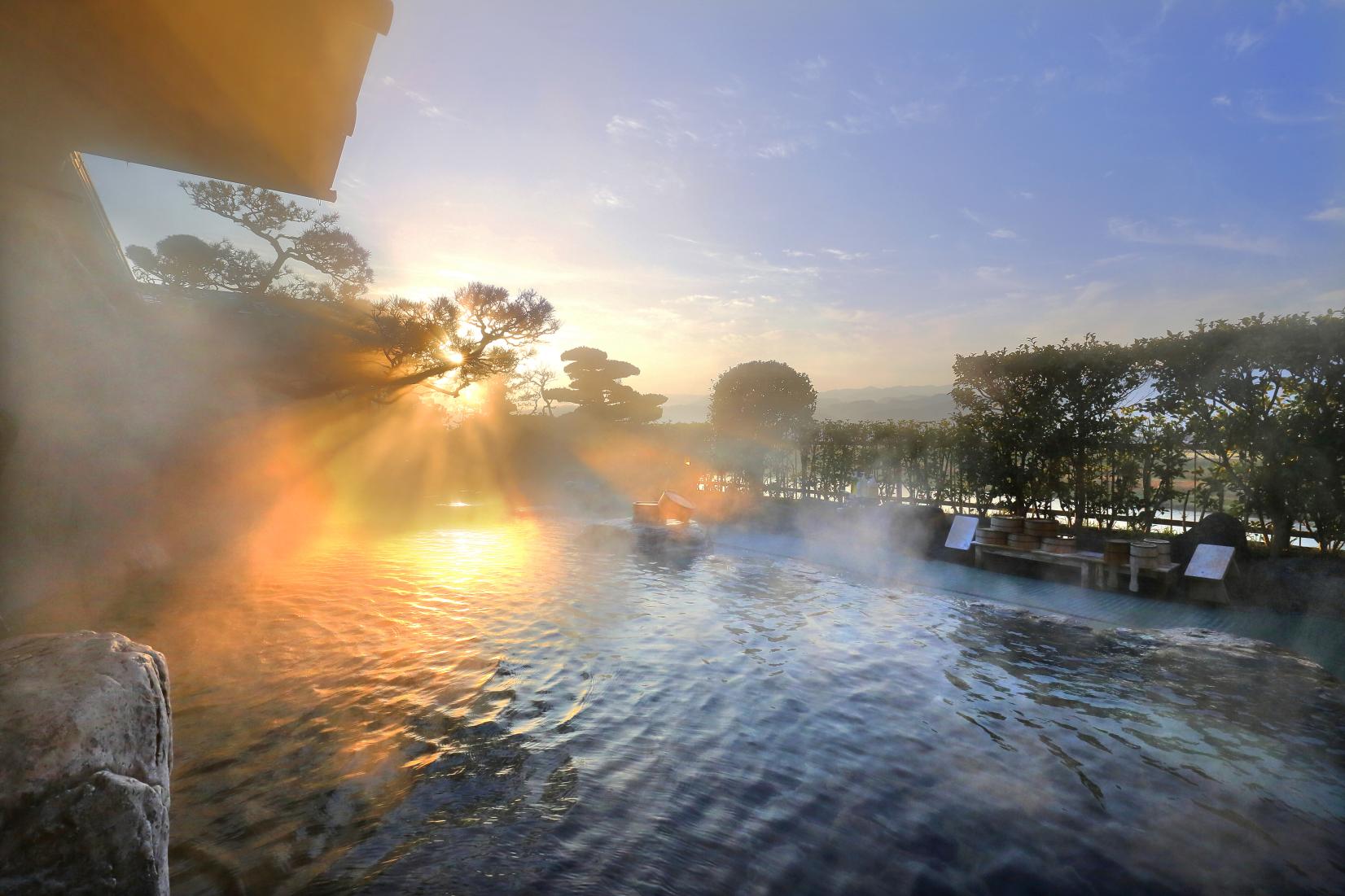
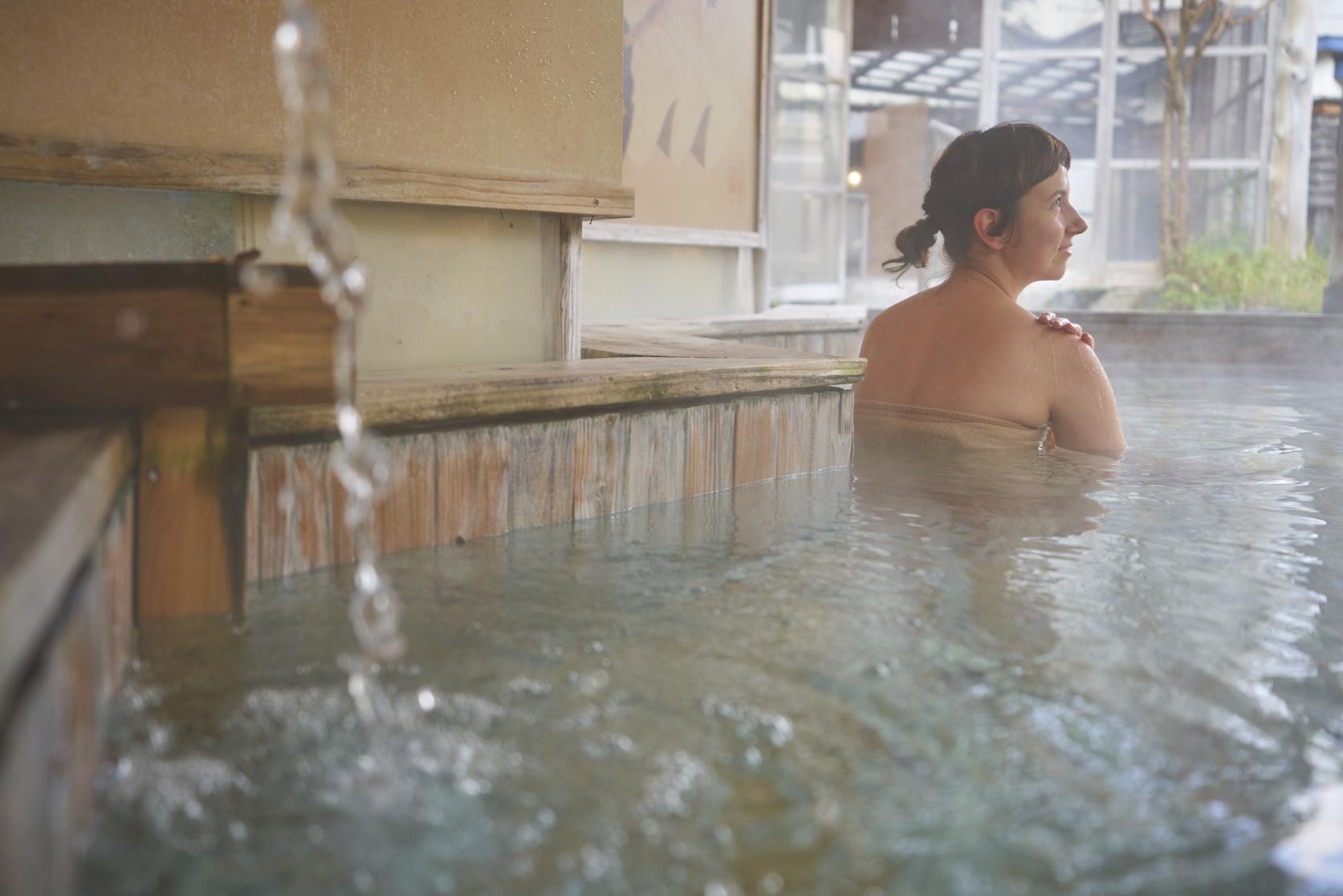
Fukuoka has routes to suit every kind of hiker, from low hills that beginners can manage to more demanding mountains with long histories of worship. Many are a convenient train or bus ride from the city center, so the outdoors is never far away. Whether you take on a thrilling course over rocky ground and steep slopes or follow a gentle ancient path, a single step onto the trail is enough to put busy everyday life out of mind. Then, once you have earned it, hot springs with real character are waiting at the foot of the mountain. These four mountains are favorites among hikers, each with a hot spring you can visit after your walk down.
Mountains and Hot Springs Map
Google Maps may not display correctly if left open for more than 1 day
1. Mount Homan & Futsukaichi Onsen
A Sacred Peak and Waters Recorded in Ancient Poetry
Mount Homan
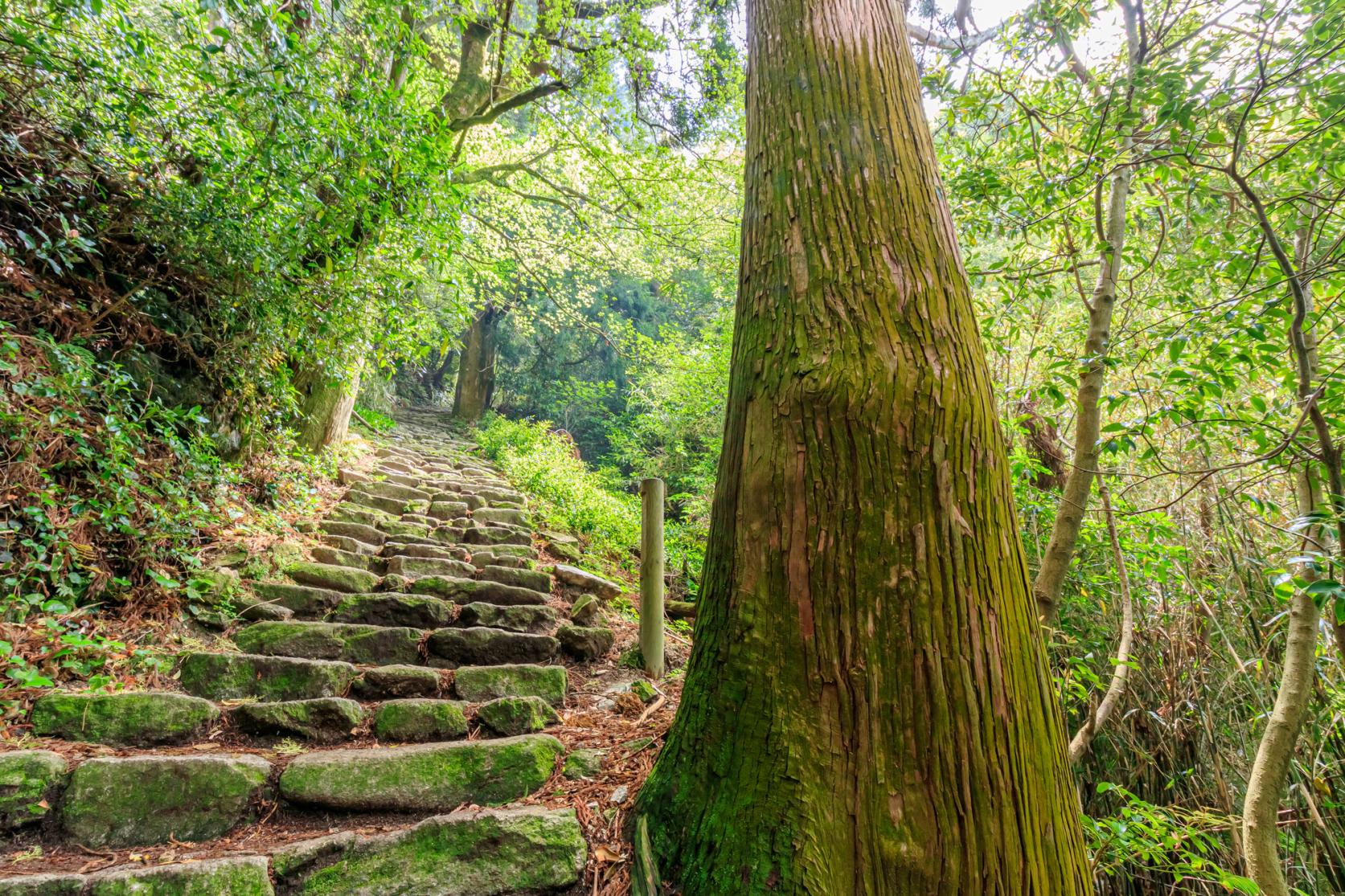
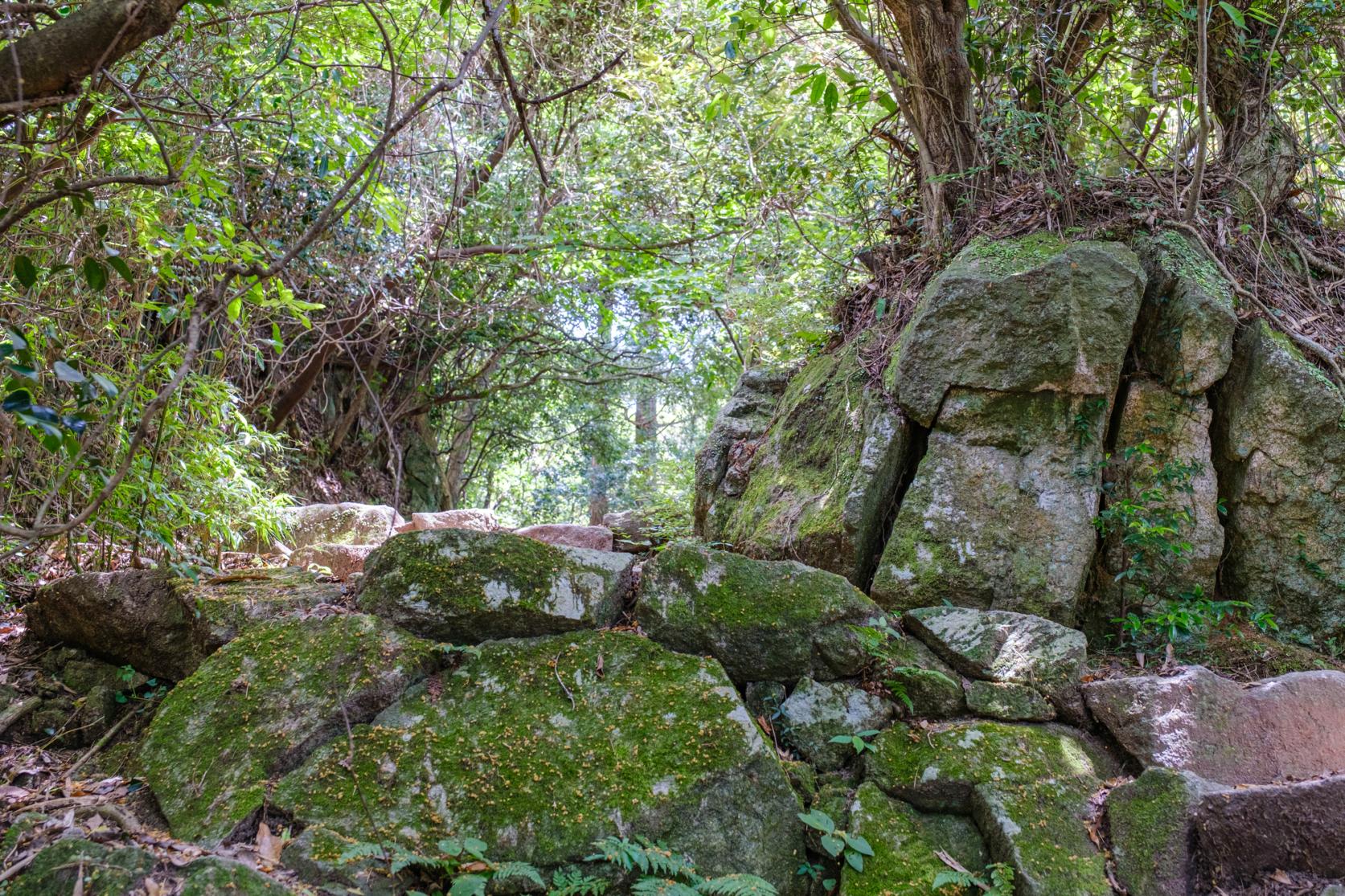
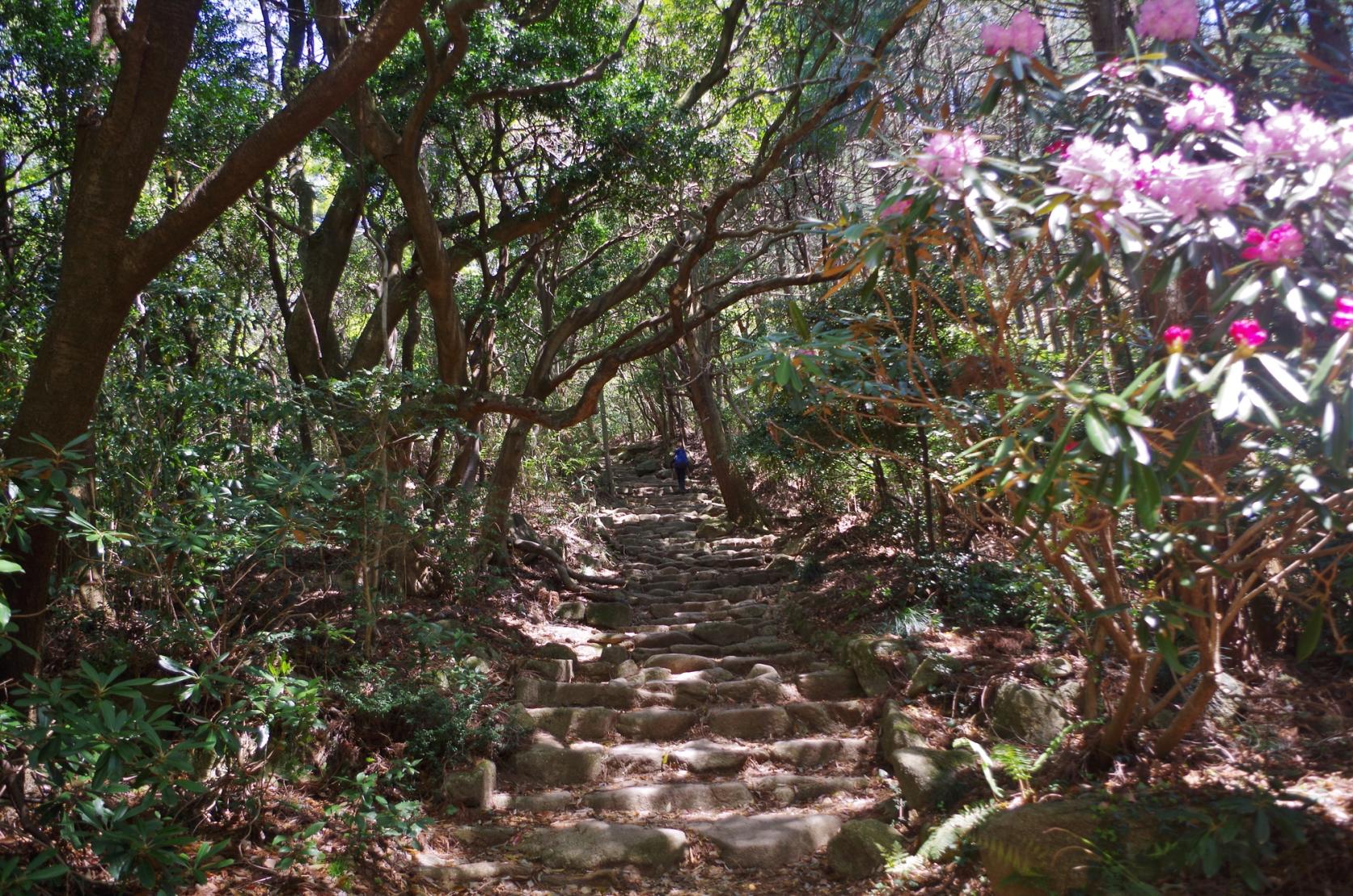
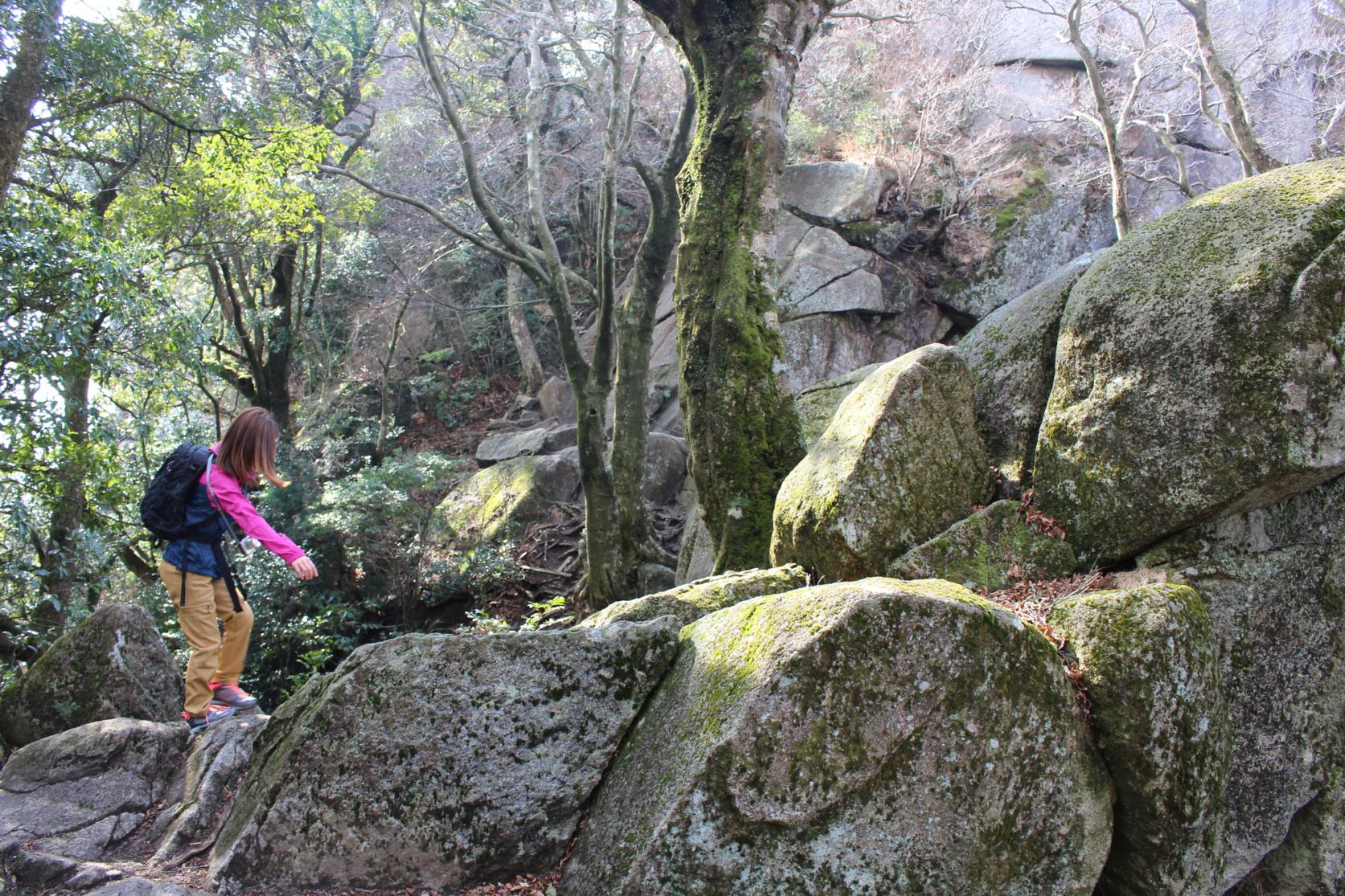
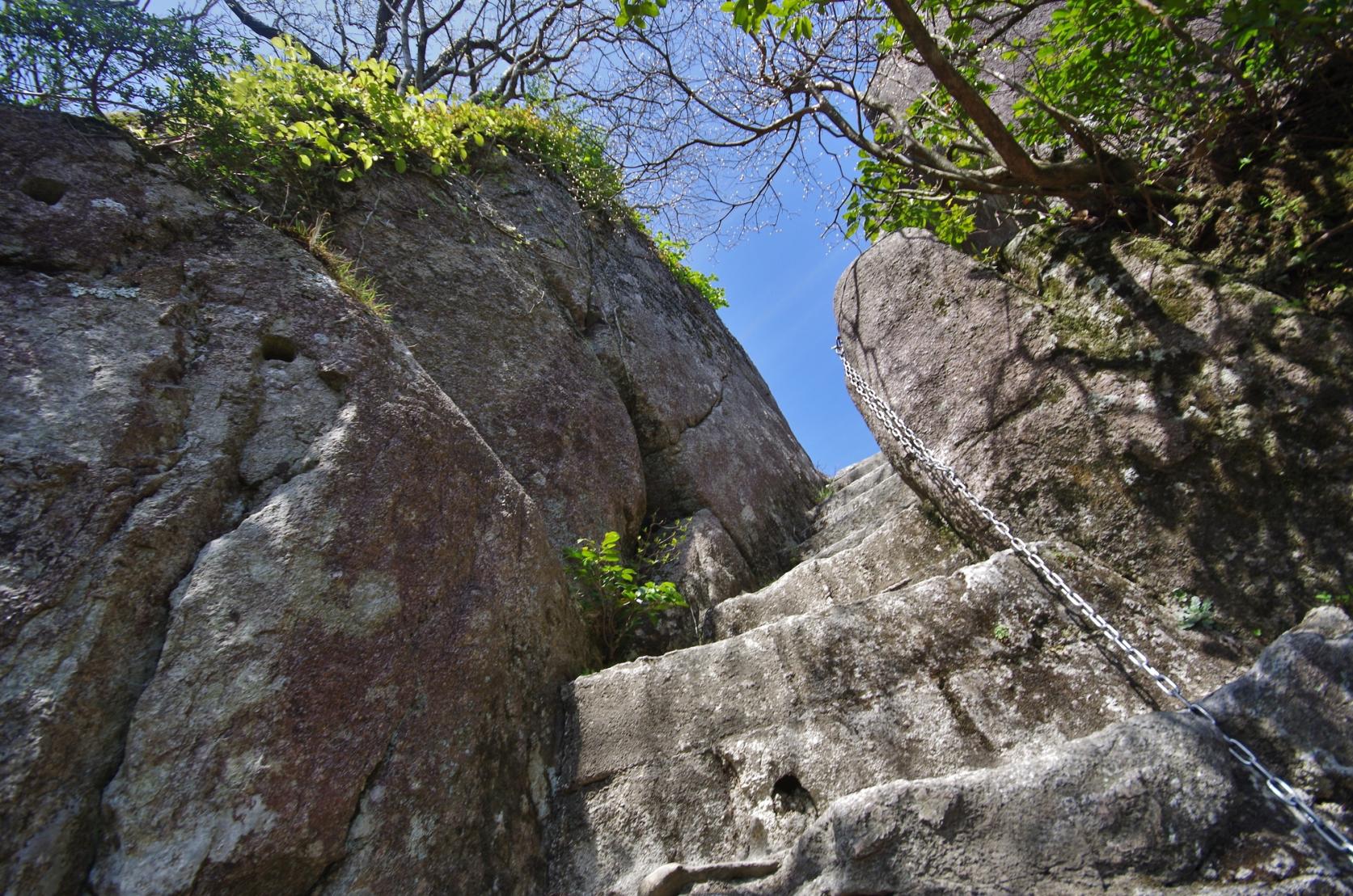
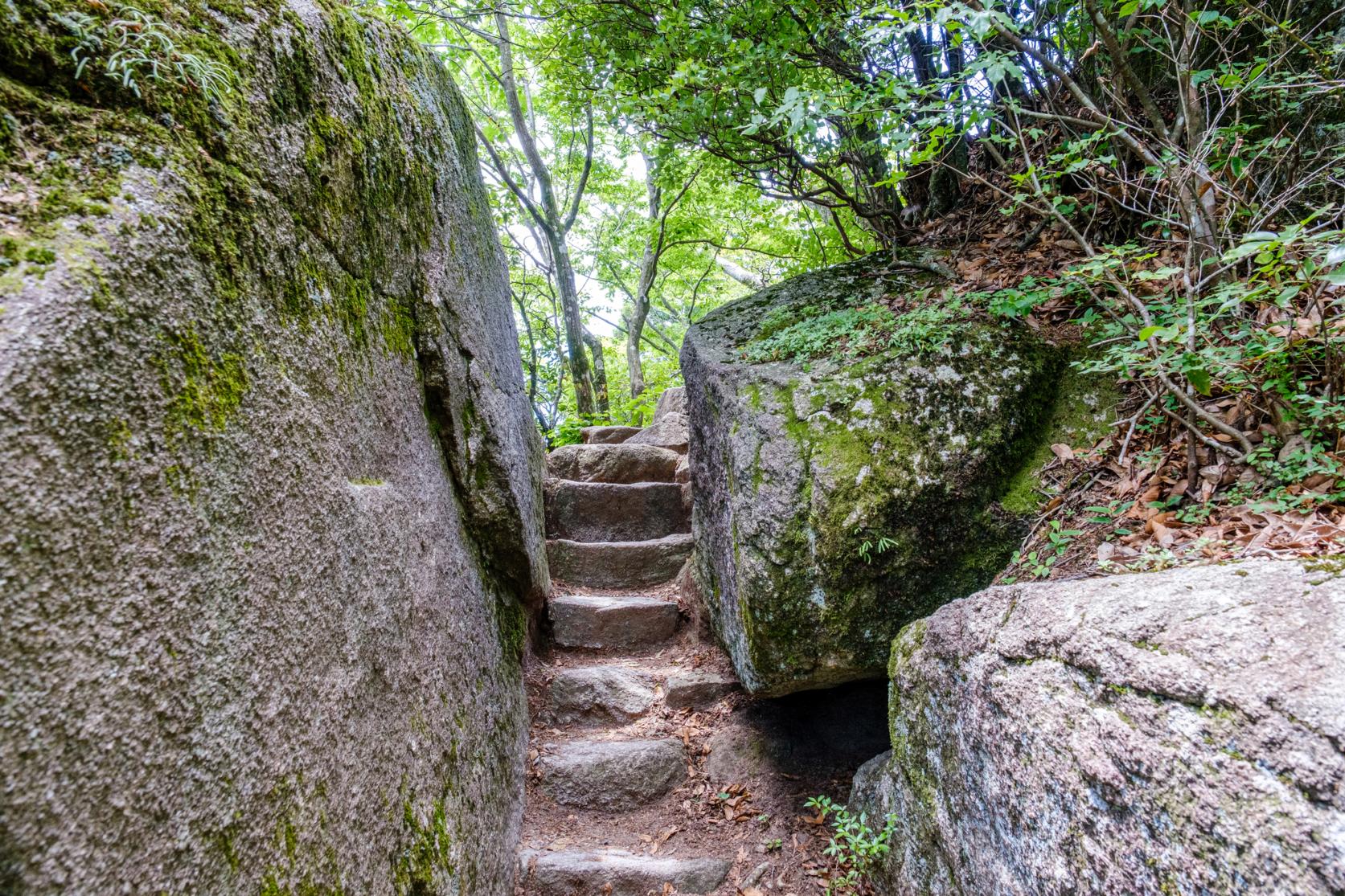
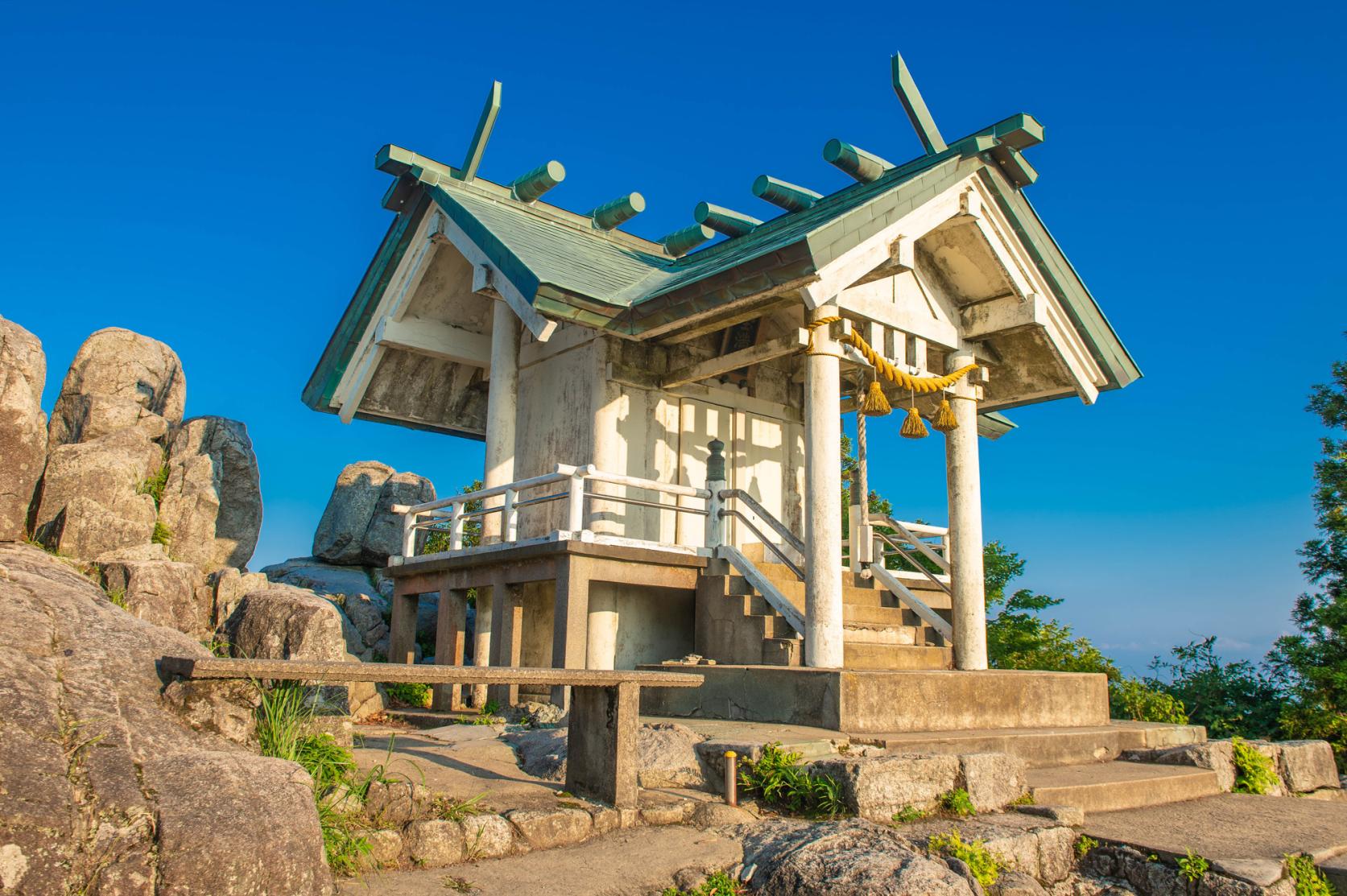
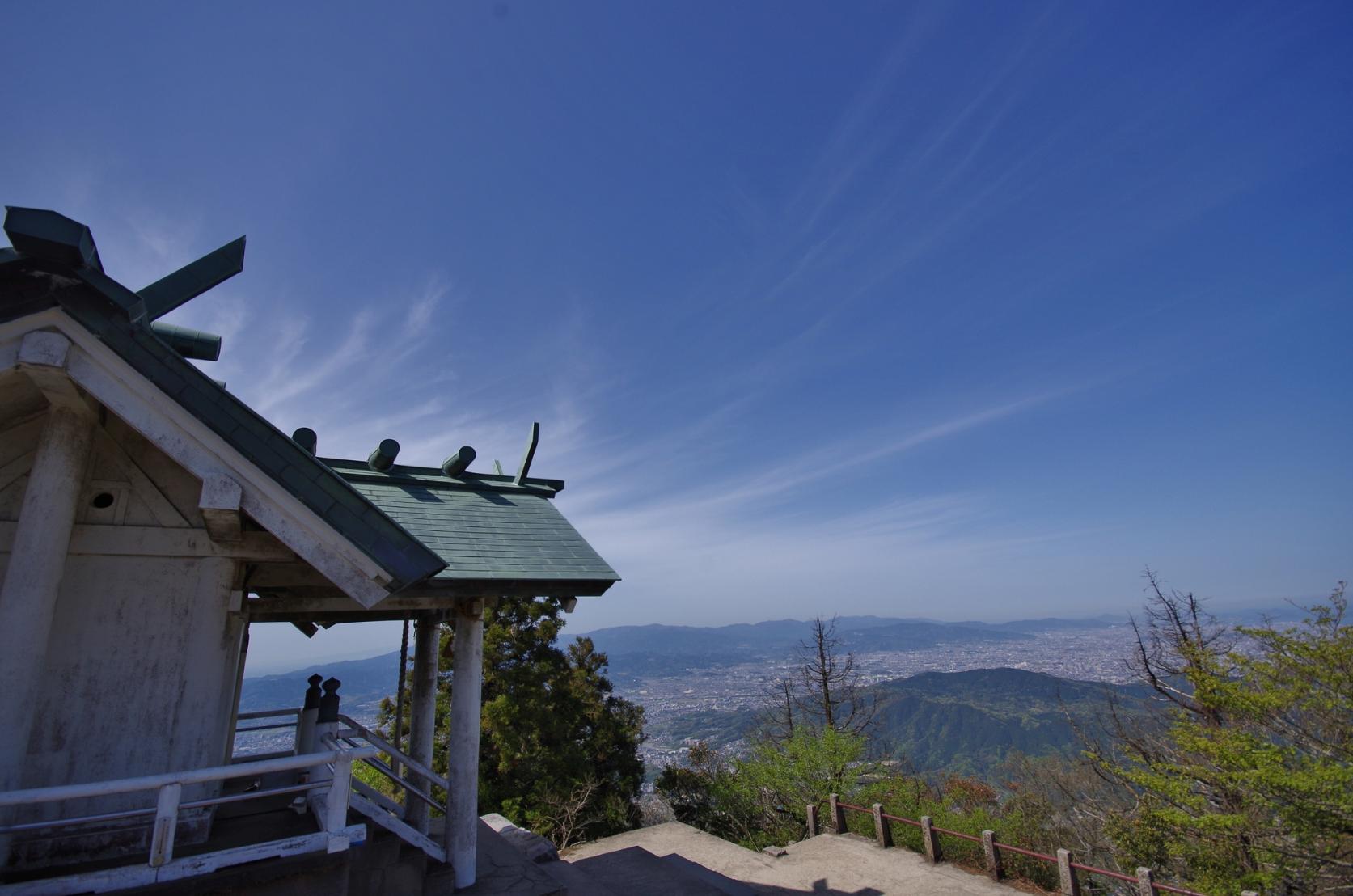
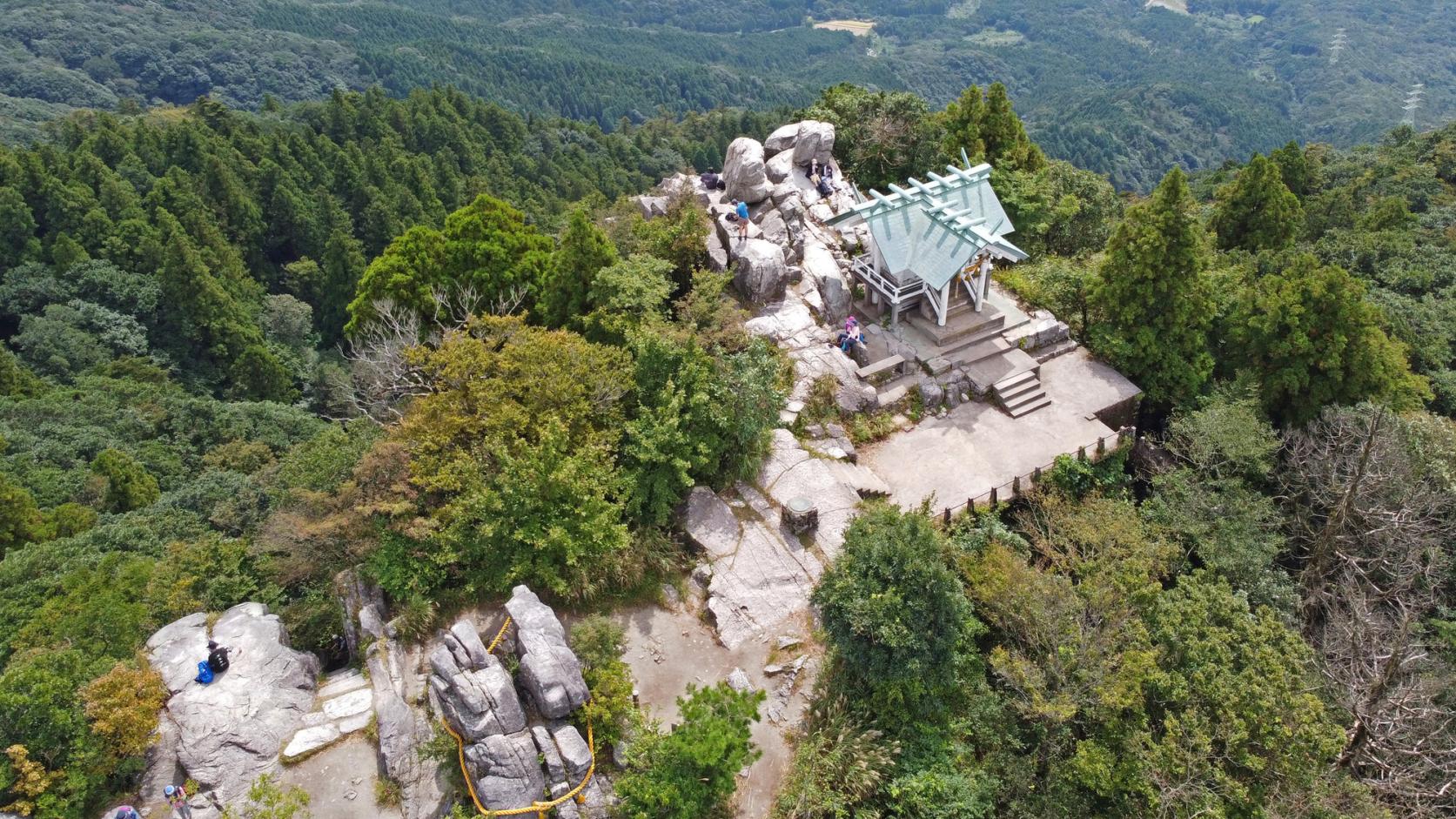
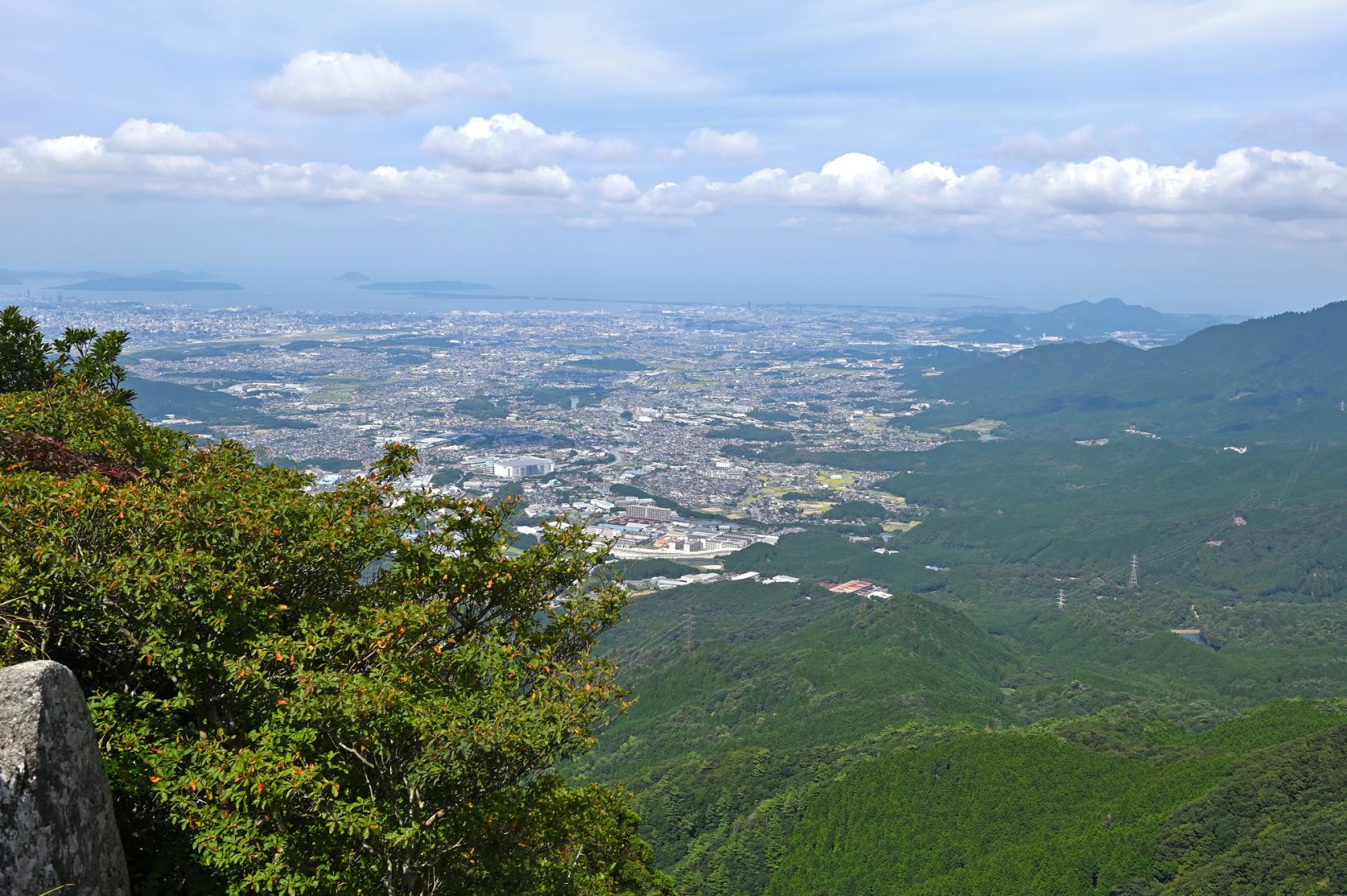
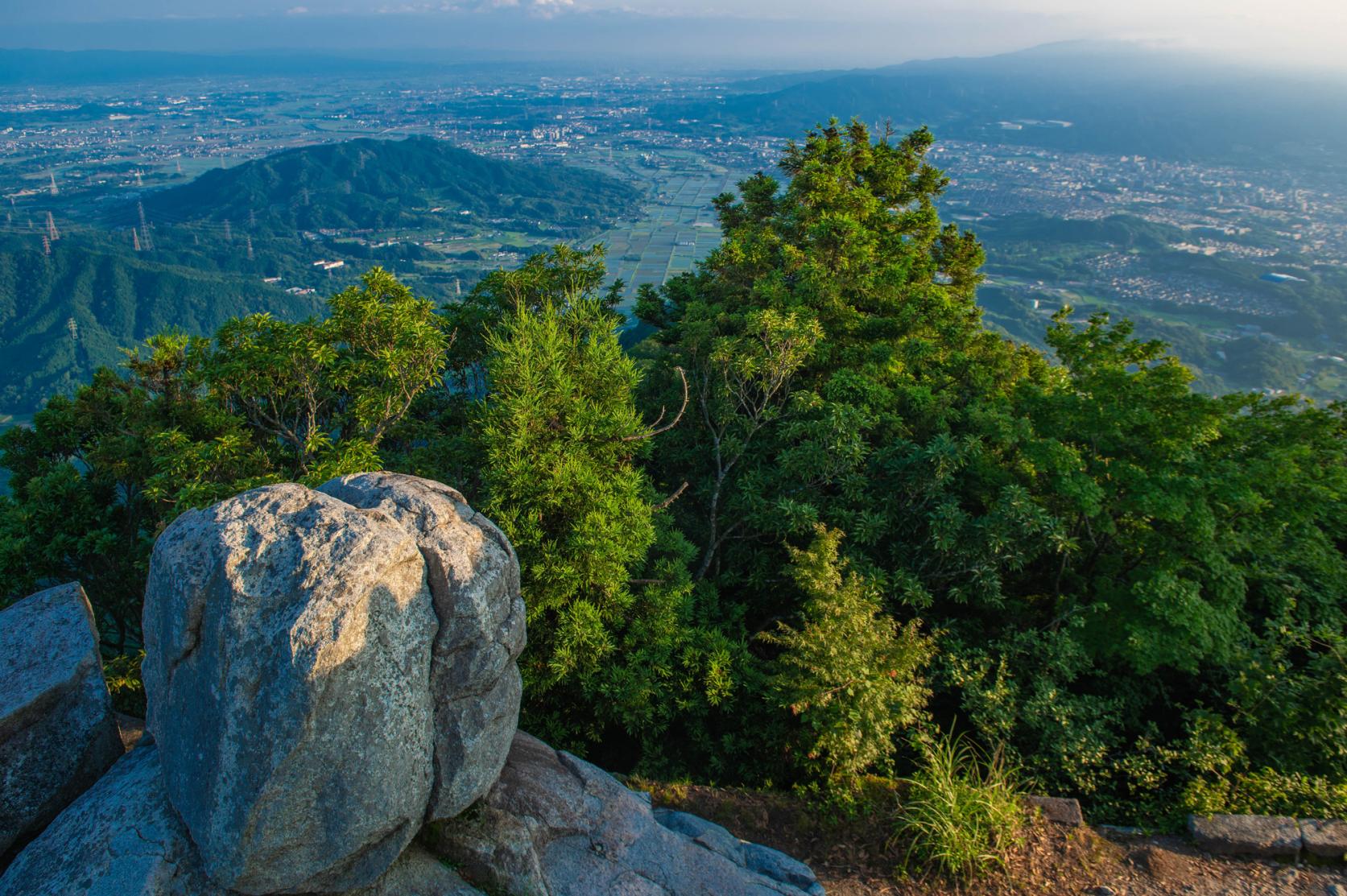
Mount Homan rises about 829 meters and straddles the cities of Dazaifu and Chikushino. Revered as a sacred peak since ancient times, it is a longstanding favorite with climbers. The scenery is beautiful in every season, with the springtime rhododendrons and autumn foliage being especially fine. The trail is well maintained, but proper gear is essential. There are steep gradients, chain-assisted rock sections, and a long stone staircase known as the Hyakudan Gangi. At the summit, the upper shrine of Homangu Kamado Shrine sits among huge boulders, and a panorama stretches out before you, offering views of the Fukuoka cityscape and, in the distance, the Genkai Sea.
Futsukaichi Onsen (Hot Springs)
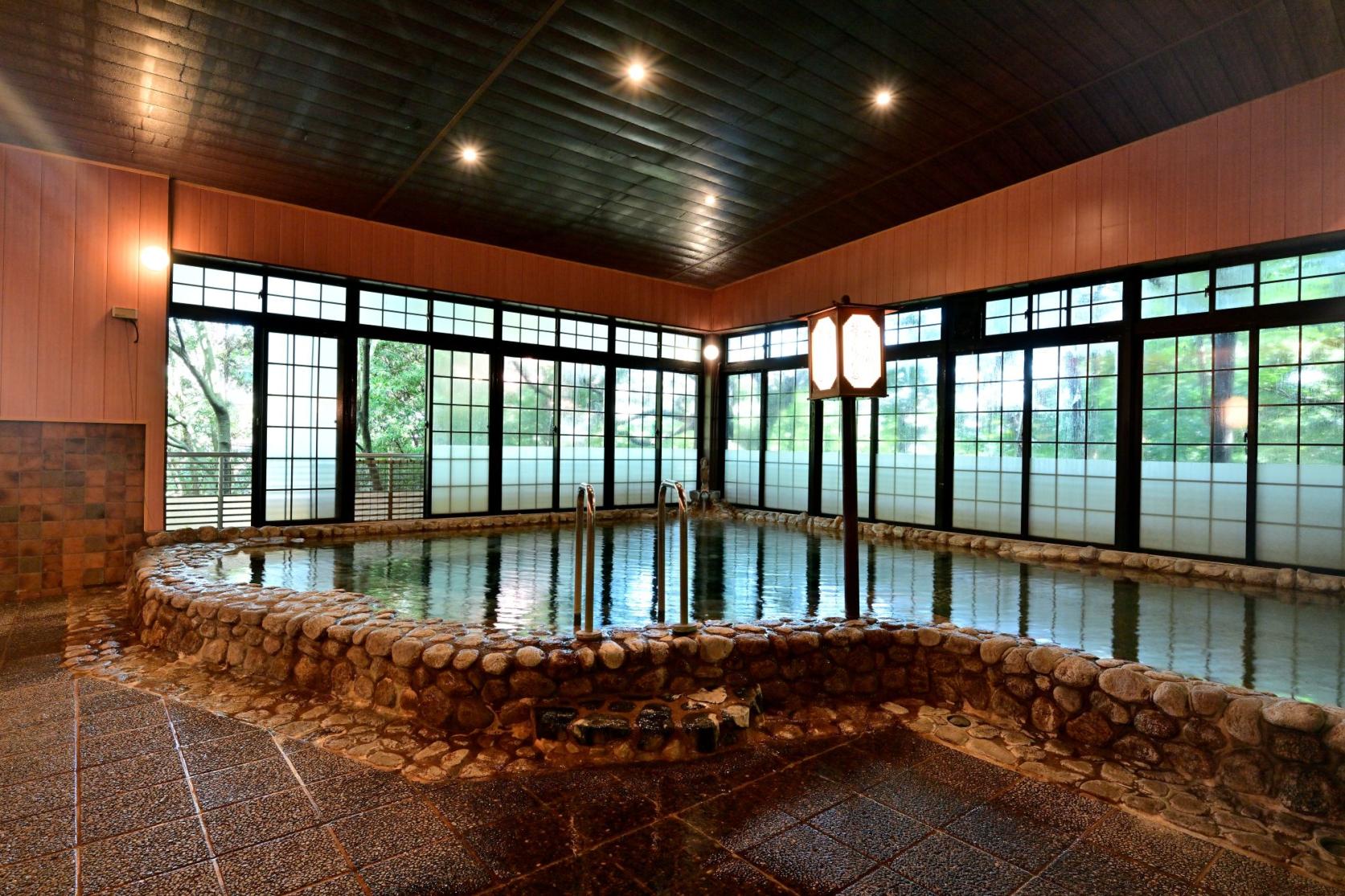
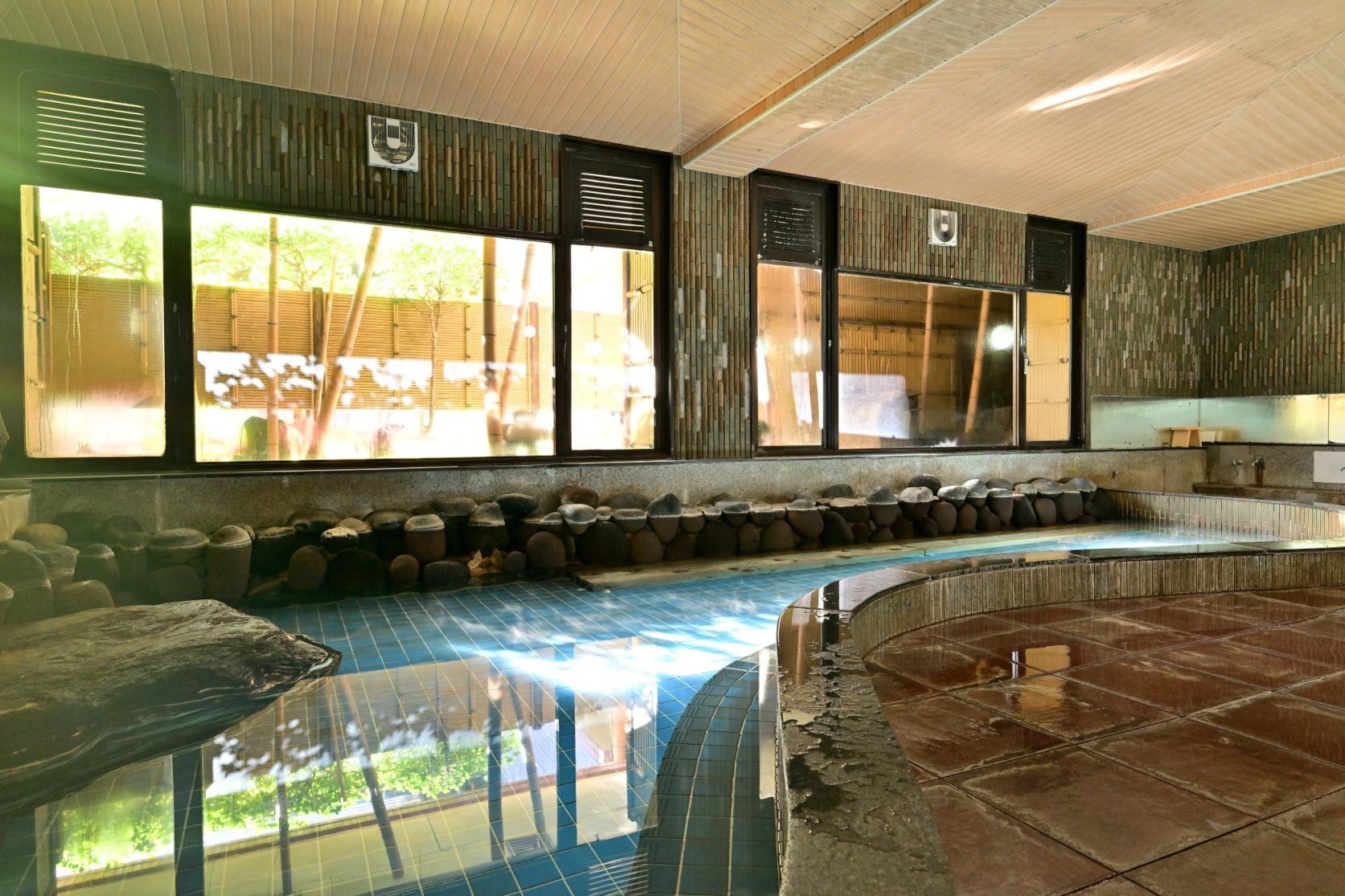
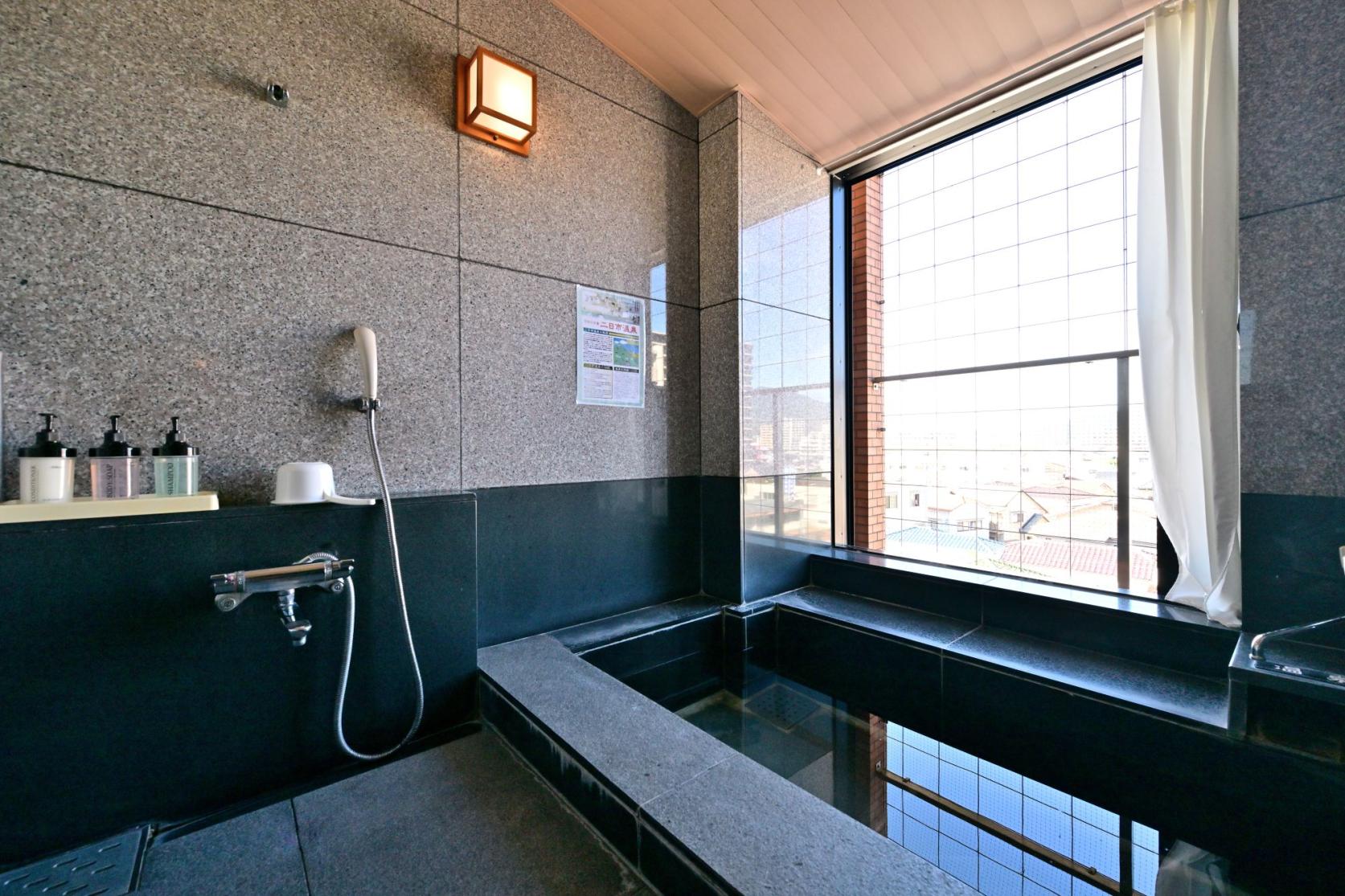
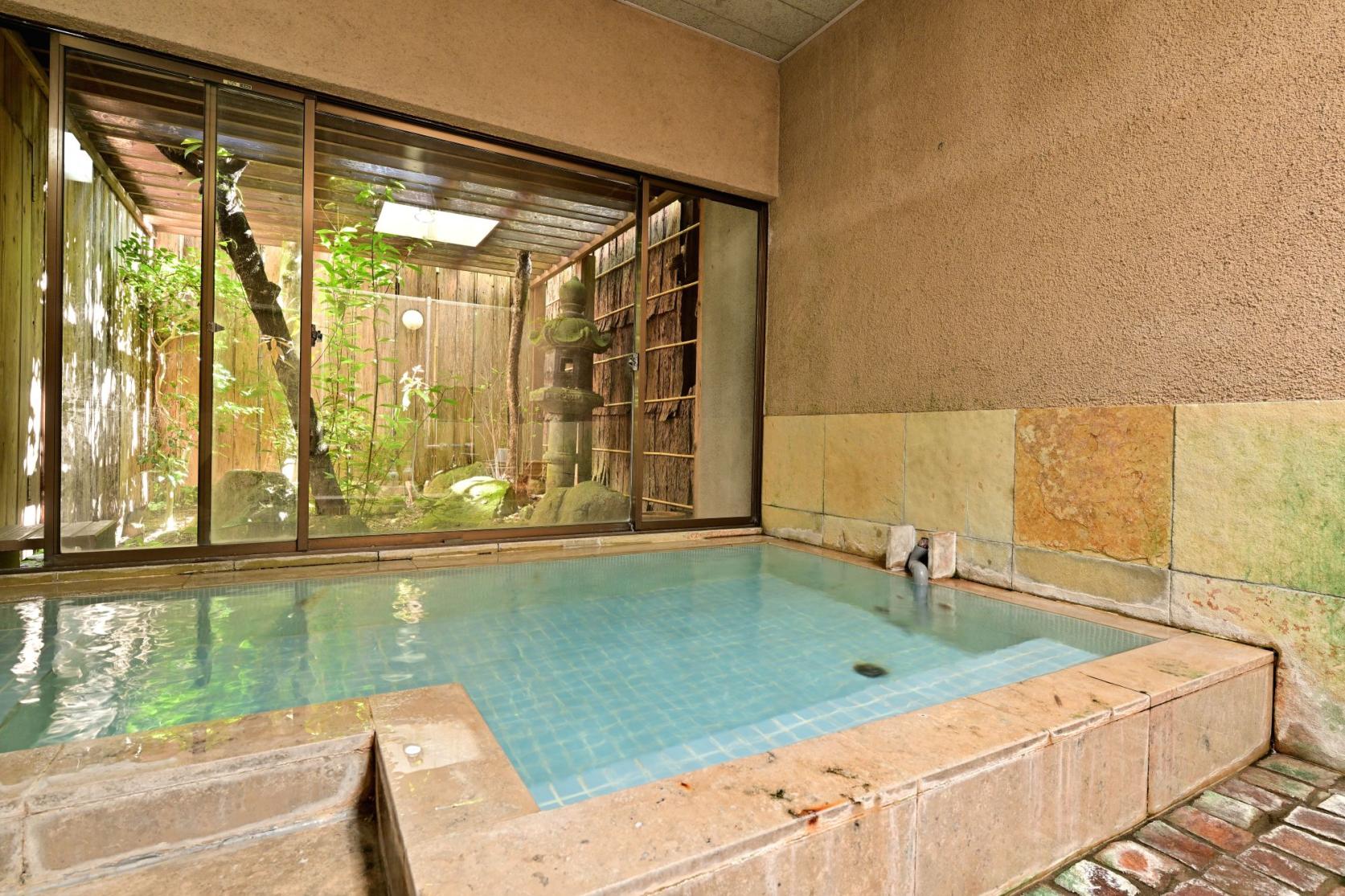
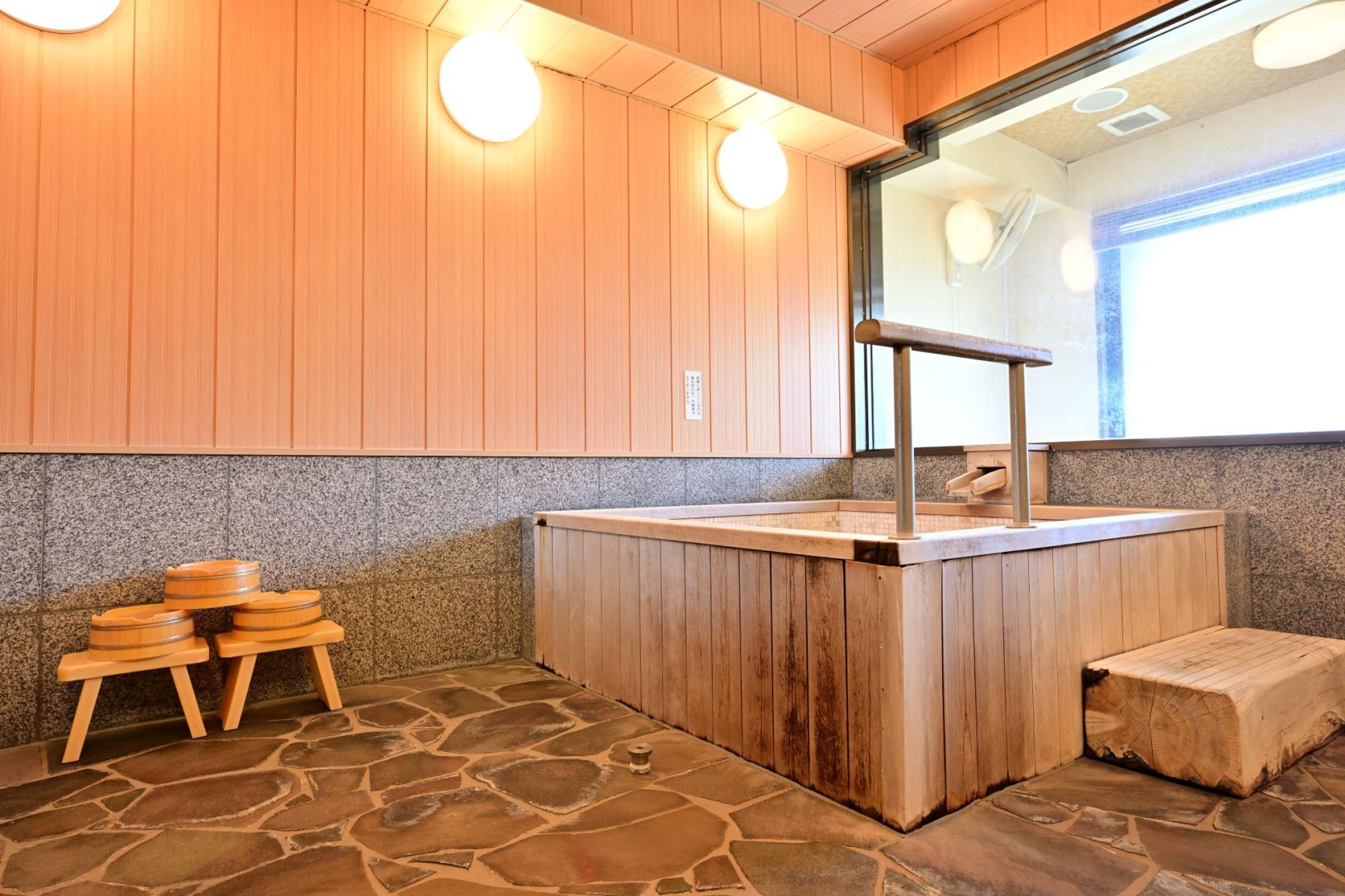
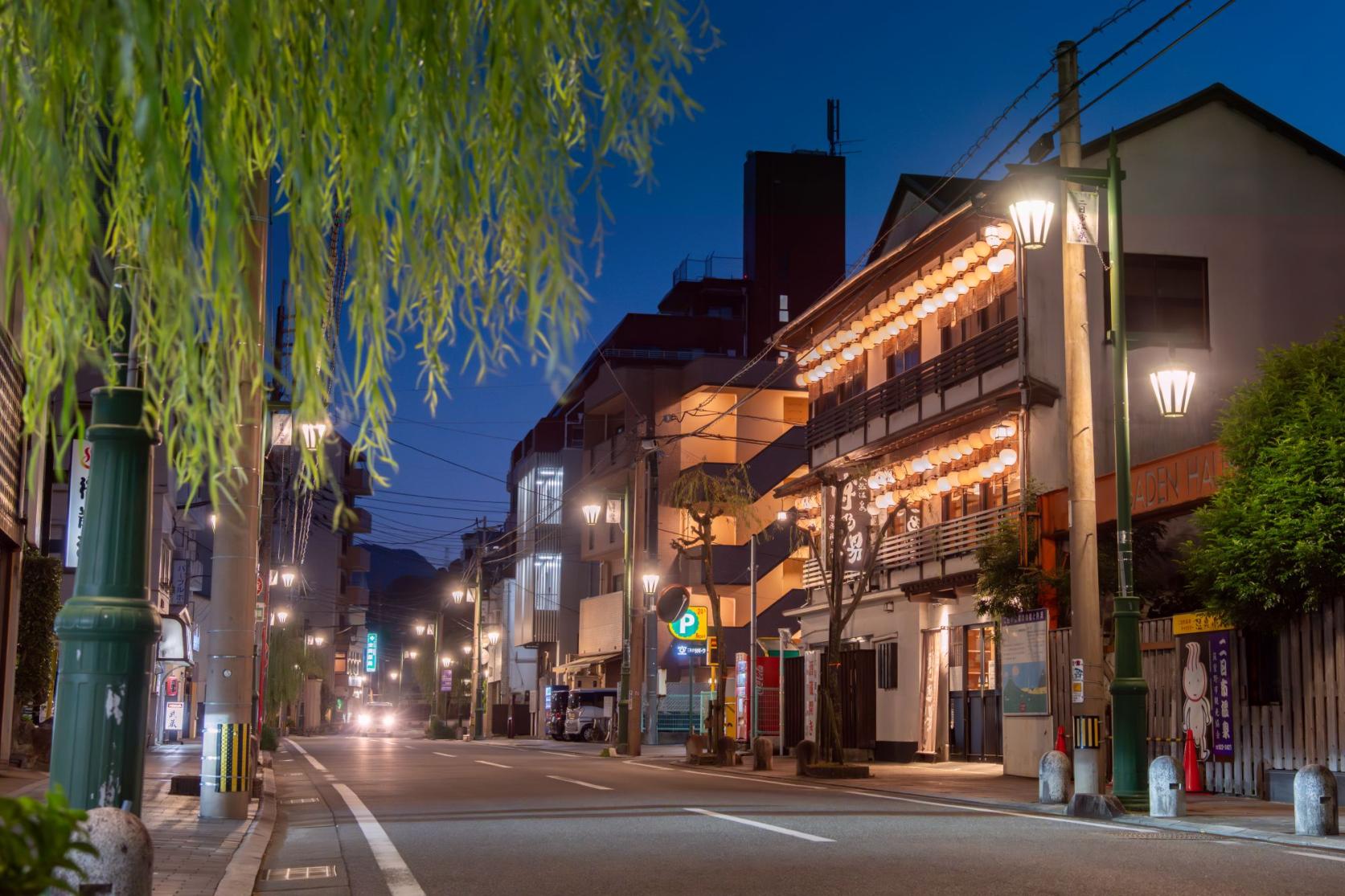
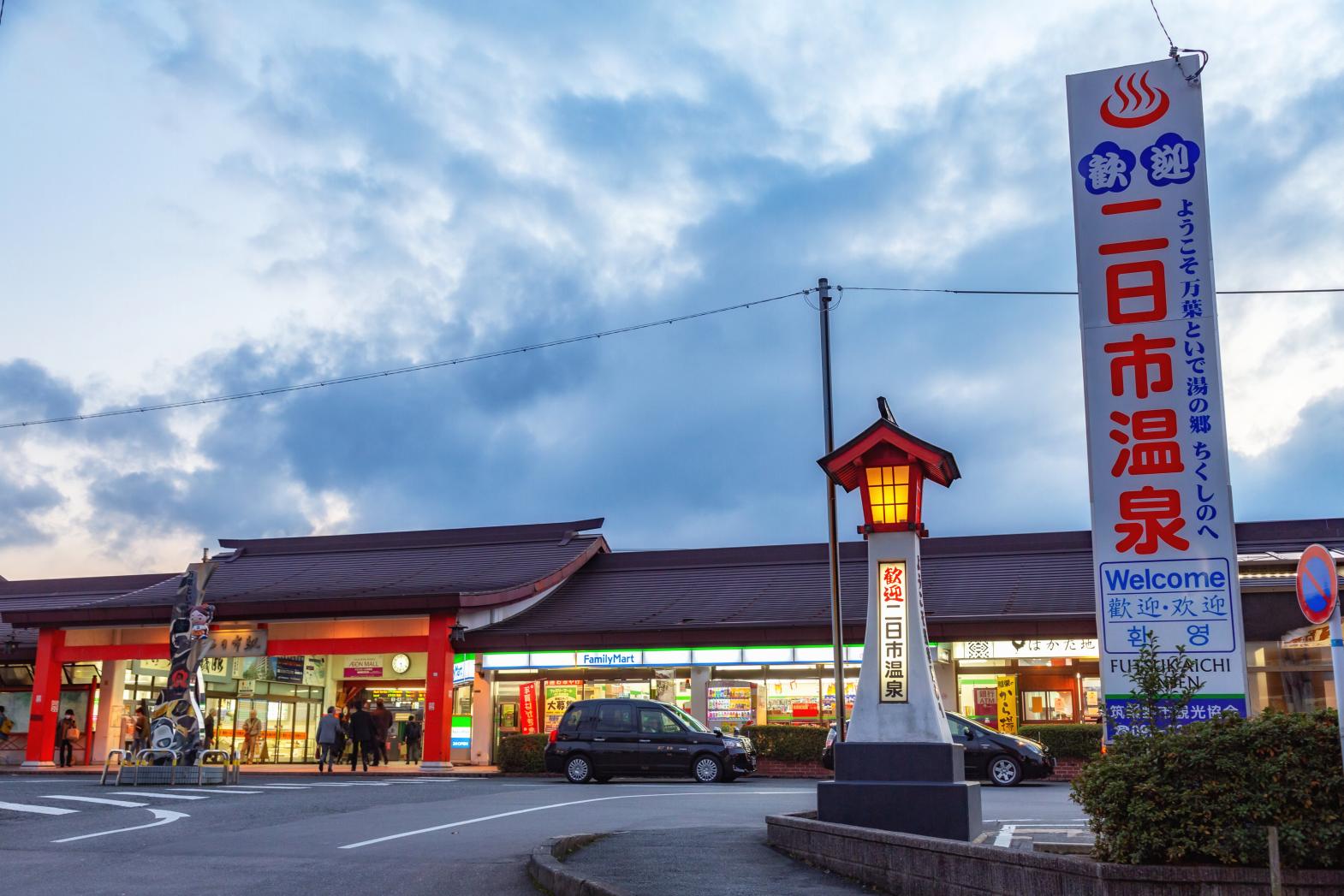
Futsukaichi Onsen is easy to reach, about 20 minutes by car from Mount Homan and a short walk from JR Futsukaichi Station. With more than 1,300 years of history, it is the oldest hot spring destination in Kyushu. It even appears in the Man’yoshu, Japan’s earliest poetry anthology. The soft, radon-rich water is a popular “beauty bath” that leaves the skin soft and moist. Public bathhouses and day-use facilities are open to visitors who aren’t staying the night, and some inns have baths you can reserve privately for a long, unhurried soak away from other eyes.
Recommended Stops along the Way
-
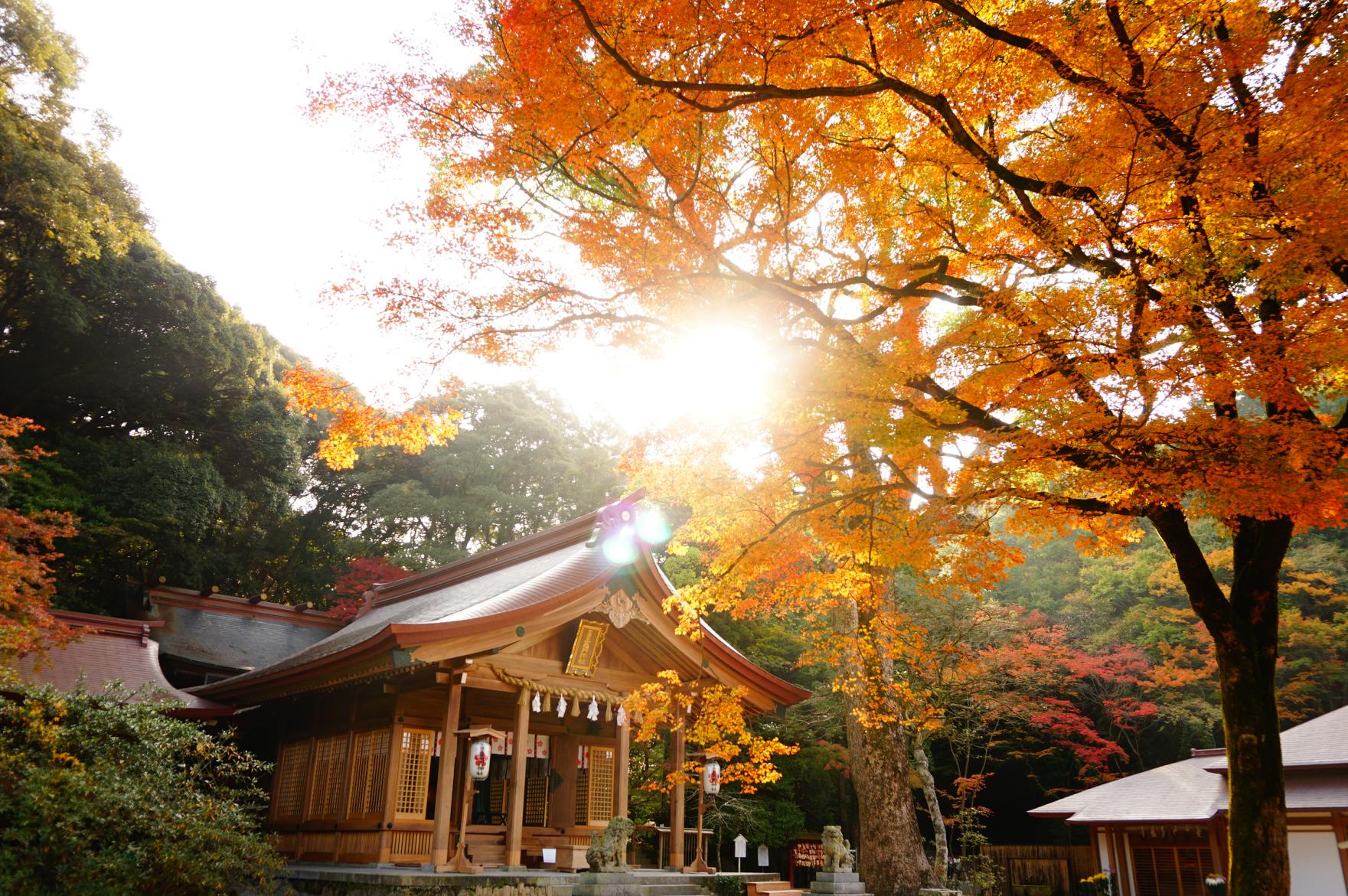
Homangu Kamado Shrine
View moreThis ancient shrine at the Mount Homan trailhead was founded more than 1,350 years ago. The enshrined deity is cherished as a matchmaker who brings good fortune in relationships, and the grounds are known for their cherry blossoms and autumn colors.
-
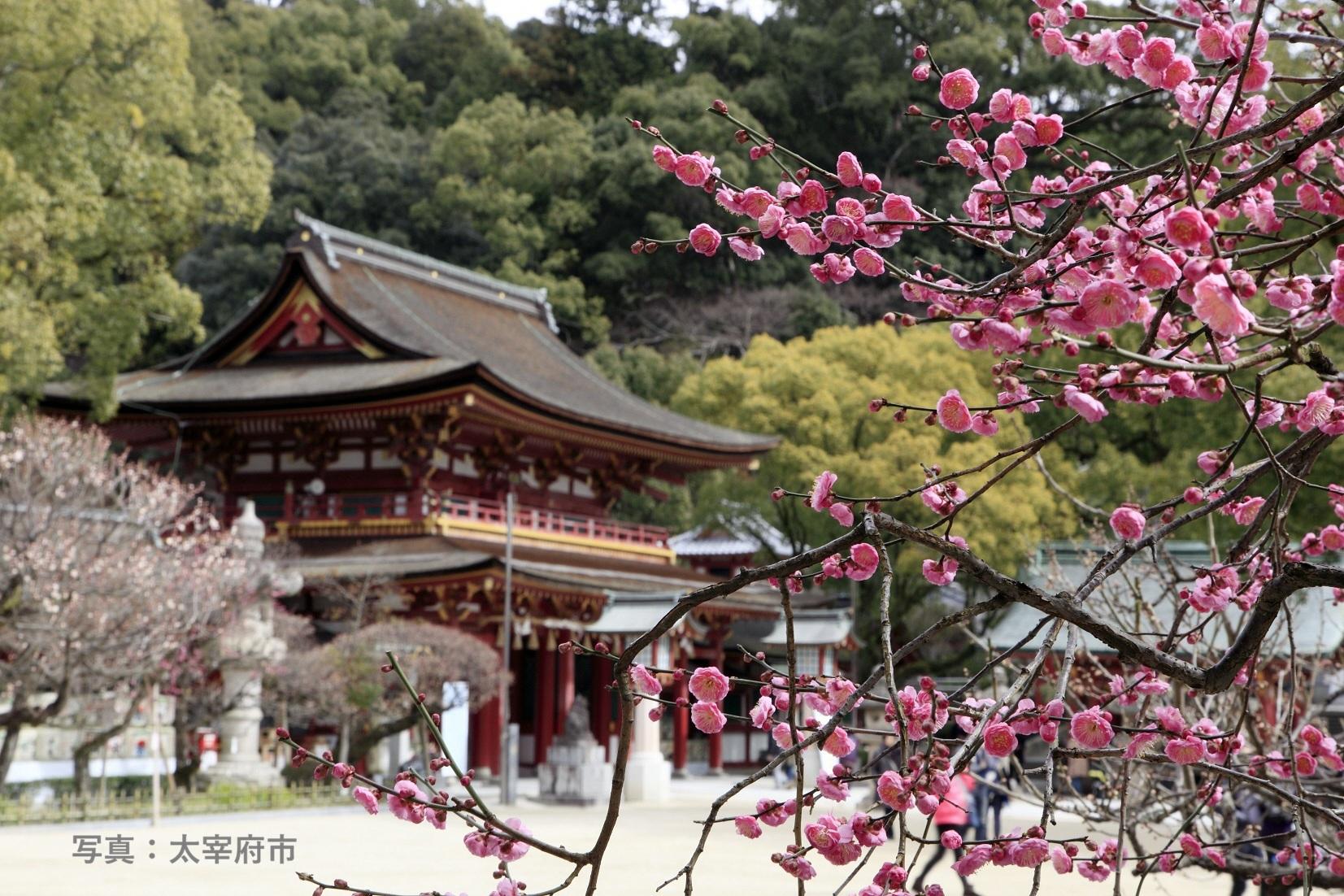
Dazaifu Tenmangu Shrine
View moreThis is the head shrine of all Tenmangu shrines in Japan, dedicated to Sugawara no Michizane, a ninth-century scholar and statesman venerated as the deity of learning. With over 1,100 years of history, Dazaifu Tenmangu is one of the largest shrines in Kyushu, and its grounds bloom with seasonal flowers, from plum blossoms to irises, throughout the year.
-
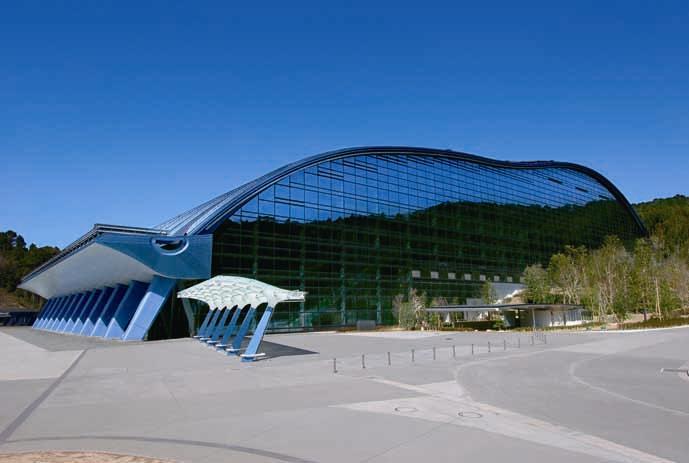
Kyushu National Museum
View moreLocated near Dazaifu Tenmangu, this was the fourth national museum to open in Japan. Its exhibits trace how Japanese culture took shape through interactions and exchange with the rest of Asia. The building itself, a modern structure of glass walls and graceful curves, is part of the museum’s appeal.
2. Mino Mountain Range (Mount Kora) & Harazuru Onsen
Breathtaking Ridge Walks and Waters Renowned for the Skin
Mino Mountain Range (Mount Kora)
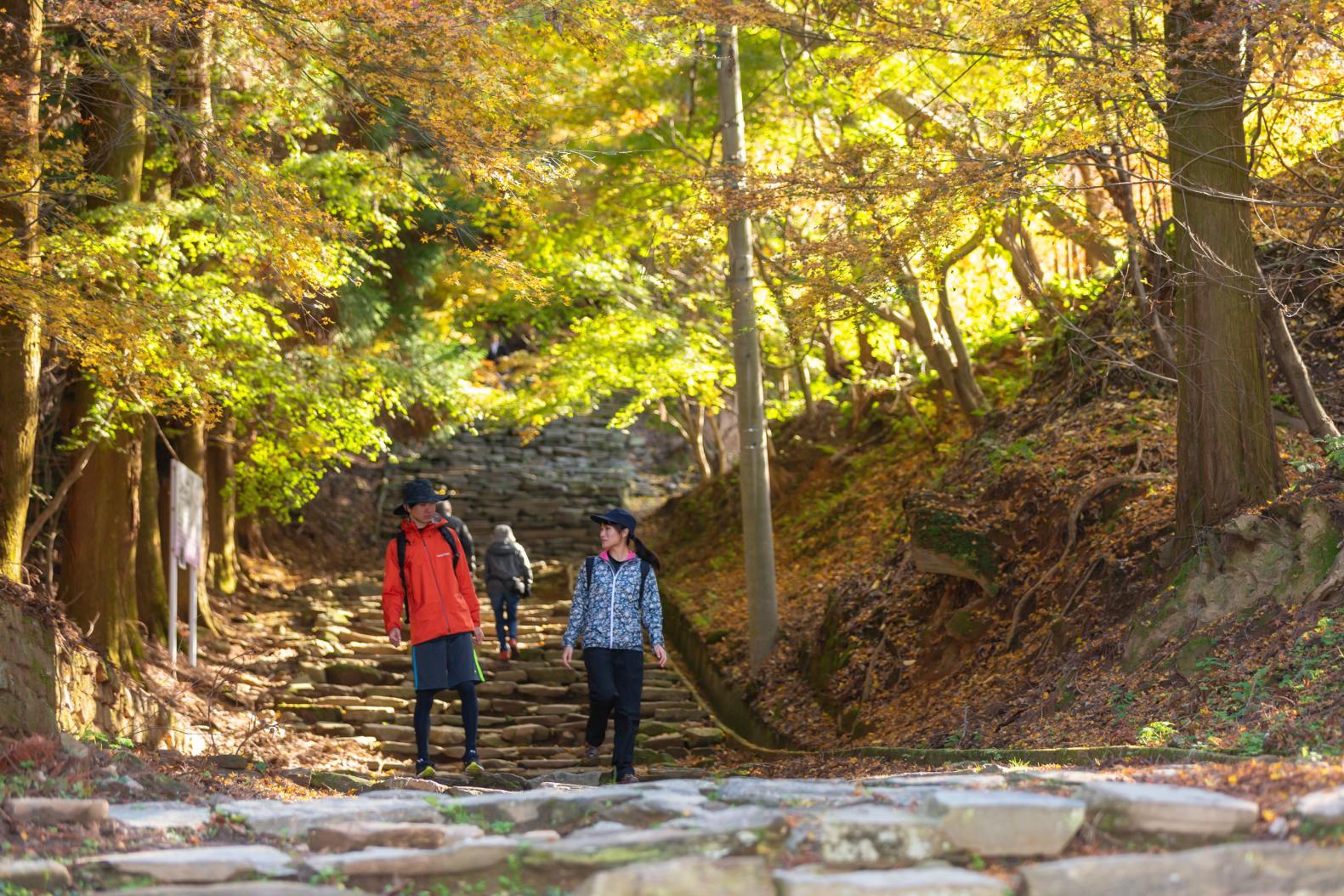
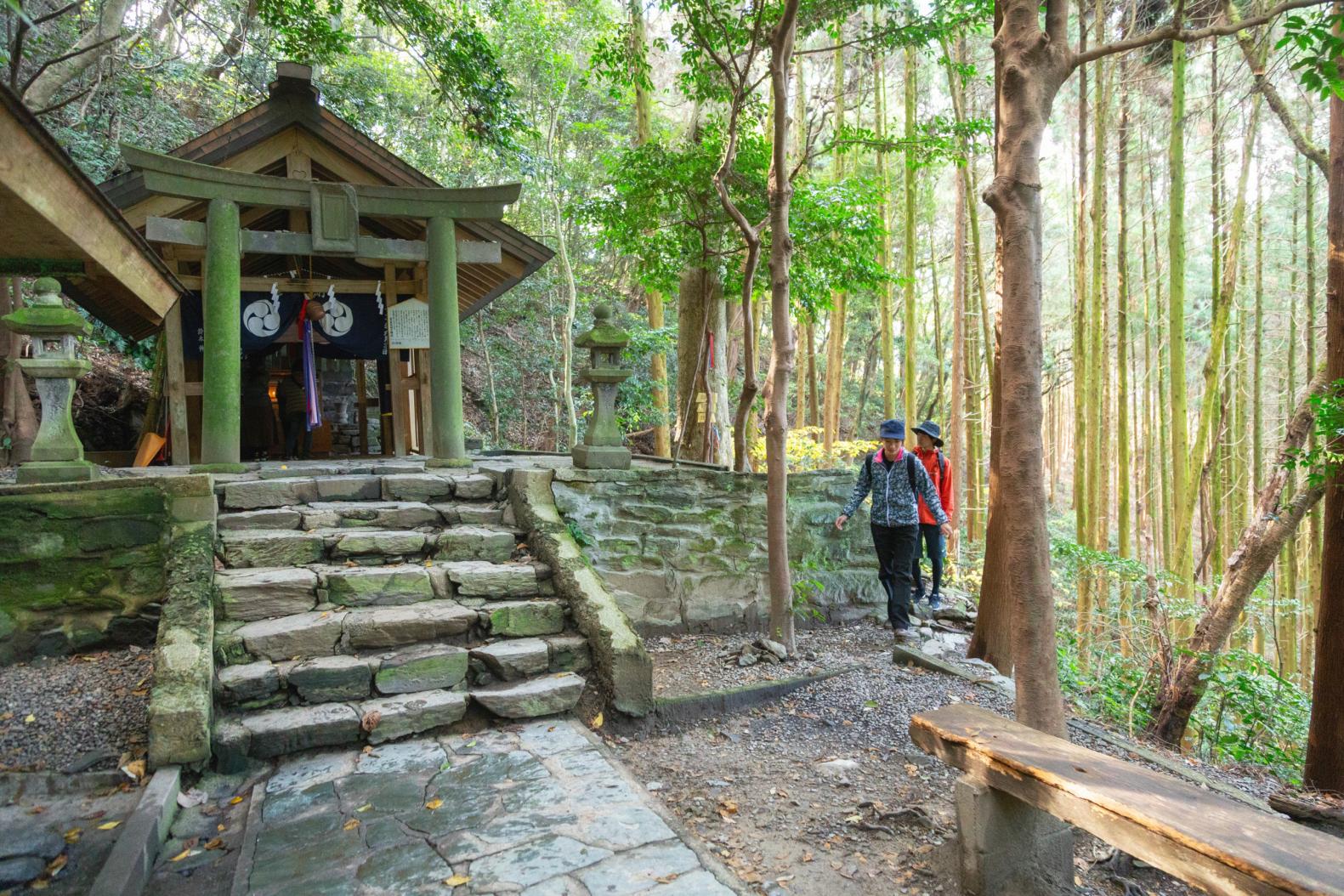
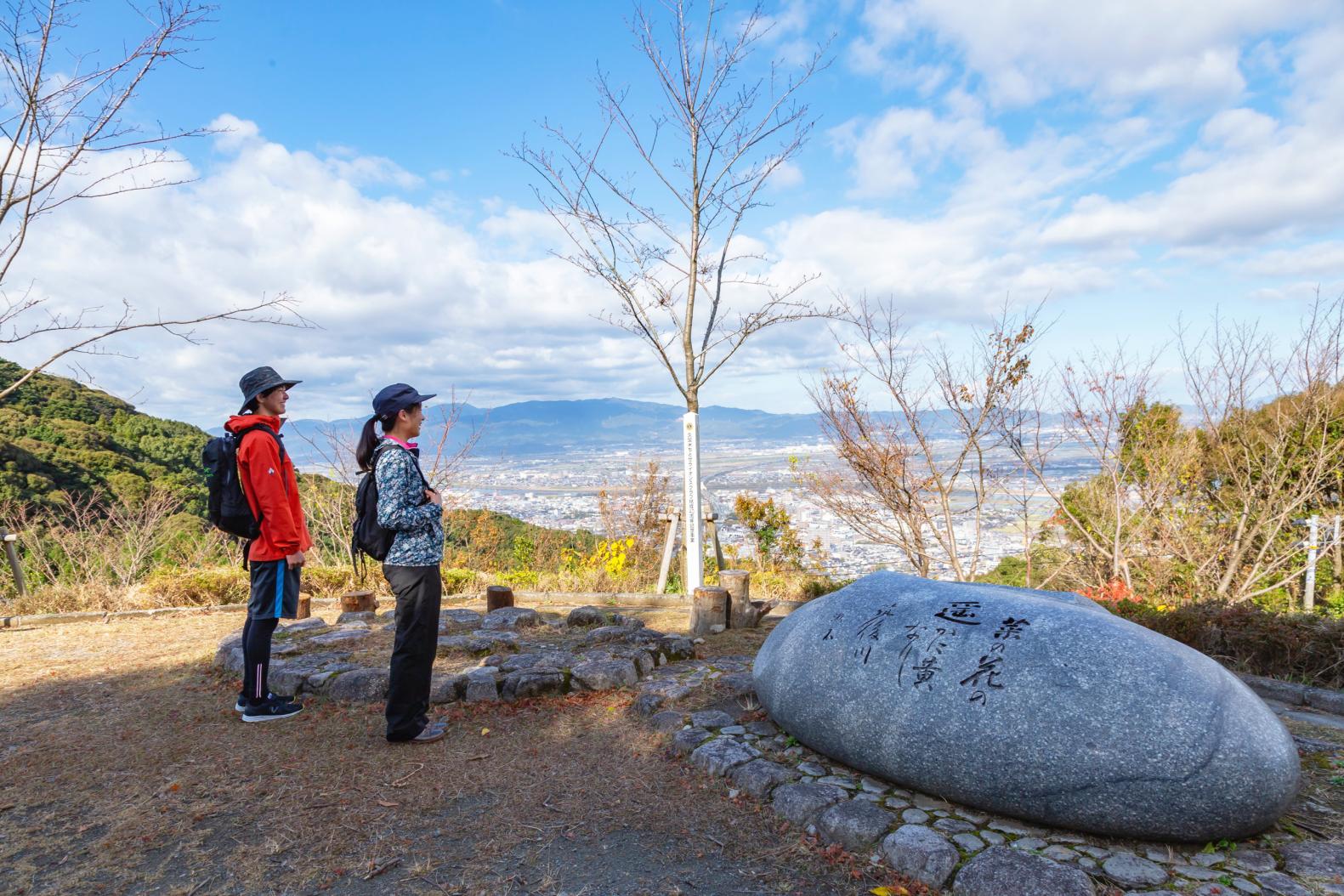
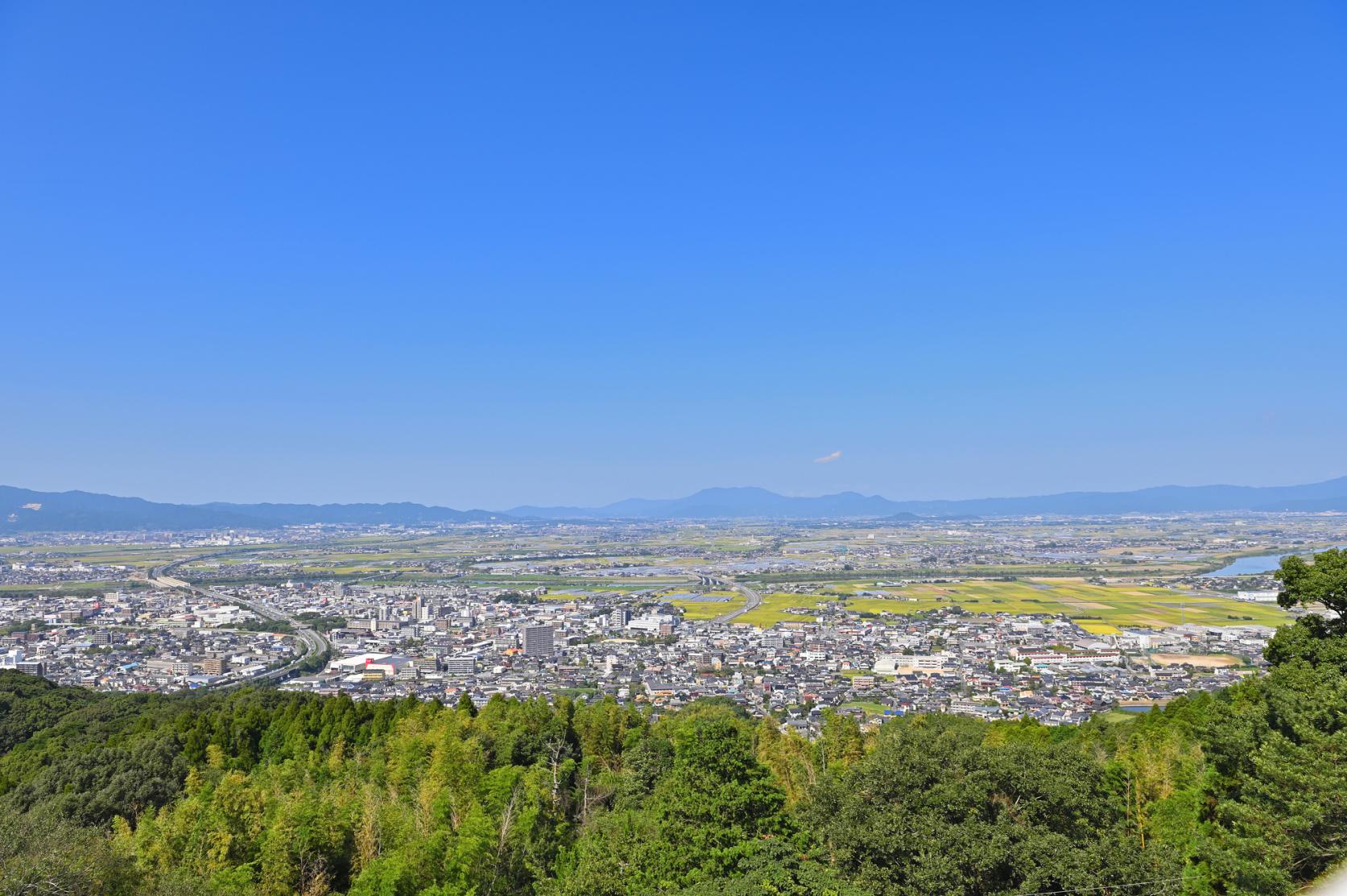
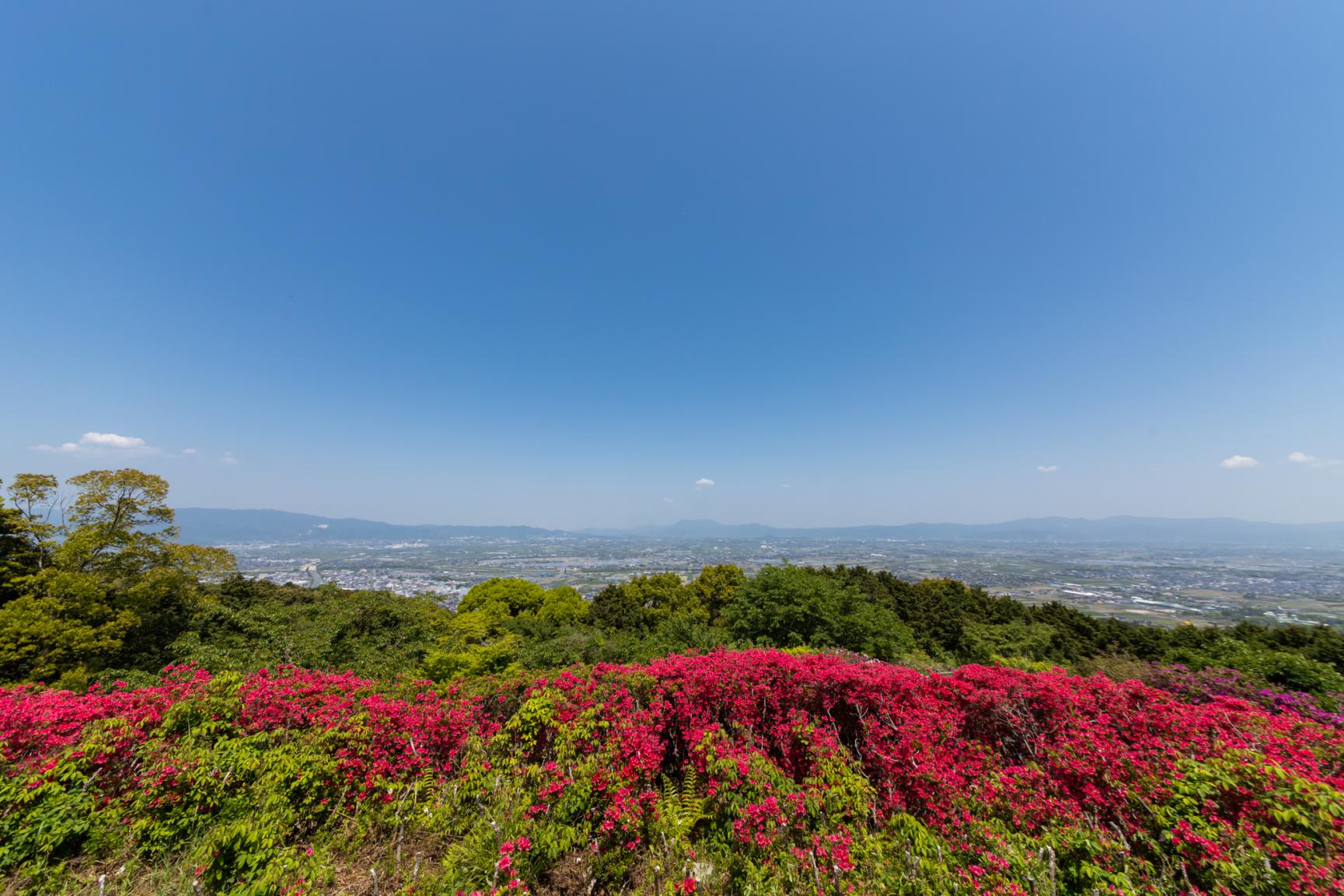
Shaped like a folding screen, the Mino mountain range runs some 30 kilometers east to west along the Chikugo River. At its western end is Mount Kora, about 312 meters high and long revered as a mountain of prayer. A hiking course takes you by Kora Taisha Shrine and other historical sites, while offering sweeping views over the Chikugo Plain. The seasons also put on a fine show, with cherry blossoms and azaleas in spring, hydrangeas in early summer, and colored leaves in autumn. If you’re in good shape, carry on along the ridge to the neighboring peaks.
Harazuru Onsen
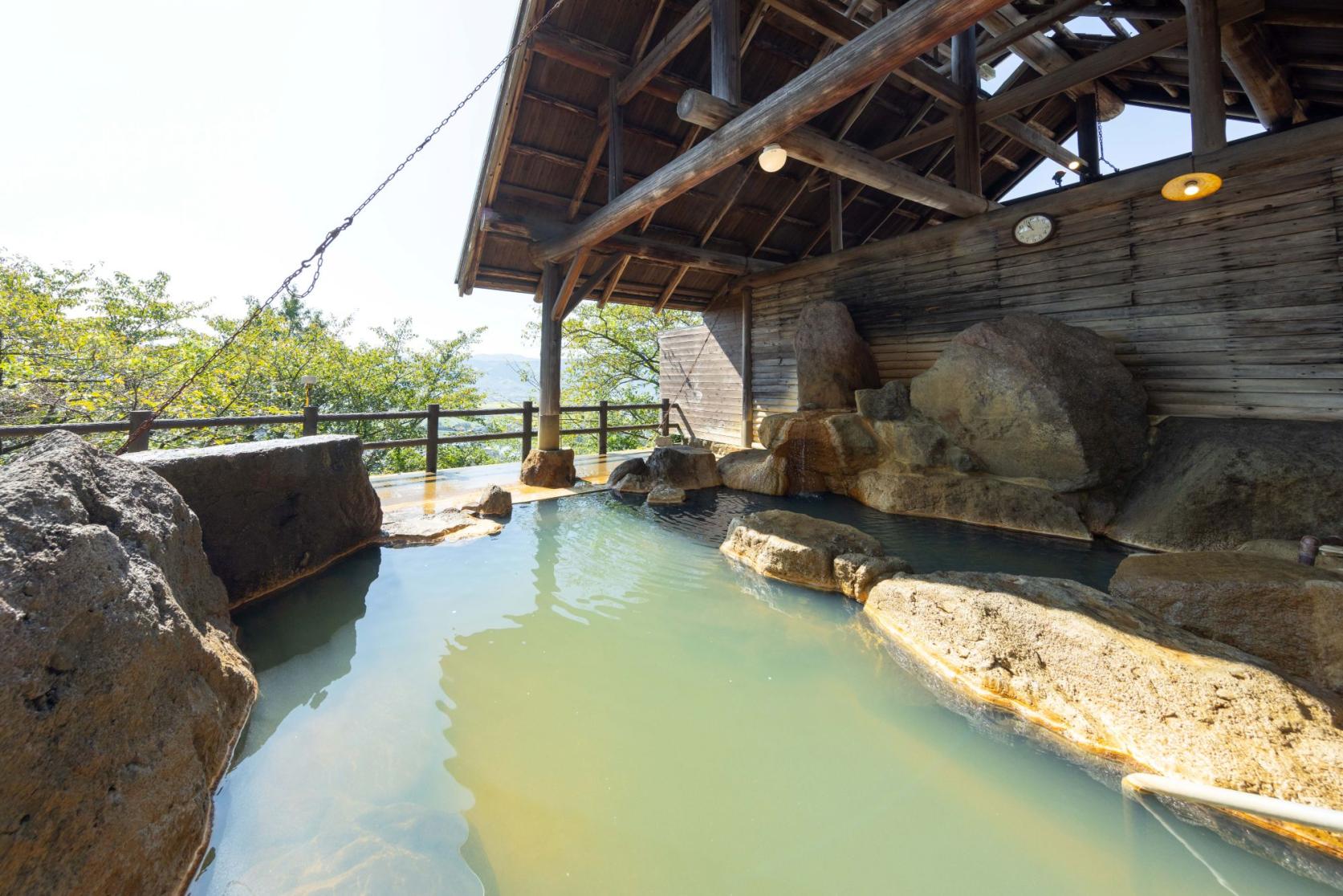
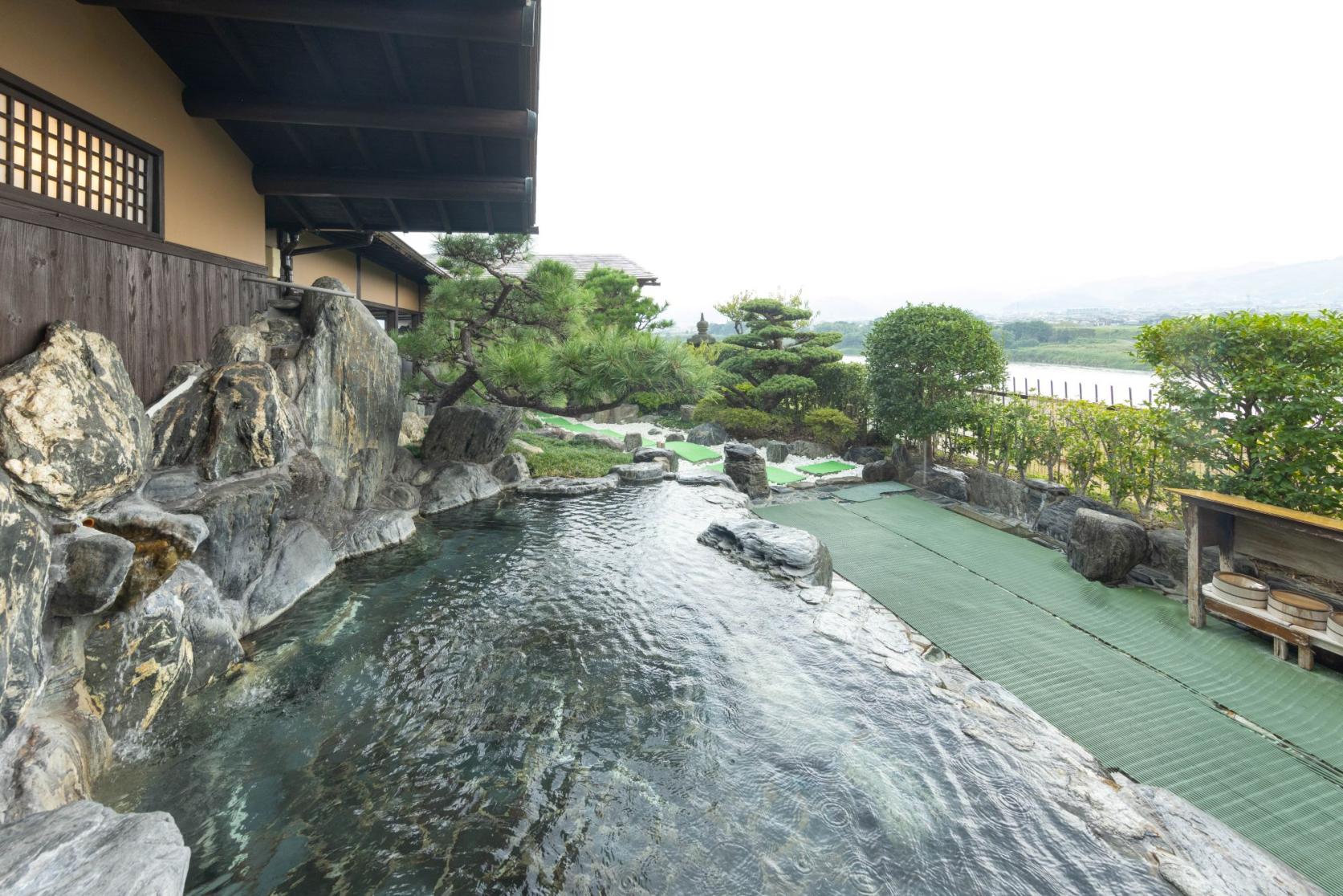
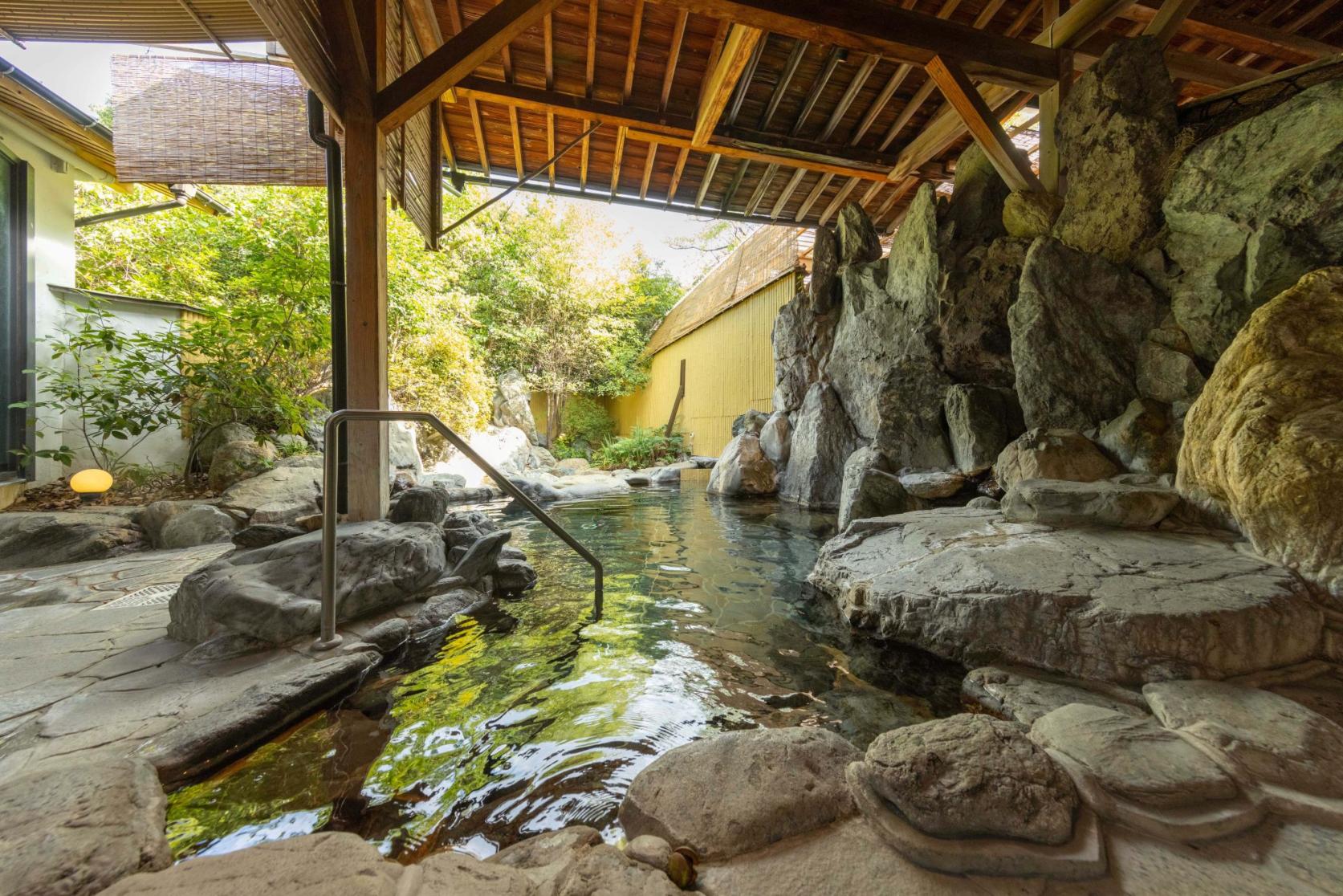
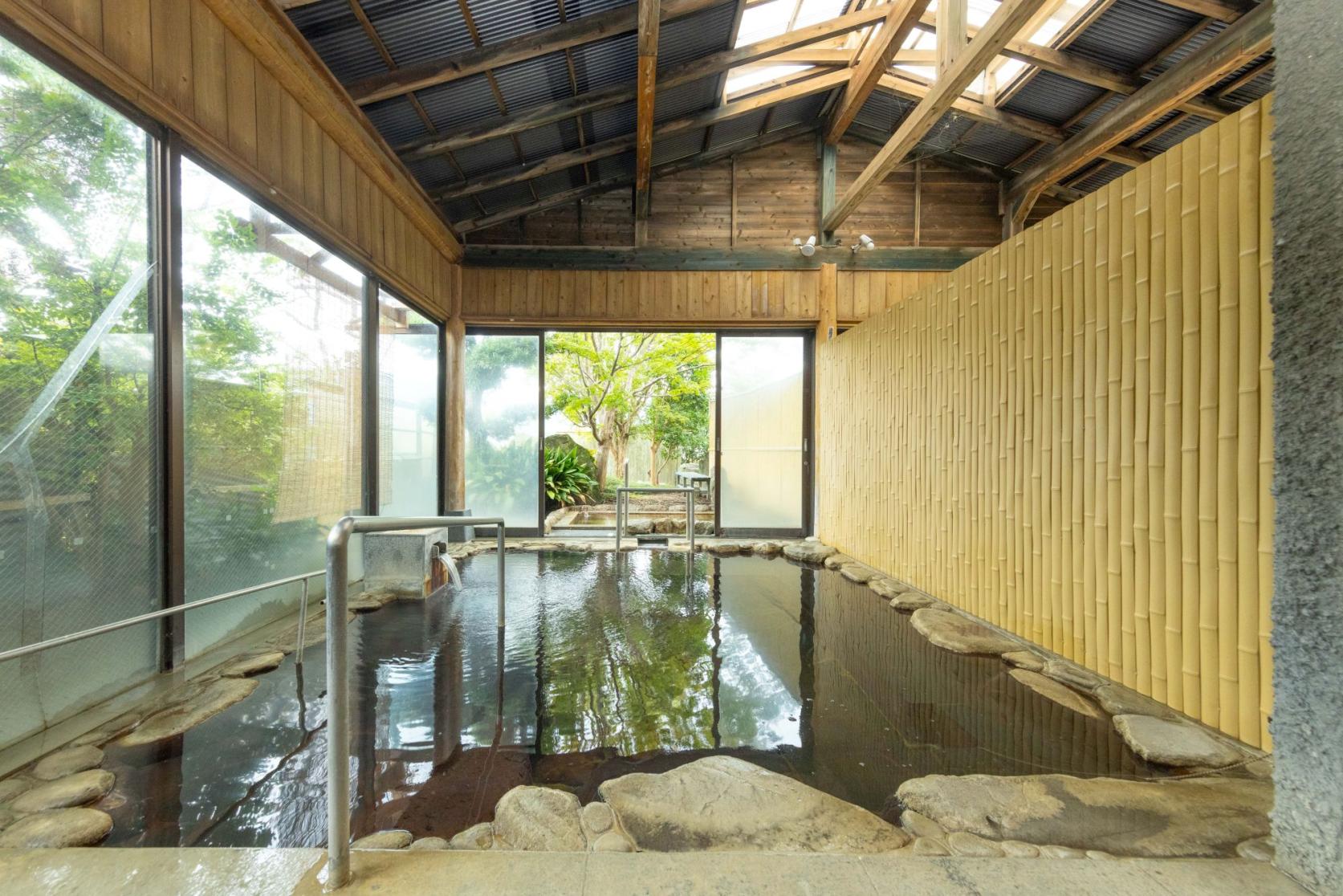
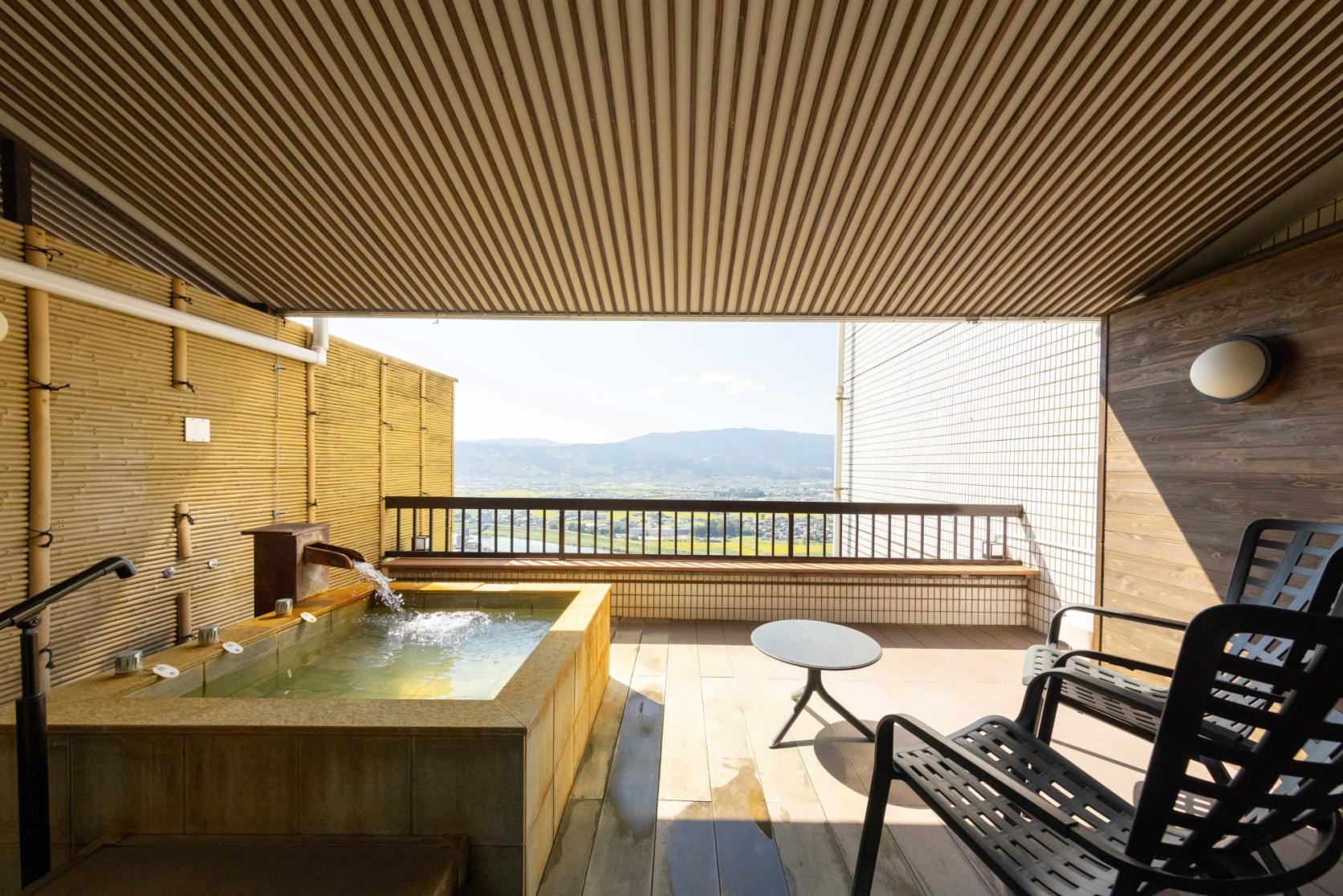
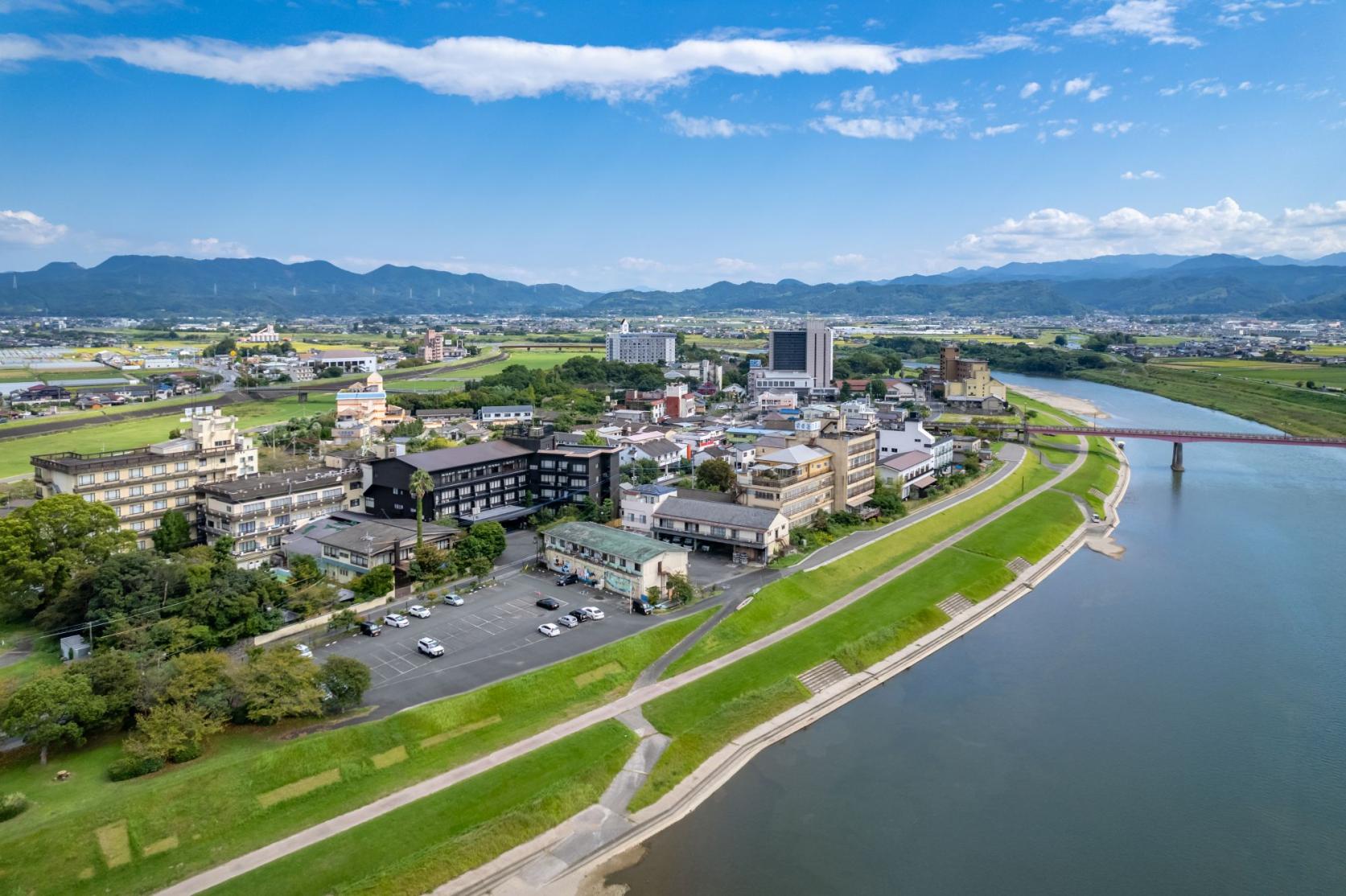
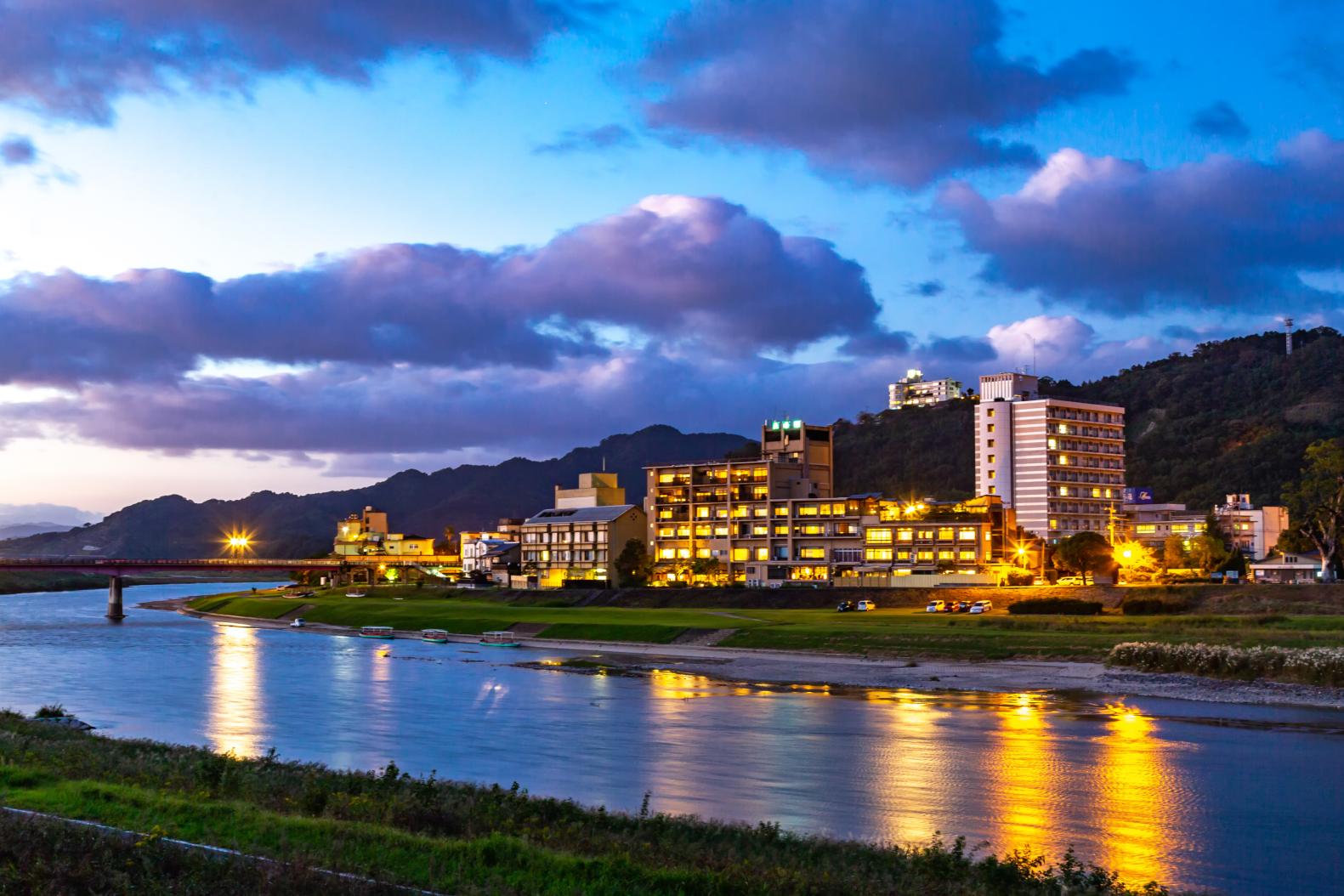
Harazuru Onsen sits on the bank of the Chikugo River, and the area is known for its summer cormorant fishing, in which trained birds catch fish for their handlers. Unusually, Harazuru Onsen has two types of water, a mildly alkaline simple spring and a sulfur spring, and it is fondly known as a “double beauty bath” as a result. Inns line the local streets, and a number of them open their baths to day visitors, so you can enjoy the waters without staying overnight. Many have family baths or rooms with their own open-air tub, ideal for easing away the fatigue of hiking Mount Kora.
Recommended Stops along the Way
-
Kora Taisha Shrine
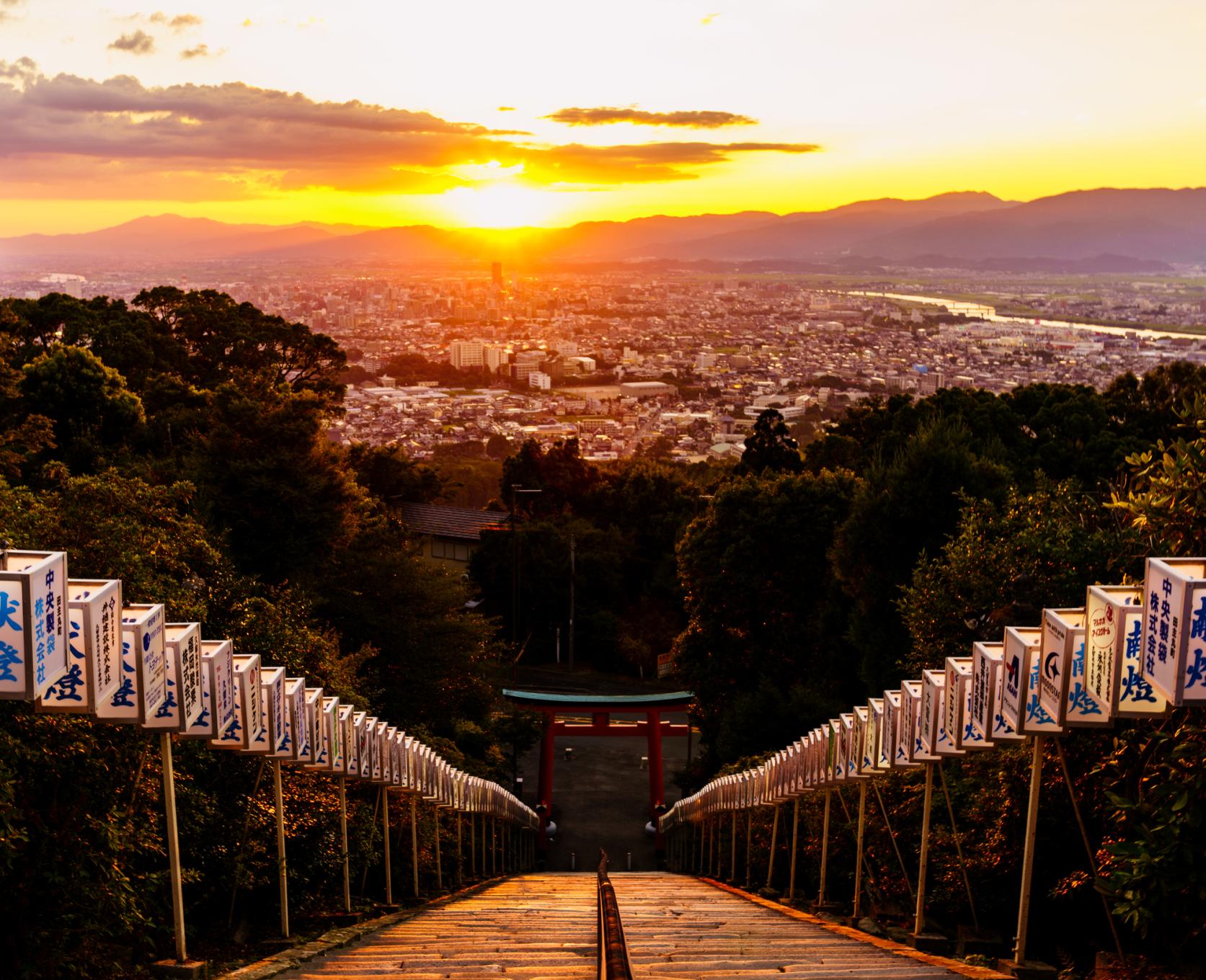
View moreWith more than 1,600 years of history, this is the chief shrine of the old province of Chikugo. The main hall, built early in the Edo period (1603–1868), is the largest shrine building in Kyushu and a National Important Cultural Property. Looking out from the grounds, the broad Chikugo Plain stretches far into the distance.
-
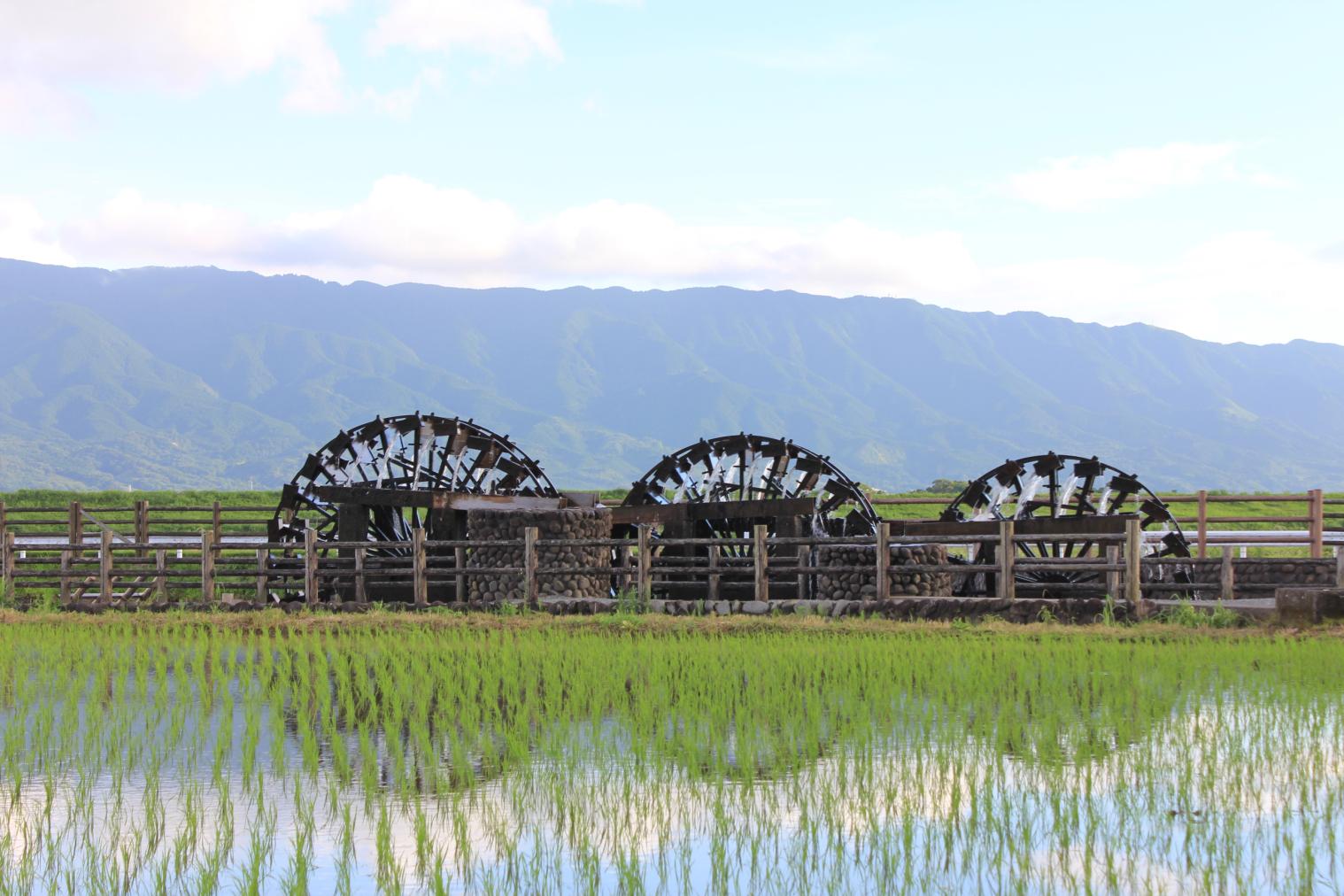
Triple Water Wheel
View moreBuilt over 230 years ago, these large wheels are the oldest still turning anywhere in Japan. From mid-June to early October, you can see them vigorously drawing water from the Chikugo River—a classic sign of summer in Asakura.
-
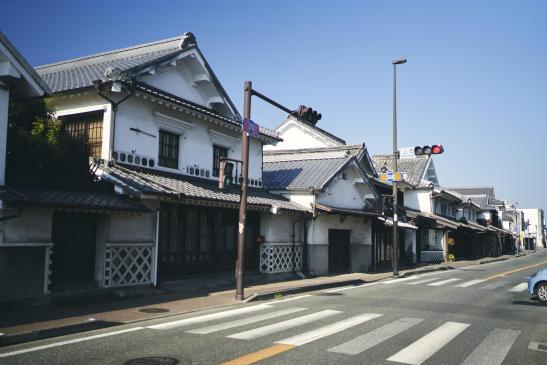
White Wall “Dozo Dzukuri” Construction Style
View moreThis post station town flourished in the Edo period, and the white-walled streets built to guard against fire still stand. Wander among some 250 old houses, temples, and shrines, and soak in the town’s history.
Column
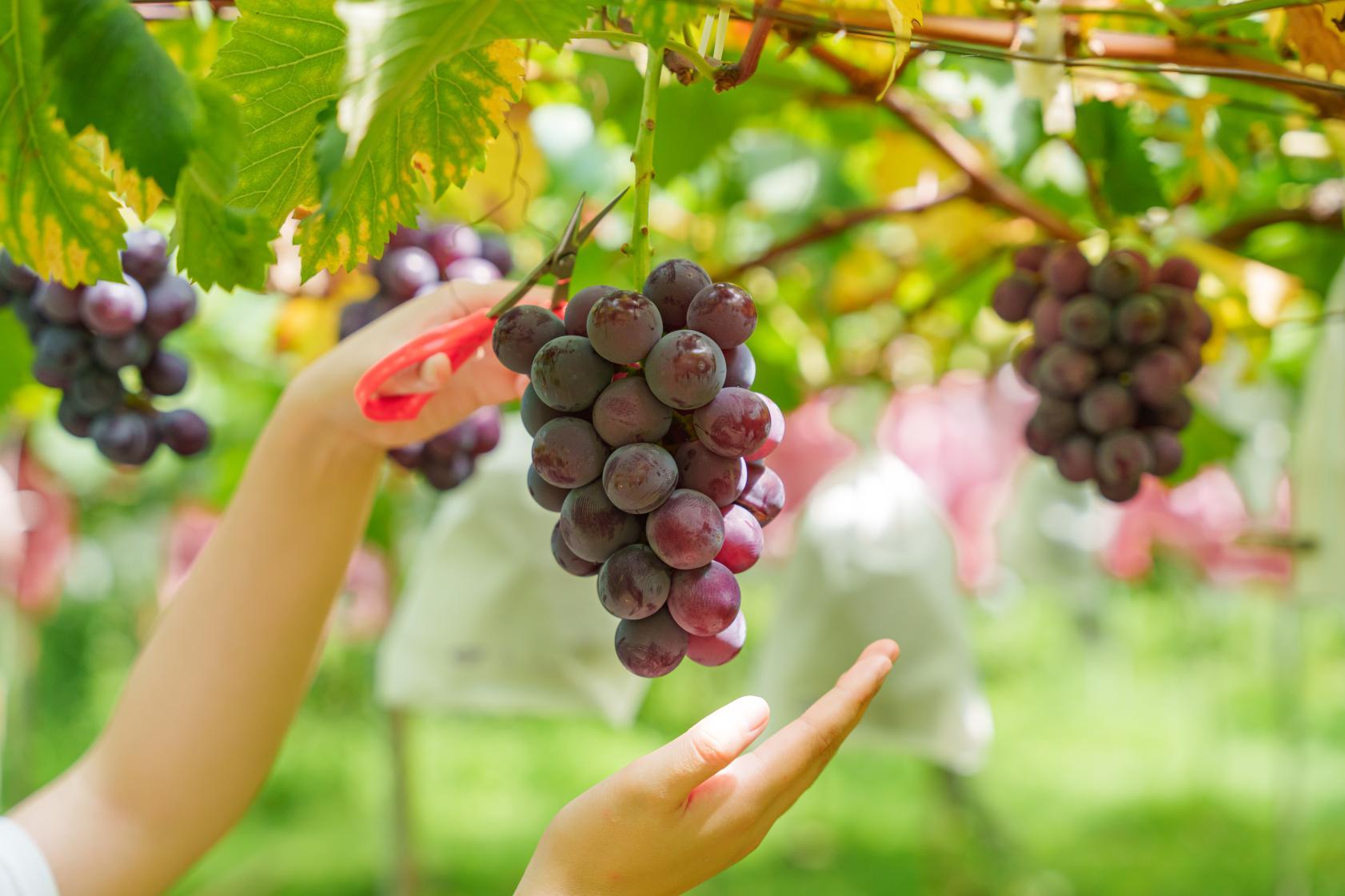
Try a Little Fruit Picking!
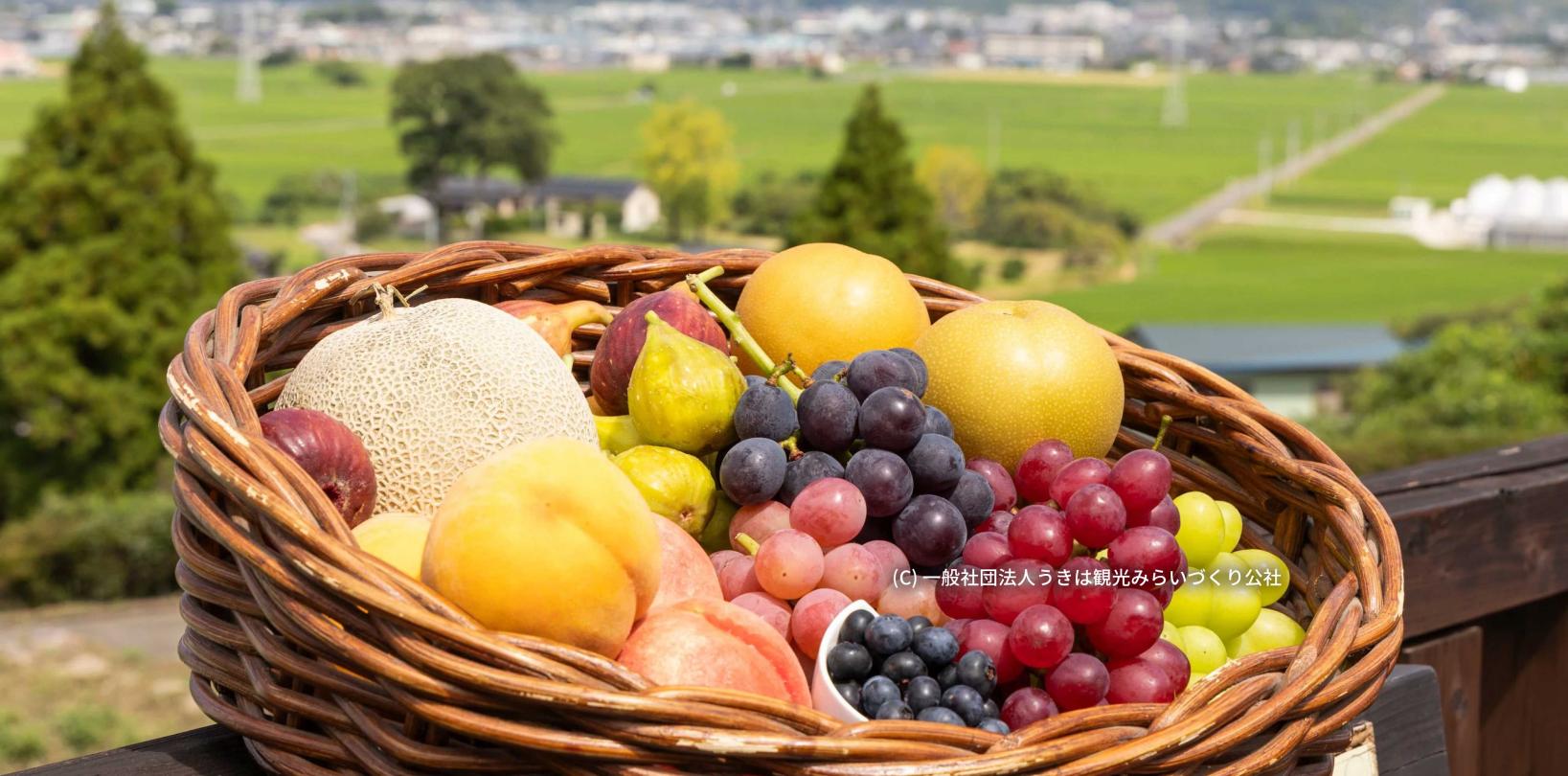
Kurume and Ukiha are among the prefecture’s leading fruit-growing areas. Nourished by the fertile land around the Mino mountain range, orchards here run picking sessions almost year-round. Fruit eaten straight from the tree is especially sweet, and just the thing for recovering after a hike. Try the desserts too, made generously with whatever is in season.
View more3. Mount Hiko & Hikosan Onsen
A Sacred Site of Mountain Asceticism, with Springs at Its Foot
Mount Hiko
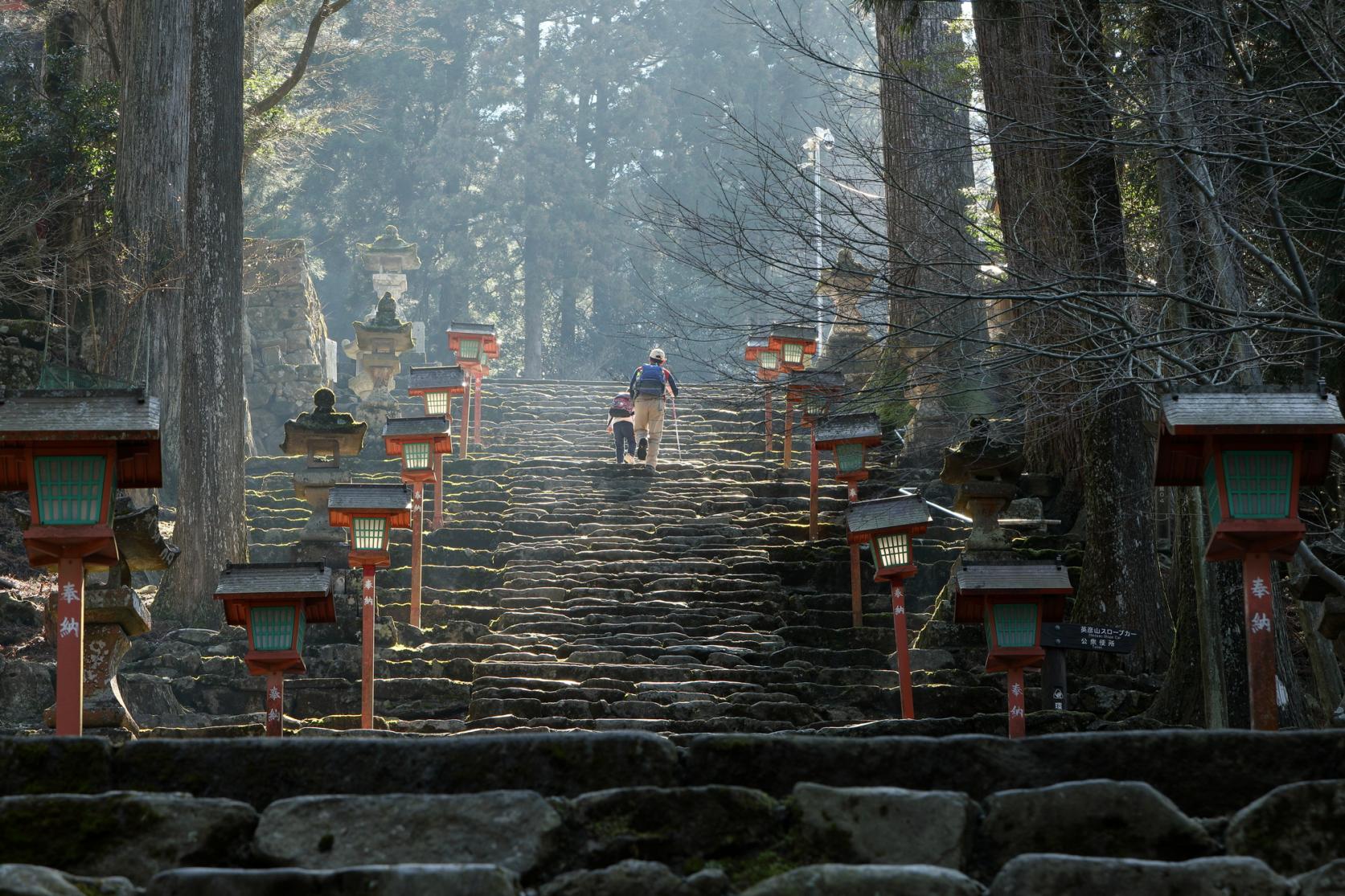
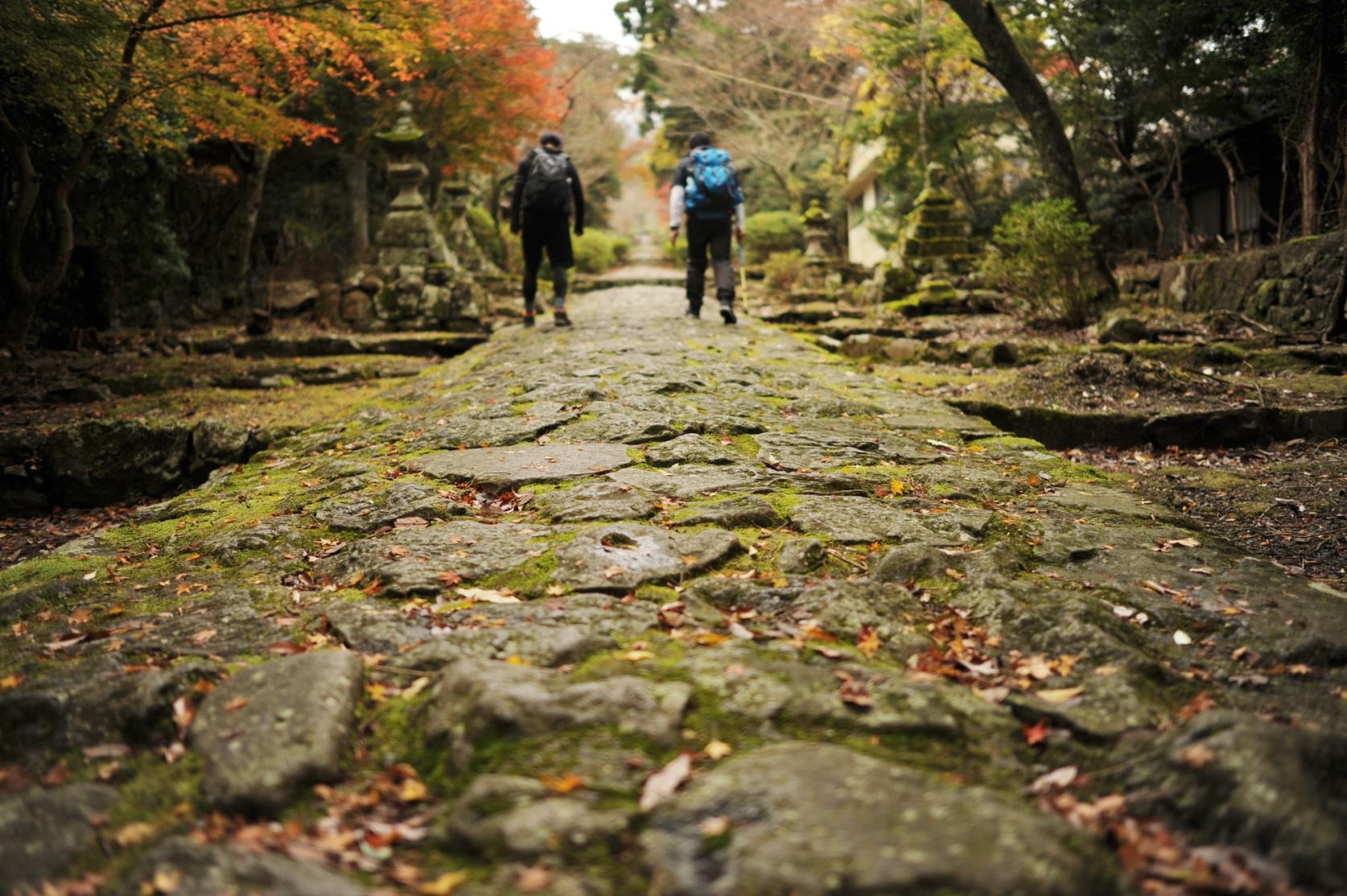
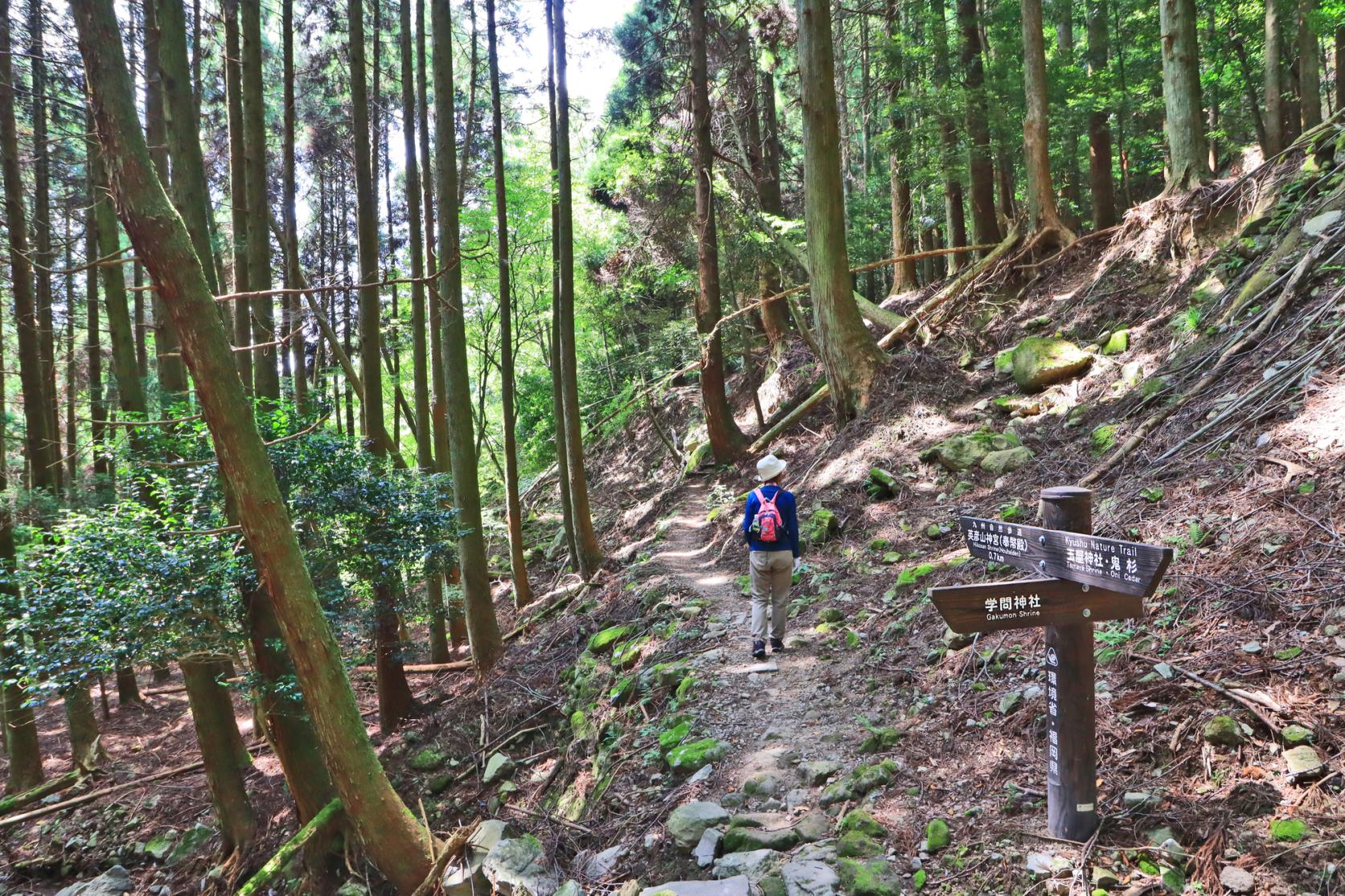
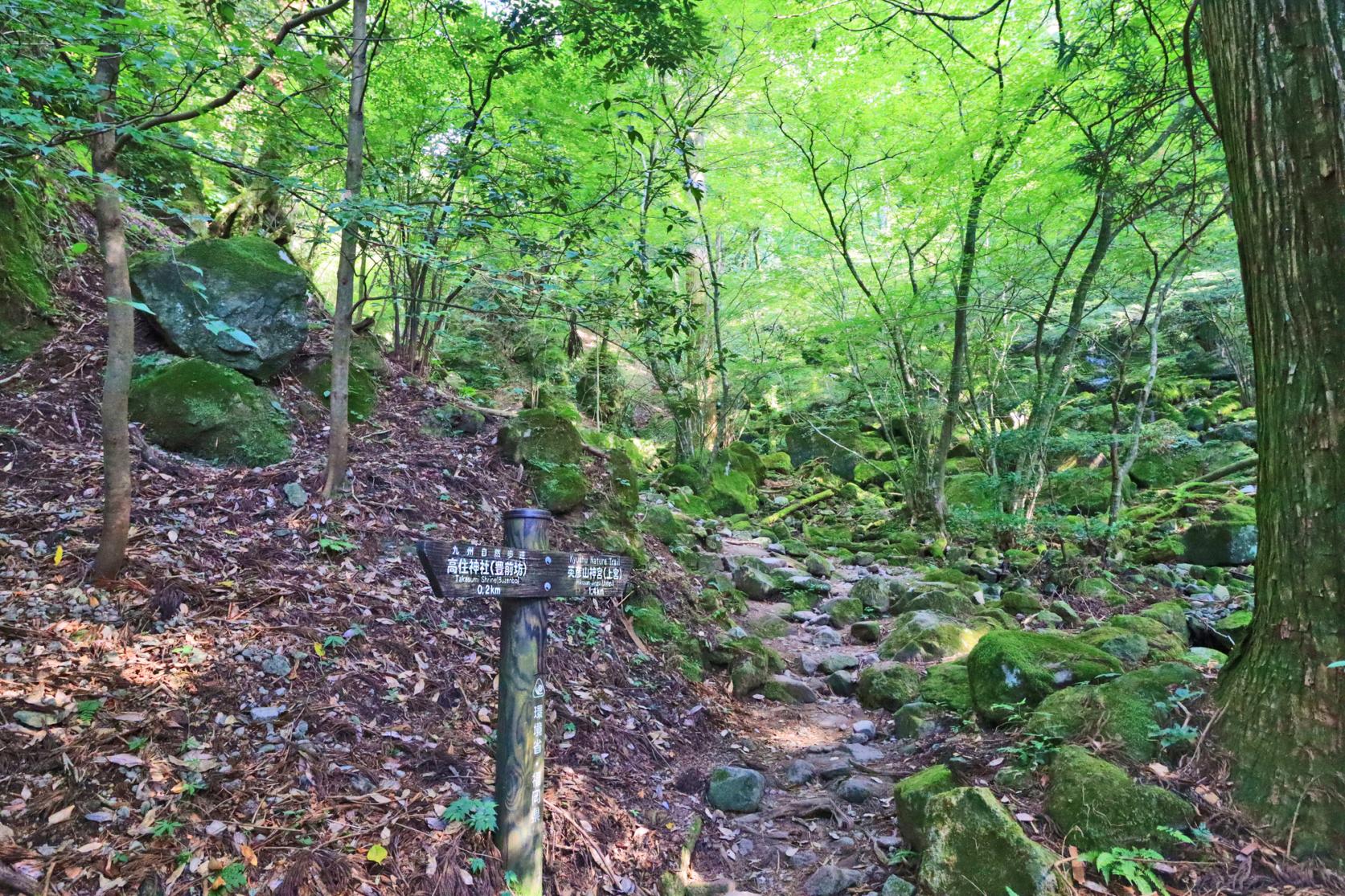
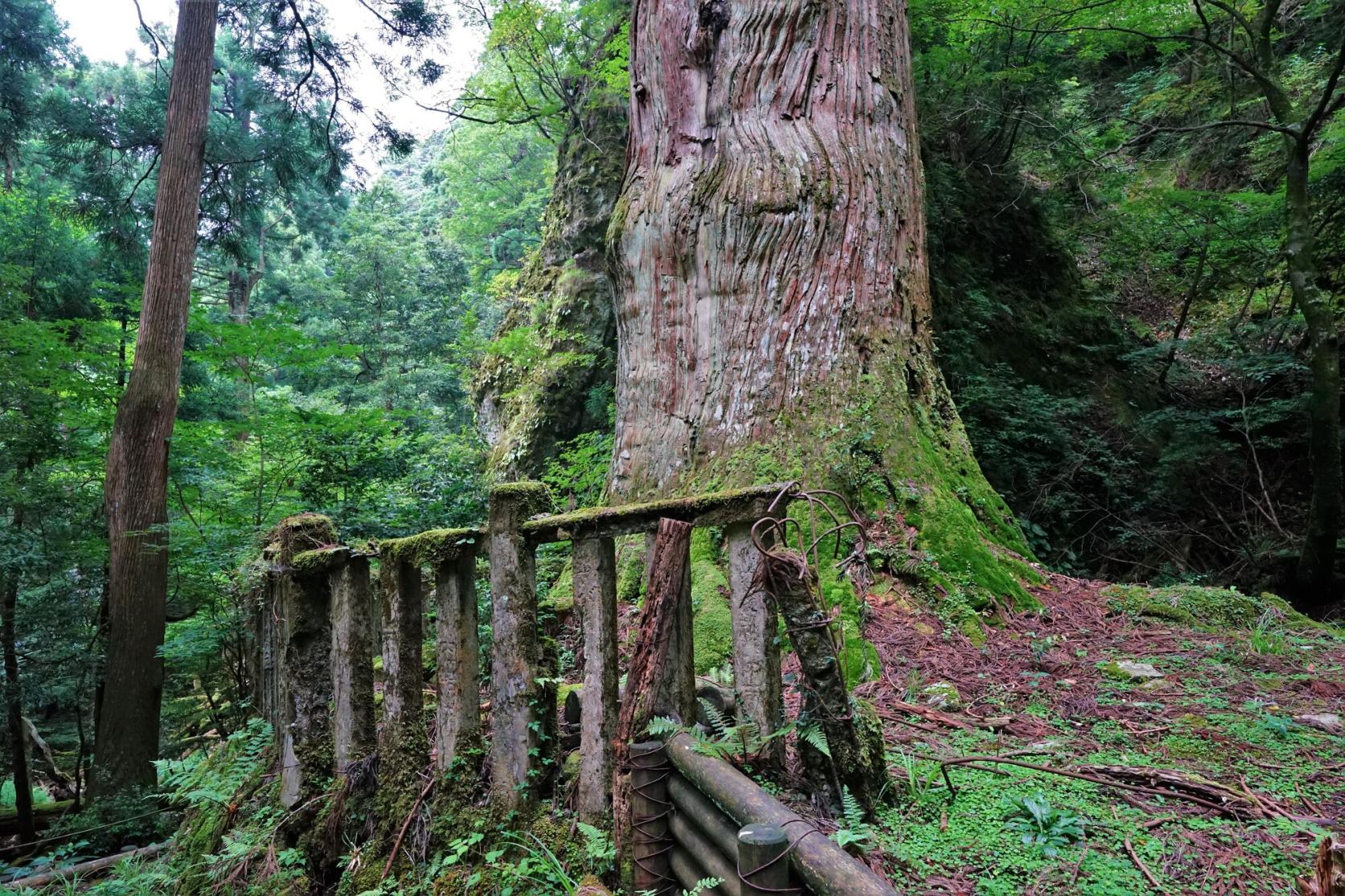
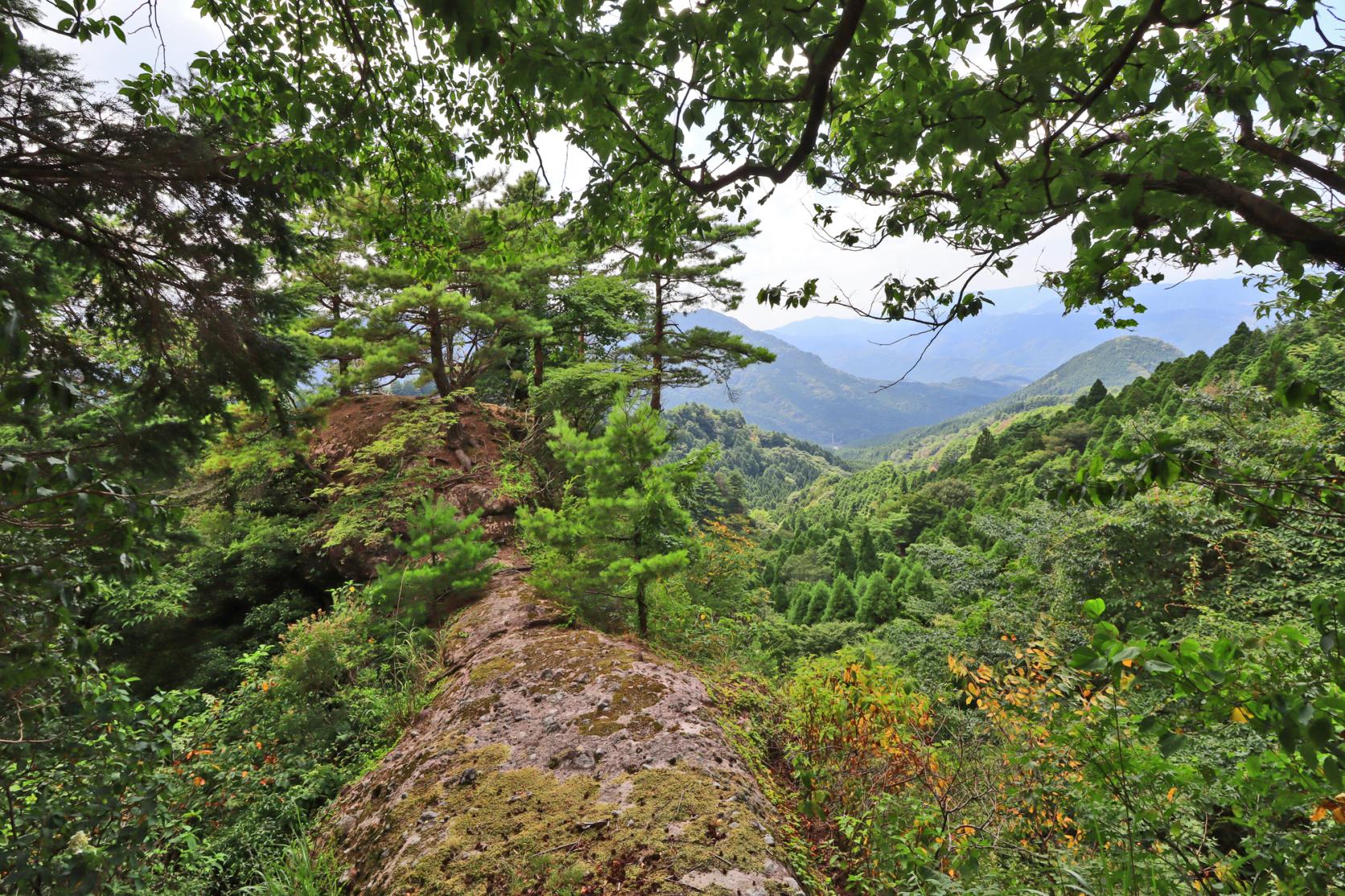
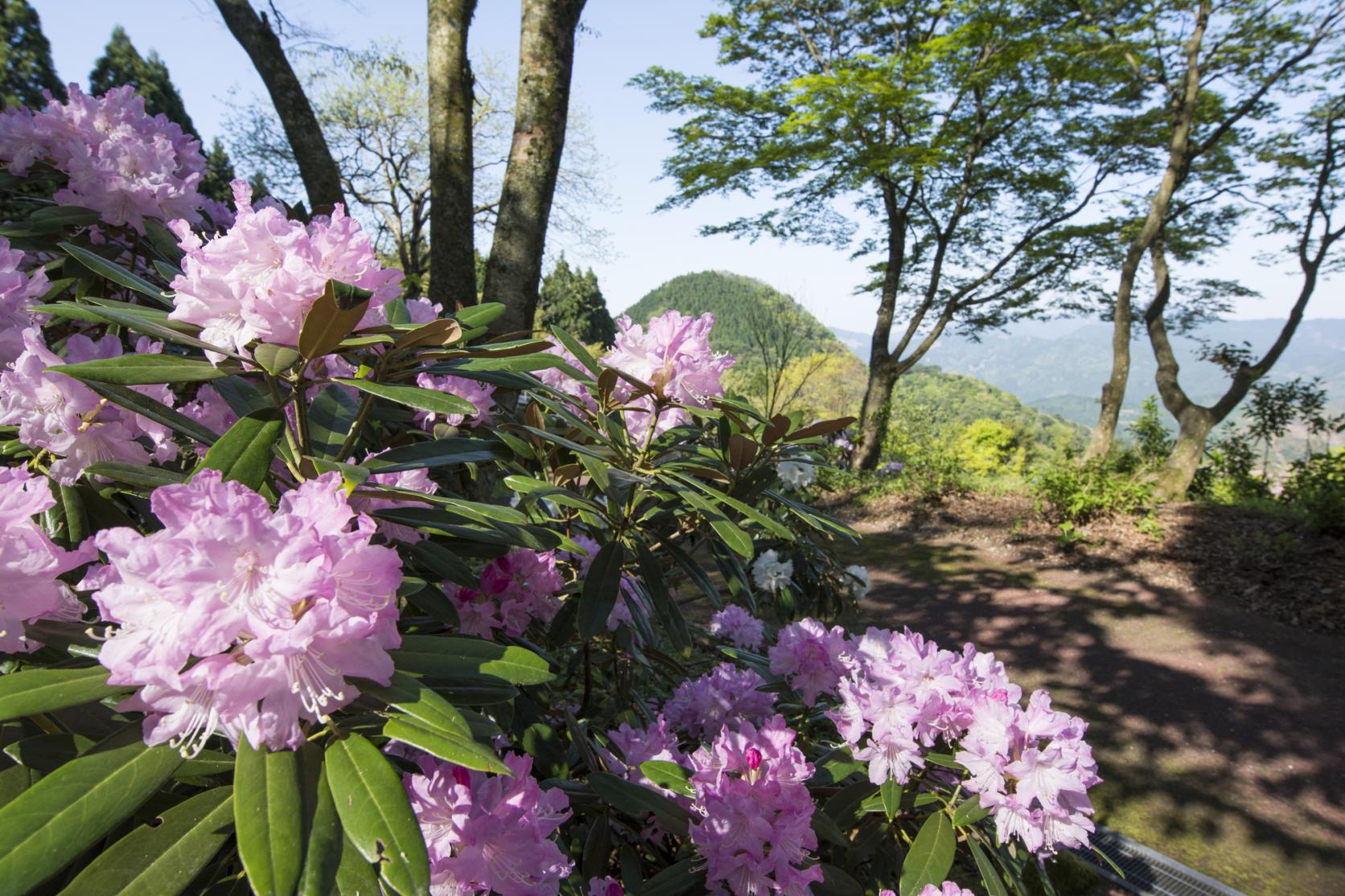
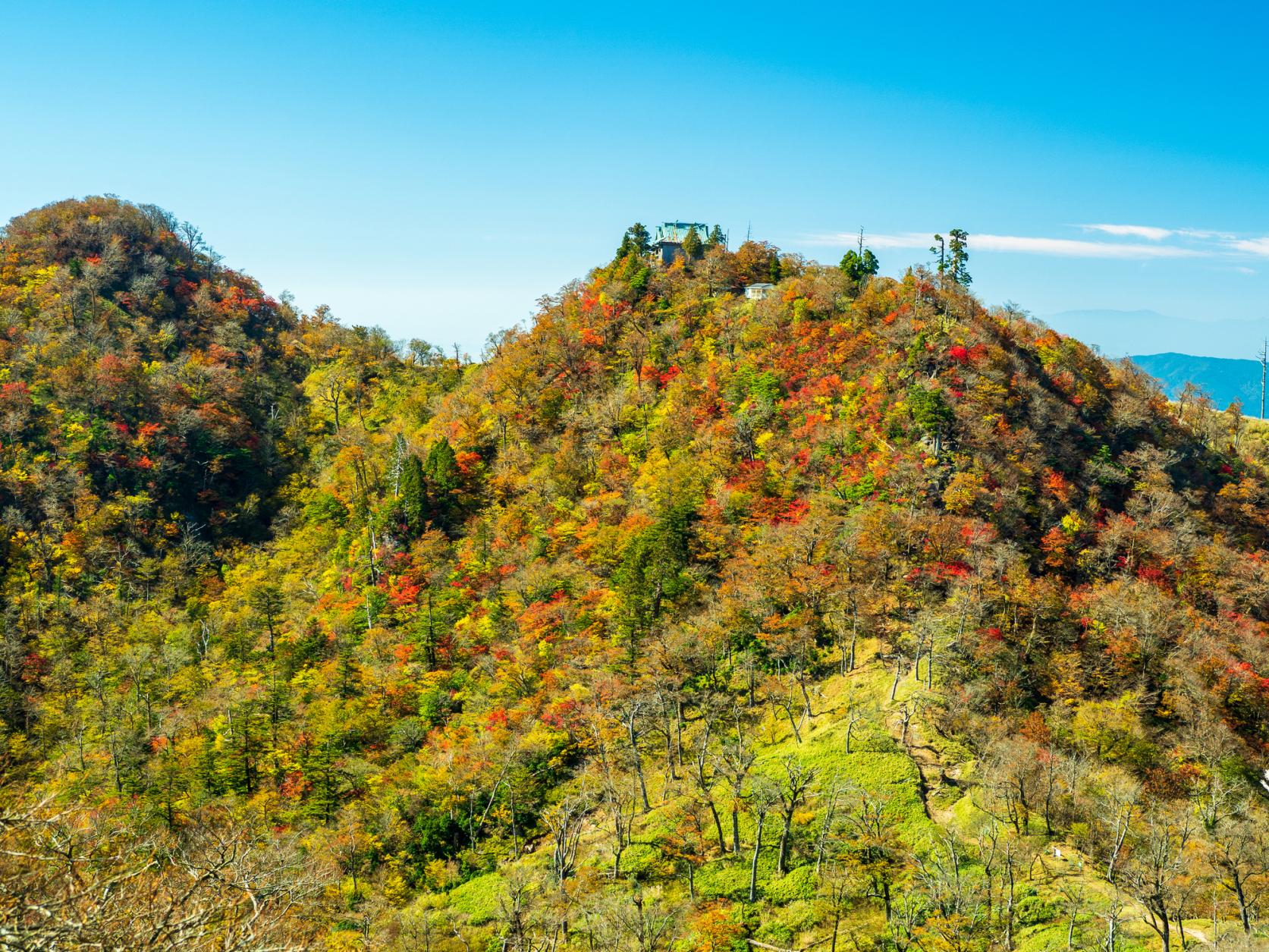
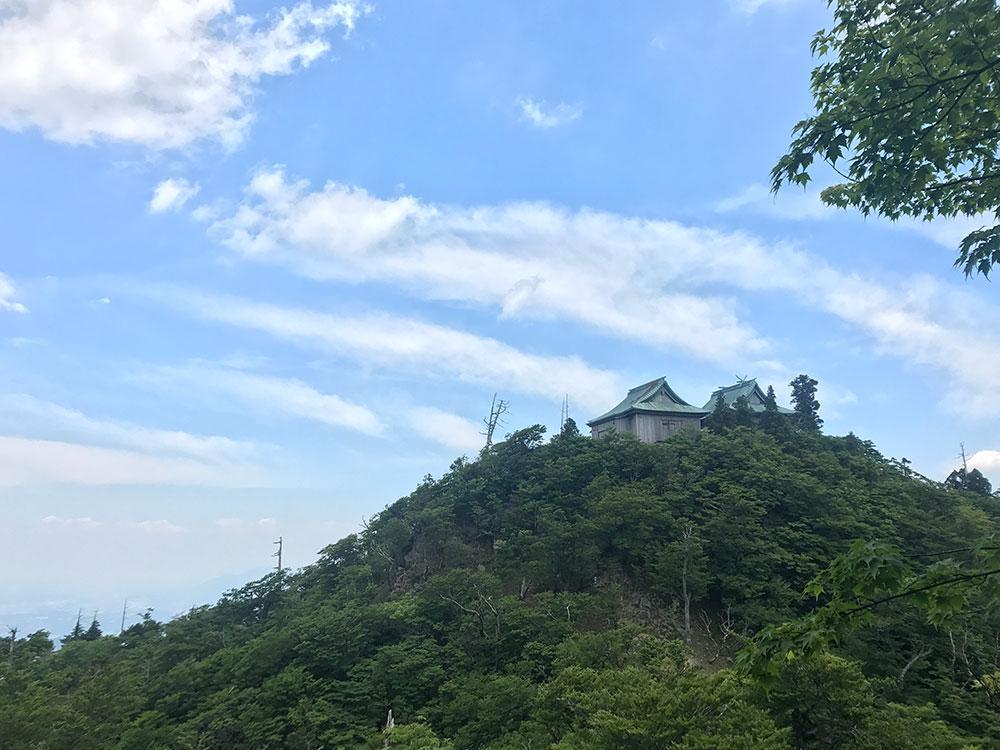
Mount Hiko stands 1,199 meters on the border with Oita Prefecture and is made up of three peaks: Kitadake, Nakadake, and Minamidake. It is one of Japan’s three great sacred sites of Shugendo, a tradition of ascetic training in the mountains. Routes to the top vary widely, from gentle ridge paths to demanding stretches fitted with ropes and chains. Hikers can enjoy both history and nature, with many historical remnants connected to the yamabushi ascetics and to mountain worship along the way. In autumn, the whole mountain is cloaked in color, and a hike through the tapestry of red and yellow is simply unforgettable.
Hikosan Onsen
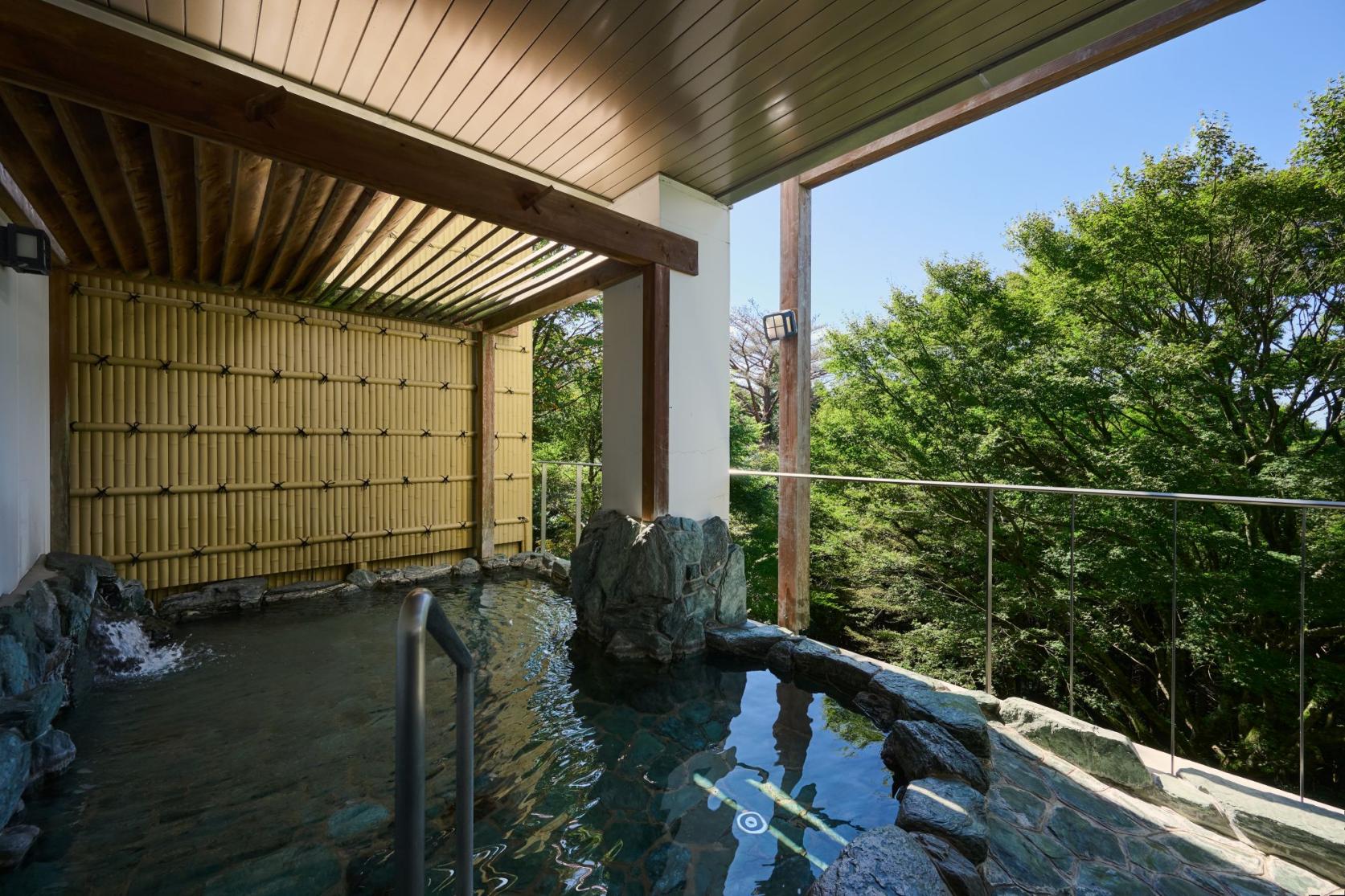
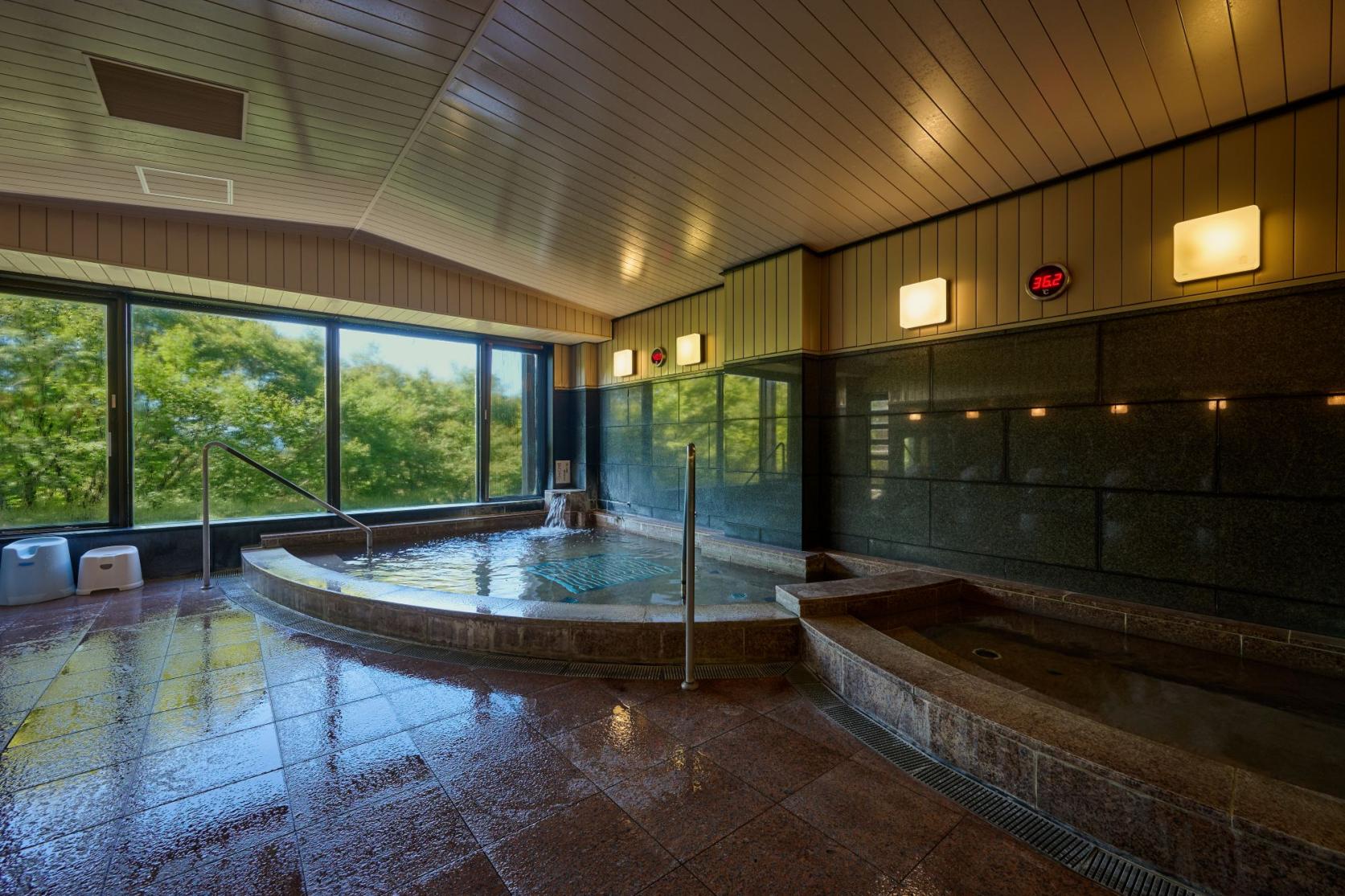
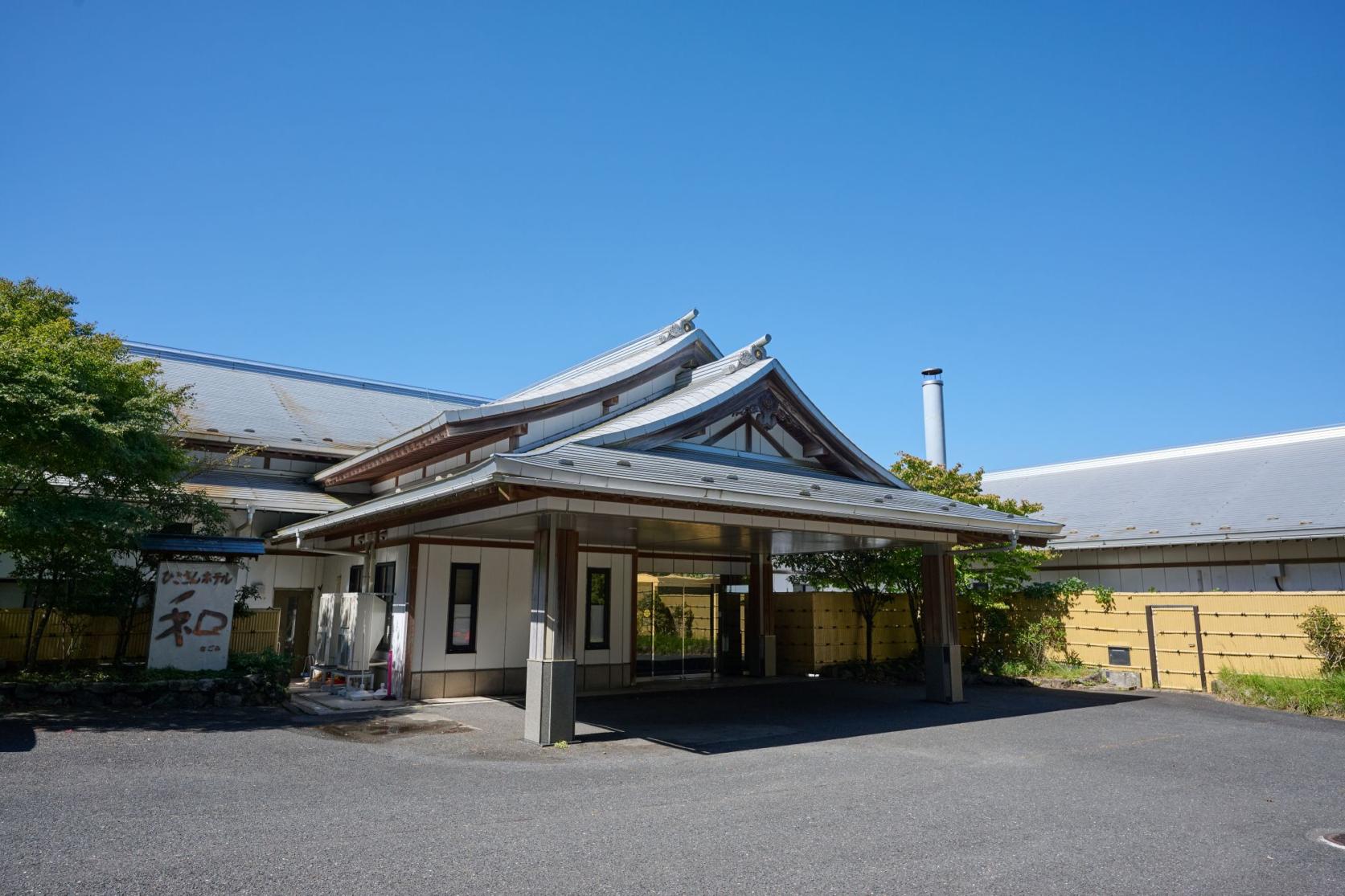
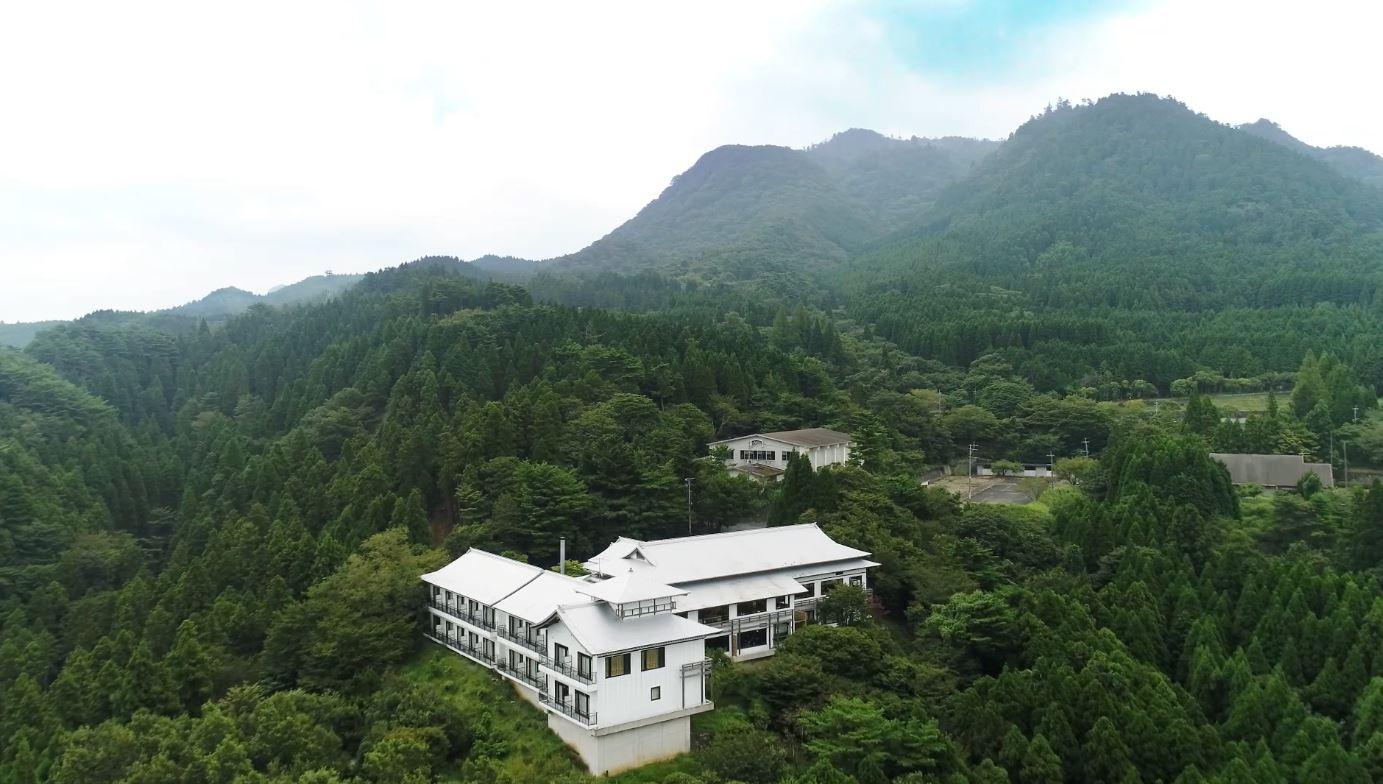
Hikosan Hotel Nagomi, halfway up the mountain and the only hot spring inn in the area, opens its baths to day visitors. The 100-percent natural hot spring water is said to help with joint and muscle pain and with recovery from fatigue—perfect for a post-climb soak. It is soft on the skin as well, with a reputation as a “beauty bath” that leaves you feeling smooth. Few things feel better after a hard trek along a steep and sacred peak.
Recommended Stops along the Way
-
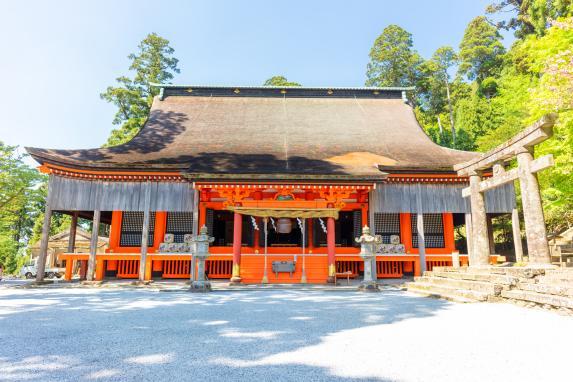
Worship Sanctuary at Hikosan Jingu Shrine
View moreStanding at the trailhead, this hall once served as the great lecture hall of Reisenji, a major center of Shugendo. Rebuilt in 1616, the vermilion structure is an imposing sight and a National Important Cultural Property.
-
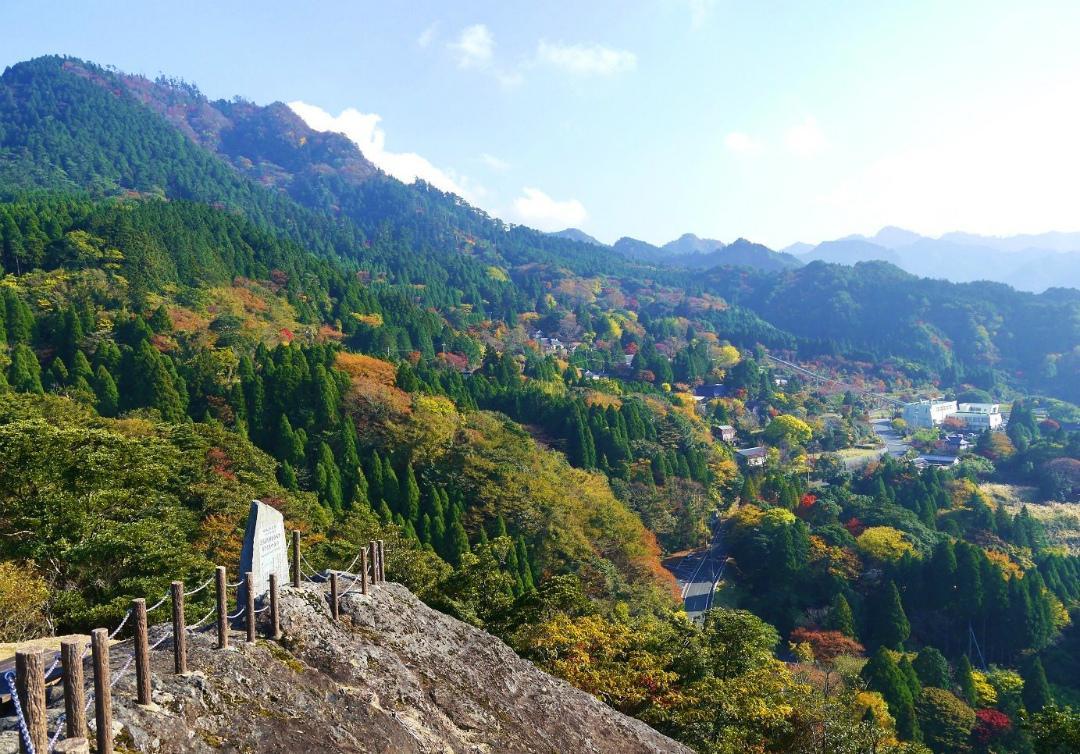
Hanamigaiwa Park
View moreThis lookout point offers a grand panorama of Mount Hiko. At dusk, the sun setting behind the ridgelines is breathtaking. Just a five-minute walk from the parking lot, it is visited by many climbers.
-
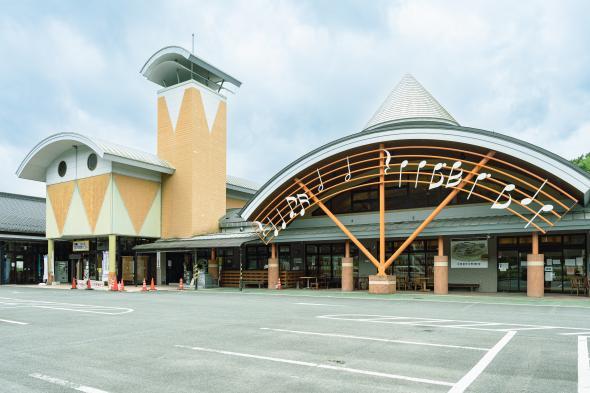
Michi no Eki Kanyusha Hikosan Roadside Station
View moreThis roadside station at the foot of Mount Hiko is stocked with plenty of fresh vegetables and fruit—the pride of local farmers—as well as various regional specialties. Rest in the footbath next door, browse for souvenirs, and enjoy delicious local cuisine while you are there.
4. Mount Inunaki & Wakita Onsen
A Mountain Castle Site and a Quiet Hot Spring Village
Mount Inunaki
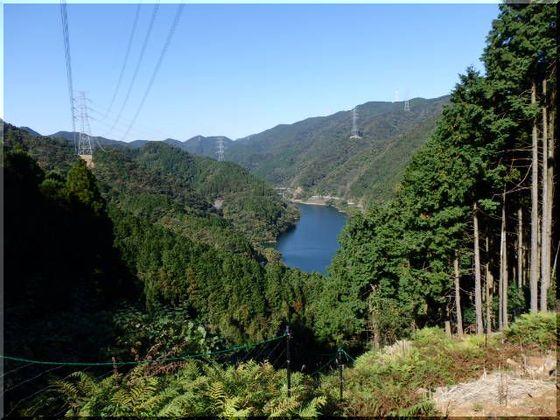
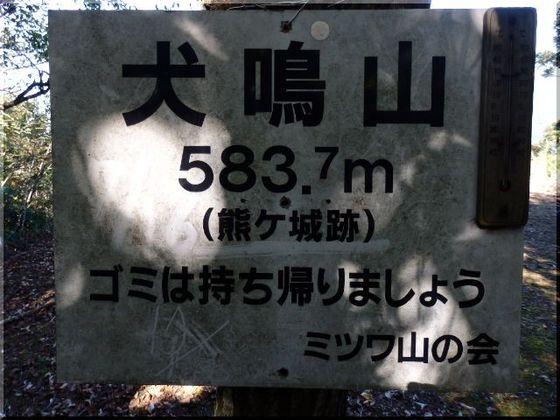
Mount Inunaki rises about 584 meters west of Inunaki Dam and is the site of the remains of an old castle known as Kumagajo. Close as it is to Fukuoka City, the nature here is untouched, and an air of deep seclusion hangs over the area. It is not high, but the climb runs up several steep slopes, some fitted with ropes, and winds through thick woodland. There are places where it is easy to lose the trail, so bring a GPS app. Many hikers like to use the dam as a base for a vigorous traverse or loop through the Inunaki range.
Wakita Onsen (Hot Springs)
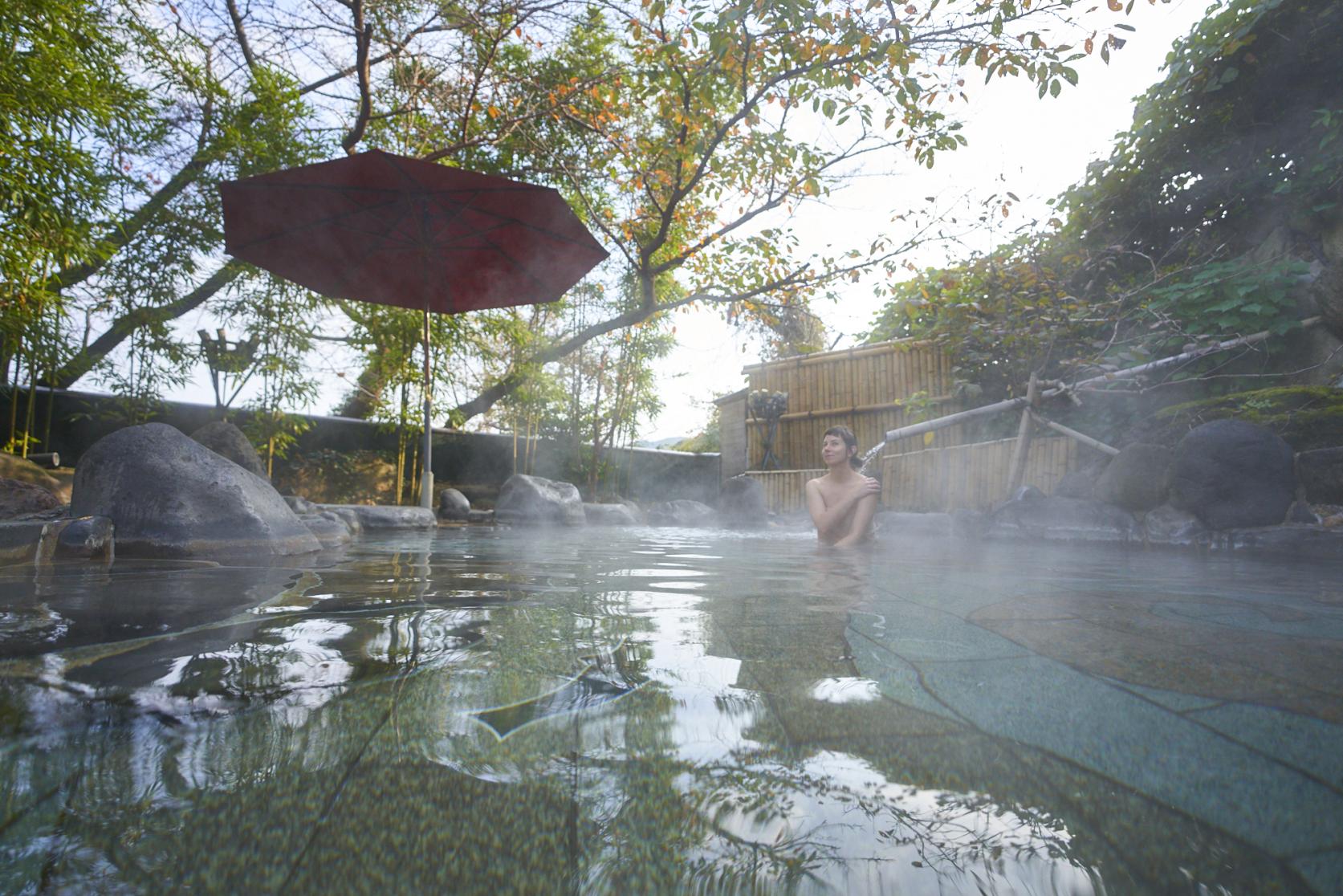
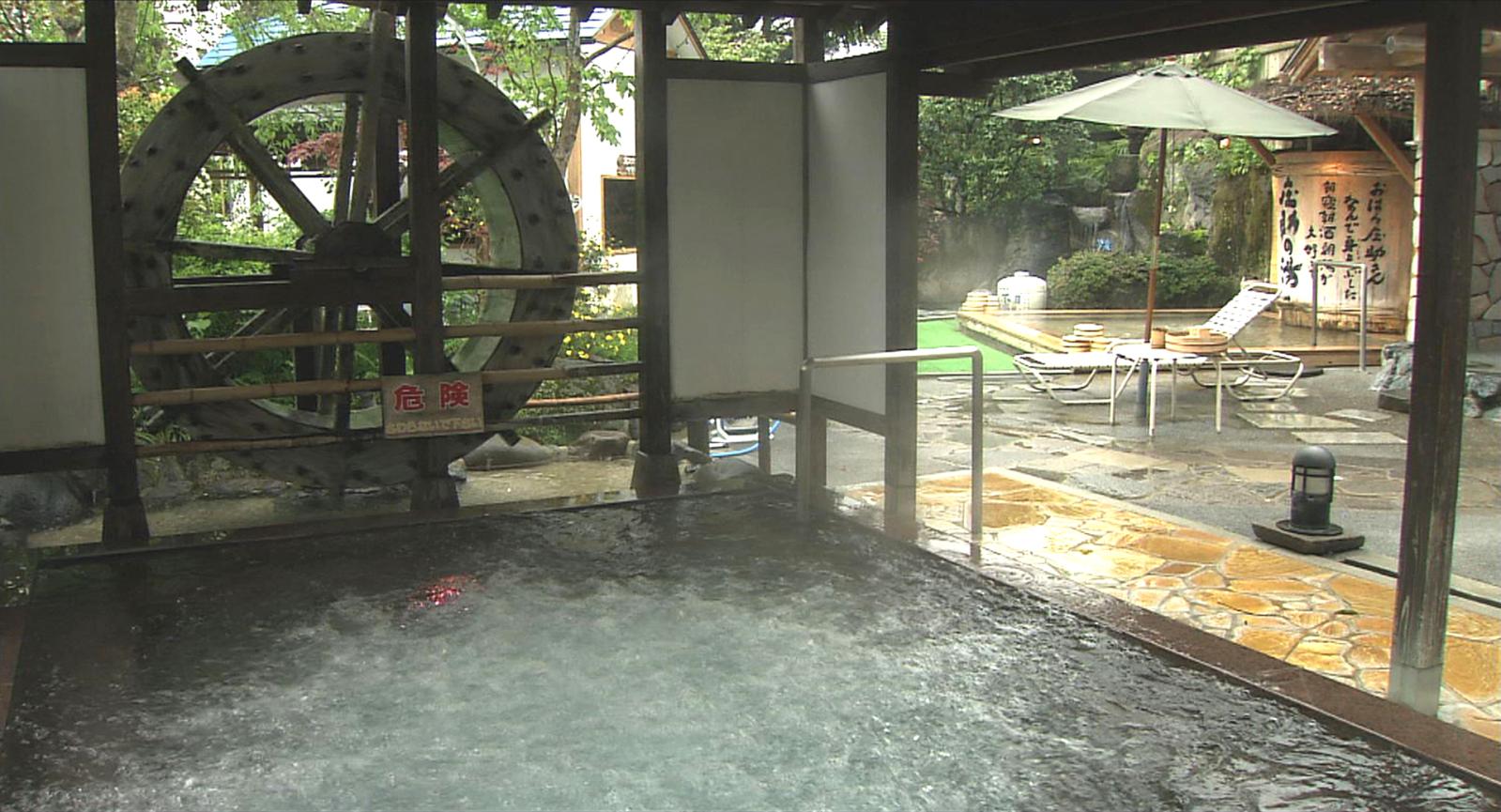
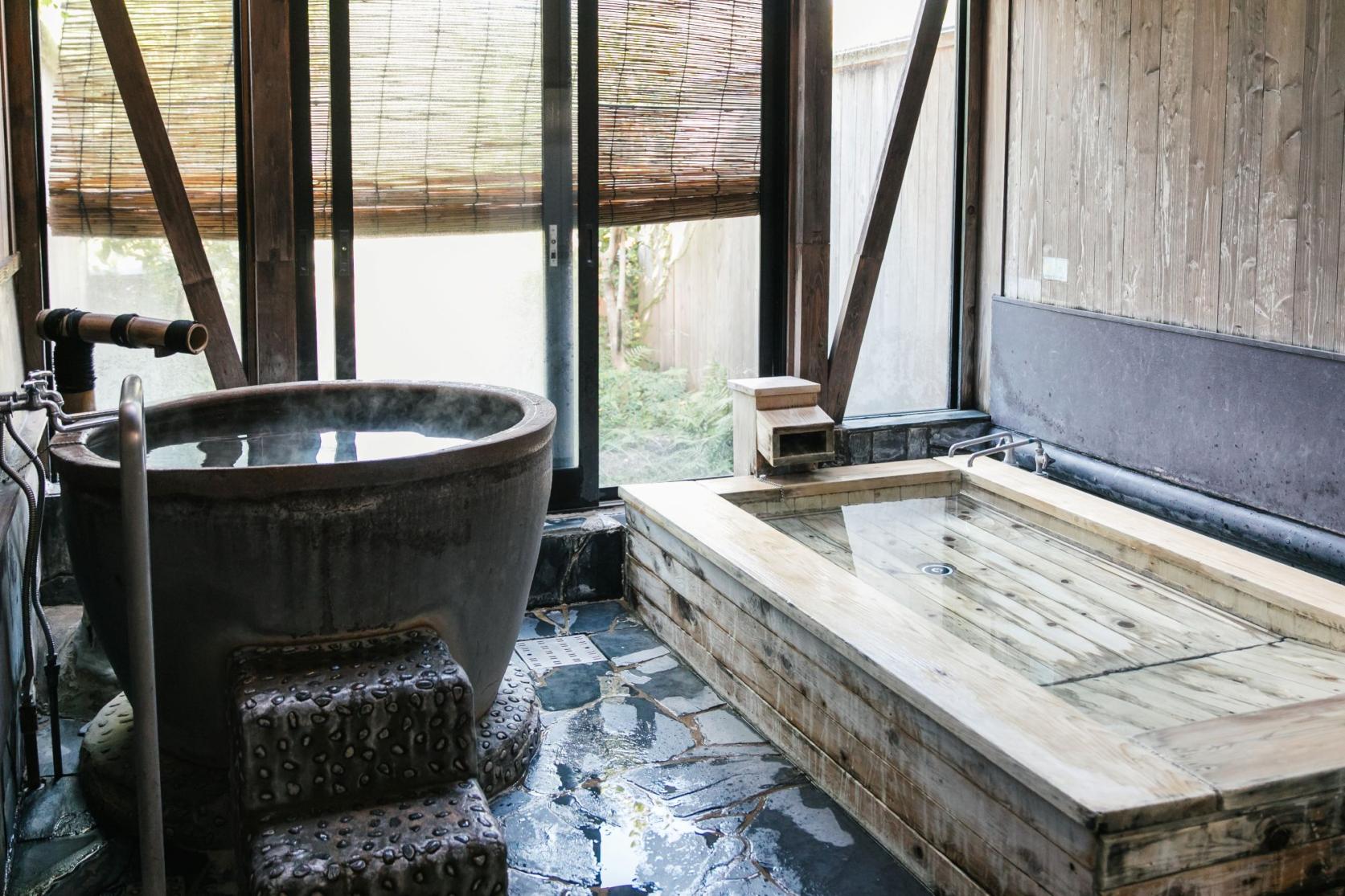
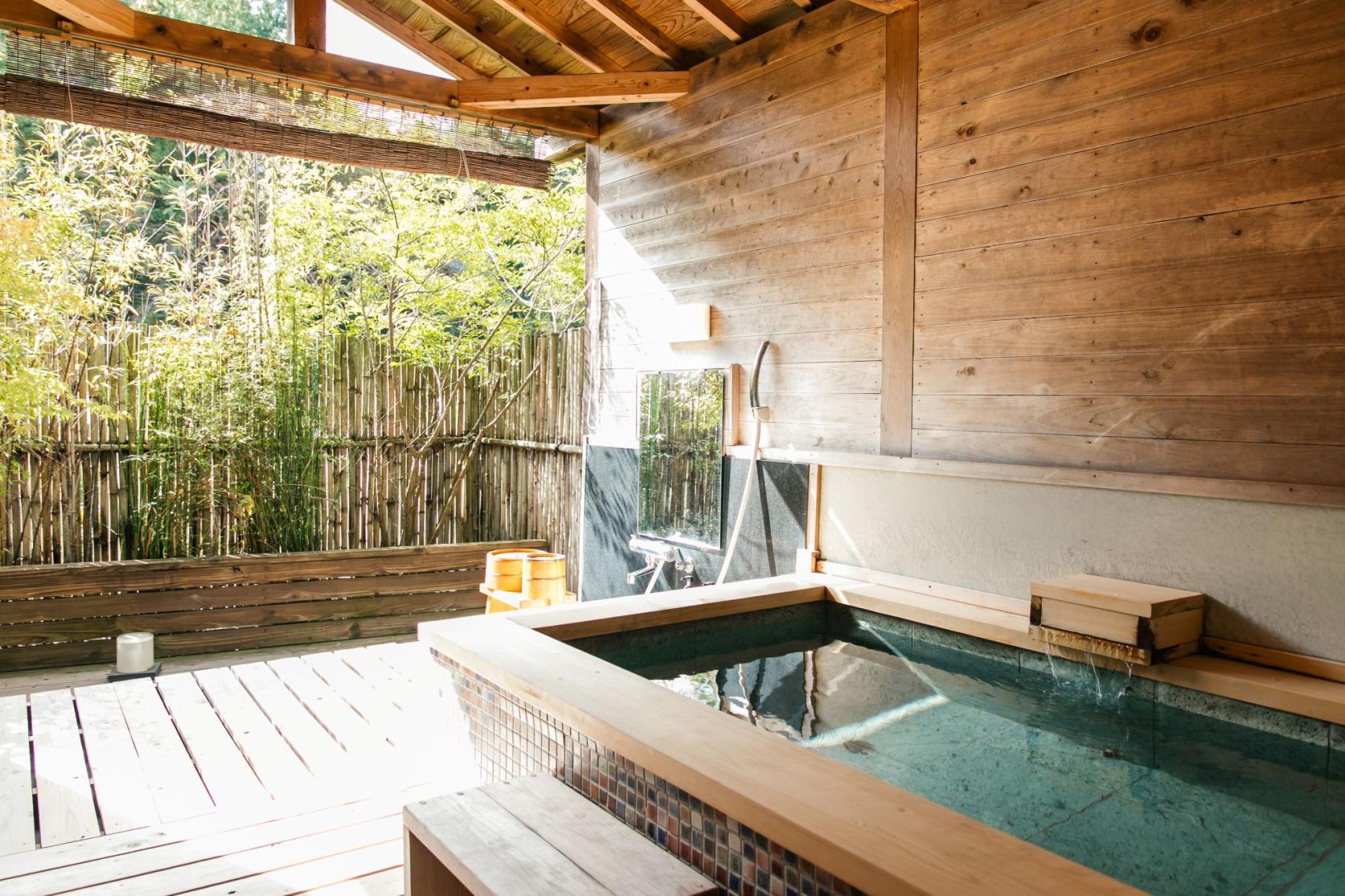
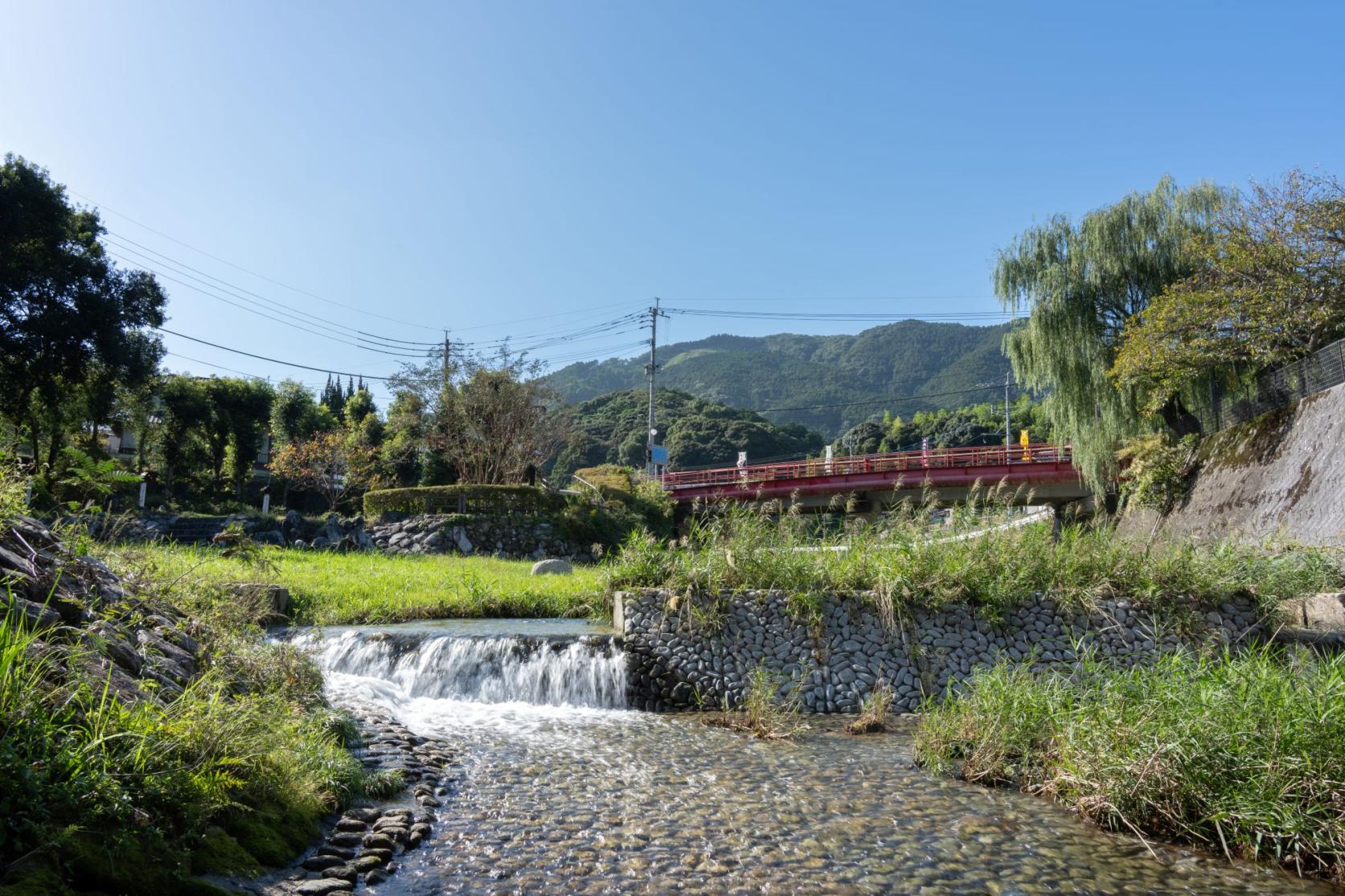
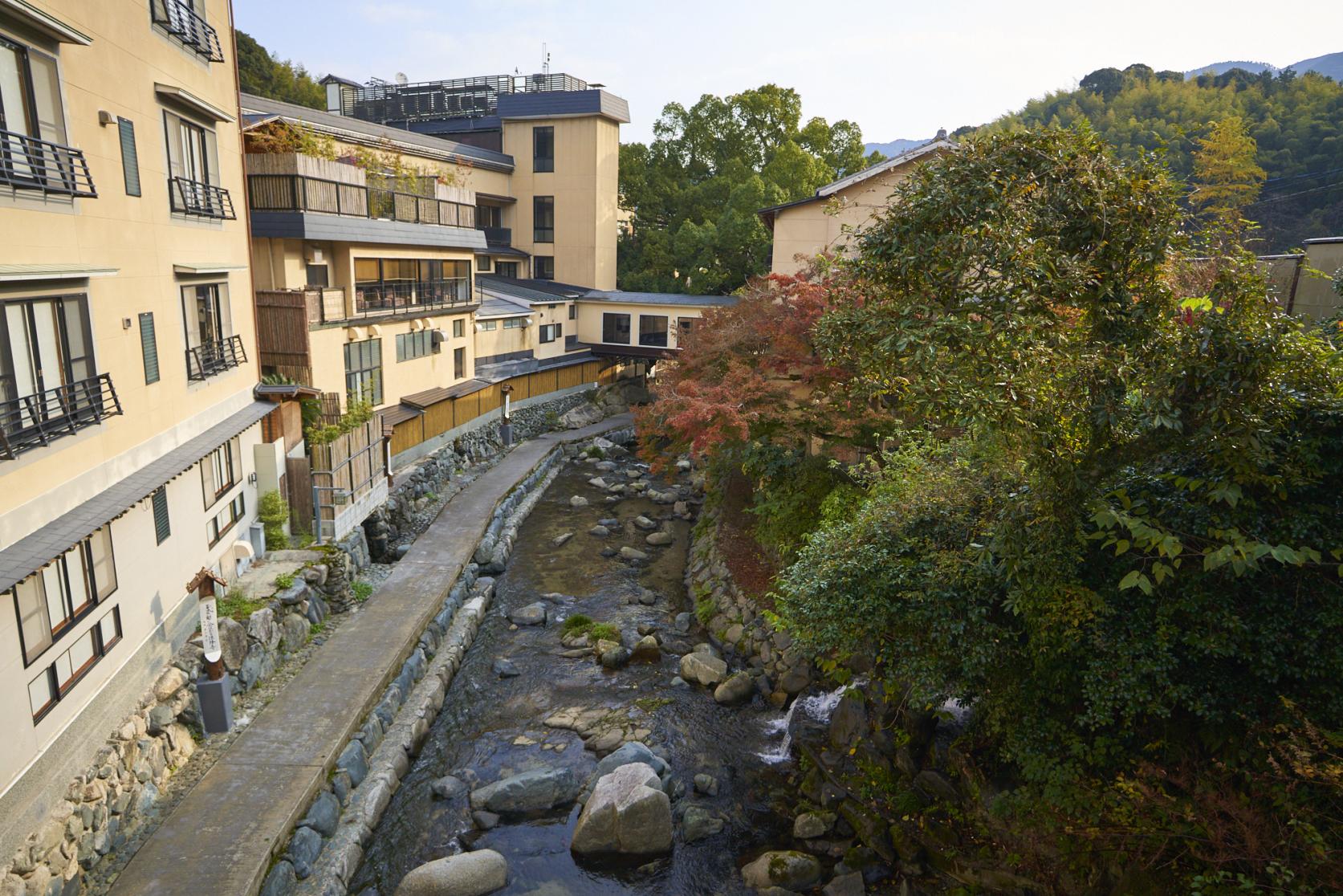
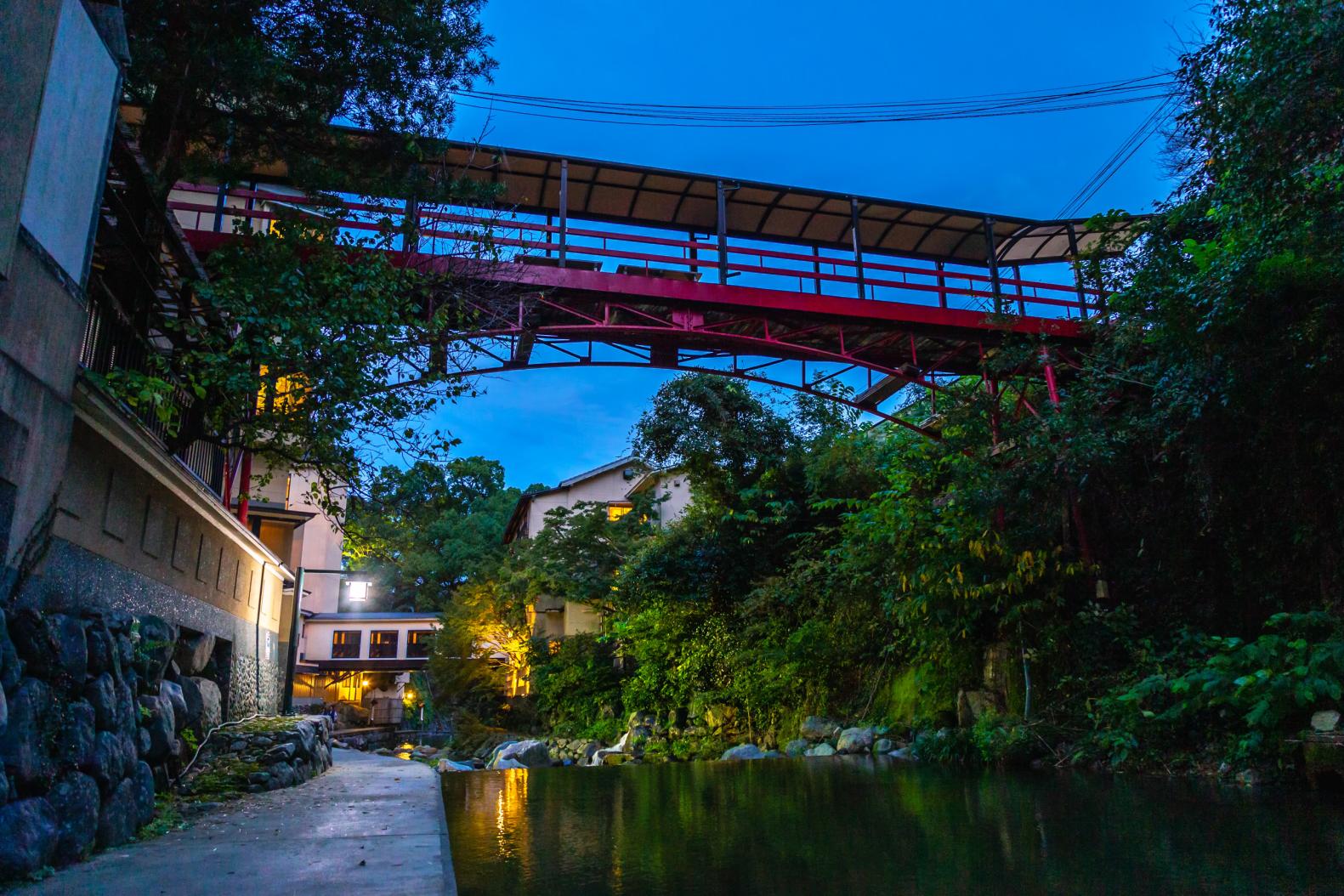
About five minutes by car from Inunaki Dam, Wakita Onsen is a hot spring village with a nostalgic feel, spread out along the Inunaki River. Its waters have been in use since the Nara period (710–794), and the village is fondly called Fukuoka’s inner parlor, a retreat just out of sight of the city. It is also easy to reach—about an hour by direct bus from Hakata Station.
Wakita is another of the region’s “beauty baths.” Its alkaline simple spring water contains sulfur and has a gentle silkiness that leaves the skin smooth. Some facilities offer a choice of family baths, so you can enjoy a slow soak out of public view. After a tough hike on Mount Inunaki, there is nowhere better to let your body recover.
Recommended Stops along the Way
-
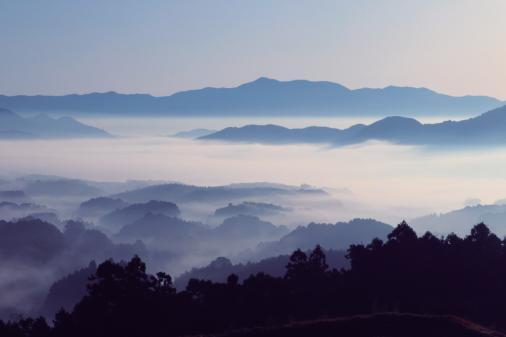
Seisuiji Temple
View moreThis temple stands on high ground some 200 meters up along the slope of Mount Nishi. When conditions are right, a sea of clouds fills the Wakamiya basin below, a dreamlike view with all the beauty of an ink painting.
-
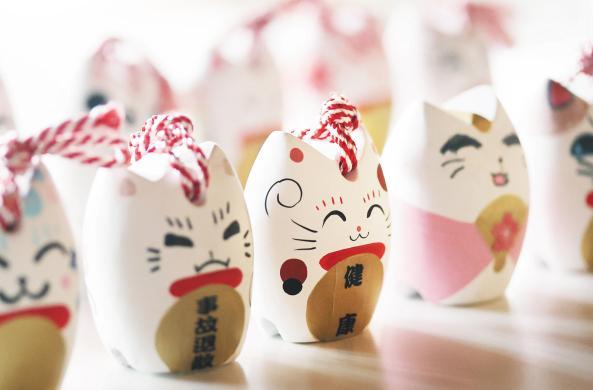
Miyawaka Oidashi Neko Hompo
View moreThis shop is devoted to the oidashi-neko, or “driving-out cat,” an unusual beckoning cat with a face on each side that comes from a local Miyawaka legend. One face scowls to drive off misfortune, while the other smiles to invite good luck. The shop is stocked with various delightful items. You can even paint your own oidashi-neko.
-
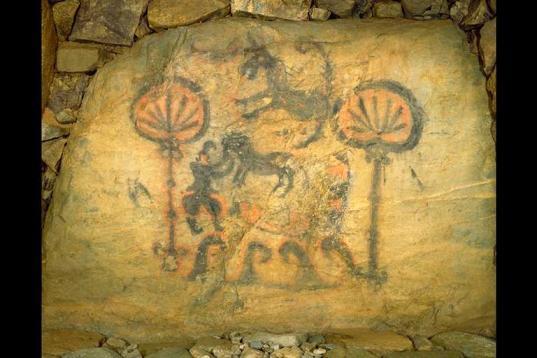
Takehara Burial Mound
This burial mound, built in the late sixth century, is a nationally designated historical site. The wall paintings inside are the originals, not reproductions. These vivid images of horses, boats, and mythical beasts bring the ancient past to life.
The Best of Both
Lush nature and spectacular views on the way up, celebrated hot springs on the way down—try this local journey for yourself and come home with body and mind completely restored.
*A Note on Hot Spring Etiquette
Before getting into the bath, clean yourself thoroughly and use the shower and buckets to wash away all the sweat and mud of the trail. Be sure to hydrate before and after bathing as well, for a safe and relaxing soak.
Share


 Next article for you
-
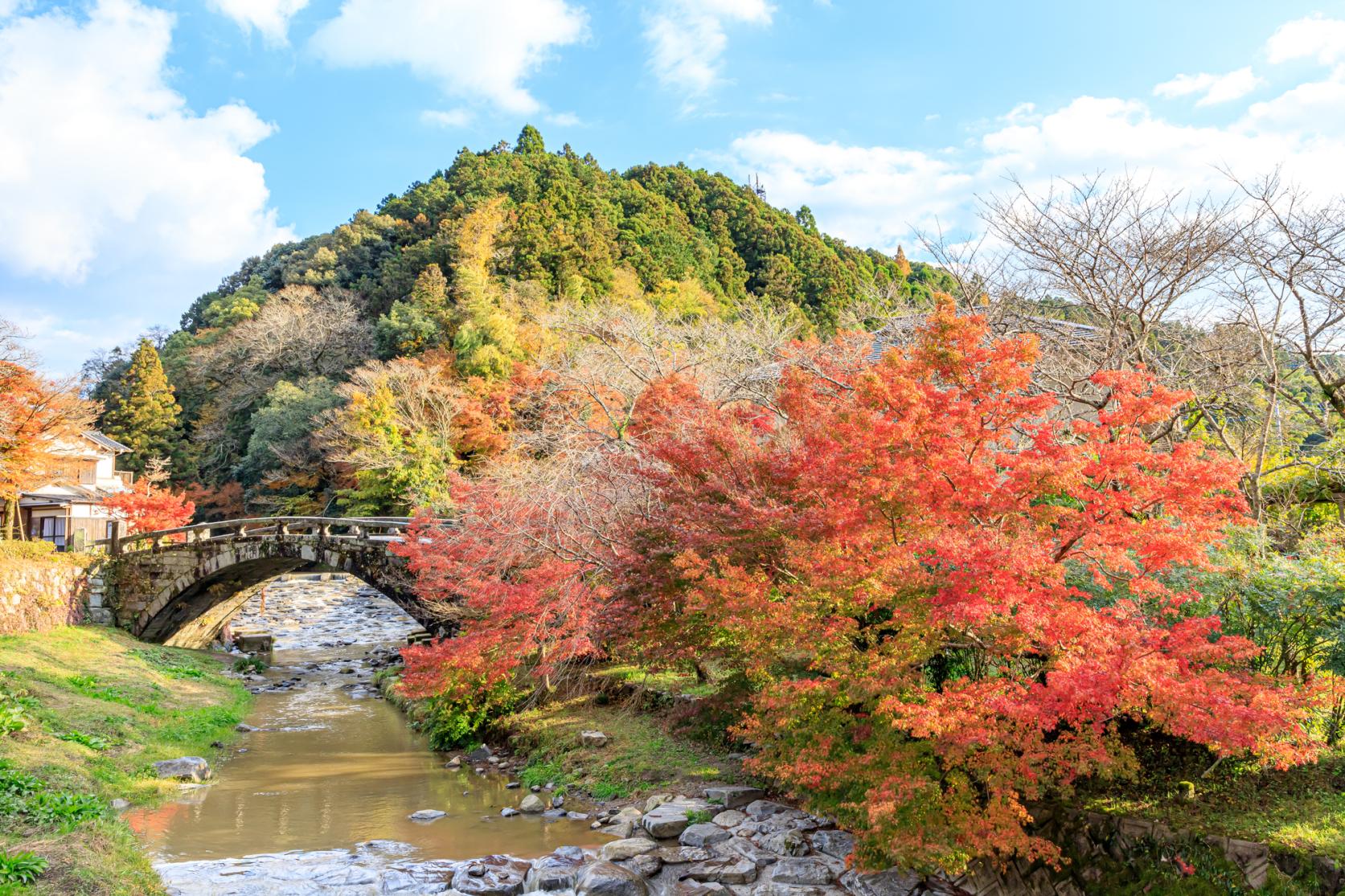
【2025】Your Guide to Fukuoka Prefecture's Best Fall Foliage Destinations
-
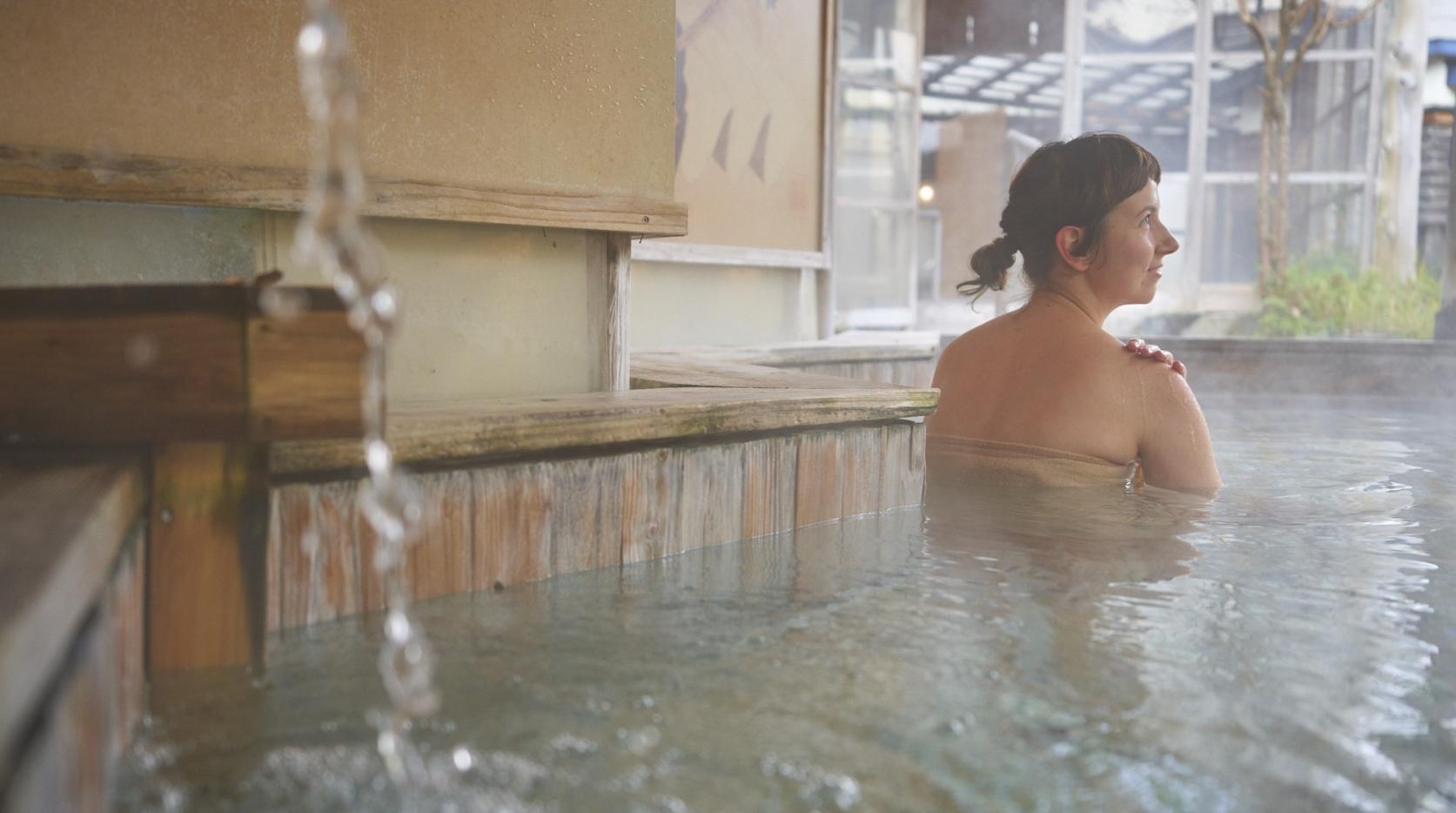
Fukuoka Has Onsen Too! A Complete Guide—from Day Trips to Famous Hot Springs
-

TIPS FOR TRAVELING IN FUKUOKA PREFECTURE
-
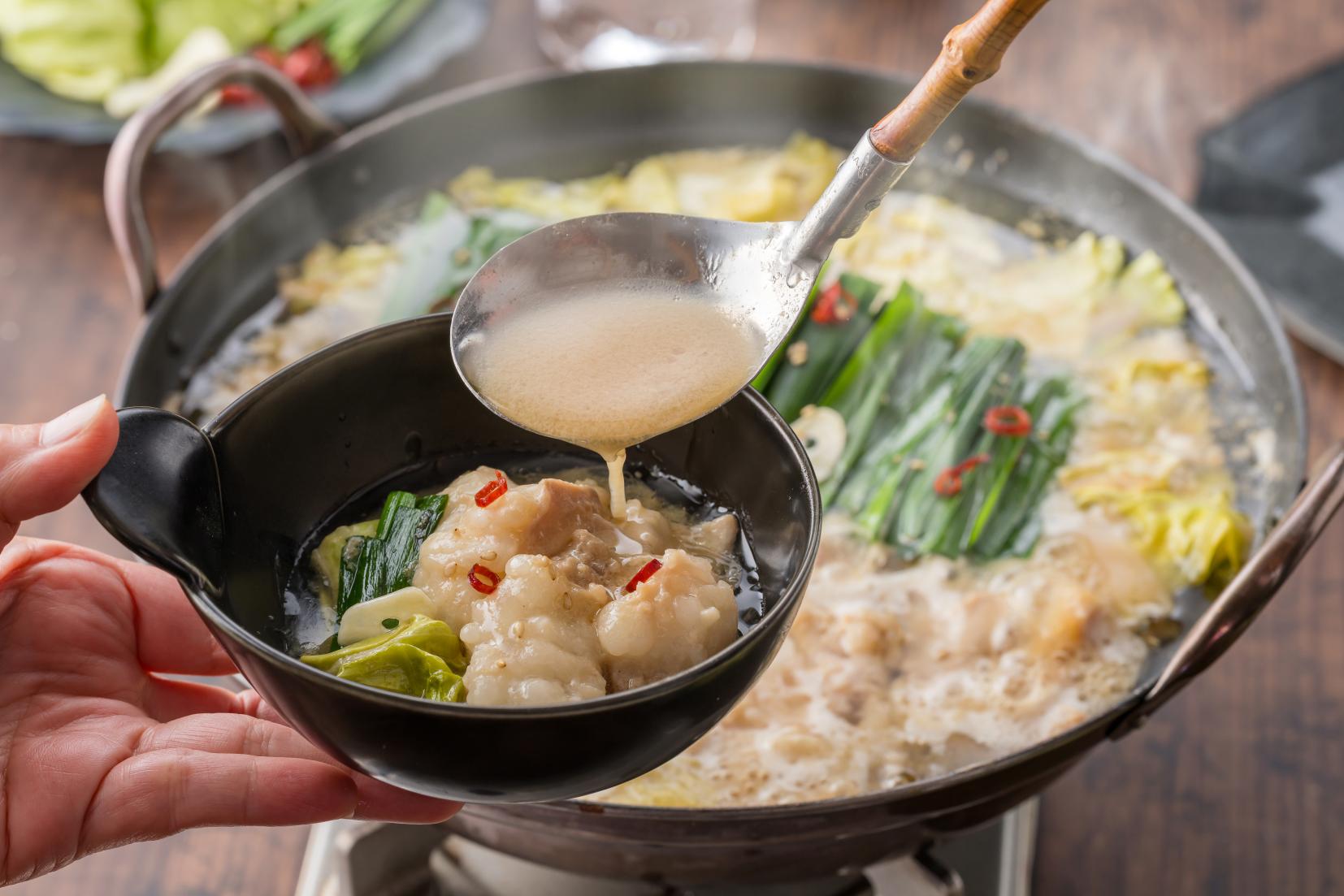
10 Recommended Dishes in Fukuoka! Discovering the Region’s Finest Foods
-
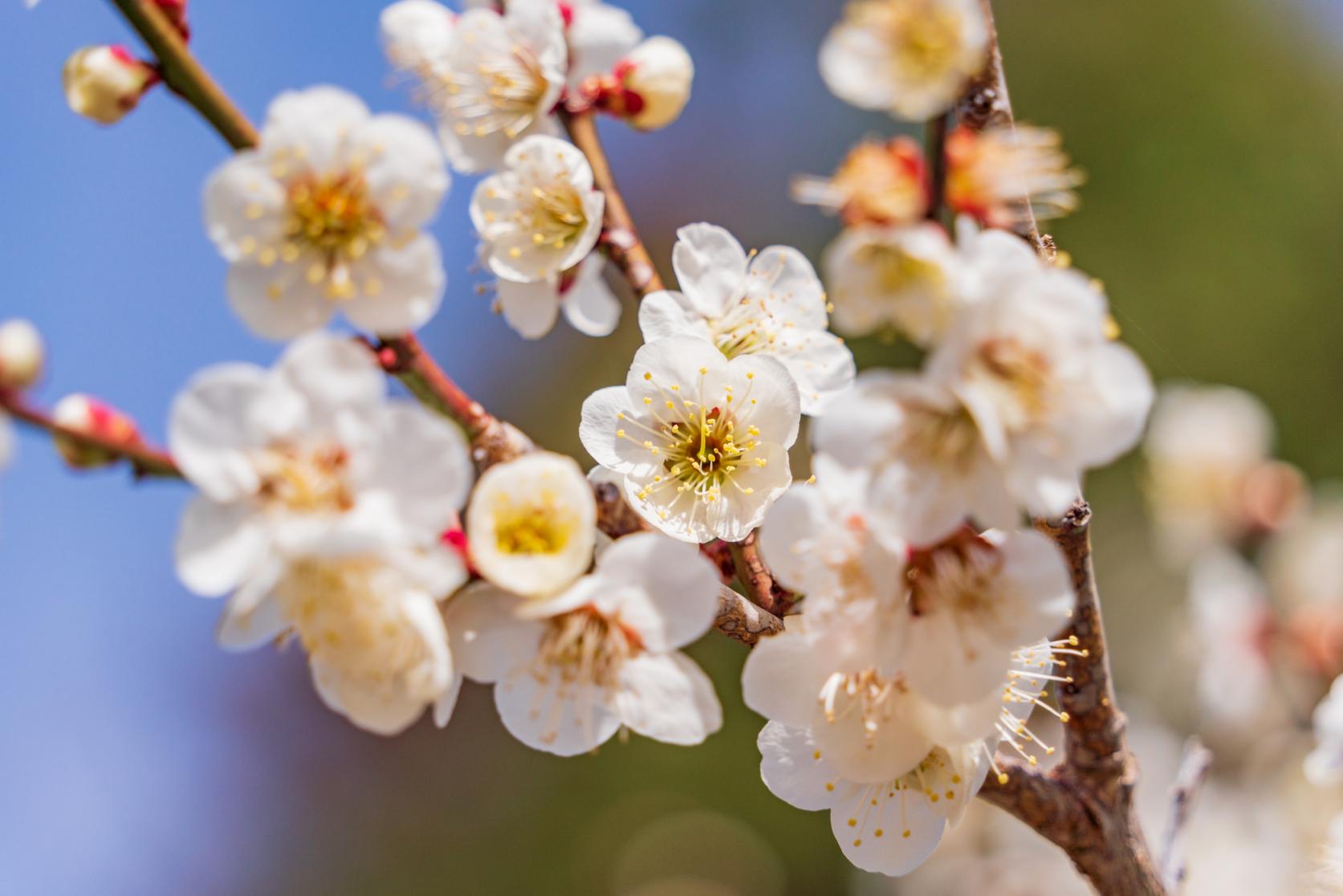
A Guide to Major Tourist Events and Festivals in Fukuoka Prefecture in February
-
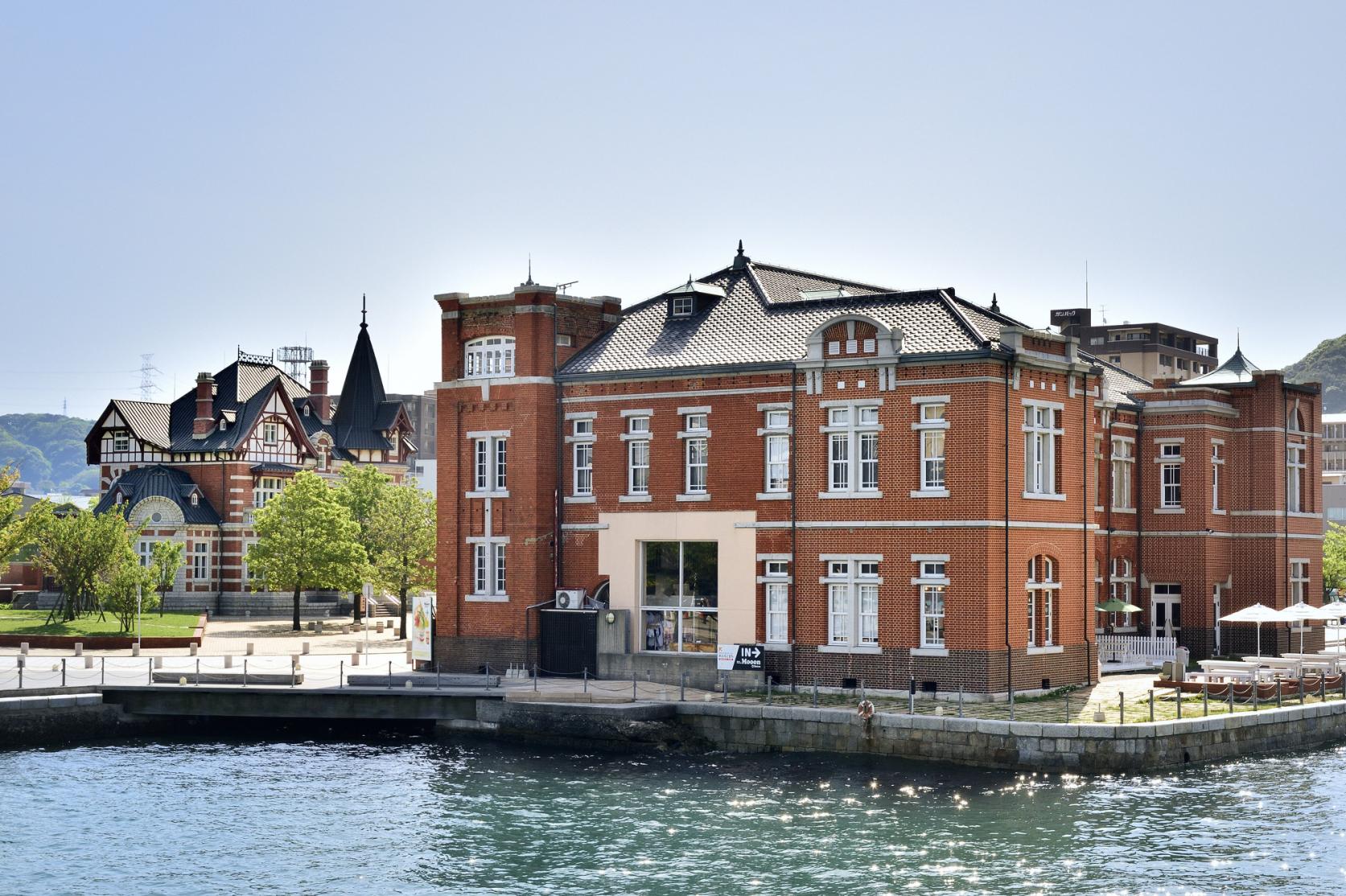
How to experience Mojiko Retro in Kitakyushu
-
CYCLE FUKUOKA
-
Admiring the Best Scenery that Nature Has to Offer in Itoshima
-
10 Recommended Shrines and Temples in Fukuoka!
-
Here are the most popular souvenirs of Fukuoka that you won’t want to miss!
-
Fukuoka Prefecture is the place for enjoying the best mentaiko! Featuring lunch spots, hands-on experiences, and gifts
-
TRADITIONAL JAPANESE CRAFTS OF FUKUOKA ~Present Day Breath-taking Craftsmanship~
-
【2025-2026】Illumination and Light-up Spots in Fukuoka
-

Kids will love it too! Recommended spots for family trips in Fukuoka Prefecture
-
A guide to enjoying fruit picking in Fukuoka all year round! Featuring farms with all-you-can-eat options and attached cafes
-
![[2026] Strawberry Picking Spots in Fukuoka-1](https://www.crossroadfukuoka.jp/storage/special_features/49/responsive_images/9ZHgrqvQdpH8tM4IRF54DXu0aPBF3YGGkj5WOTGc__1673_1115.jpg)
[2026] Strawberry Picking Spots in Fukuoka
-
【2026】The Best Places to See Cherry Blossoms in Fukuoka
-
![[2026] 13 recommended places to drive to in Fukuoka! From classic destinations, to scenic views and roadside stations-1](https://www.crossroadfukuoka.jp/storage/special_features/763/responsive_images/044pJfU3nJVbuwwplgk454201cw6Jj8m8gE53FWK__1673_856.jpg)
[2026] 13 recommended places to drive to in Fukuoka! From classic destinations, to scenic views and roadside stations
-
TRAIL FUKUOKA
-

Rent a Car in Fukuoka! Introducing the Foreign Expressway Pass KEP
