

 Highlights
 Sample Itineraries
 See & Do
 Experience
 Events
 Plan a Trip
 Transport
 Local Life in Fukuoka City



A Guide to Major Tourist Events and Festivals in Fukuoka Prefecture in February
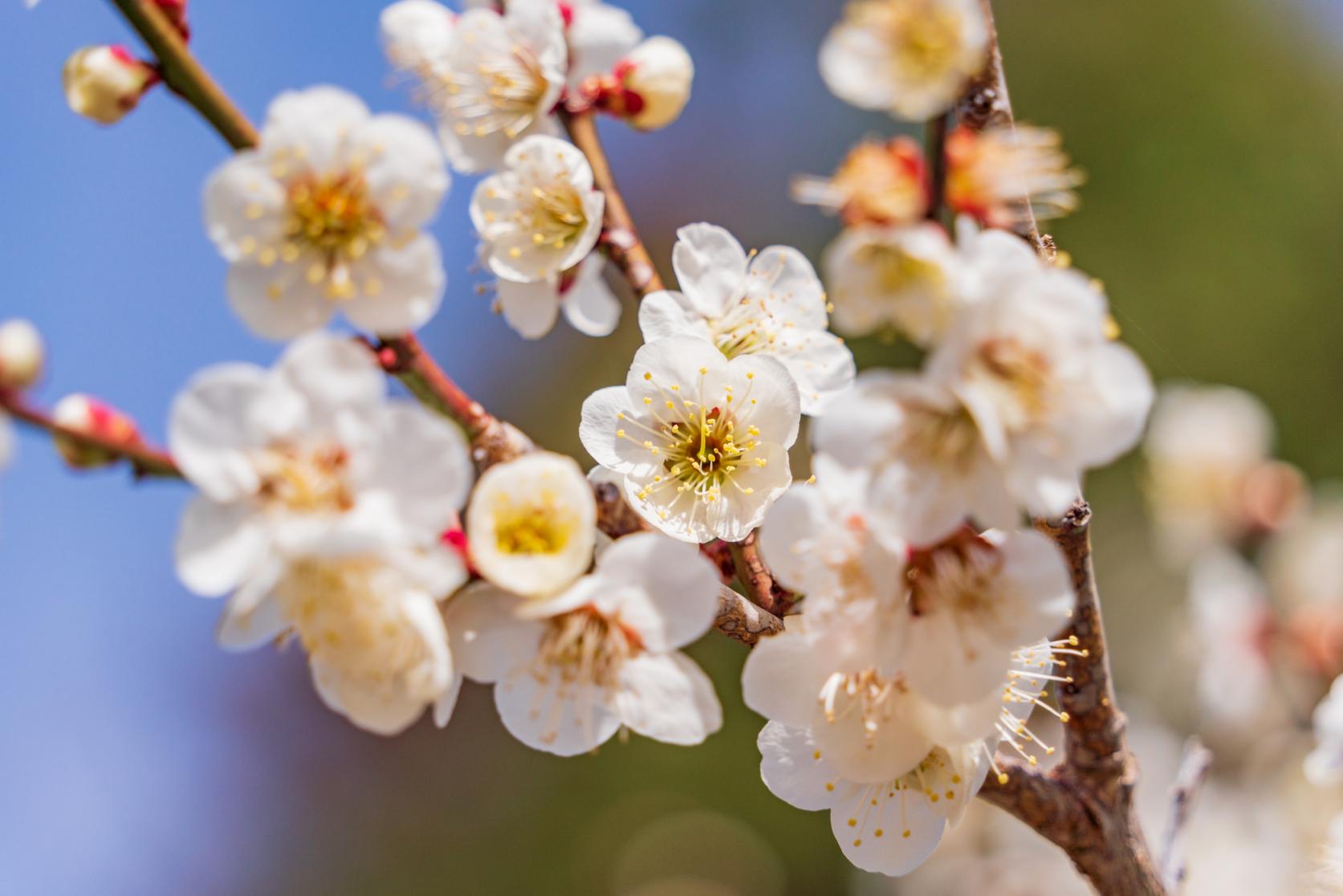
With the arrival of Risshun (the beginning of spring in the traditional calendar), it is officially spring in Japan. Although the weather is still cold, February is a time when you can gradually start to feel signs of spring. In the latter half of the month, flowers such as plum blossoms and rapeseed flowers begin to bloom across the country.
It is also the season when freshly brewed Japanese sake, prepared in autumn, starts to be released. As a result, many sake-related events are held throughout Japan.
Here are some of the events taking place in February.
Setsubun
Februrary 3 is Setsubun.
Setsubun is a traditional Japanese event to drive away bad luck, evil spirits, and illness, and to wish for good health. In Japan, people believed that demons appear at seasonal changes and bring disasters or diseases. To chase these demons out of the house and invite good fortune in, people throw soybeans. This custom is called mamemaki(bean throwing). Traditionally, the person born in the zodiac year or the head of the family threw the beans. Today, one person often plays the role of a demon, and families enjoy throwing beans together as a fun event. It is also said that if you eat the same number of beans as your age, or one more than your age, you will stay healthy and live a long life. (Source: Ministry of Agriculture, Forestry and Fisheries) Various Setsubun-related events are held throughout Fukuoka Prefecture.
-
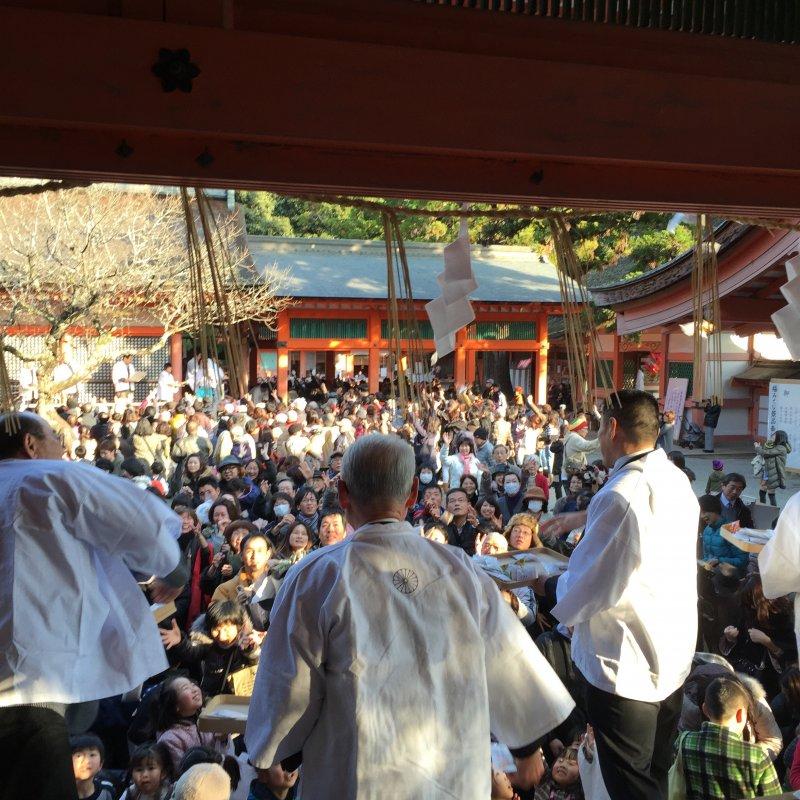
Kashii Shrine – Setsubun Festival
View moreThis festival is a traditional Shinto ritual to welcome the arrival of spring. Participants throw beans to drive away evil spirits and invite good fortune. A special prayer ceremony is also held for men and women whose birth year corresponds to the current zodiac sign, asking for protection from misfortune. Families with children gather in large numbers, making the event lively and fun for all.
-
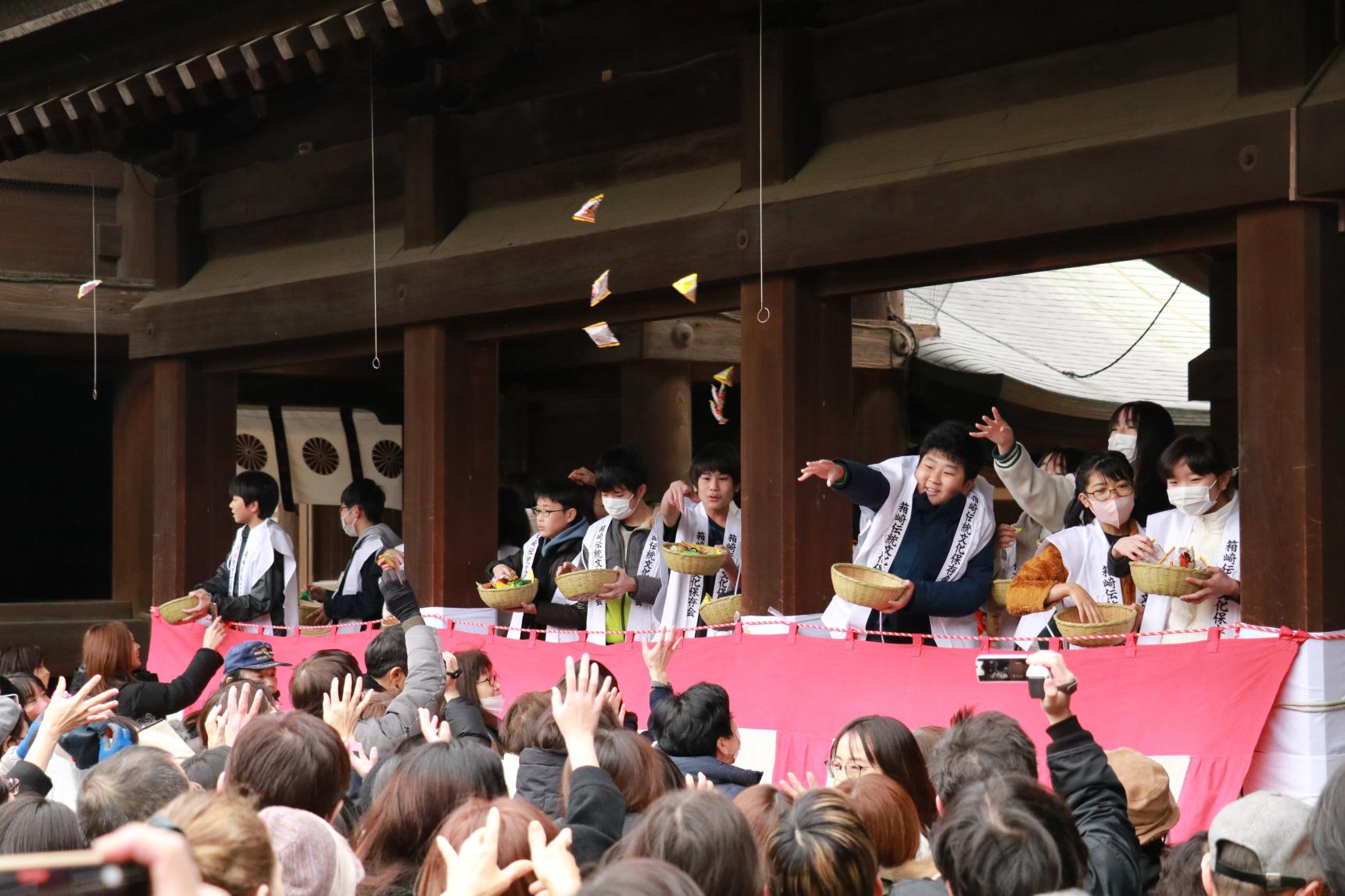
Hakozaki Shrine – Setsubun Festival
View moreOn Setsubun Day, a traditional Japanese ritual has long been held to ward off misfortune and evil spirits. The custom of throwing beans to drive away demons has its origins in the ancient Chinese ritual of Tsuina. At Hakozaki Shrine, sixth-grade students from Hakozaki Elementary School, who are parishioners of the shrine, are invited to participate in the bean-throwing ceremony (mamemaki) as part of the Setsubun Festival, continuing this centuries-old tradition.
-
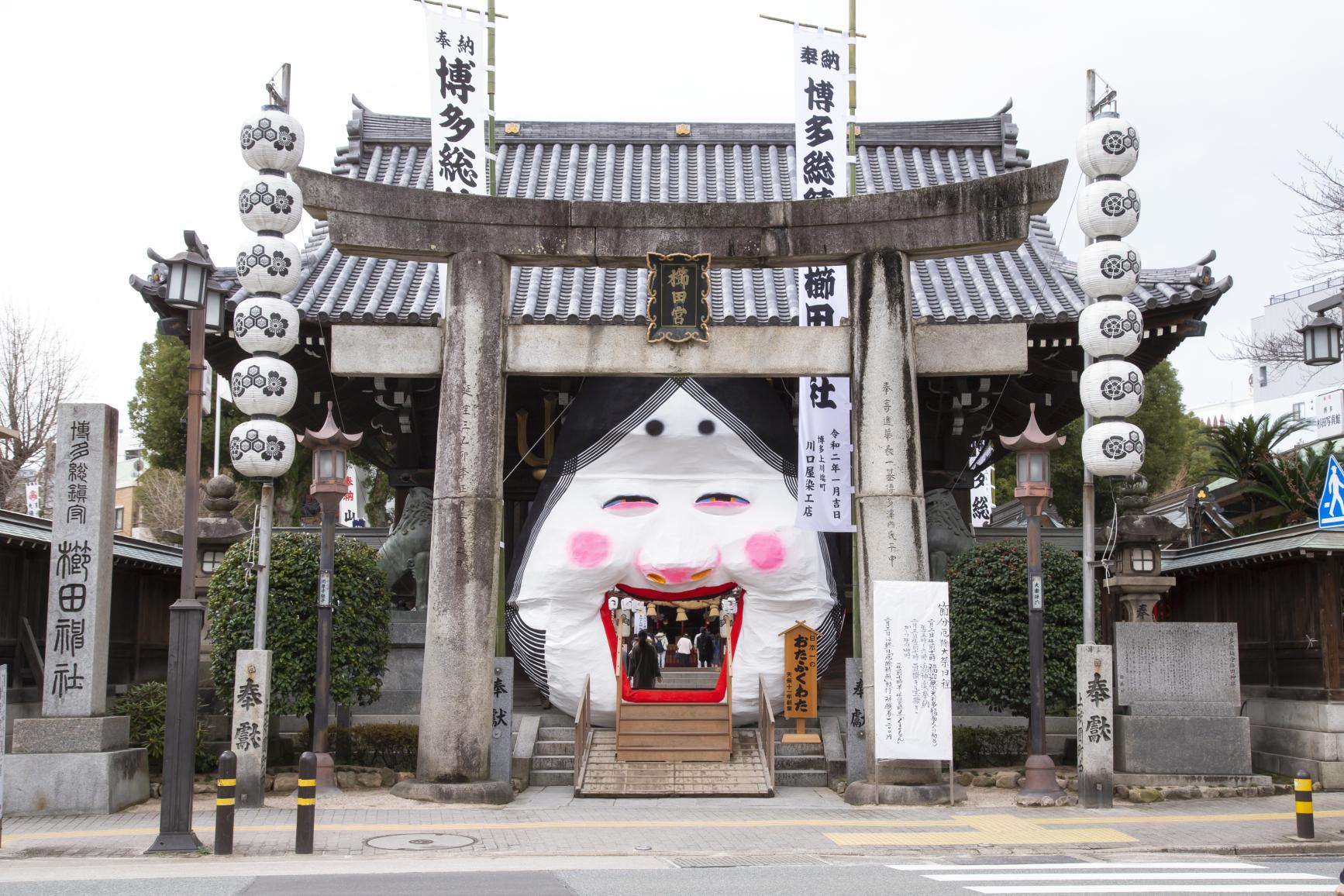
Kushida Shrine – Setsubun Grand Festival
View moreThe Setsubun Grand Festival at Kushida Shrine, held every February, features Japan’s largest “Otafuku” mask and a bean-throwing ceremony performed by well-known local figures. It’s a lively event where visitors can join in the tradition of driving away evil spirits and inviting good fortune.
-
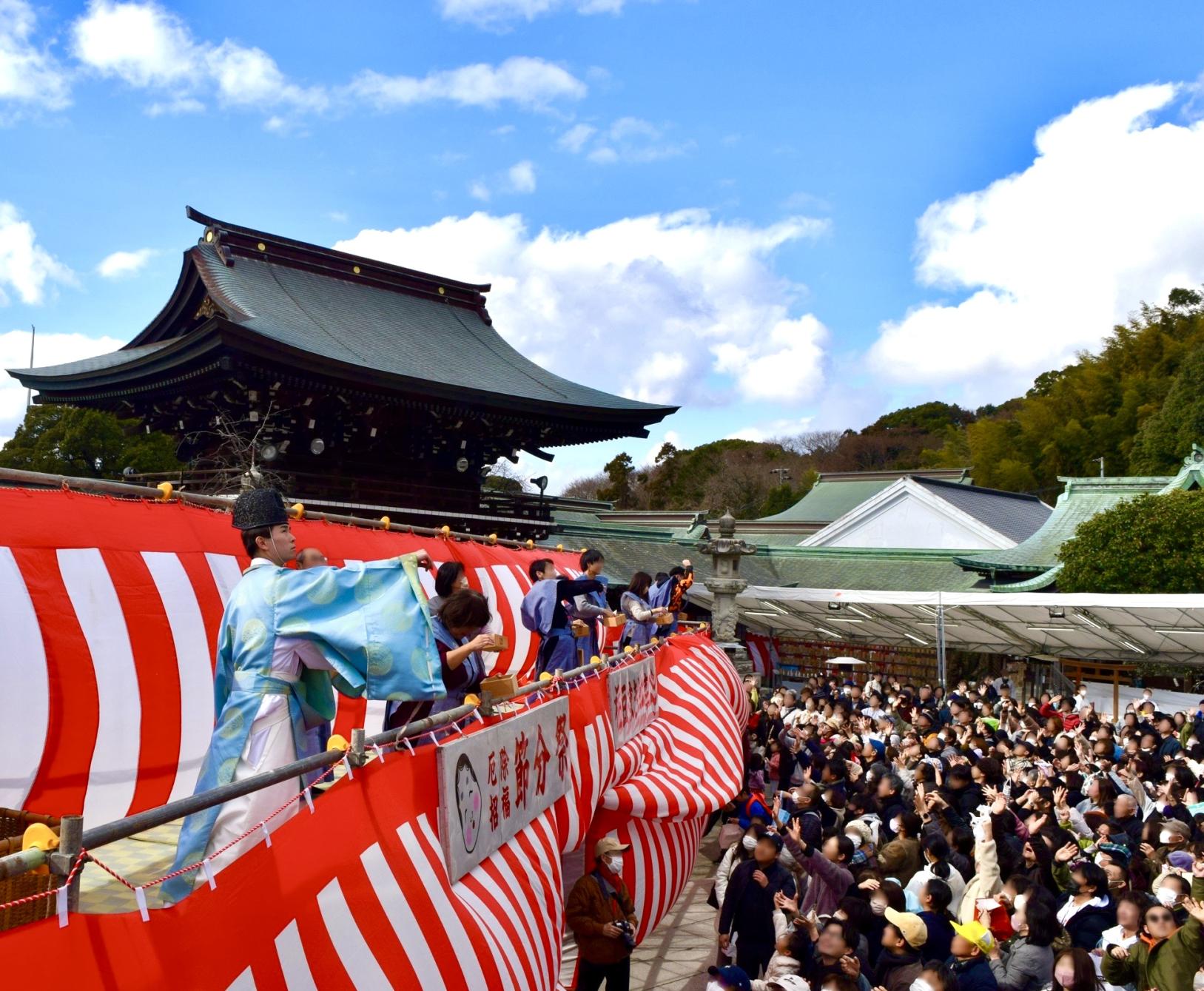
Miyajidake Shrine – Setsubun Festival Lucky Bean-Throwing Ceremony
View moreFrom a special stage, participants throw beans to drive away evil and invite good fortune. People in their unlucky years as well as men and women whose birth year matches the current zodiac sign wear traditional ceremonial attire called kamishimo and shout “Fuku wa uchi!” (“Fortune in!”) while tossing the beans. Visitors who catch the lucky beans and other Setsubun talismans receive a fortune lottery ticket, adding extra excitement to the festival.
-
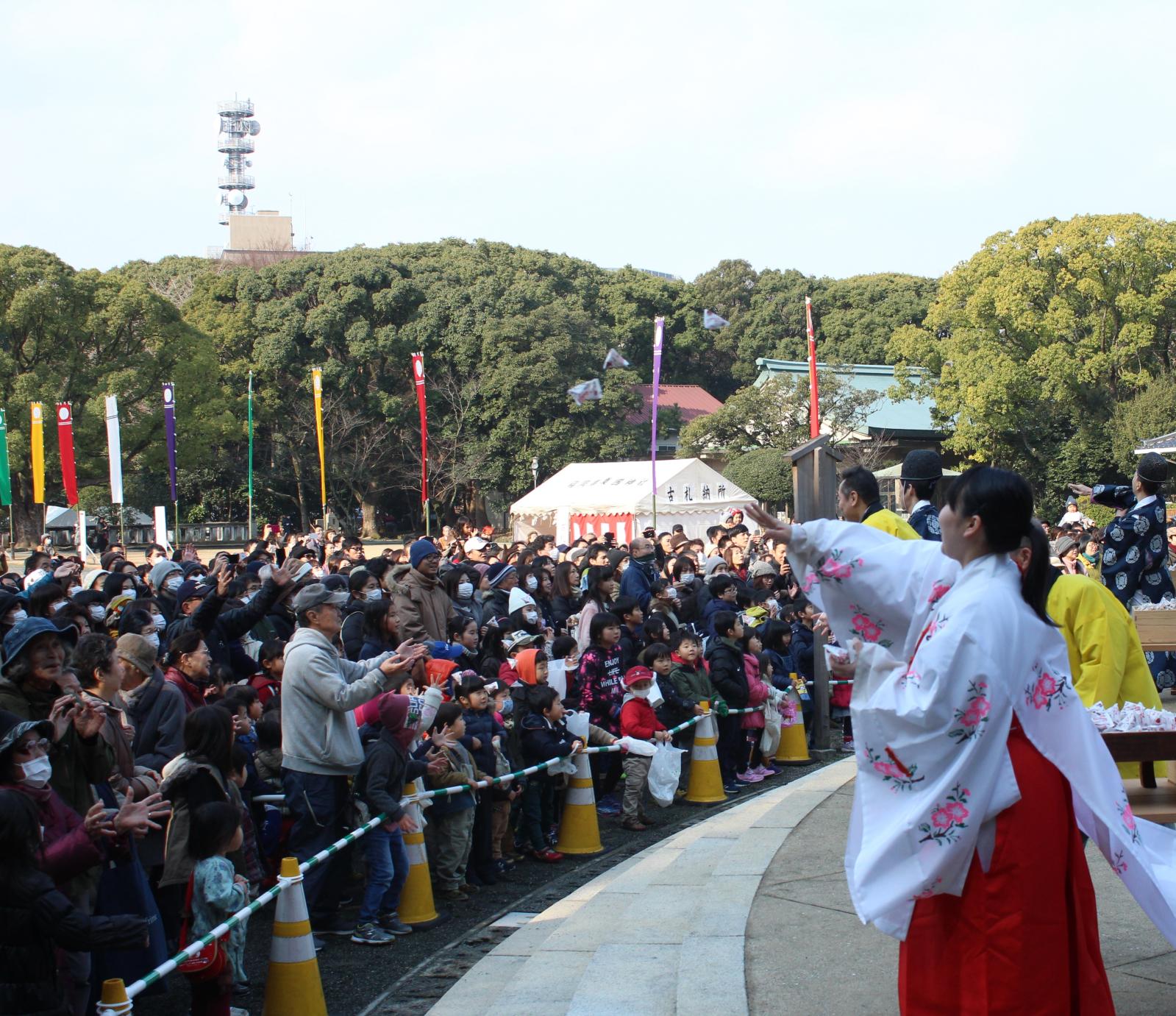
Fukuoka Prefectural Gokoku Shrine – Setsubun Festival
View moreA bean-throwing ceremony is held to pray for protection from misfortune and for the safety of households.
-

Munakata Taisha – Setsubun Festival
View moreAt this festival, evil spirits representing seasonal illnesses and misfortunes are driven away by throwing beans. Every year, a special bean-throwing ceremony (mameuchi-shiki) is held, where prizes—including local seafood and mountain produce from Munakata—are thrown to the crowd, adding excitement and fun to the event.
-
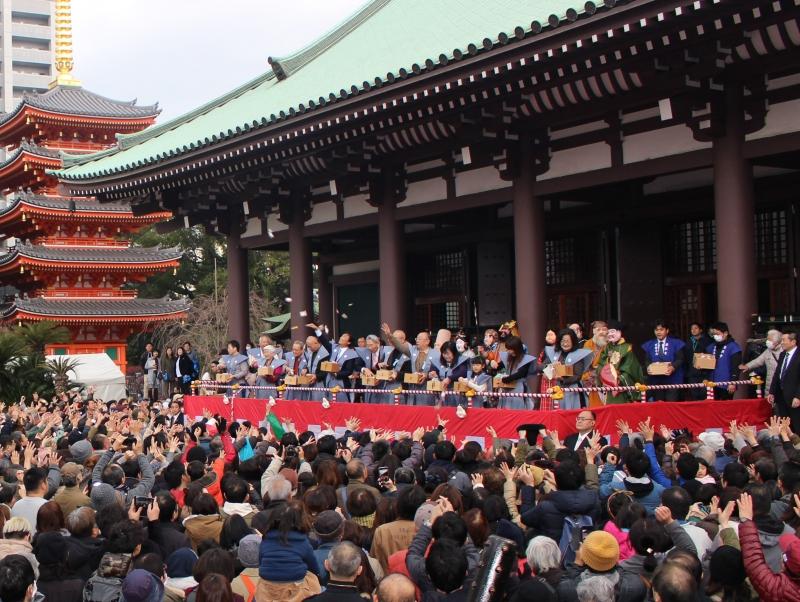
Tōchō-ji Temple – Setsubun Festival
View moreThe Setsubun Festival at Tōchō-ji Temple has been celebrated since the Muromachi period and attracts many visitors every year. On a special stage, a bean-throwing ceremony to invite good fortune and dispel evil is held together with the Seven Lucky Gods, who are highly revered as deities of “immediate elimination of seven calamities” and “instant fulfillment of seven blessings.” During the festival, visitors can also see the Senju Kannon statue, designated as an Important Intangible Cultural Property of Japan, and the Rokkakudō Hall, a Fukuoka City cultural property, which are specially opened to the public.
-
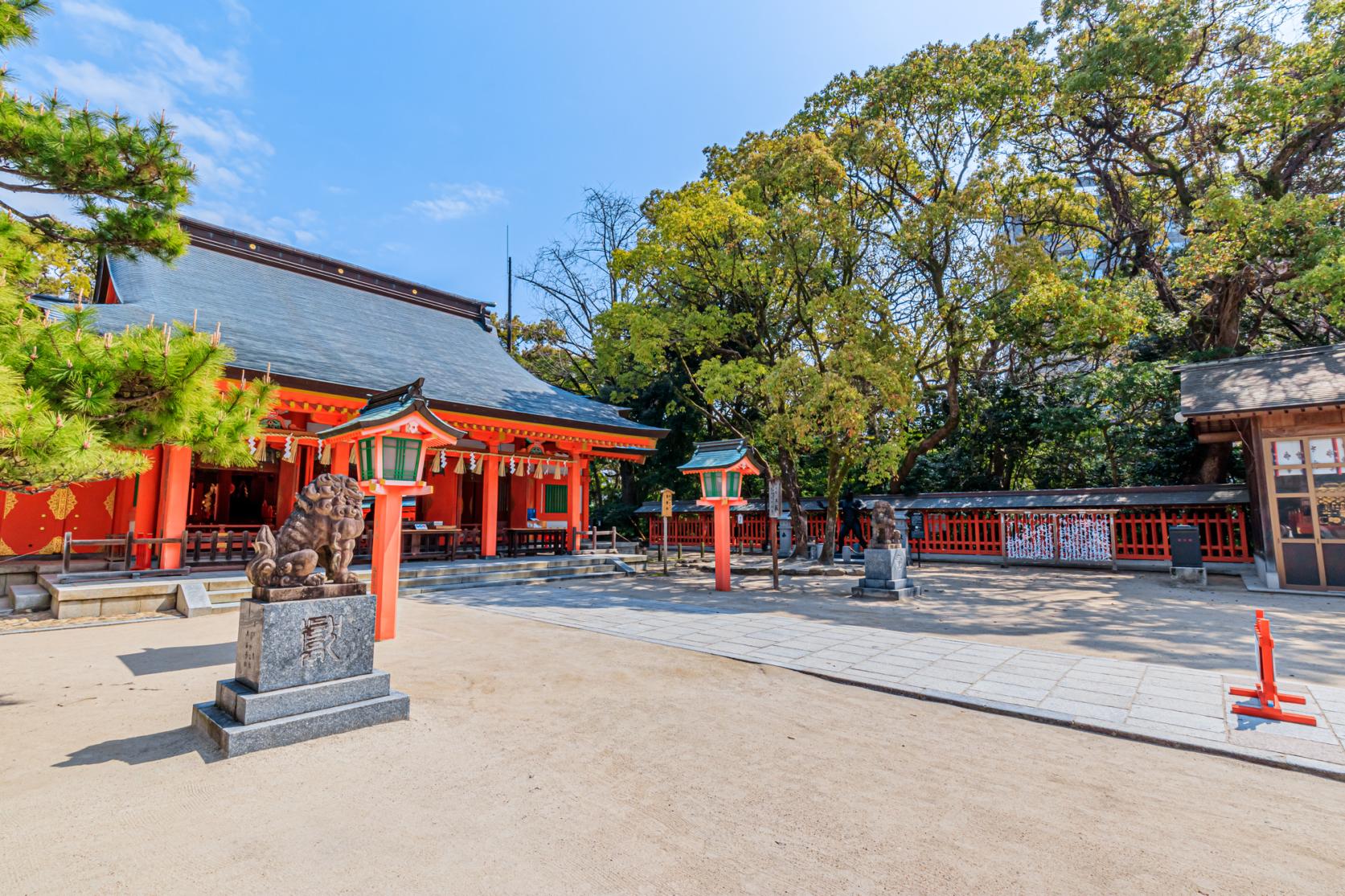
Sumiyoshi Shrine – Setsubun Festival
View moreDuring the festival, a figure called Hōsōshi, with four golden eyes and carrying a shield and spear, drives away evil spirits using a peach bow and reed arrows, which are believed to protect against epidemics. This is part of a traditional tsuina ritual for warding off misfortune and inviting good fortune. Afterward, a bean-throwing ceremony (mamemaki) is held at the Kaguraden Hall, where participants throw beans to drive away evil and welcome happiness.
Jojima Sake Brewery Opening Festival
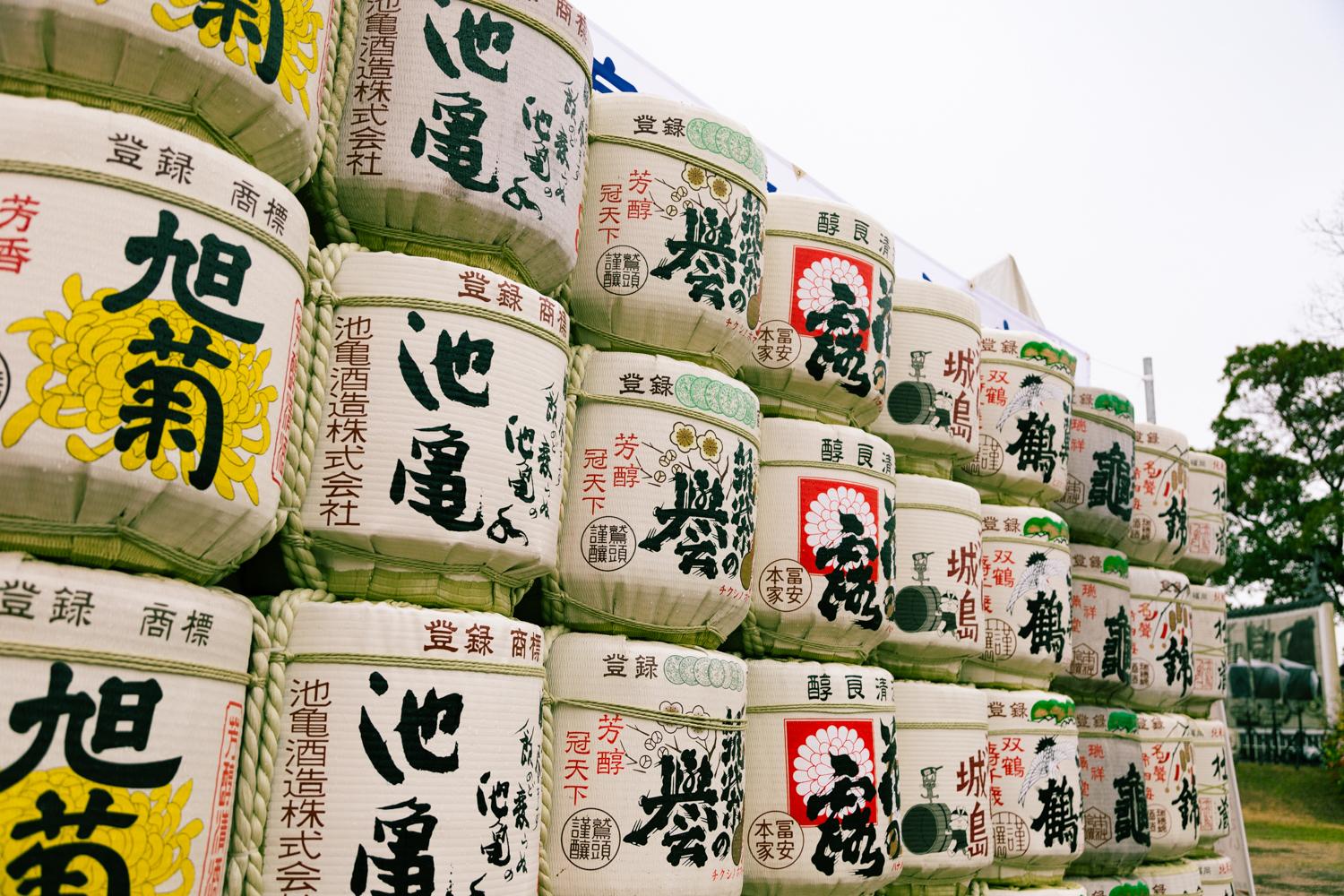
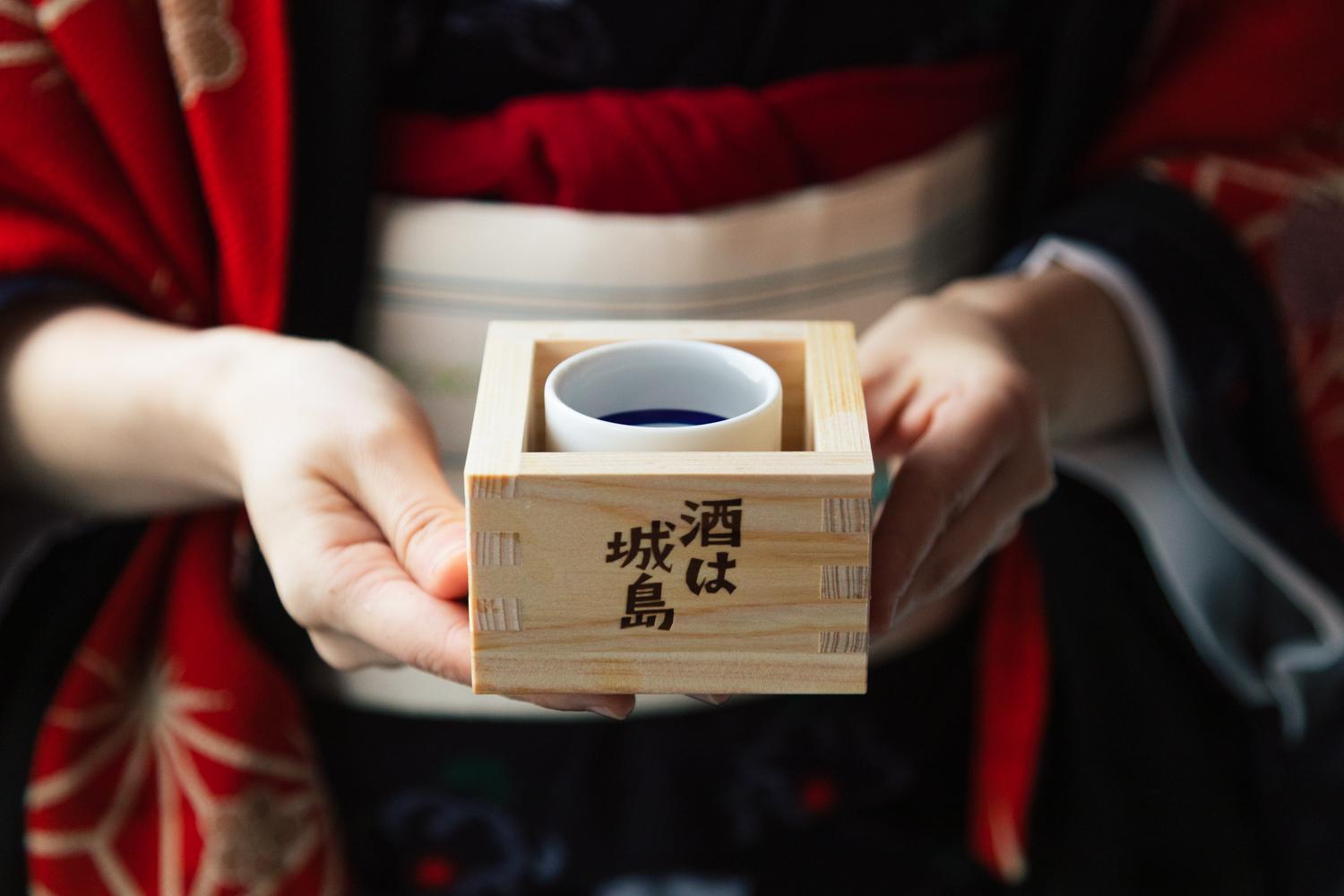
Jojima Sake Brewery Opening Festival, one of the largest sake events in Kyushu. At the main venue, visitors can enjoy events such as “Jojima Sake Tasting” and “Kakuchi” (standing sake bars). In addition, many sake breweries in the Jojima area host special events. You can take a shuttle bus to visit different breweries and taste freshly brewed new sake at each location.
Dates : Saturday, February 14 & Sunday, February 15, 2026
Path of Light and Setting Sun Festival Prayer Ceremony
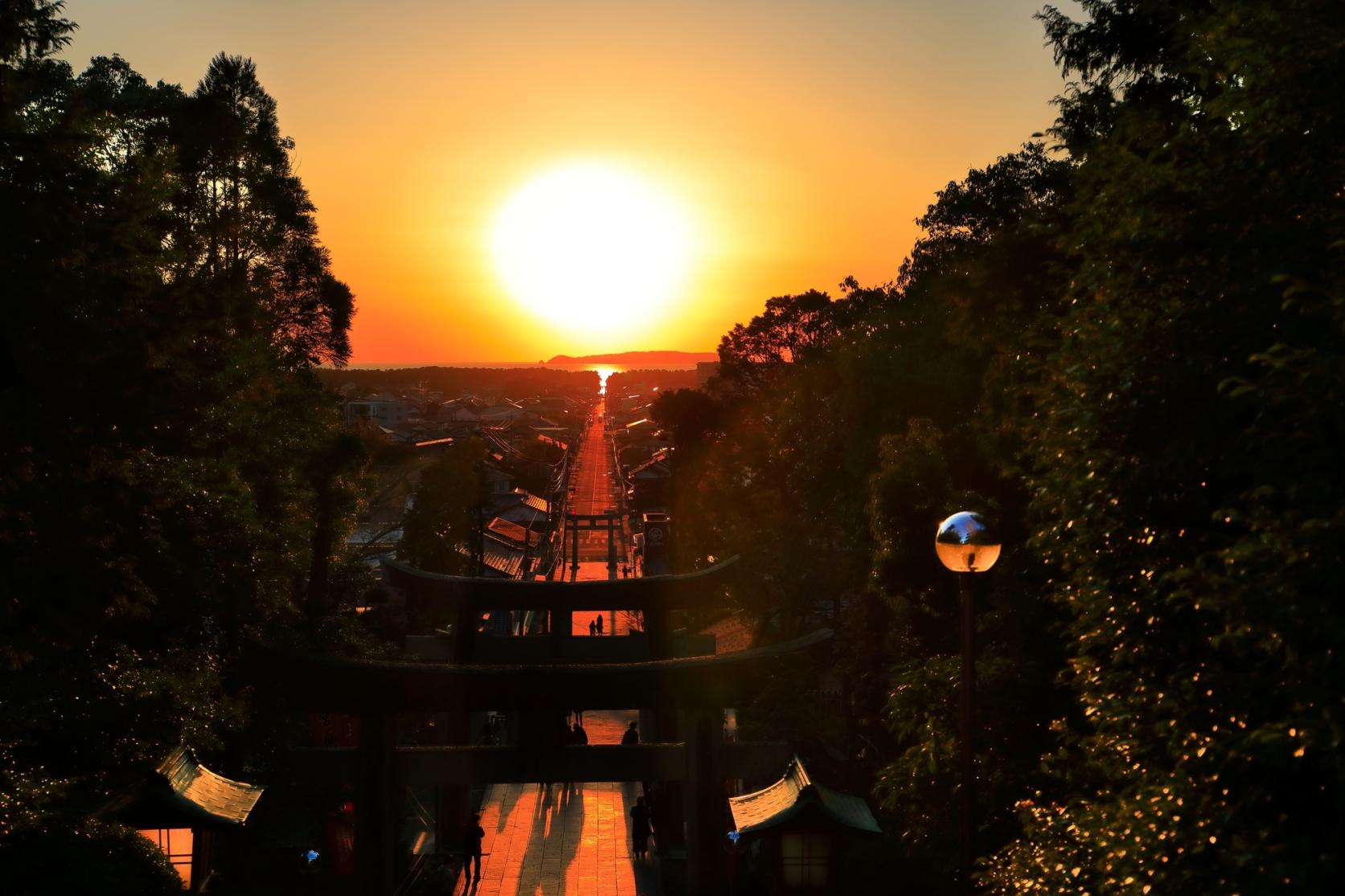
The “Path of Light,” visible only in February and October each year, is a miraculous sight in which the setting sun over the Genkai Sea shines straight down the approach to Miyajidake Shrine.
This sacred moment, believed to unite the land of Miyajidake with the Western Pure Land, has been carefully preserved and passed down through generations. During this period, the special “Setting Sun Festival Prayer Ceremony” is held.
Dates: February 19 (Thu) – February 28 (Sat), 2026
Akama-juku Festival
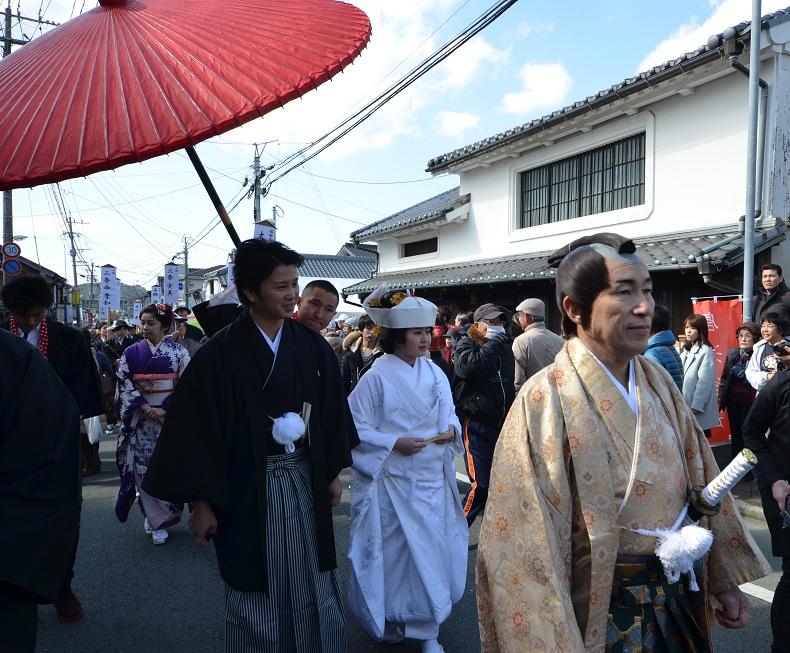
Akama-juku Festival is held in the Akama district of Munakata City, which flourished as a post town on the Karatsu Highway during the Edo period.
Today, Akama-juku Street, where old merchant houses and sake breweries still remain, becomes a pedestrian zone. Visitors can freely explore traditional houses and sake breweries.
Local residents run food and craft stalls, and stage events, starting with the Akama Taiko drum performance, create a lively atmosphere.
At the sake brewery openings, visitors can taste sake and purchase limited-edition bottles.
A highlight of the festival is the “Bride and Groom Parade”, where participants dressed as brides, grooms, officials, and townspeople walk along the street and receive blessings from the crowd. Anyone can apply to participate.
Date:Saturday, February 21 – Sunday, February 22, 2026
Yanagawa Hina Festival – Sagemon Tour
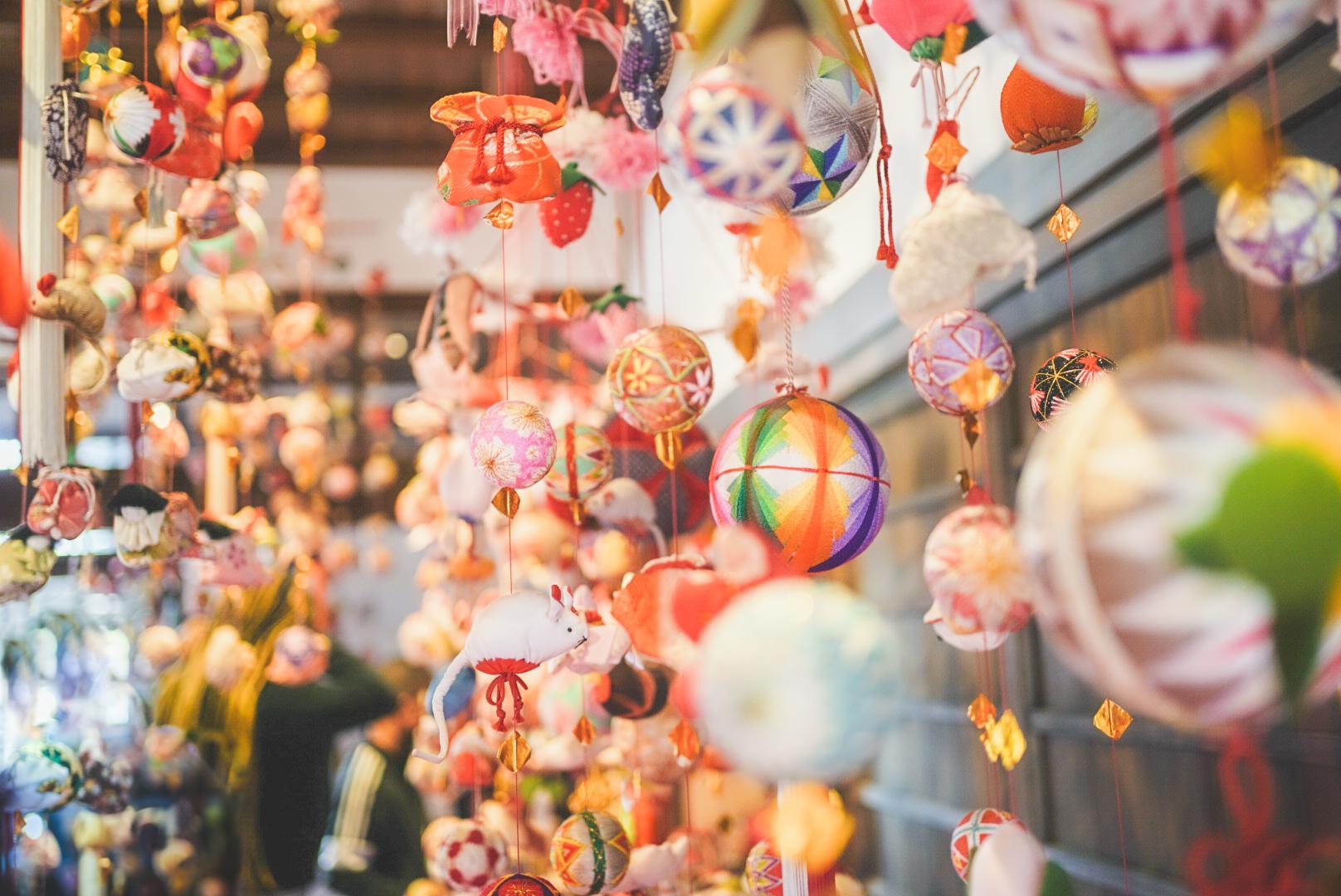
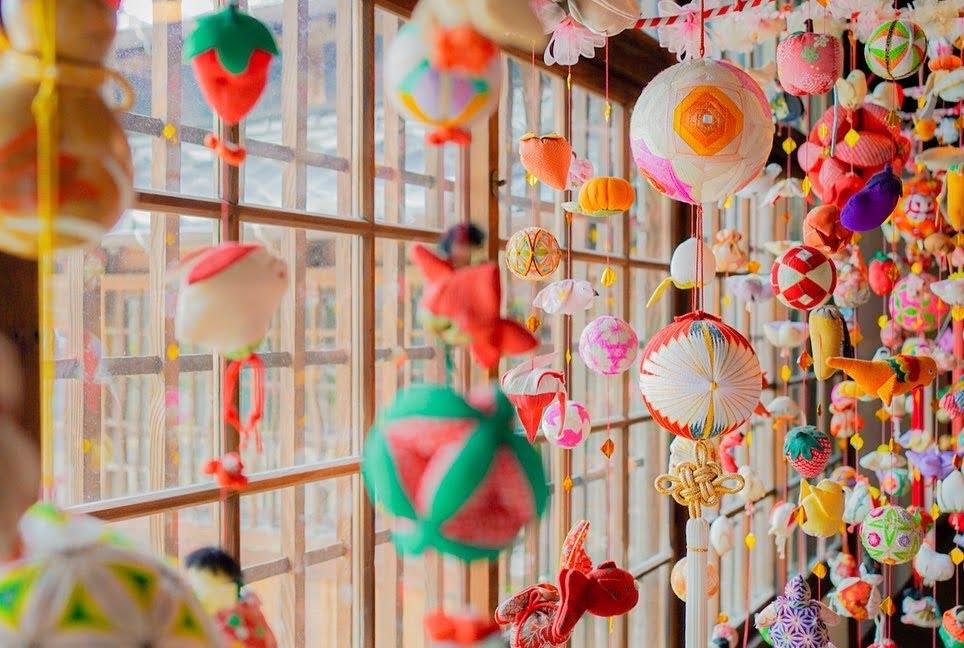
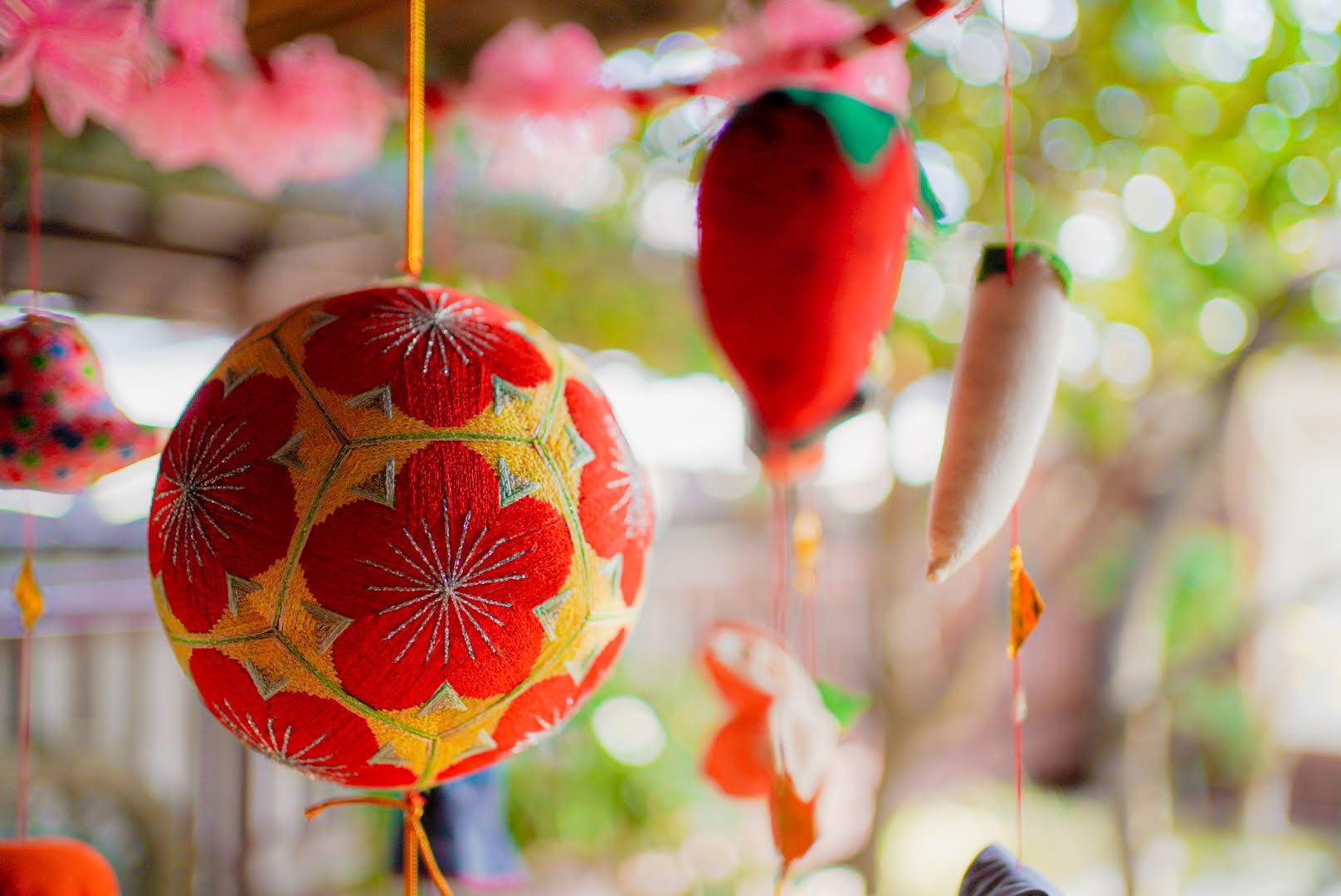
The Yanagawa Hina Festival – Sagemon Tour is a traditional celebration of a girl’s first Hina Doll Festival, featuring “Sagemon”, decorative hanging ornaments displayed next to the doll platforms. This festival is a Yanagawa tradition dating back to the Edo period.
During the festival, various events unique to the Yanagawa canal area, such as the “Nagashi-bina Festival” (floating dolls on the water), are held over a period of 52 days, creating a colorful and festive atmosphere.
Dates: Wednesday, February 11 – Friday, April 3, 2026
Iizuka Hina Festival
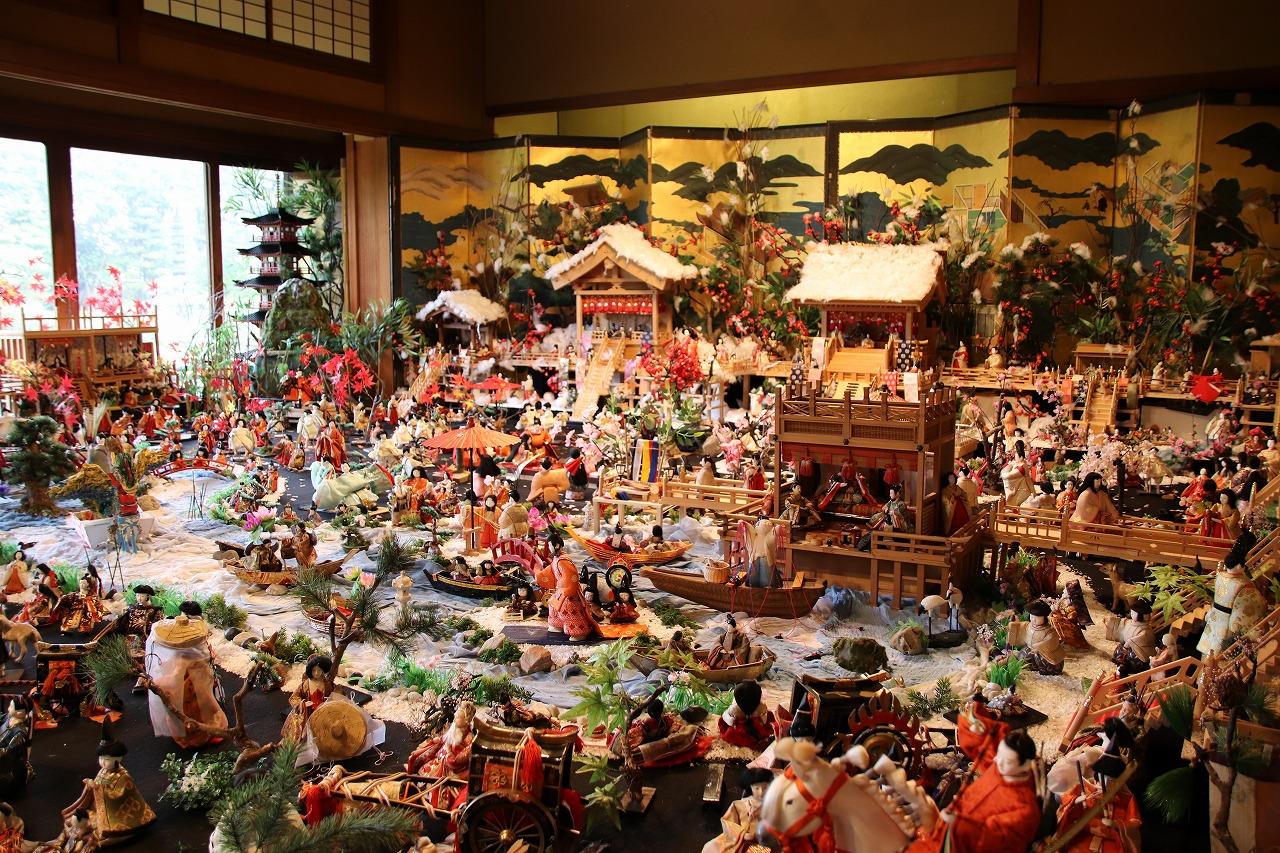
At the Iizuka Hina Festival, creative displays of Hina dolls and decorations are exhibited throughout the city’s shopping streets.
At the main venue, the Former Ito Denemon Residence, there will be night openings from March 1 to March 3, featuring bamboo lanterns displayed in the garden.
Dates: Saturday, February 7 – Sunday, March 22, 2026
Hina no Sato Yame Bonbori Festival
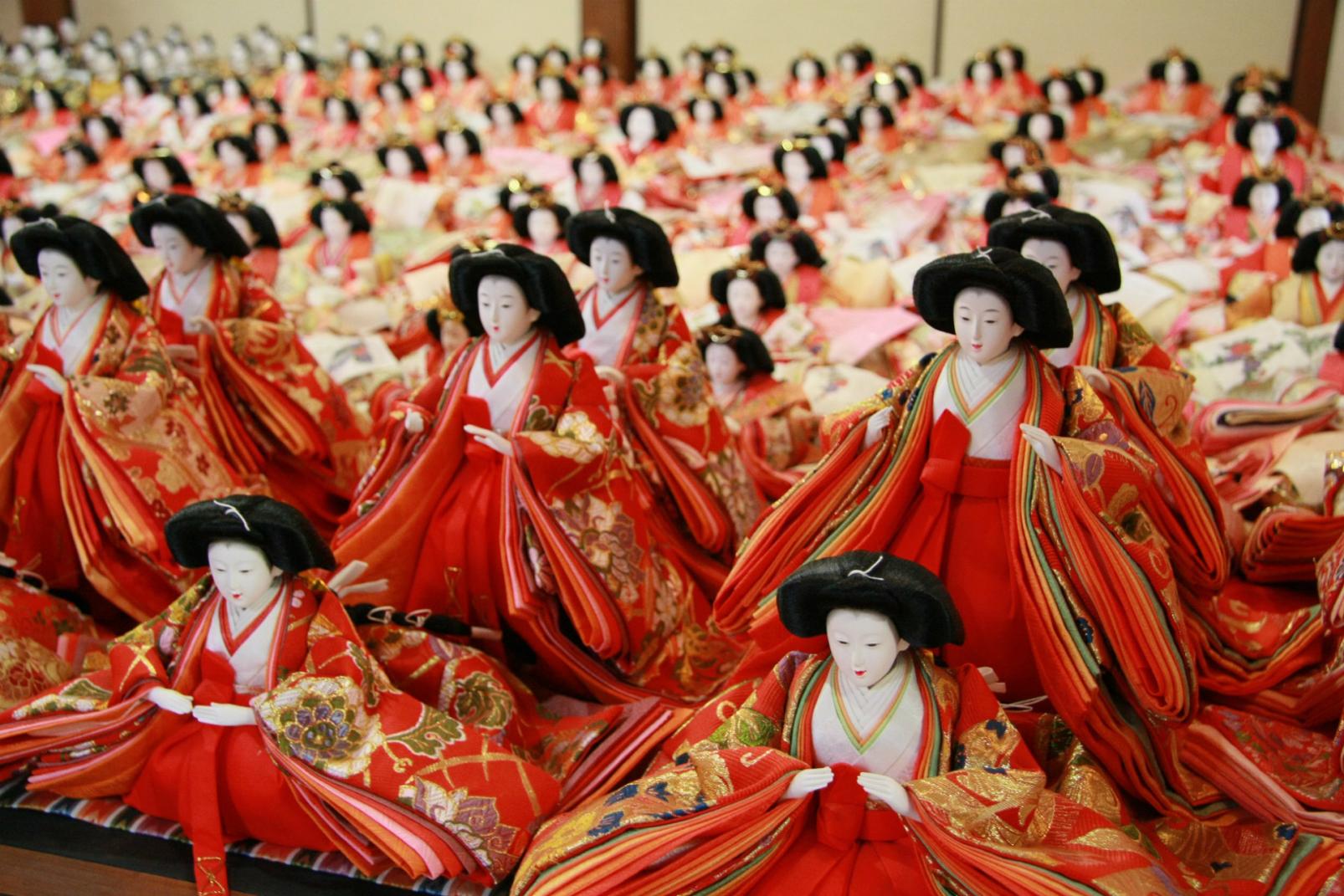
Hina no Sato Yame Bonbori Festival takes place in Yame, the birthplace of box-style Hina dolls, where Hina dolls have been crafted for centuries.
During the festival, Hina dolls are displayed around the white-walled streets of Yame-Fukushima, turning the city into a vibrant celebration of the dolls.
Events such as markets and stamp rallies are also held for visitors to enjoy.
Dates: Sunday, February 15 – Sunday, March 15, 2026
Hiraodai Controlled Grass Burning (Kitakyushu City)
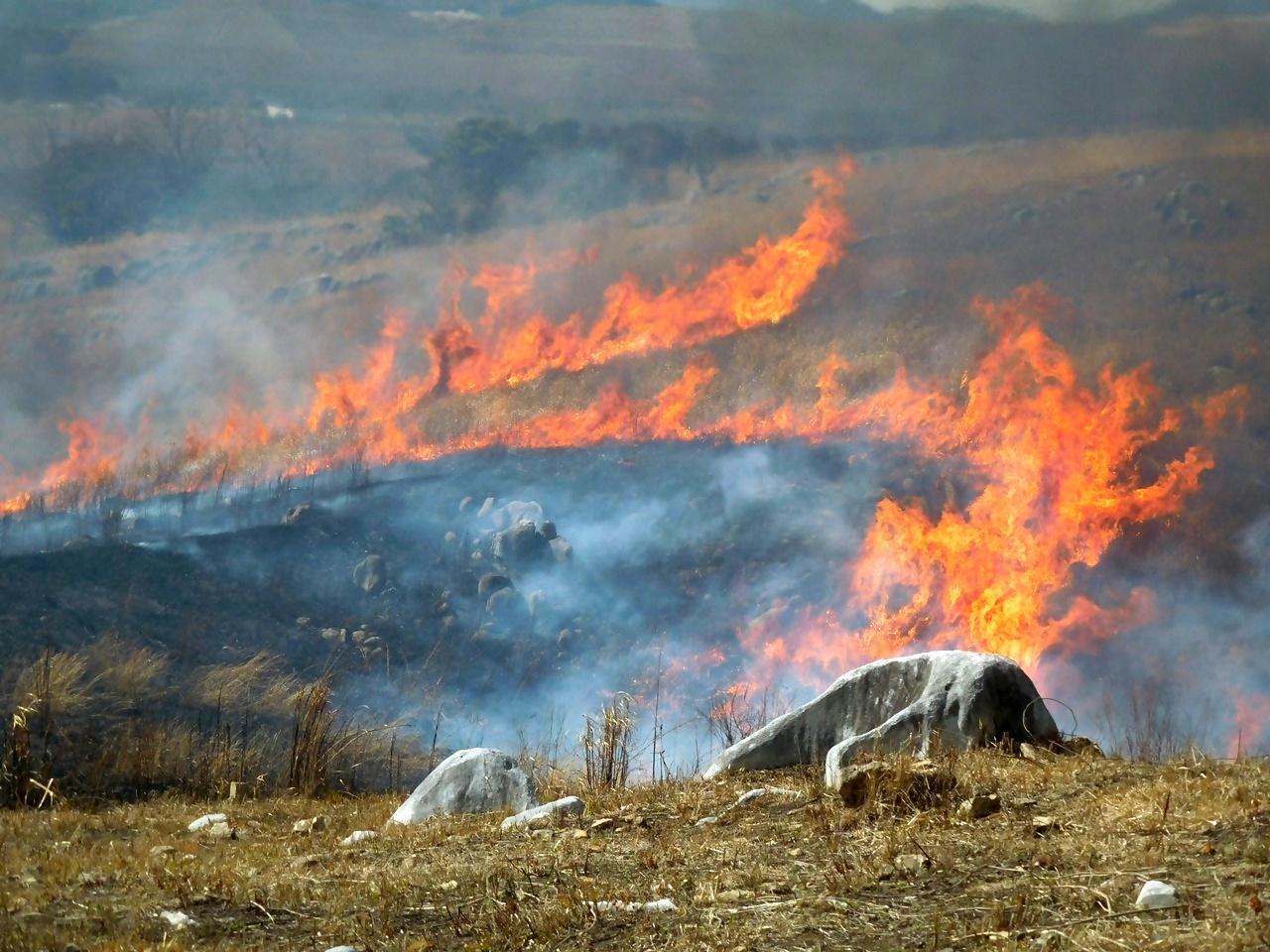
A spring tradition on Hiraodai, one of Japan’s largest karst plateaus stretching across Kitakyushu City. Known for its unique landscape of grasslands dotted with white limestone, Hiraodai holds this annual controlled grass burning to help preserve its beautiful scenery.
By burning away dried grass, the process prevents pests and encourages fresh greenery to emerge in spring, transforming the plateau into a vibrant, life-filled landscape. On the day of the burning, visitors can witness vast blackened fields and rising smoke across Hiraodai—a powerful reminder of nature’s scale and rhythm.
The event is carefully carried out with safety as the top priority, in cooperation with local residents and fire brigades. Visitors are advised to check restricted areas and traffic information in advance. After the burning, the season of soft new grass makes the area especially pleasant for hiking and leisurely walks.
Date: Sunday, February 22, 2026Date
Reserve dates: February 28 (Sat), March 1 (Sun), March 7 (Sat), March 21 (Sat), March 22 (Sun)
Famous Plum Blossom Spots
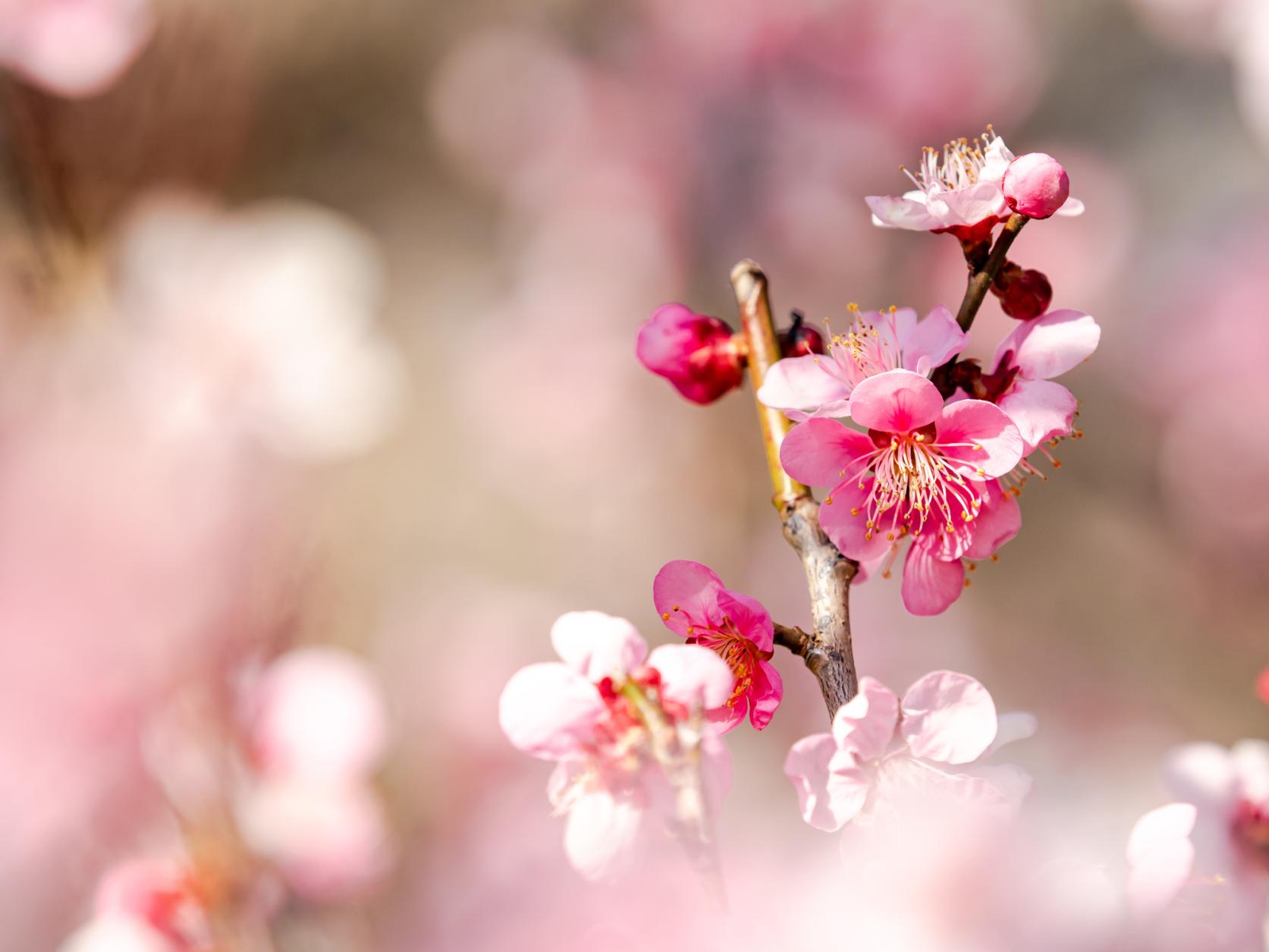
Plum blossoms, which signal the arrival of spring, can be seen at famous spots throughout the prefecture, including Dazaifu Tenmangu Shrine and Tanigawa Plum Grove.
The best viewing period is generally from early January to early March, but it may vary depending on the weather, so please check before visiting.
Rapeseed Flower Viewing Spots
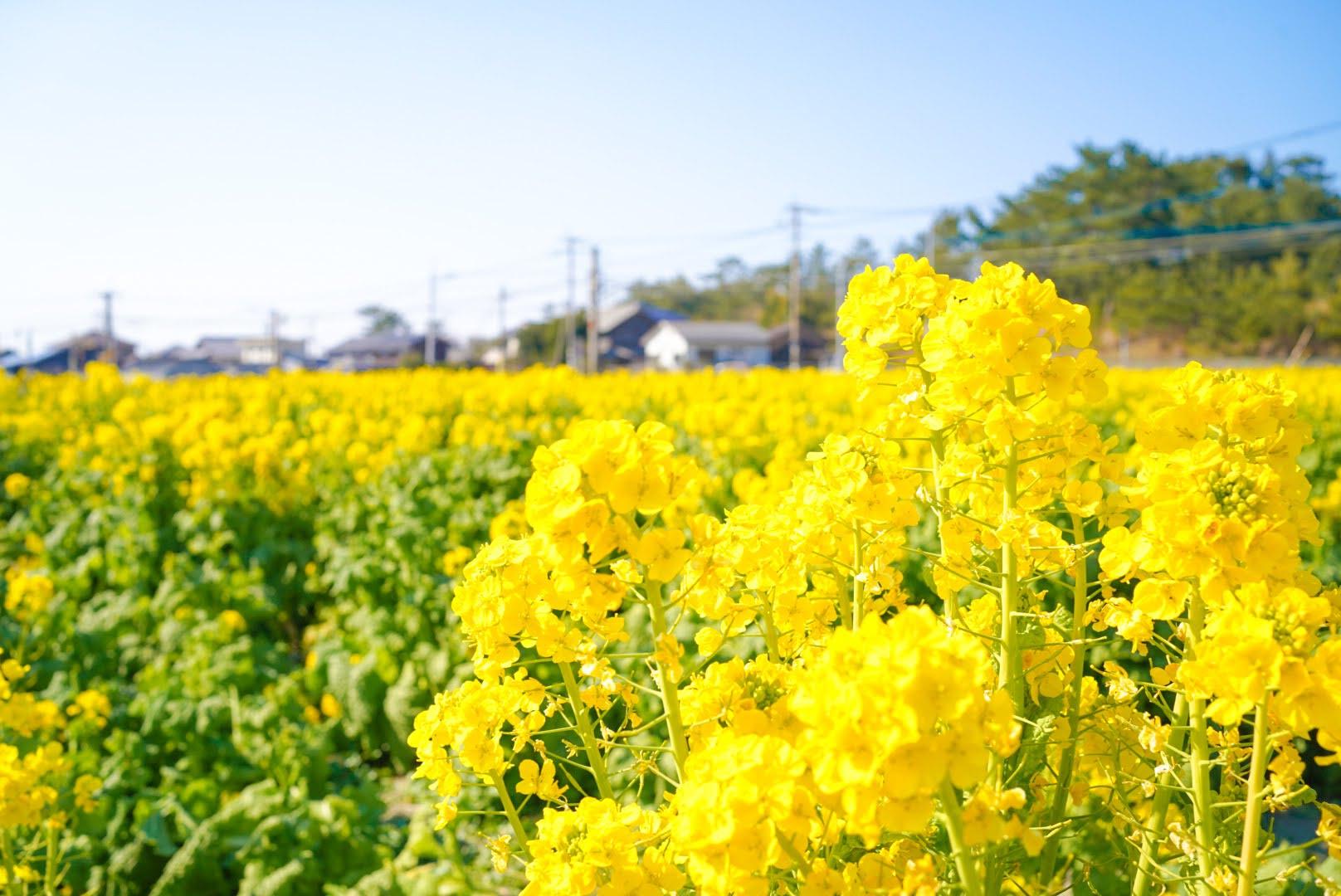
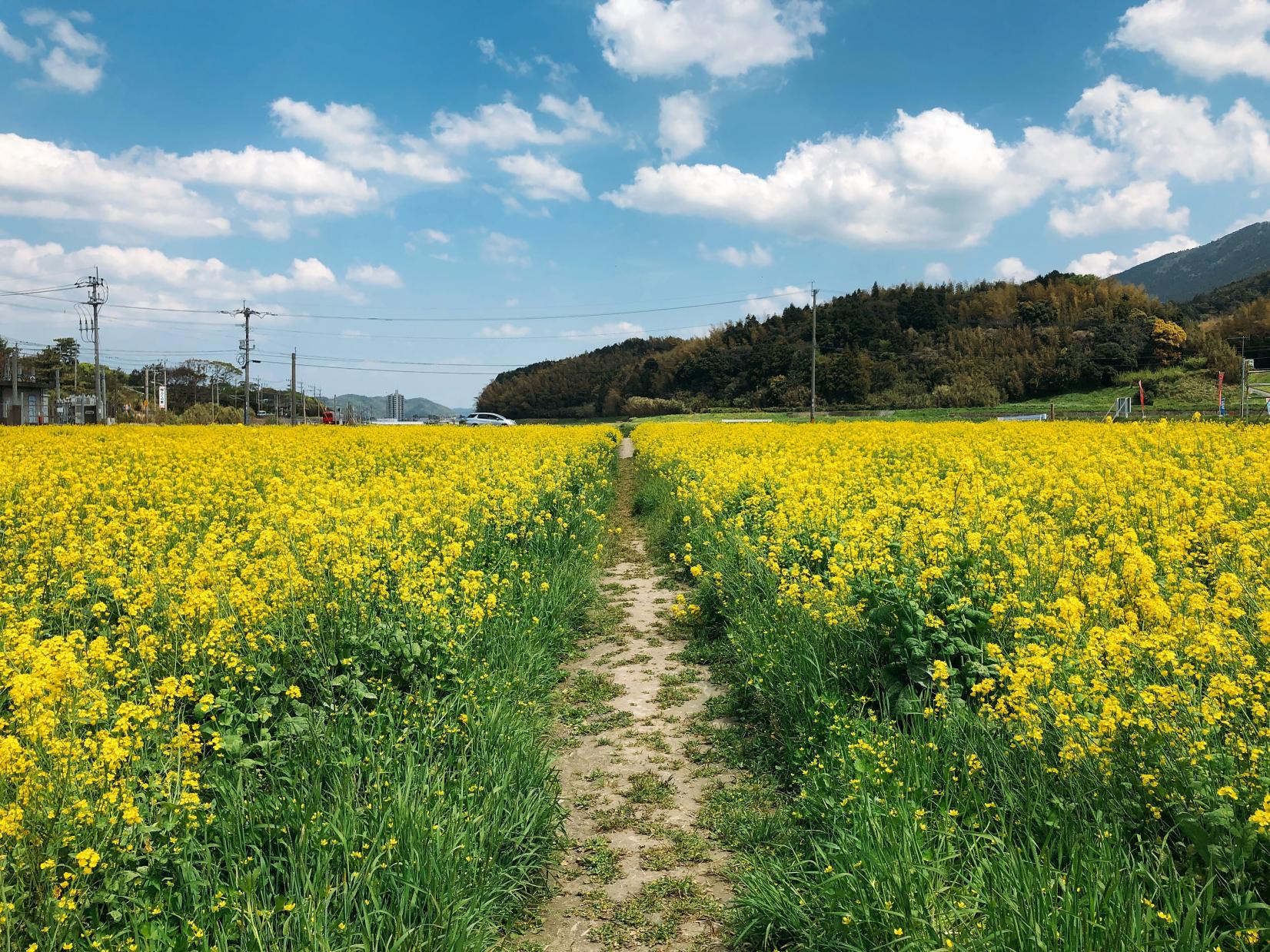
Rapeseed flowers (nanohana) signal the arrival of spring. Their bright yellow blooms lift your spirits and brighten the landscape!
Across Fukuoka Prefecture, you can enjoy vast rapeseed fields that stretch like golden carpets, as well as spots where the yellow flowers beautifully contrast with the pink cherry blossoms.
Kawazu Cherry Blossom Viewing Spots
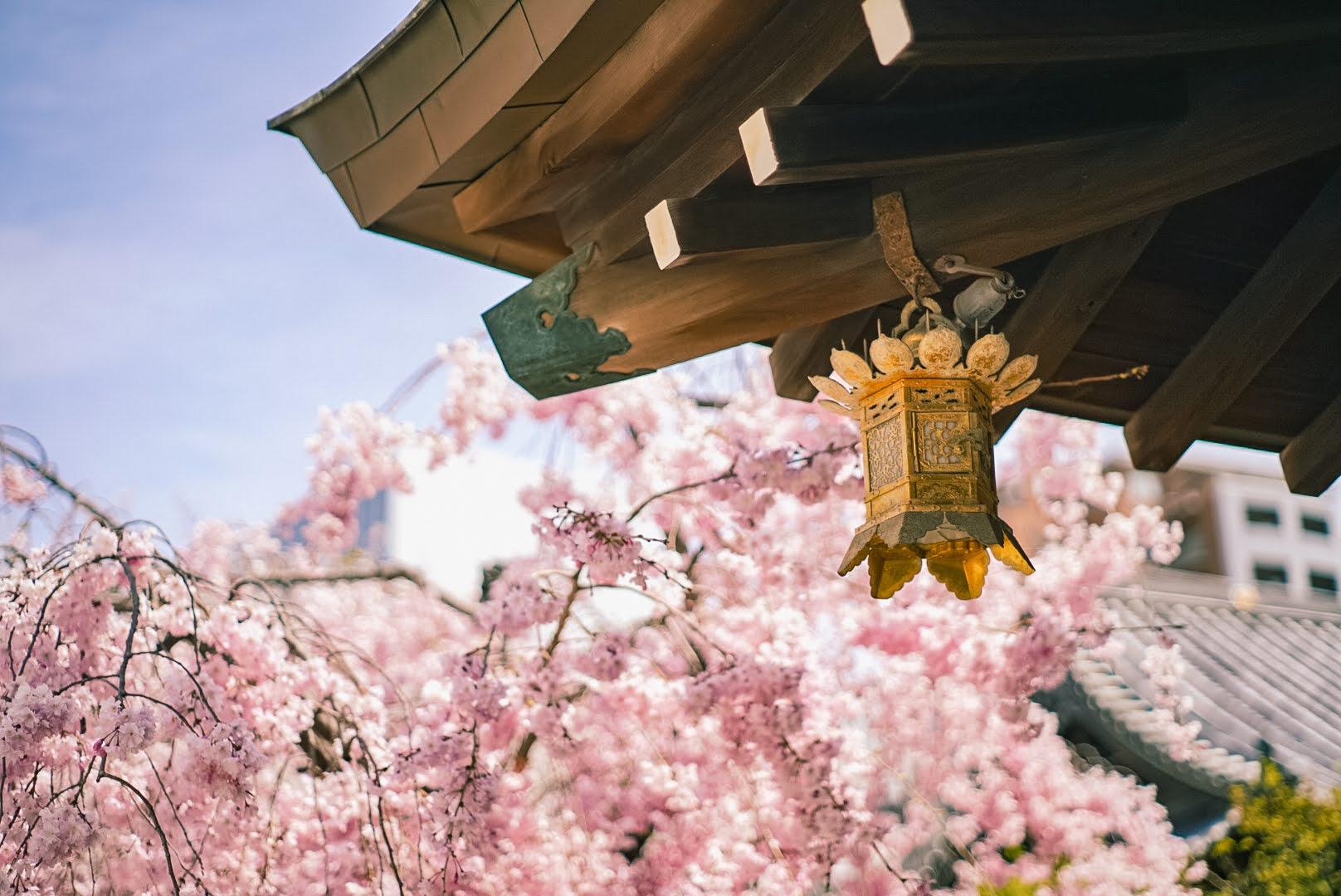
Kawazu-zakura cherry blossoms, blooming slightly earlier than plum blossoms, herald the arrival of spring. They begin to bloom around February, with striking deep pink petals that immediately catch the eye.
The large, showy flowers create a festive atmosphere, offering a different charm compared to the more familiar Somei-Yoshino cherry blossoms.
Warm Up in a Hot Spring! Fukuoka’s Onsen Inns and Day-Use Baths
-
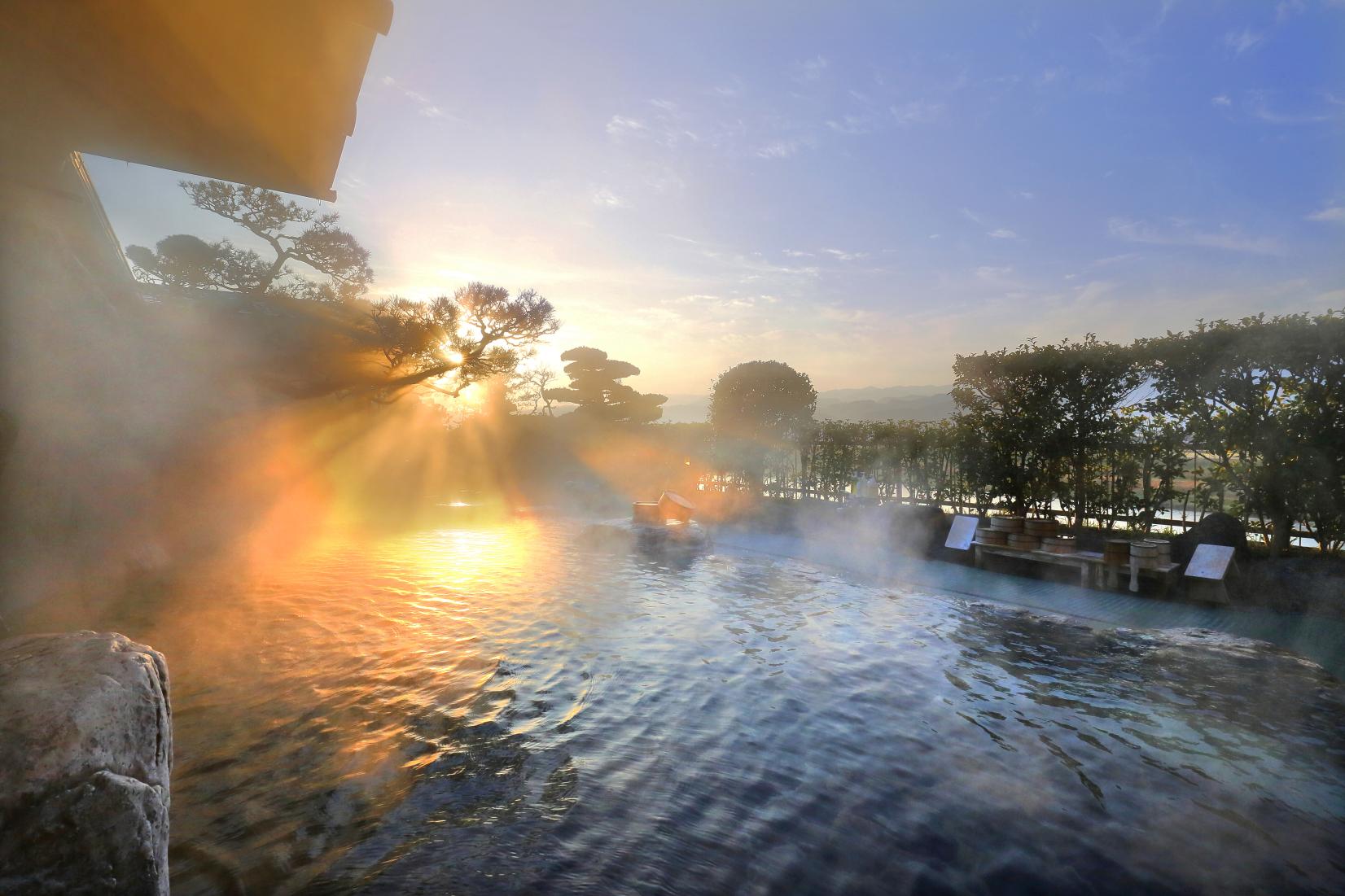
【Harazuru Onsen】Hodoai no Yado Roppokan
A refined Japanese-modern atmosphere fills the property, elevating the quality of your stay from the moment you arrive.View more
Beyond the calming lounge, you’ll find a foot bath waiting for you.After check-in, soak your feet while gazing out over the Chikugo River.
It’s an easy, soothing way to let travel fatigue melt away.
Guest rooms are thoughtfully designed, ranging from simple and comfortable standard rooms to special rooms with private onsen baths, as well as pet-friendly options where you can stay with your dog.From every room, you can enjoy peaceful views of the gently flowing Chikugo River and surrounding countryside.
The panoramic open-air bath on the top floor is another highlight.Relax in high-quality onsen water while taking in the beautiful scenery spread out below.
Dining is equally memorable.Each dish is crafted around carefully selected seasonal ingredients from the local area.Rooted in Japanese cuisine yet guided by free-spirited creativity, the flavors are designed to delight all five senses.
Get a Head Start on Spring! Strawberry Picking
-
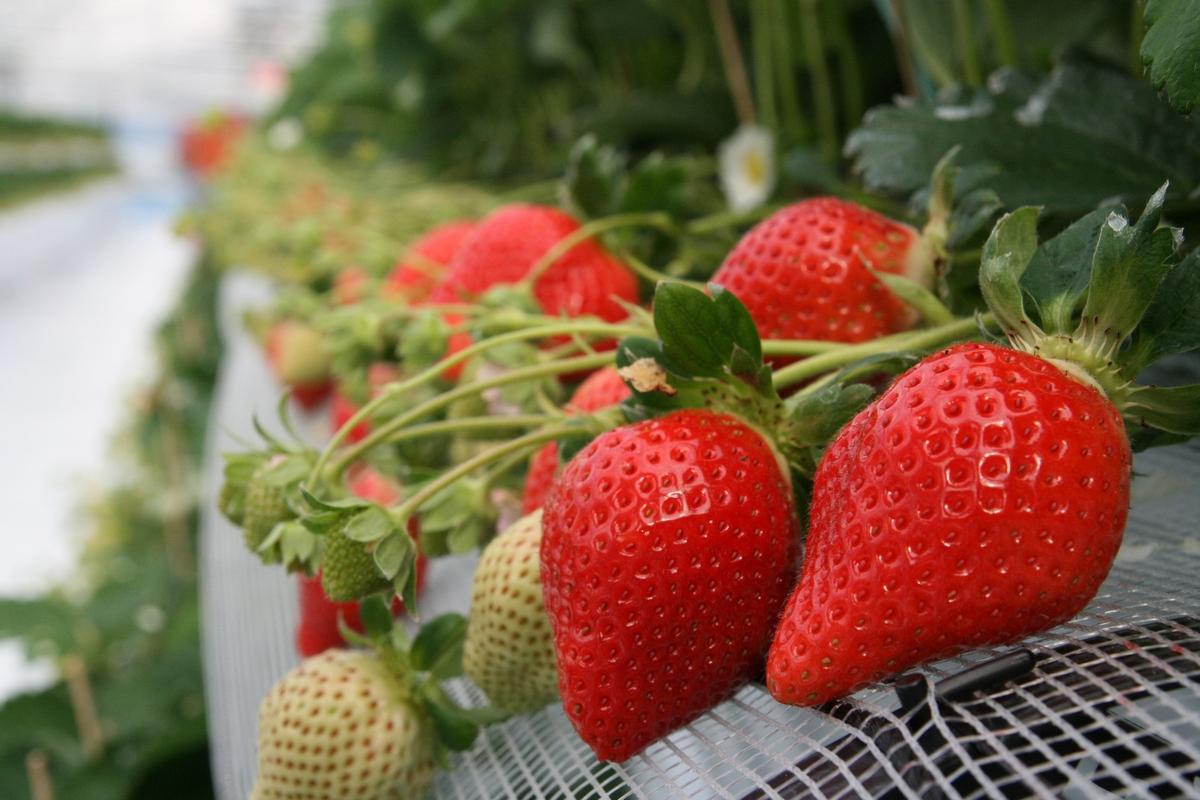
Pooh’s Strawberry Farm (Yame City)
View morePooh’s Strawberry Farm in Yame City is one of the largest strawberry farms in Kyushu, growing 11 different varieties. Visitors can enjoy tasting and comparing a wide range of fresh, delicious strawberries.
Thanks to elevated cultivation, the strawberries are hygienic, safe, and easy to pick. Wide pathways allow wheelchair access, and children can enjoy picking berries from both upper and lower rows.
Walk-in visitors are welcome, and strawberry picking is also recommended in late March to early April, when Miyano Park’s cherry blossoms are in bloom.
After strawberry picking, you can relax at the nearby Bengara Village hot springs, making for a perfect day trip.
-
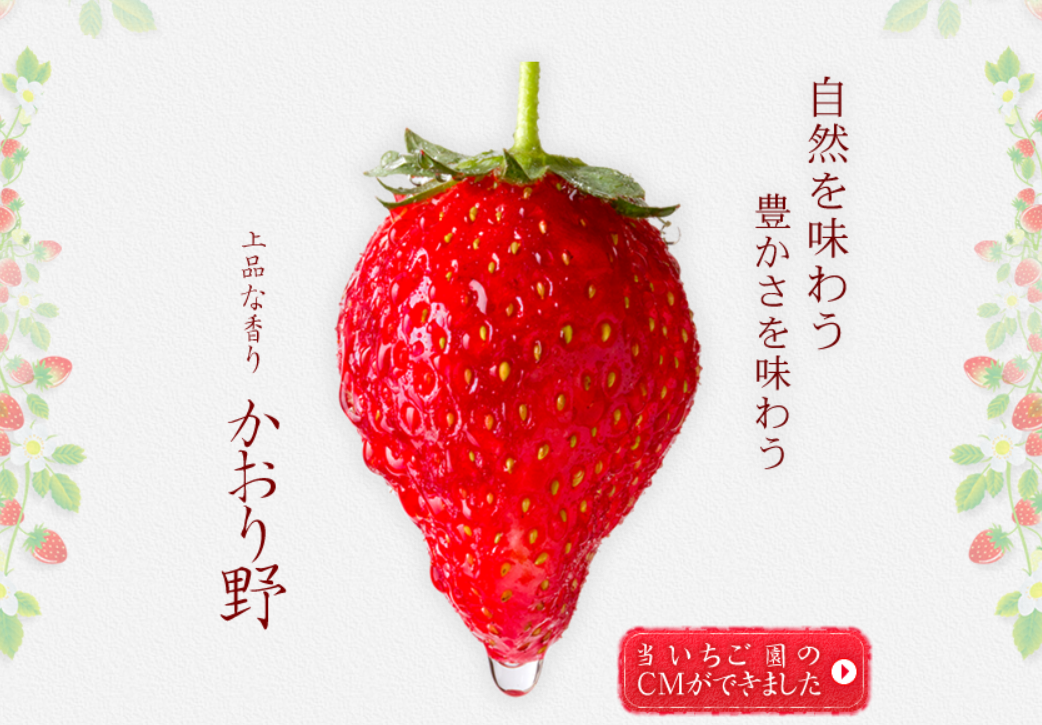
Tsuru Strawberry Farm (Chikugo City)
View moreTsuru Strawberry Farm in Chikugo City offers strawberry picking featuring the famous “Kaorino” variety.
Kaorino strawberries are known for their elegant fragrance, juicy sweetness, large size, high sugar content, and low acidity. Because of their naturally delicious flavor, no condensed milk or sugar is provided, allowing you to fully enjoy the fresh taste of the strawberries.
If you are visiting Chikugo or Kurume, be sure to take the time to enjoy strawberry picking at this farm!
-
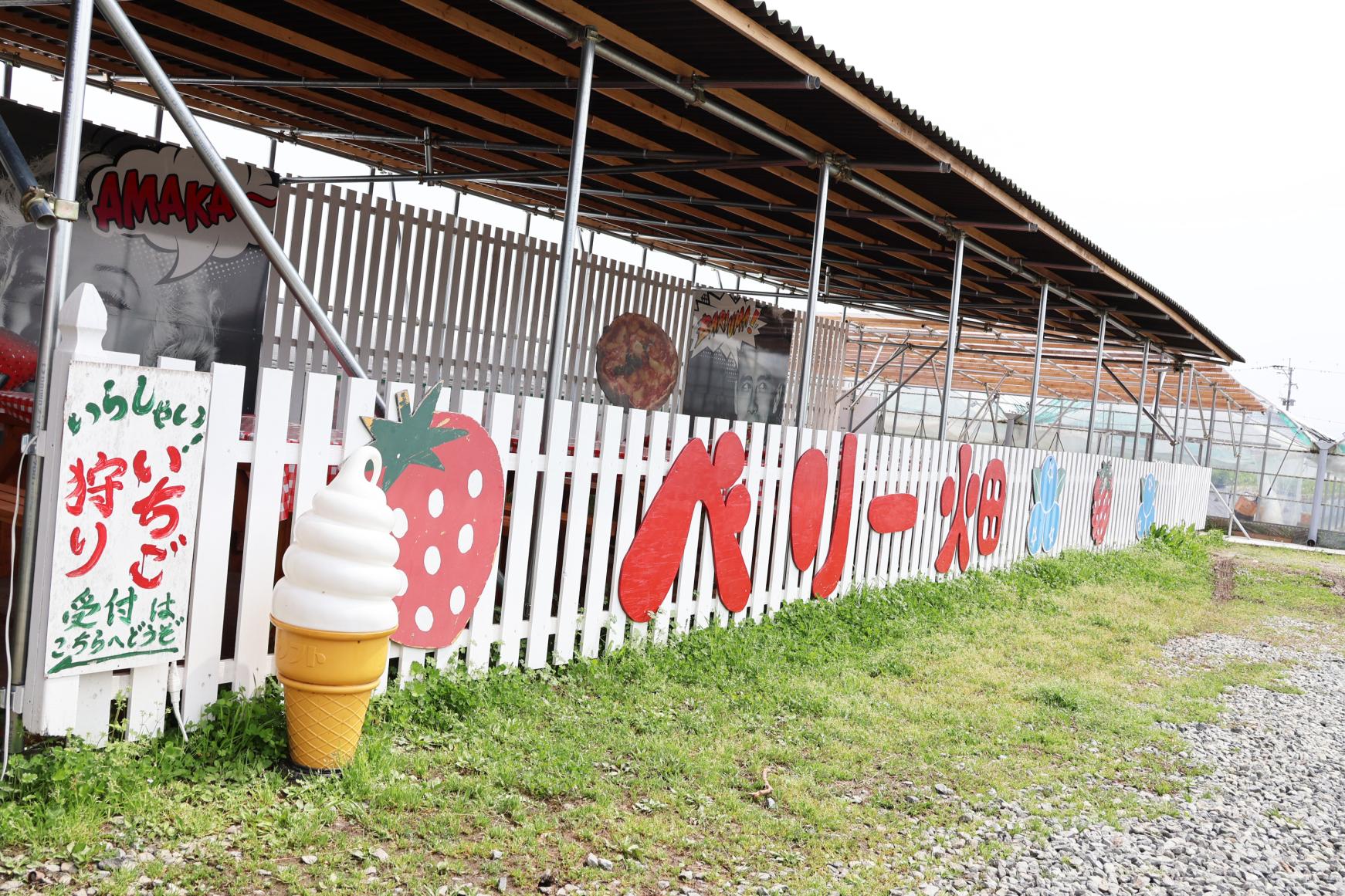
Berry Field (Ogori City)
View moreUsing a special Italian stone oven with a unique flame pattern, our authentic pizzas are baked at about 400°C, giving them a delicious wood-fired aroma. The crust is crispy on the outside and chewy on the inside, and even the edges are flavorful.
Enjoy classic choices like Margherita and Bacon & Potato, or try our most popular Shiratama Anko pizza. Takeout is also available.
During the season, you can also experience strawberry picking (reservation required). Our soft serve ice cream with fresh fruit toppings is a luxurious treat and a favorite among visitors.
Share


 Next article for you
-
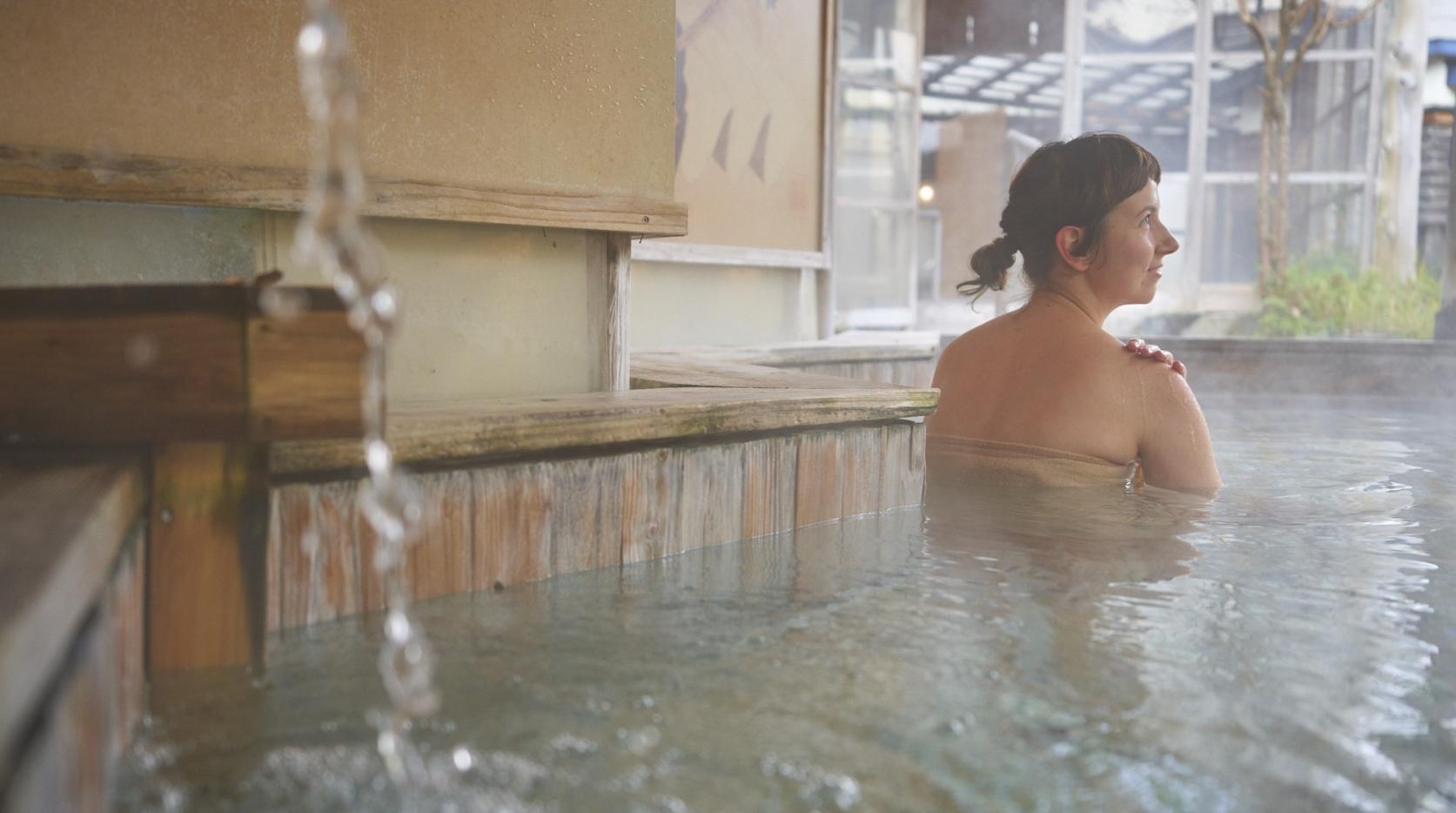
Fukuoka Has Onsen Too! A Complete Guide—from Day Trips to Famous Hot Springs
-
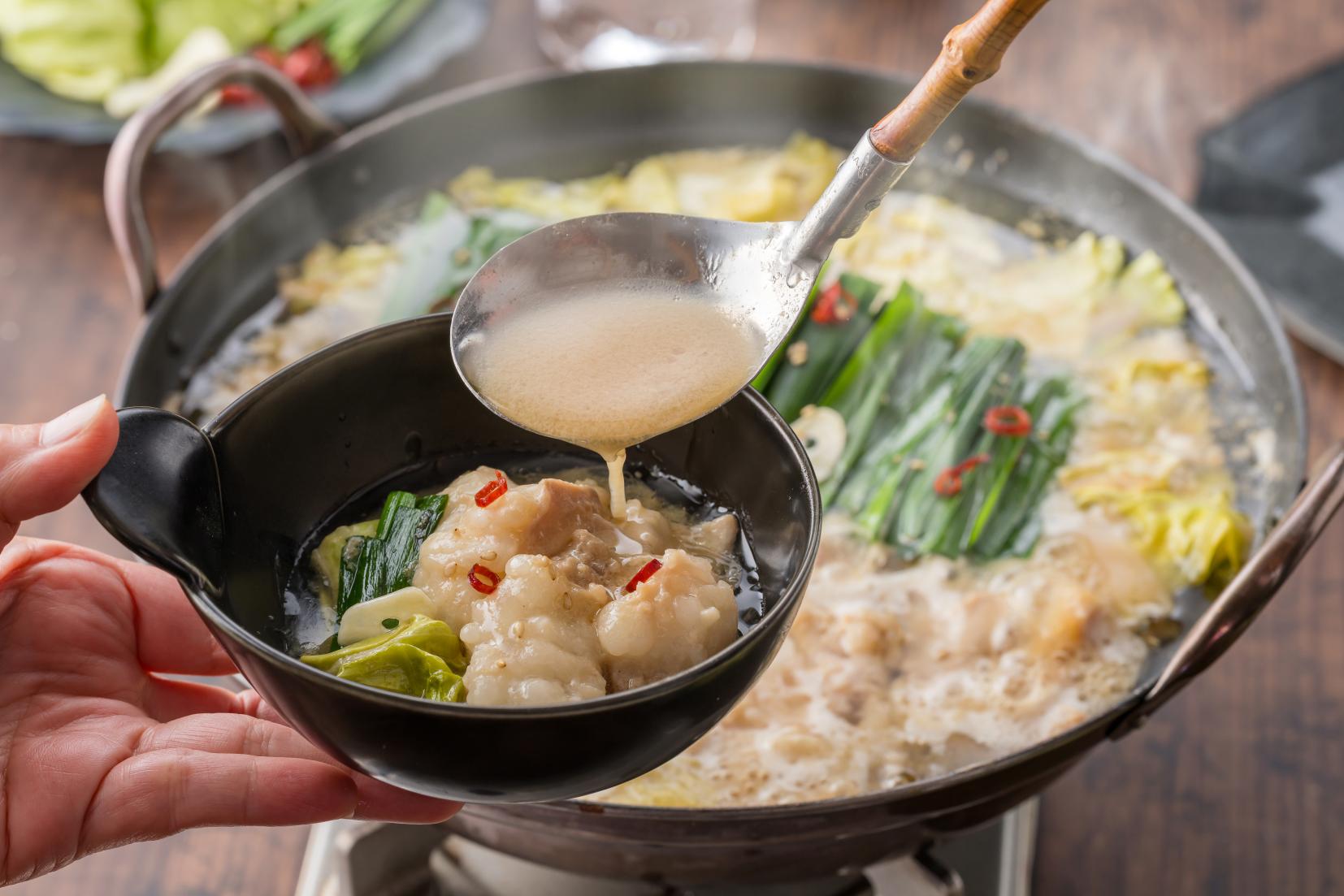
10 Recommended Dishes in Fukuoka! Discovering the Region’s Finest Foods
-
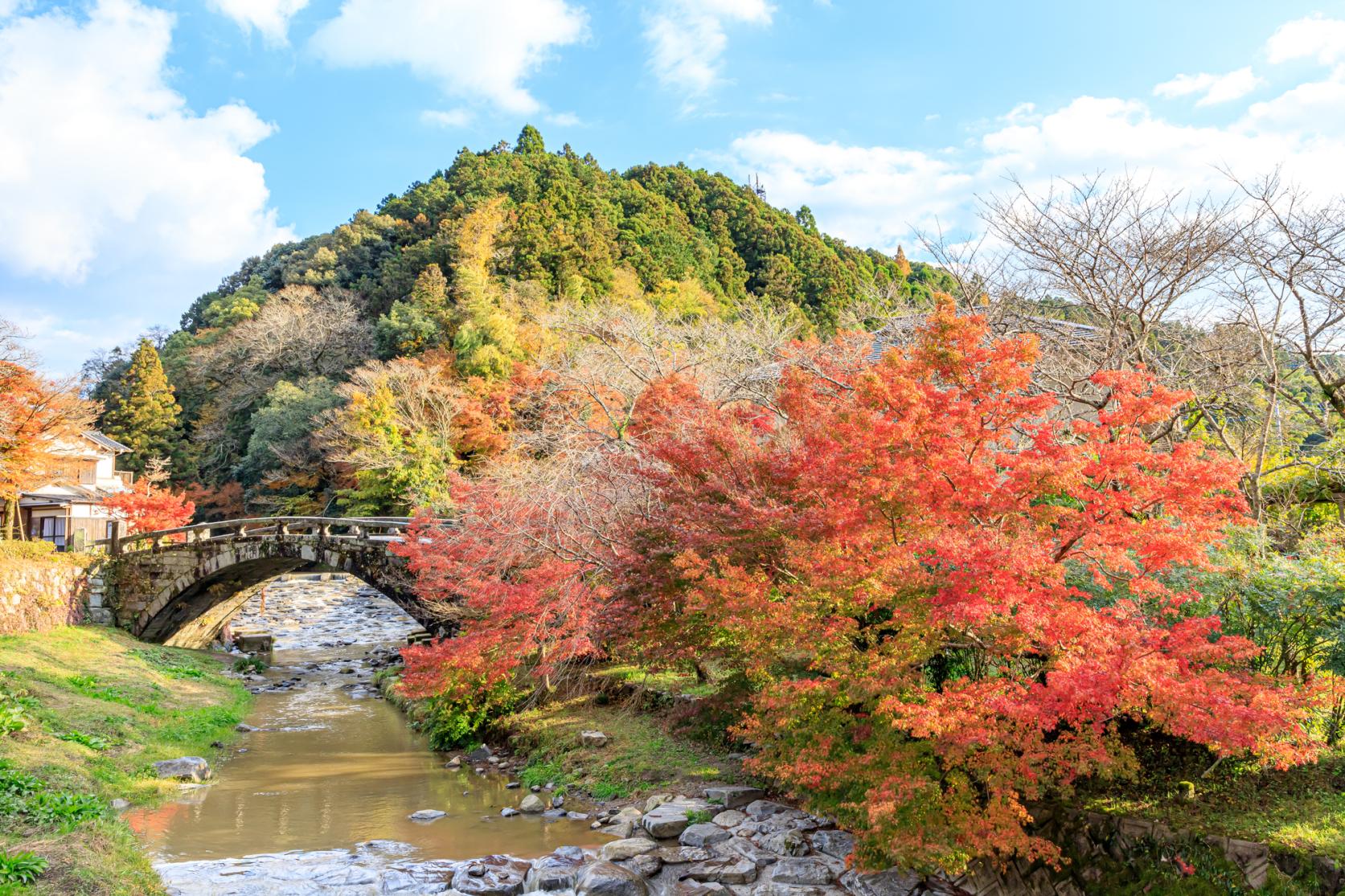
【2025】Your Guide to Fukuoka Prefecture's Best Fall Foliage Destinations
-
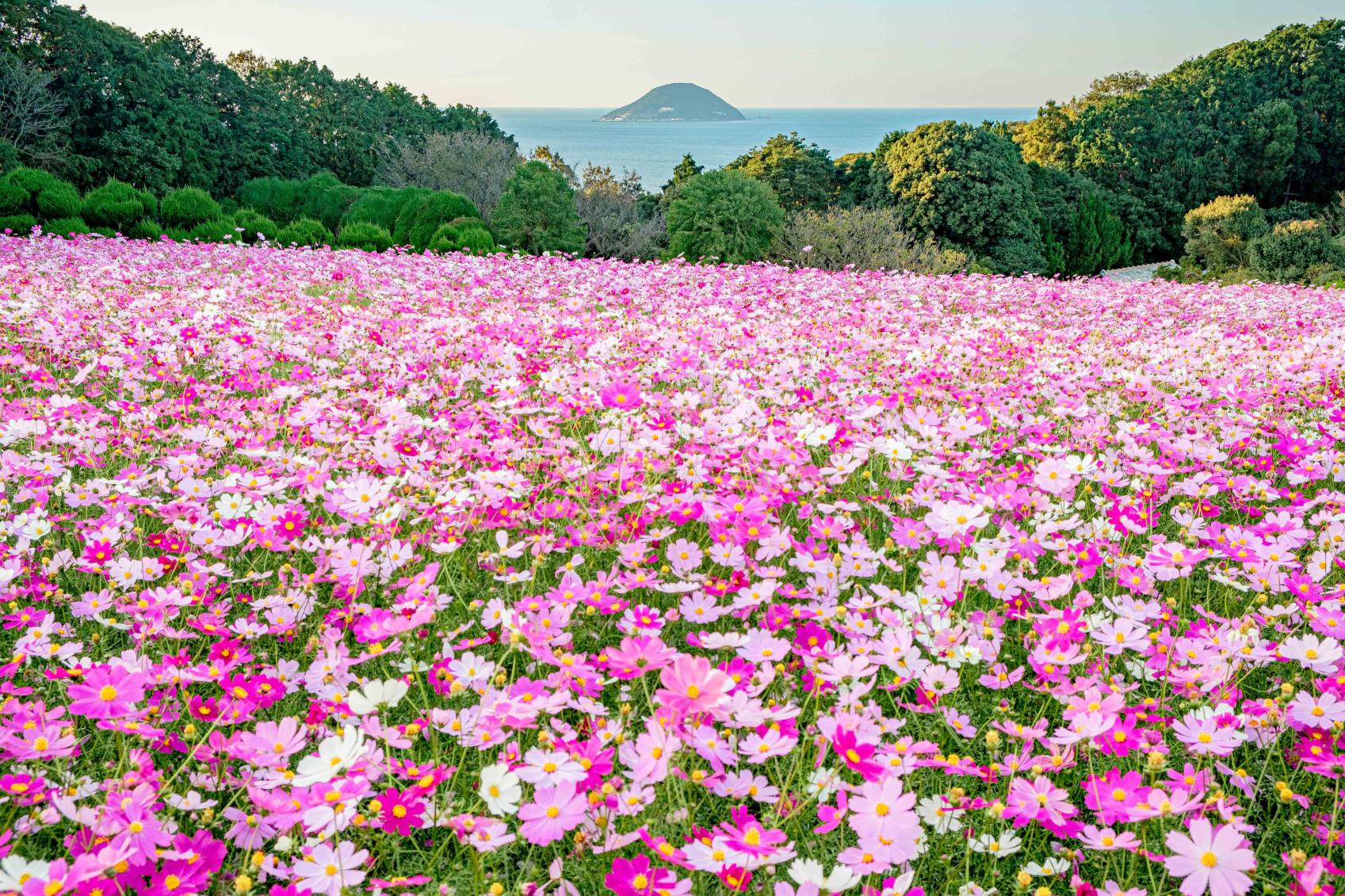
【2026】October Events and Festivals in Fukuoka Prefecture
-

TIPS FOR TRAVELING IN FUKUOKA PREFECTURE
-
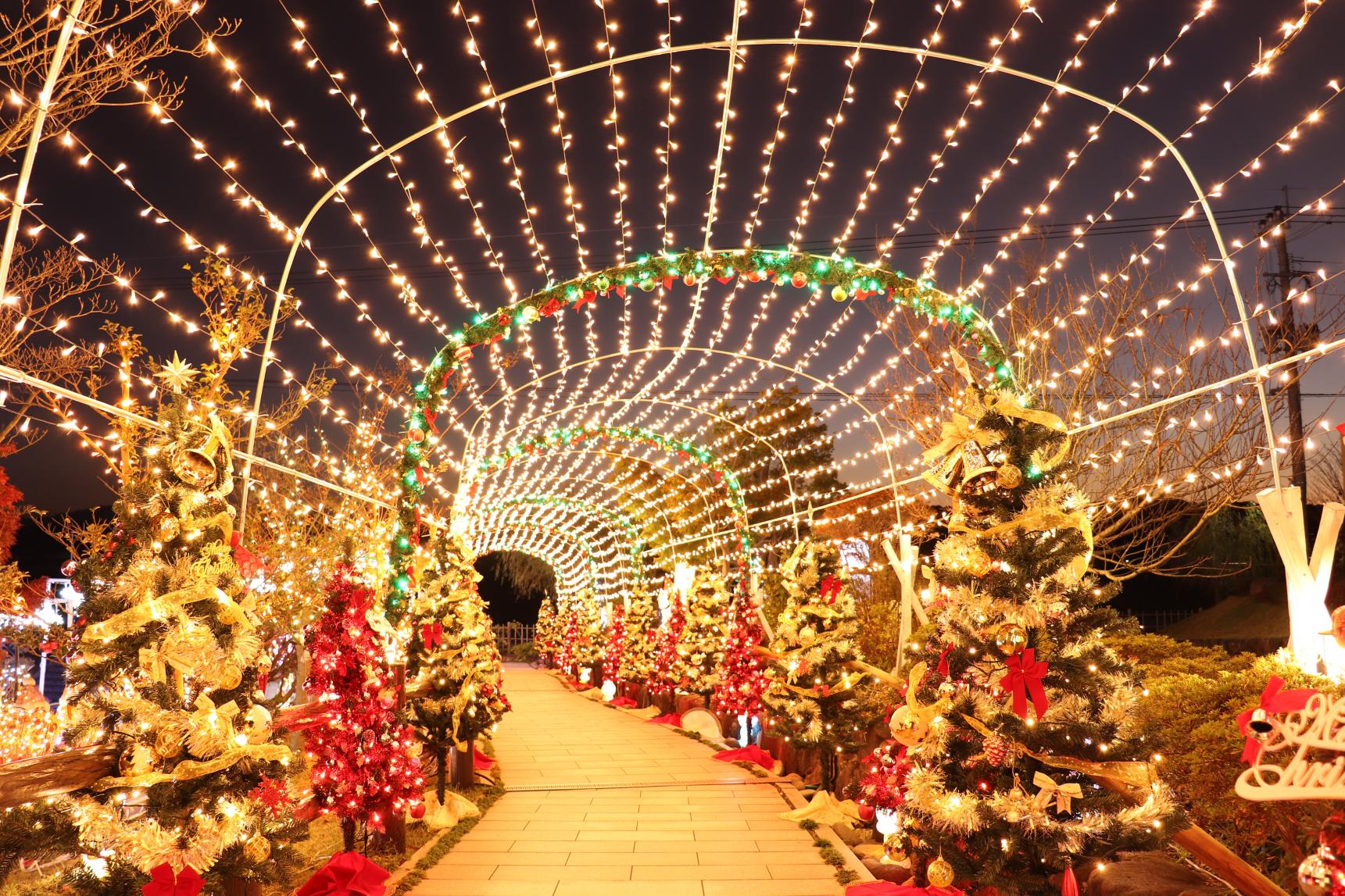
【2025-2026】Illumination and Light-up Spots in Fukuoka
-
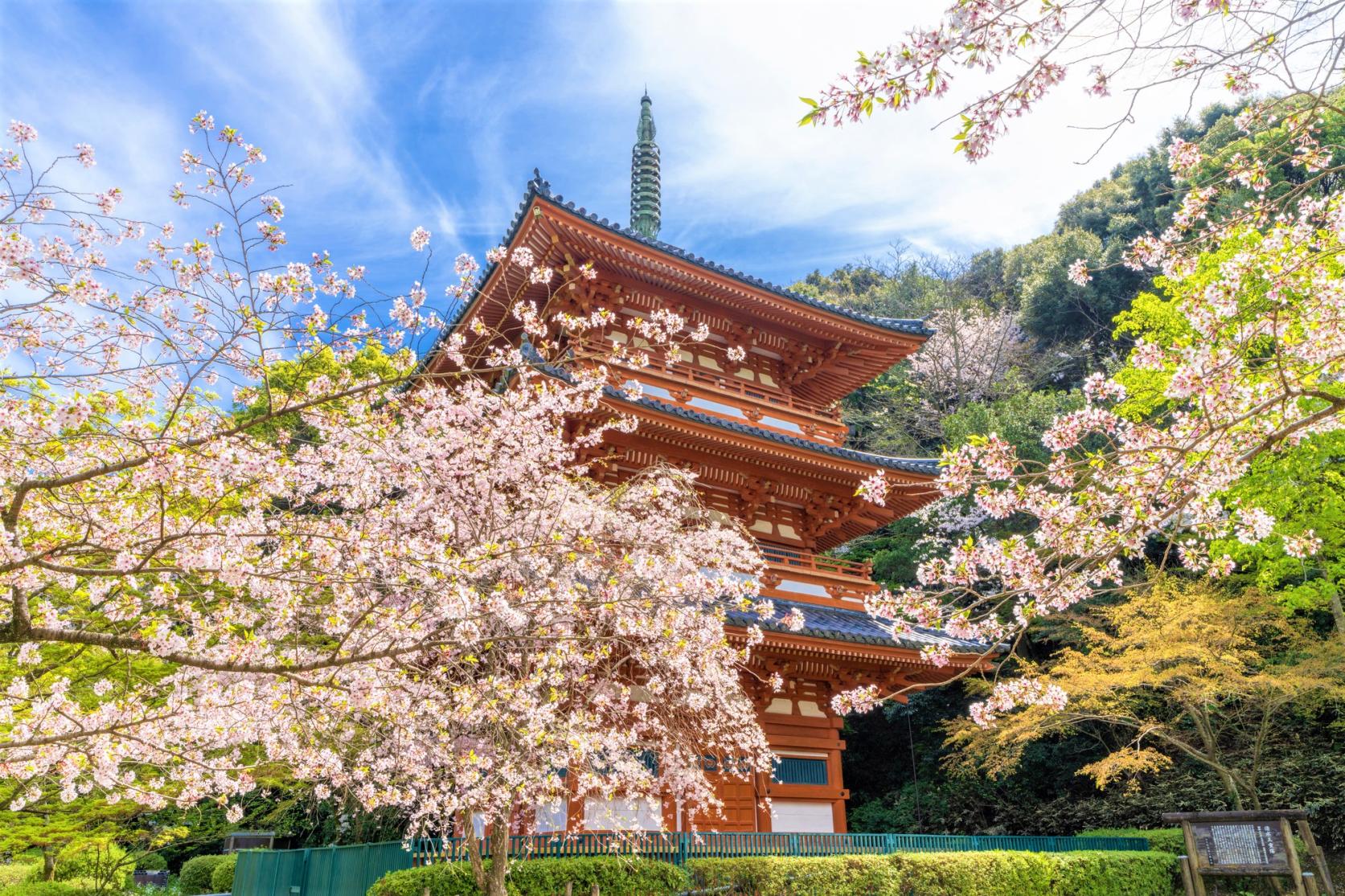
10 Recommended Shrines and Temples in Fukuoka!
-
![[2026] Strawberry Picking Spots in Fukuoka-1](https://www.crossroadfukuoka.jp/storage/special_features/49/responsive_images/9ZHgrqvQdpH8tM4IRF54DXu0aPBF3YGGkj5WOTGc__1673_1115.jpg)
[2026] Strawberry Picking Spots in Fukuoka
-
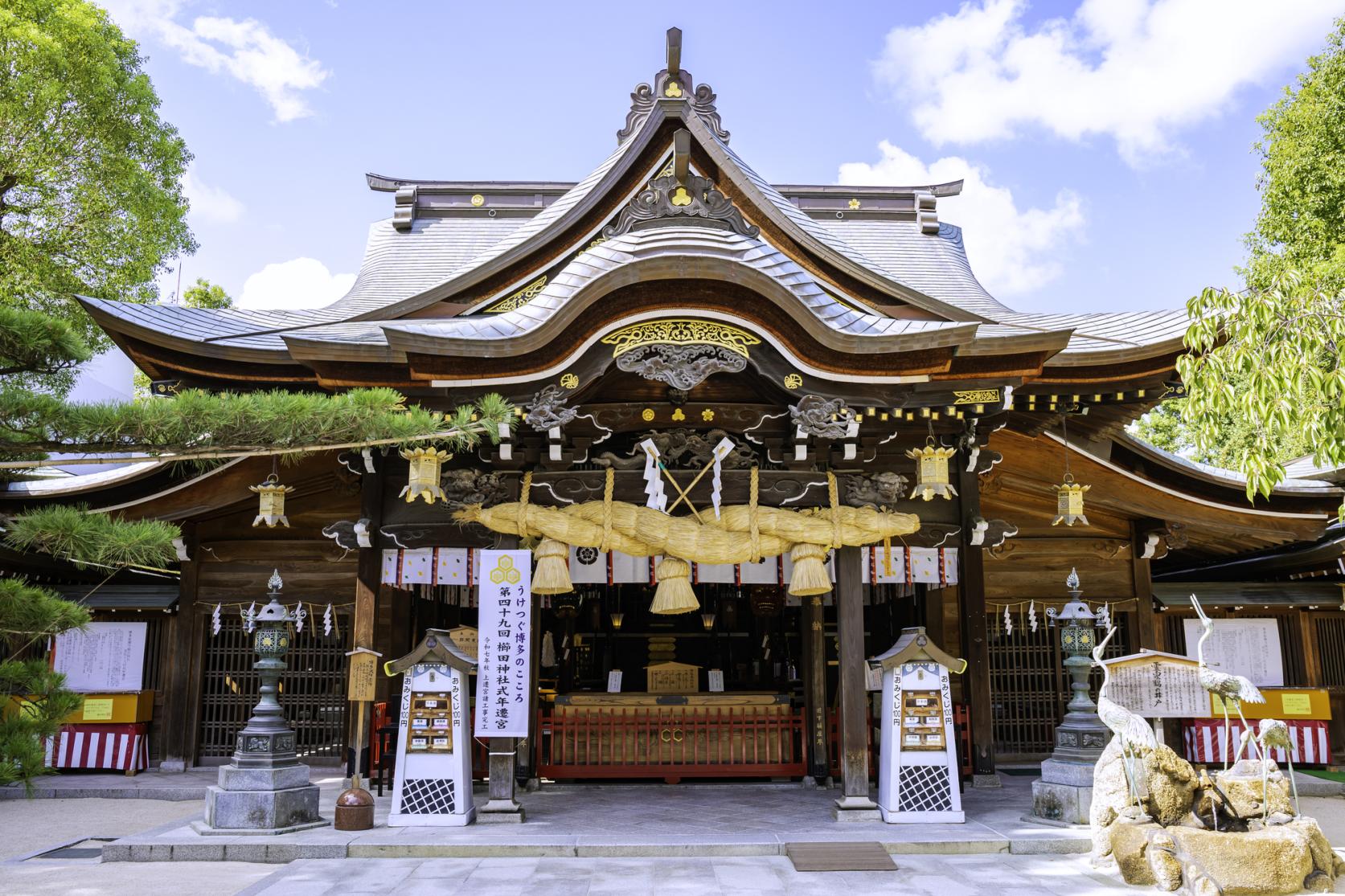
What is Kushida Shrine, the guardian shrine of Hakata? A comprehensive guide to highlights, goshuin, and access information
-
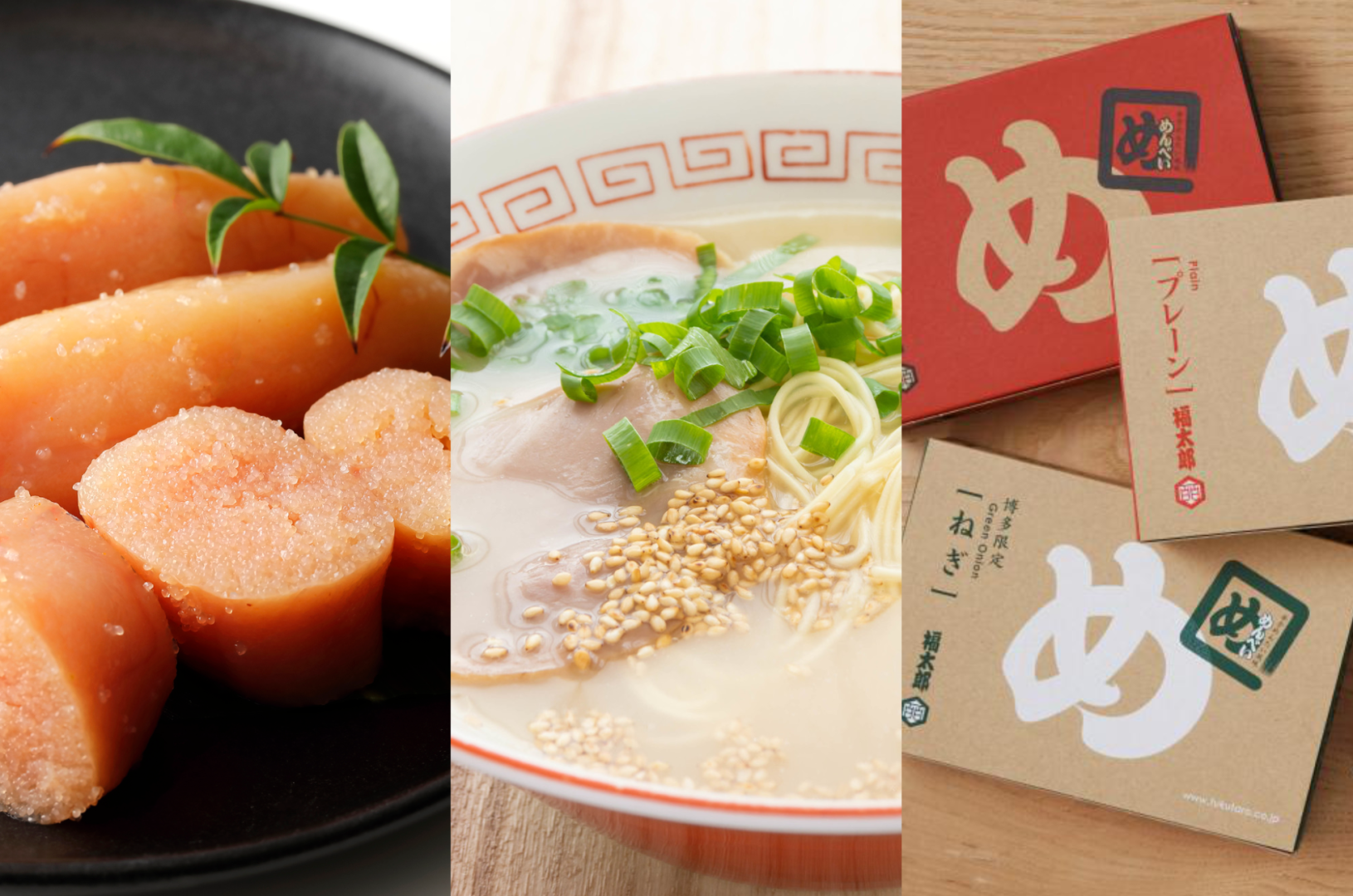
Here are the most popular souvenirs of Fukuoka that you won’t want to miss!
-
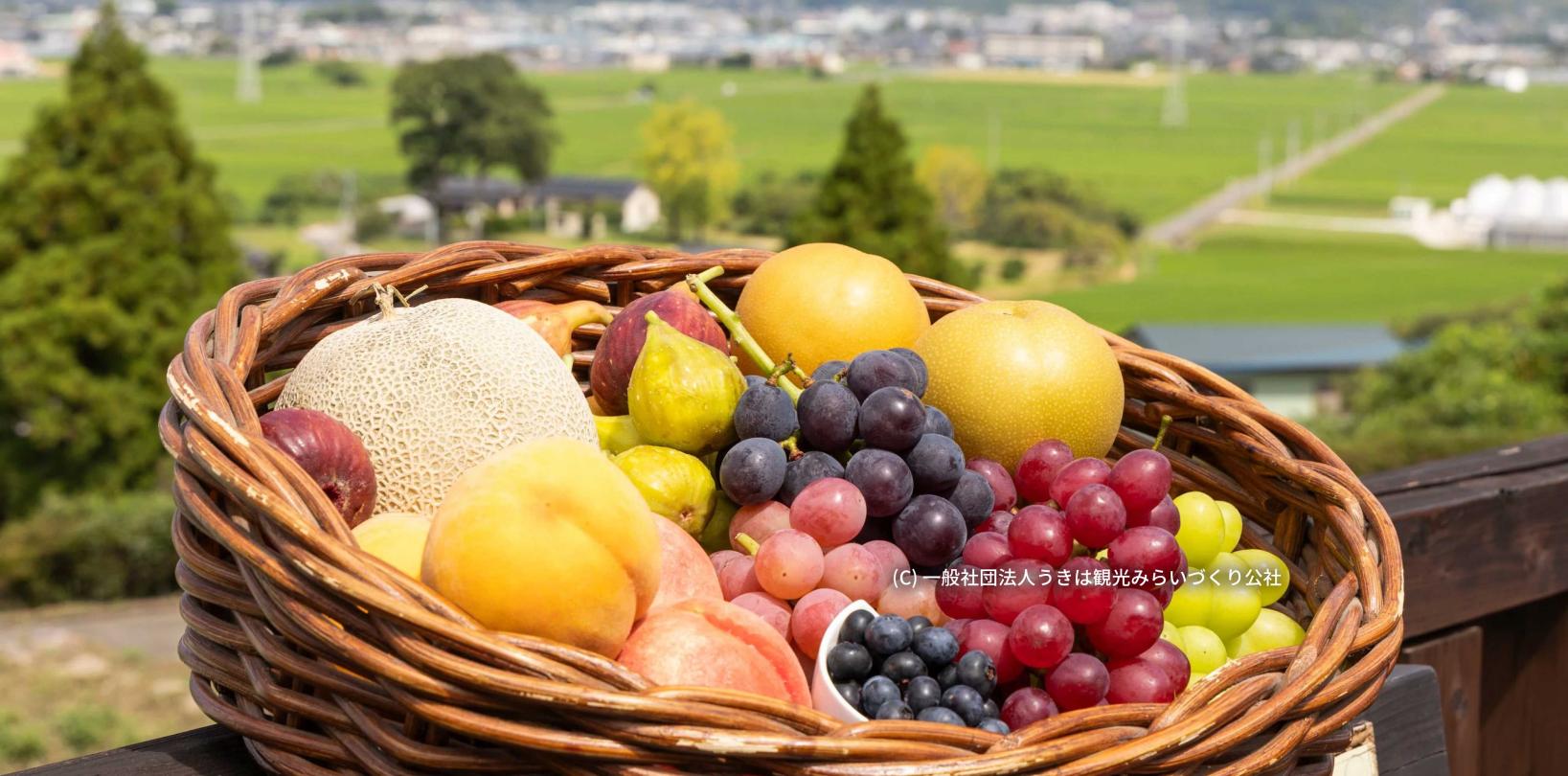
A guide to enjoying fruit picking in Fukuoka all year round! Featuring farms with all-you-can-eat options and attached cafes
-
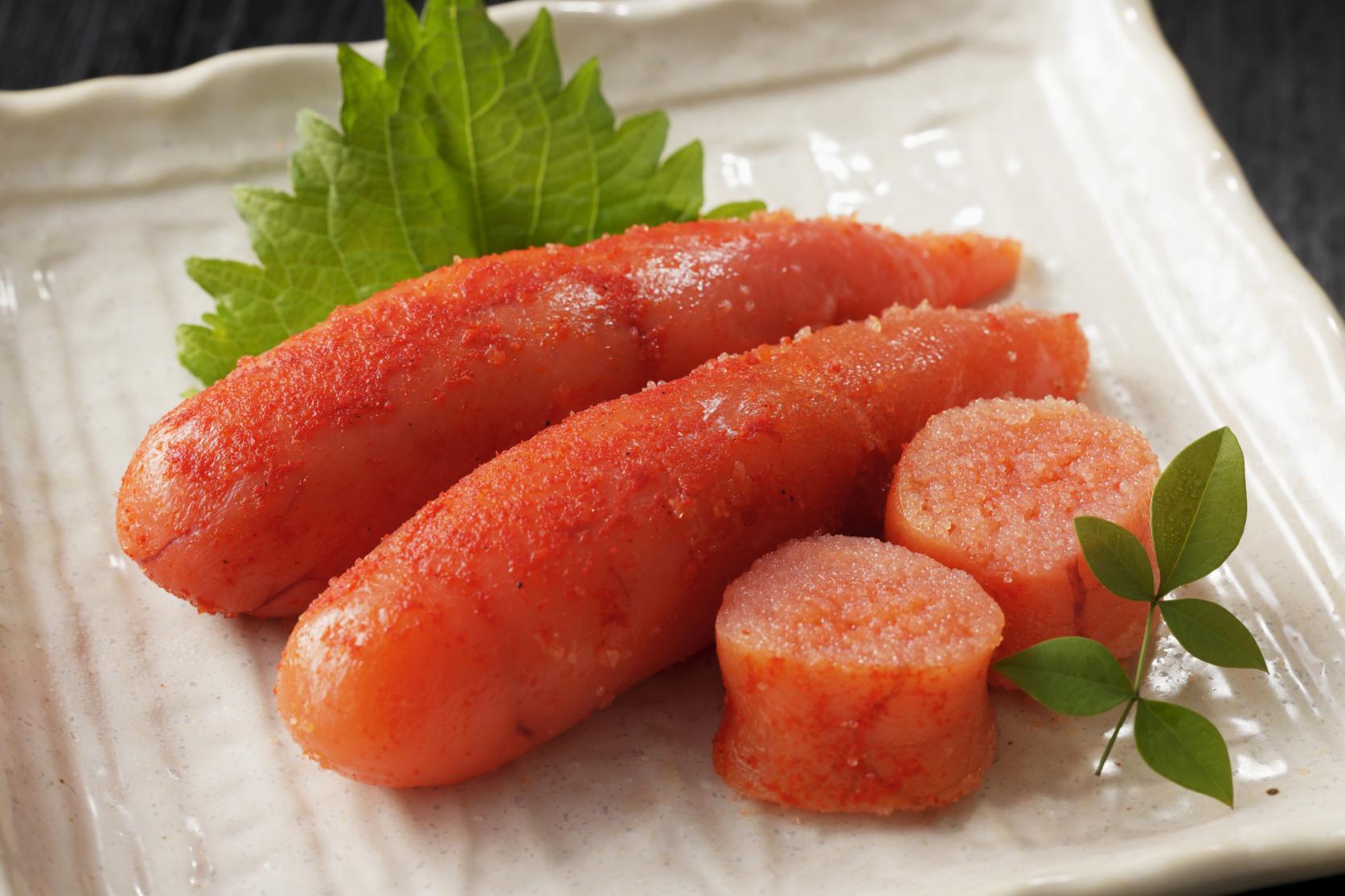
Fukuoka Prefecture is the place for enjoying the best mentaiko! Featuring lunch spots, hands-on experiences, and gifts
-
TRADITIONAL JAPANESE CRAFTS OF FUKUOKA ~Present Day Breath-taking Craftsmanship~
-
CYCLE FUKUOKA
-

How to experience Mojiko Retro in Kitakyushu
-

【2026】Enjoy Autumn Nights in Hakata Old Town! The Ultimate Guide to the Hakata River Boardwalk & Light-Up Walk
-
Raizan Sennyoji Daihioin Temple:
-
A deep look into Tonkotsu Ramen from Hakata, Nagahama, and Kurume!
-
Admiring the Best Scenery that Nature Has to Offer in Itoshima
-
Discover the secrets of Yame tea! A tea picking experience that takes you on a journey through Japanese culture
