

 Highlights
 Sample Itineraries
 See & Do
 Experience
 Events
 Plan a Trip
 Transport
 Local Life in Fukuoka City



Discover 14 colorful art spots amidst nature in Fukuoka
Fukuoka Prefecture is home to numerous captivating art spots that inspire and move visitors. These range from museums to contemporary art breathing life into historic spaces, majestic formations carved out by nature, and playful works seamlessly integrated into daily life. This article features art-based trips by themes, designed to stimulate your senses.
[Spots where history and contemporary art converge]
Experience contemporary art and culture in historic sites and traditional spaces that have been passed down through the ages.
Dazaifu Tenmangu Shrine
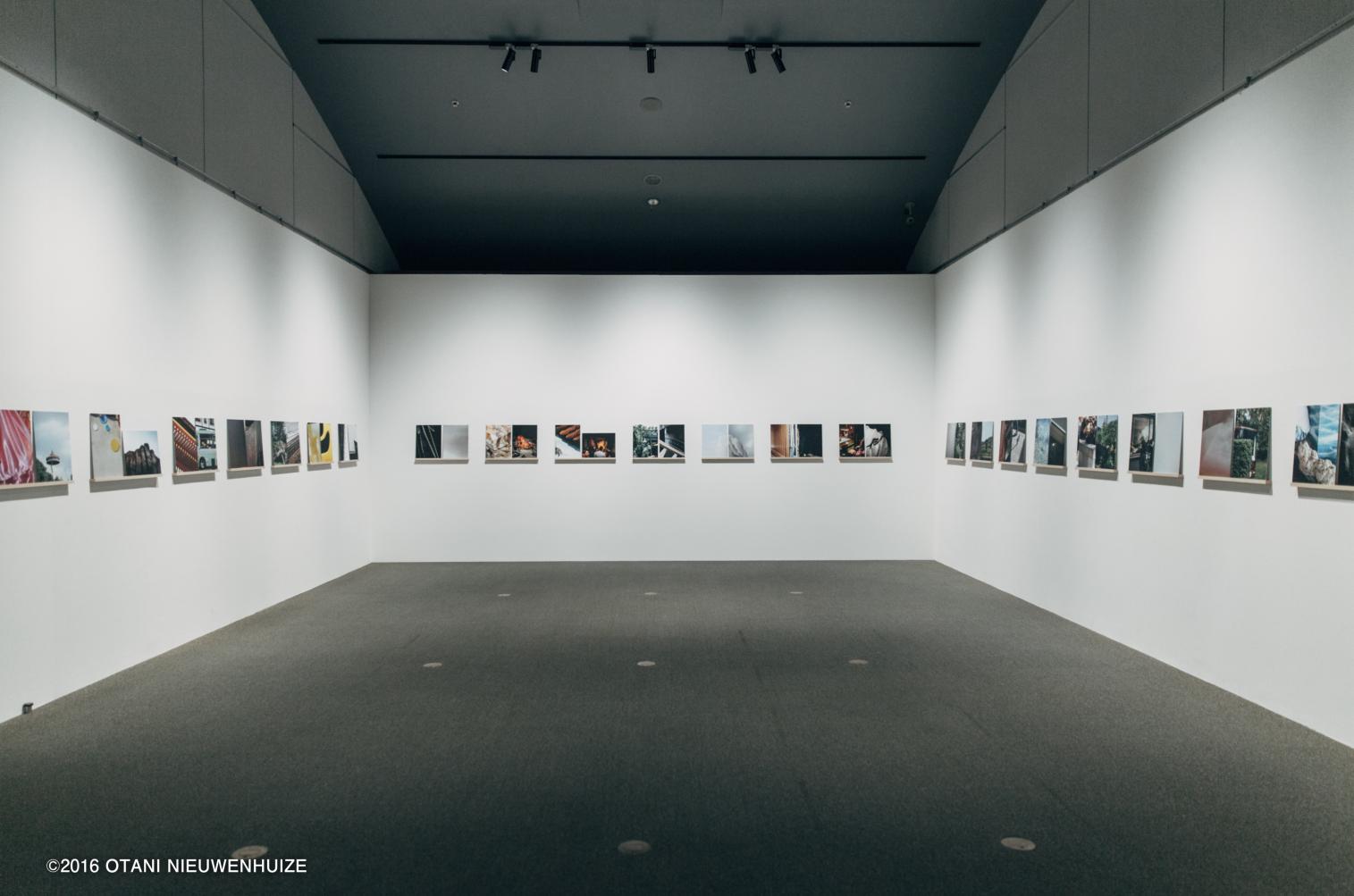
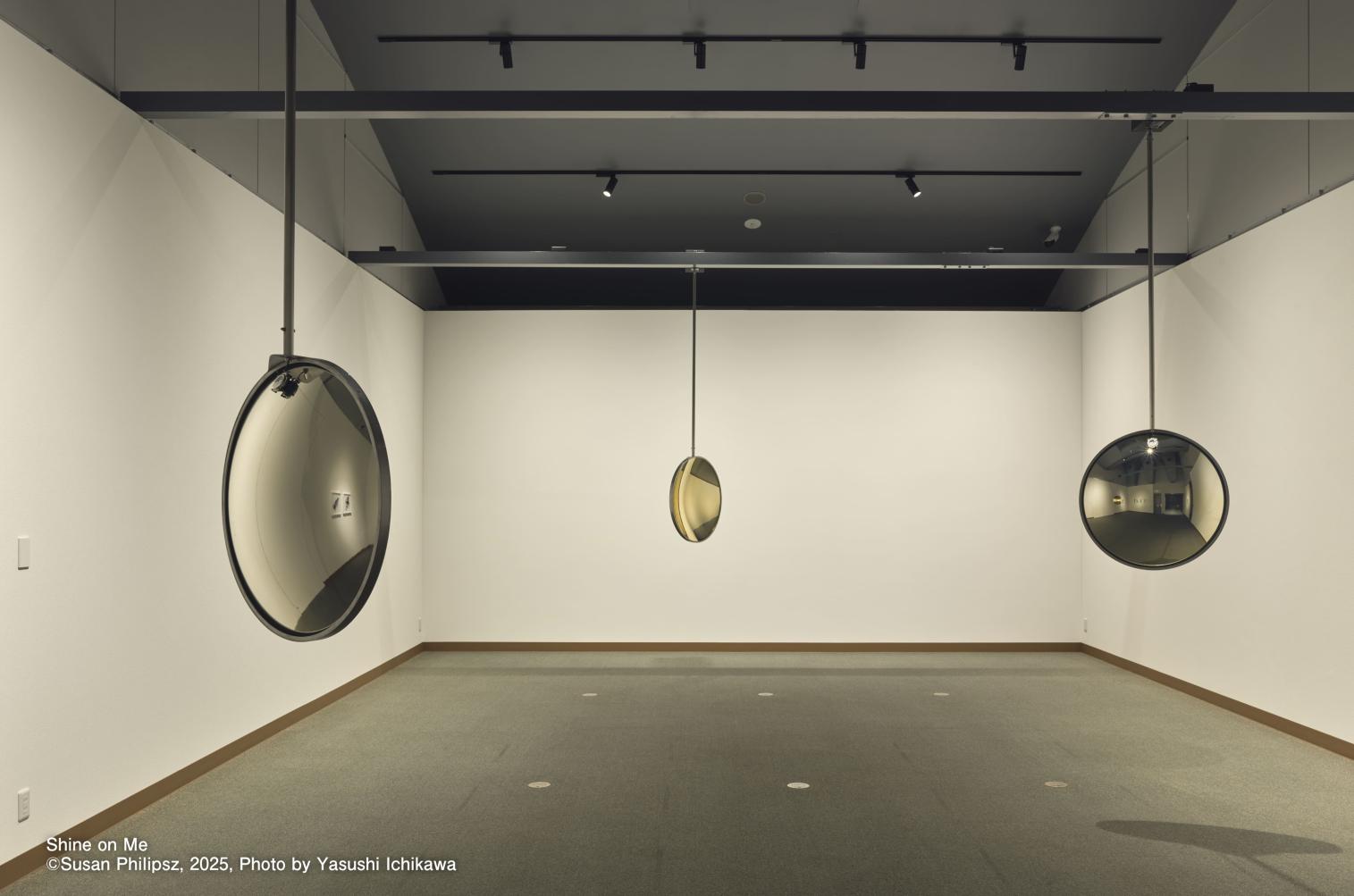
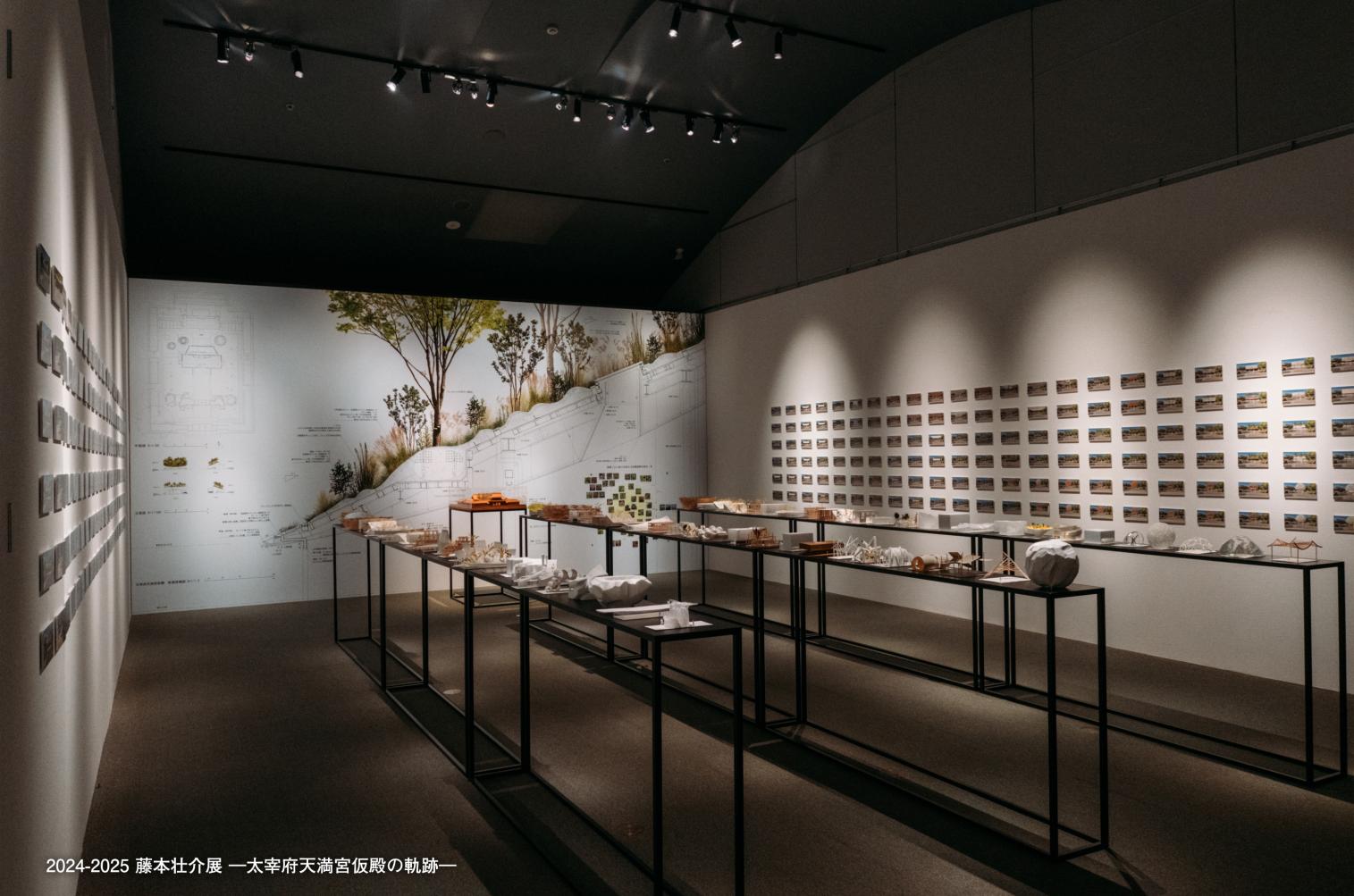
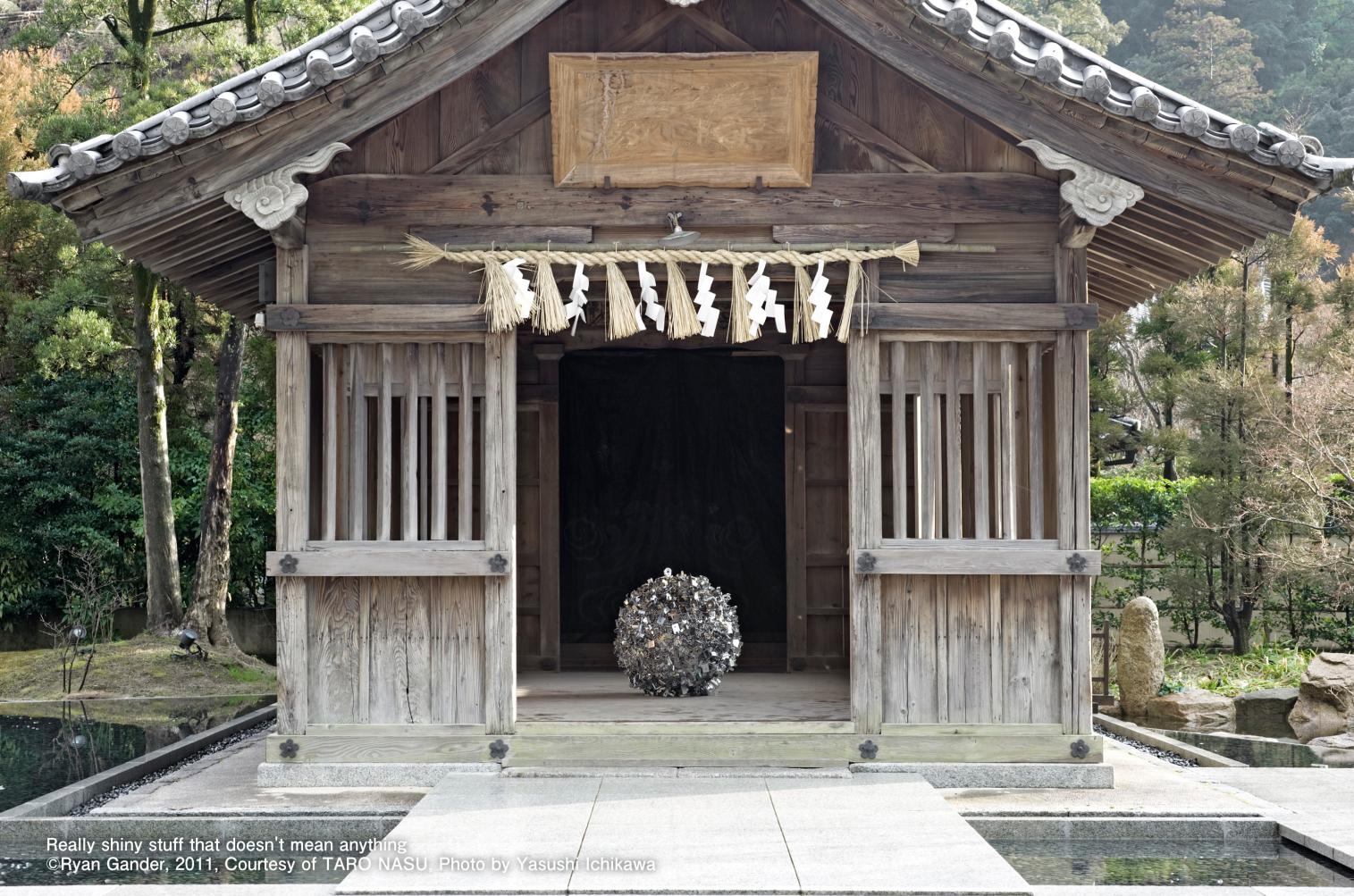
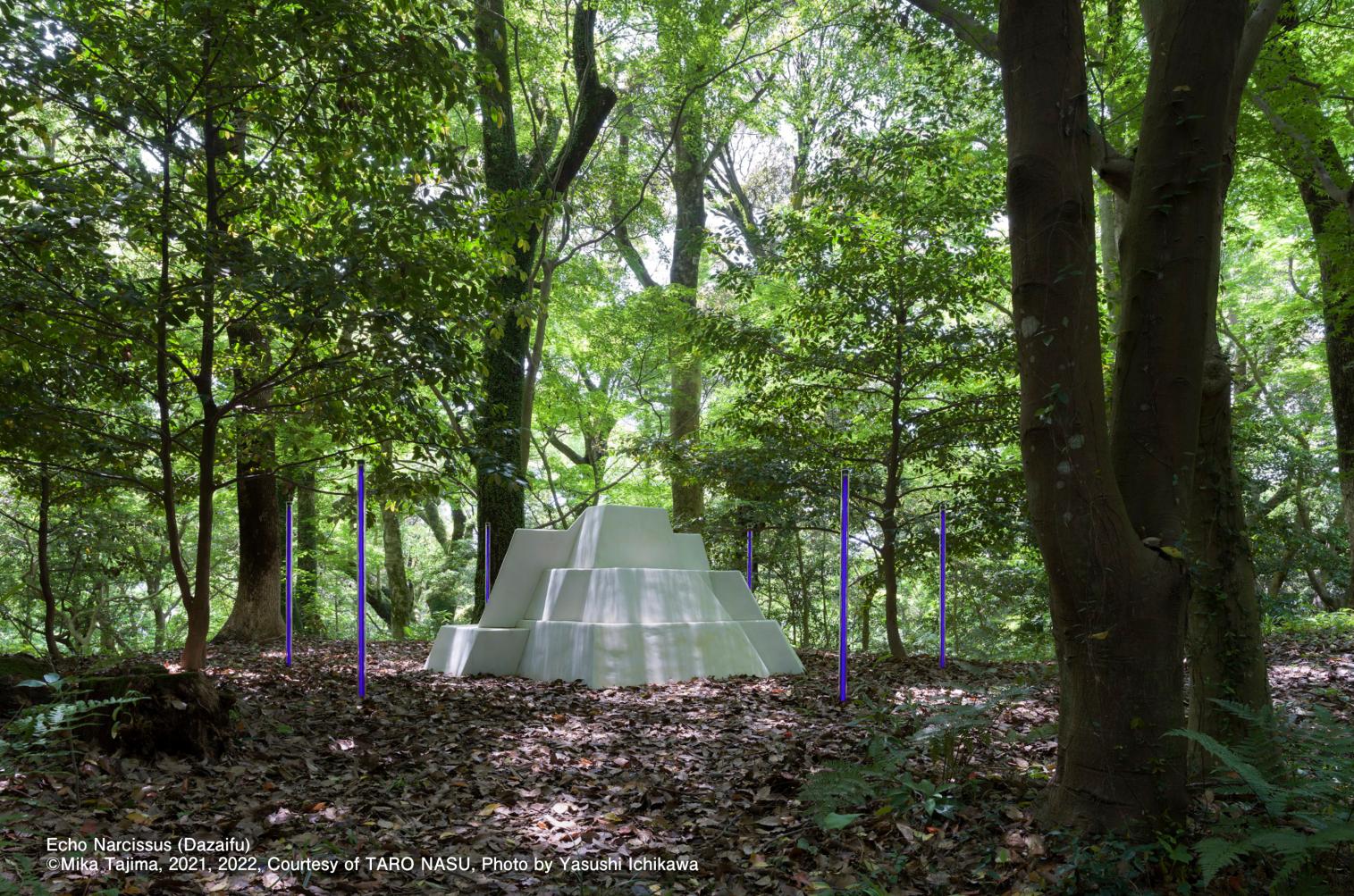
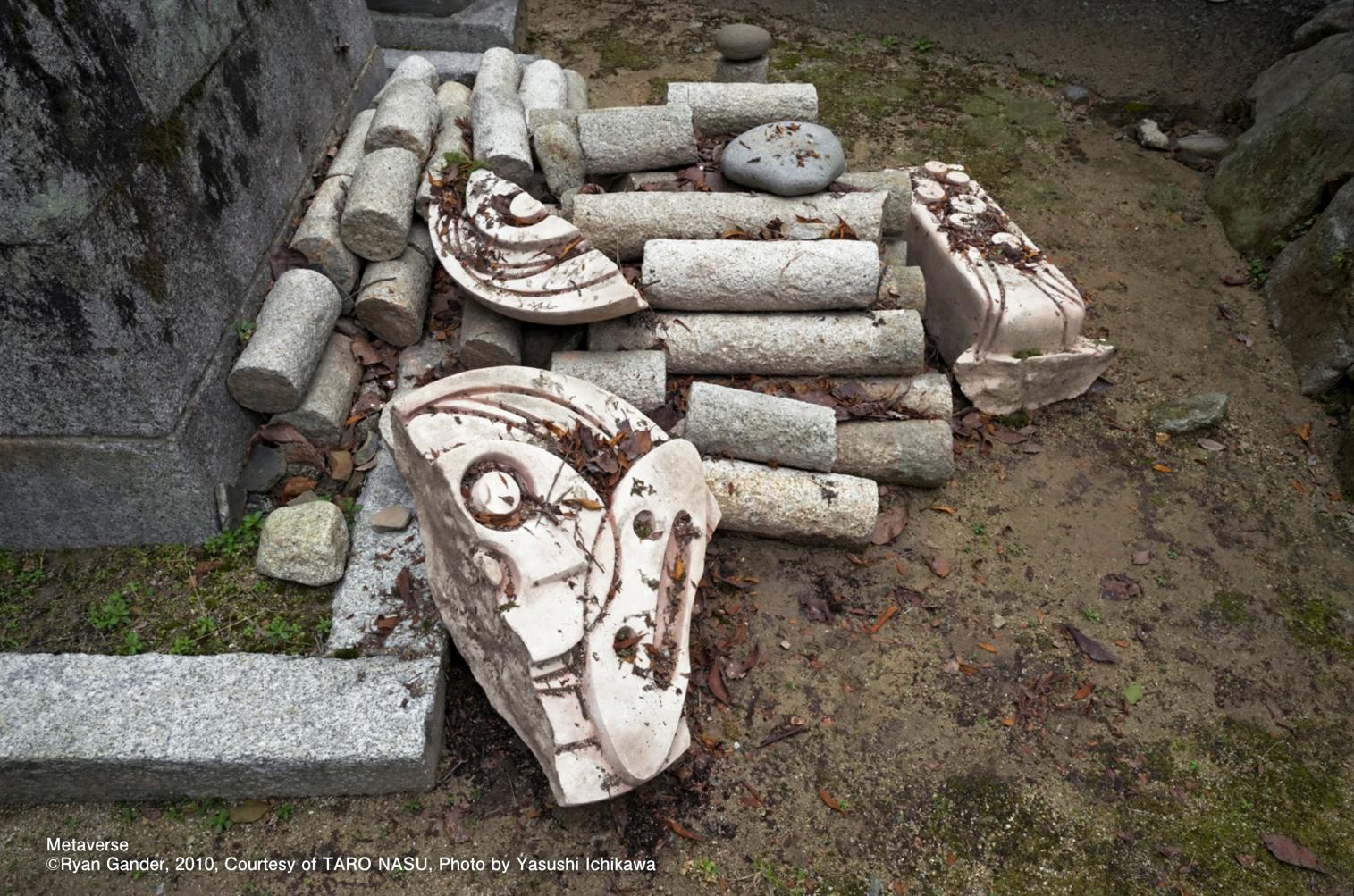
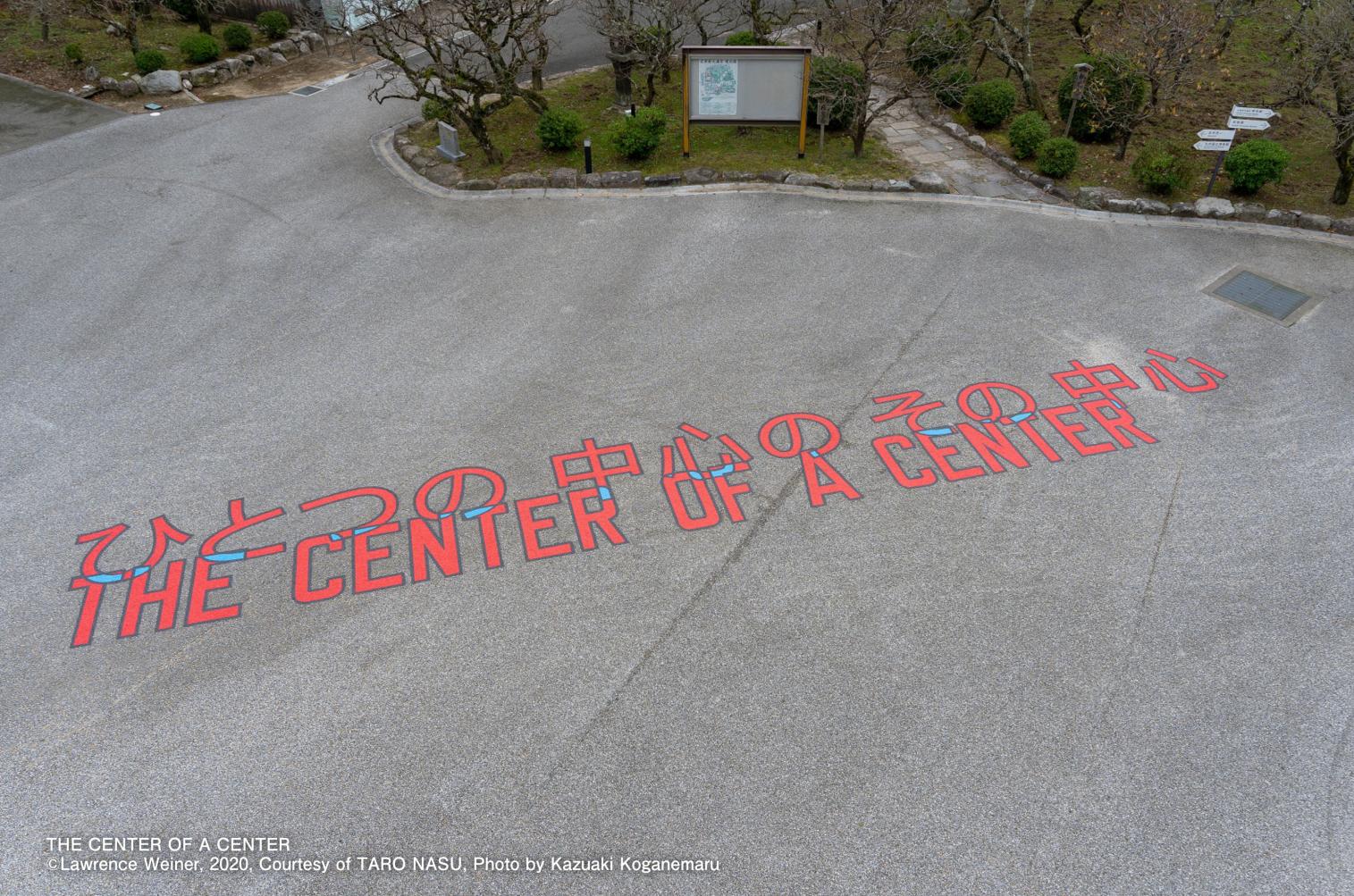
Dazaifu Tenmangu Shrine is dedicated to Sugawara Michizane, the deity of learning, culture, and the arts, and it has been a cultural hub where artists gather since ancient times. Carrying on this tradition into the modern era is the Keidai Art Museum. Works by artists from Japan and abroad are displayed throughout the grounds, transforming the entire precinct of the shrine into a single art museum. Contemporary art blends seamlessly with the historic shrine buildings and the natural surroundings.
Homotsuden (Treasure Museum) houses and displays numerous works, including items associated with Michizane, valuable treasures, and contemporary art pieces. Savor a unique experience as over 1,000 years of history meets modern art.
Homangu Kamado Shrine
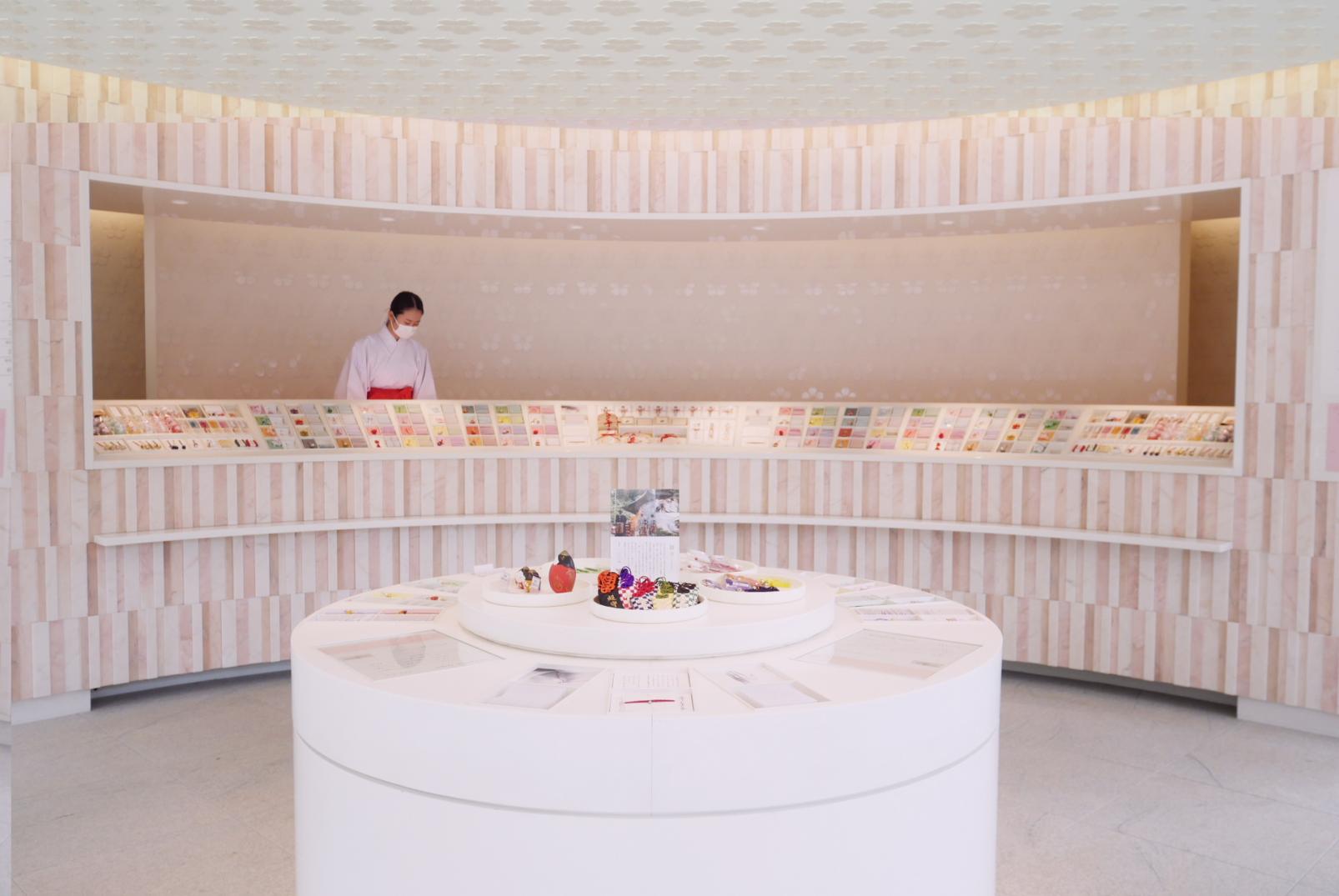
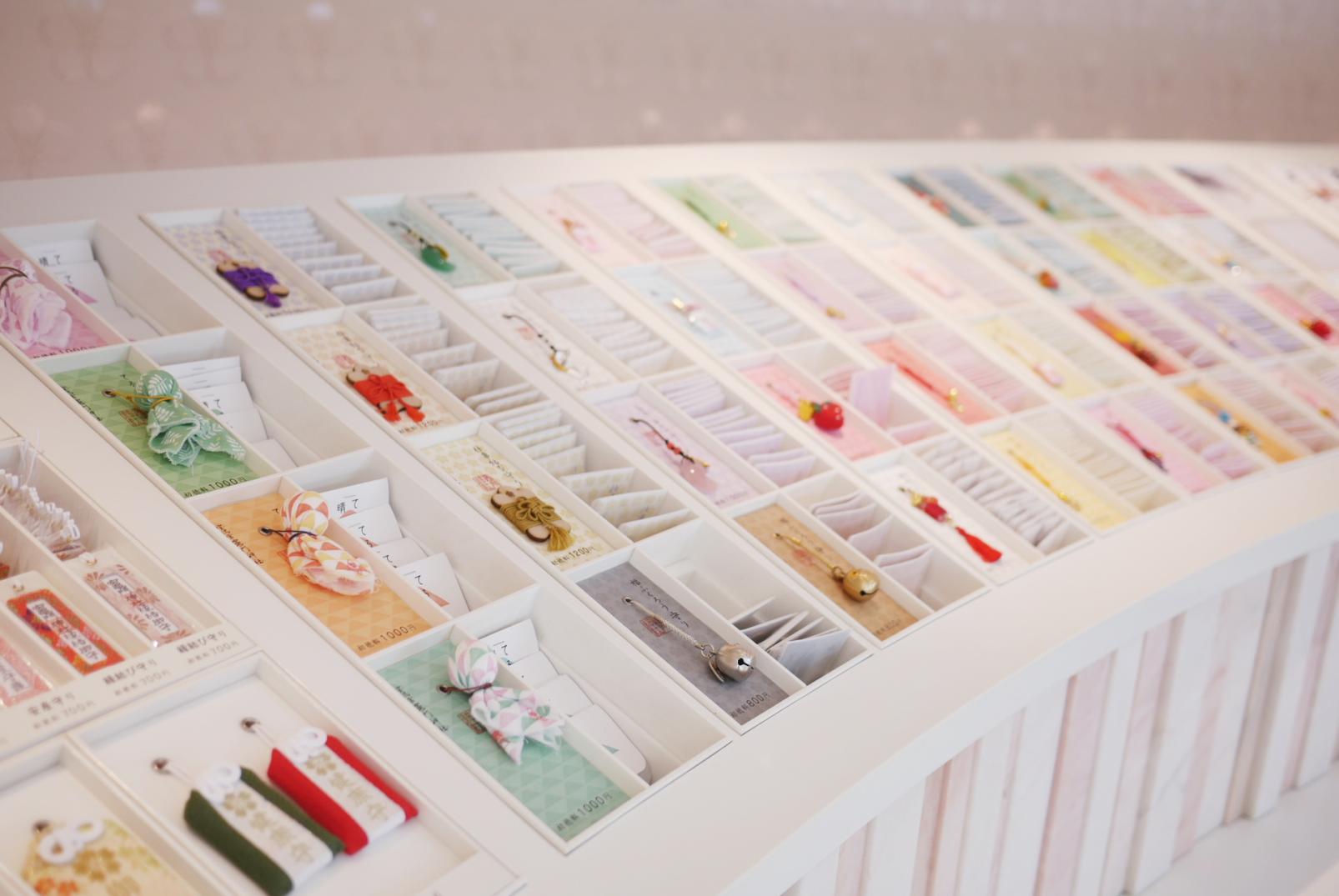
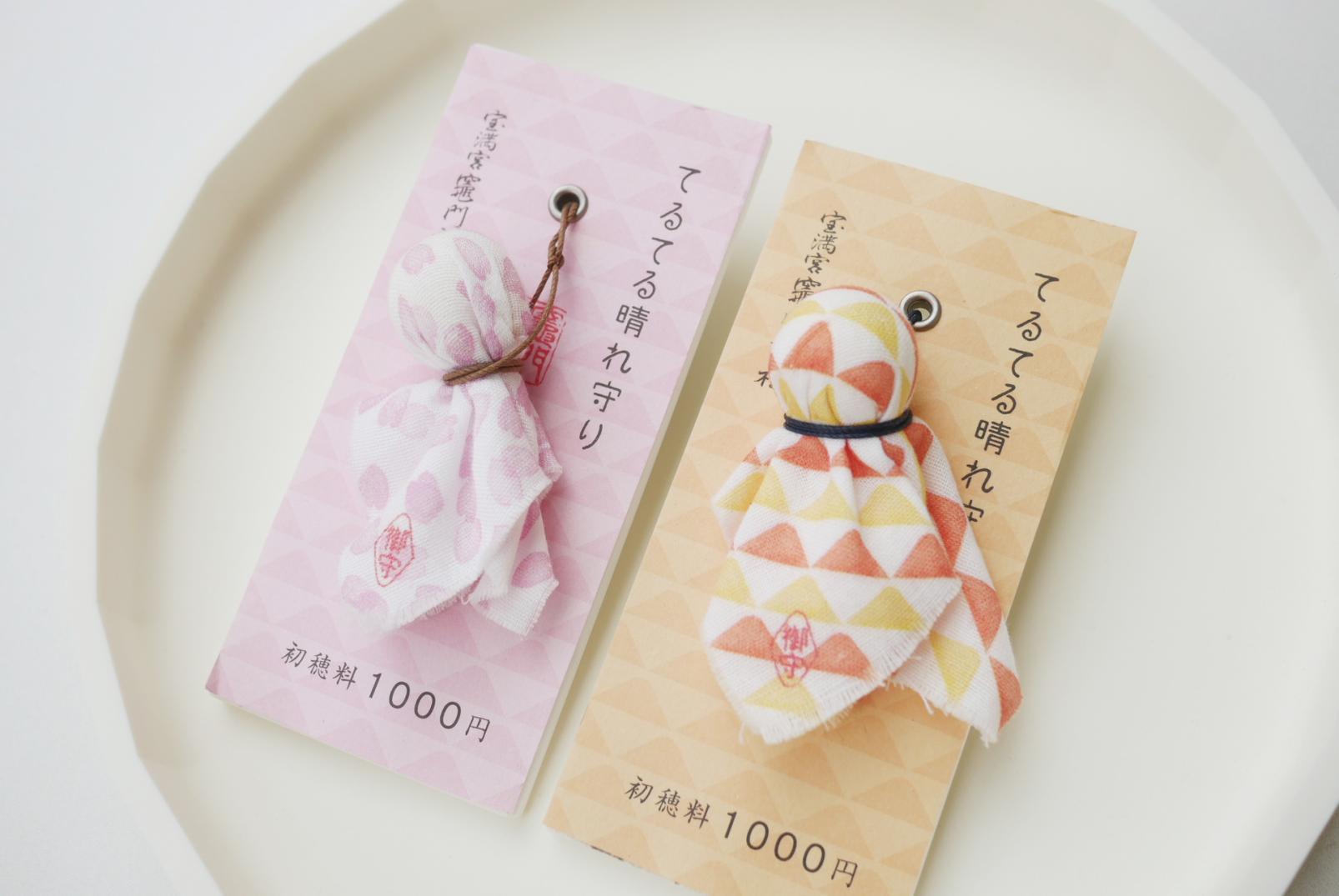
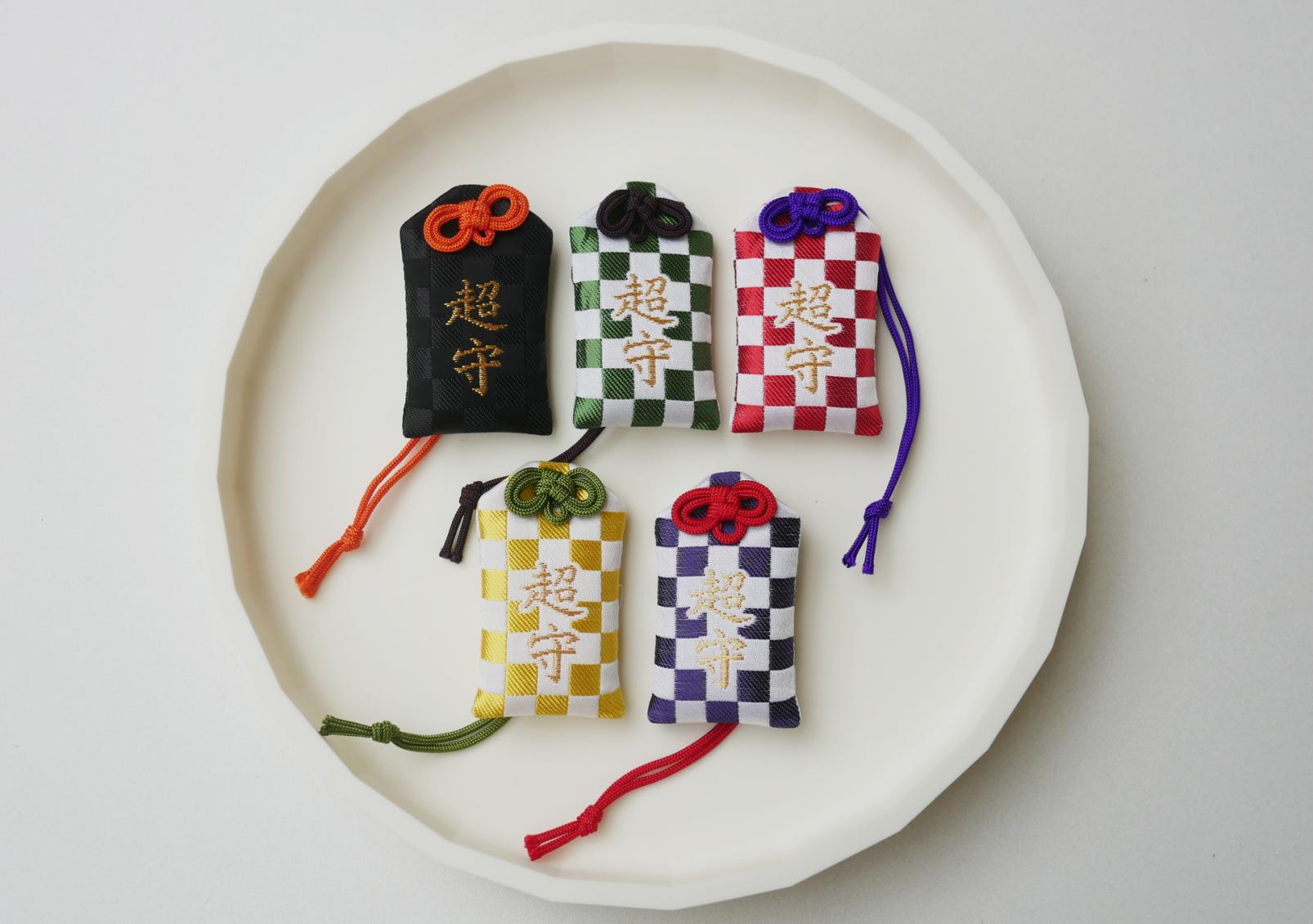
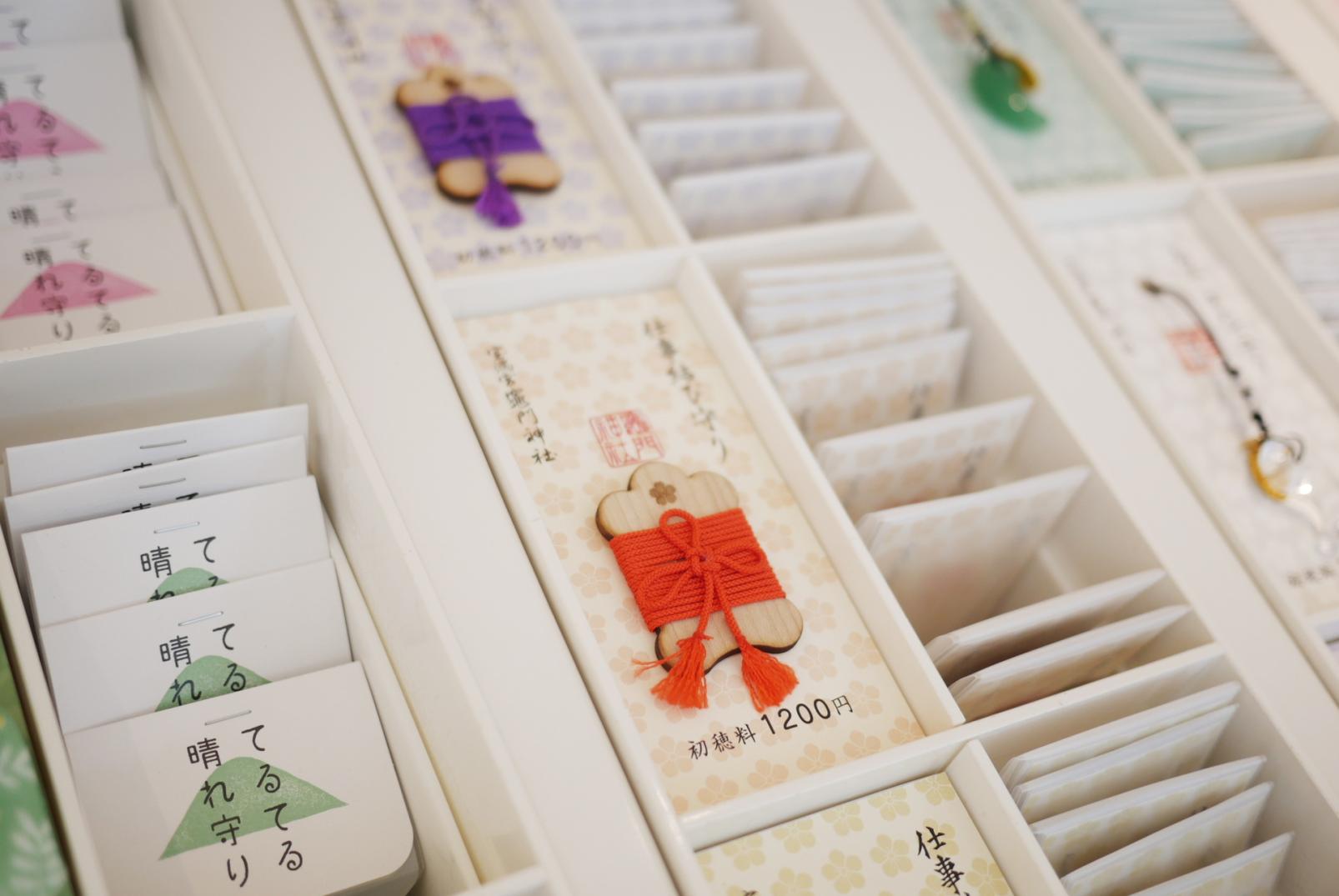
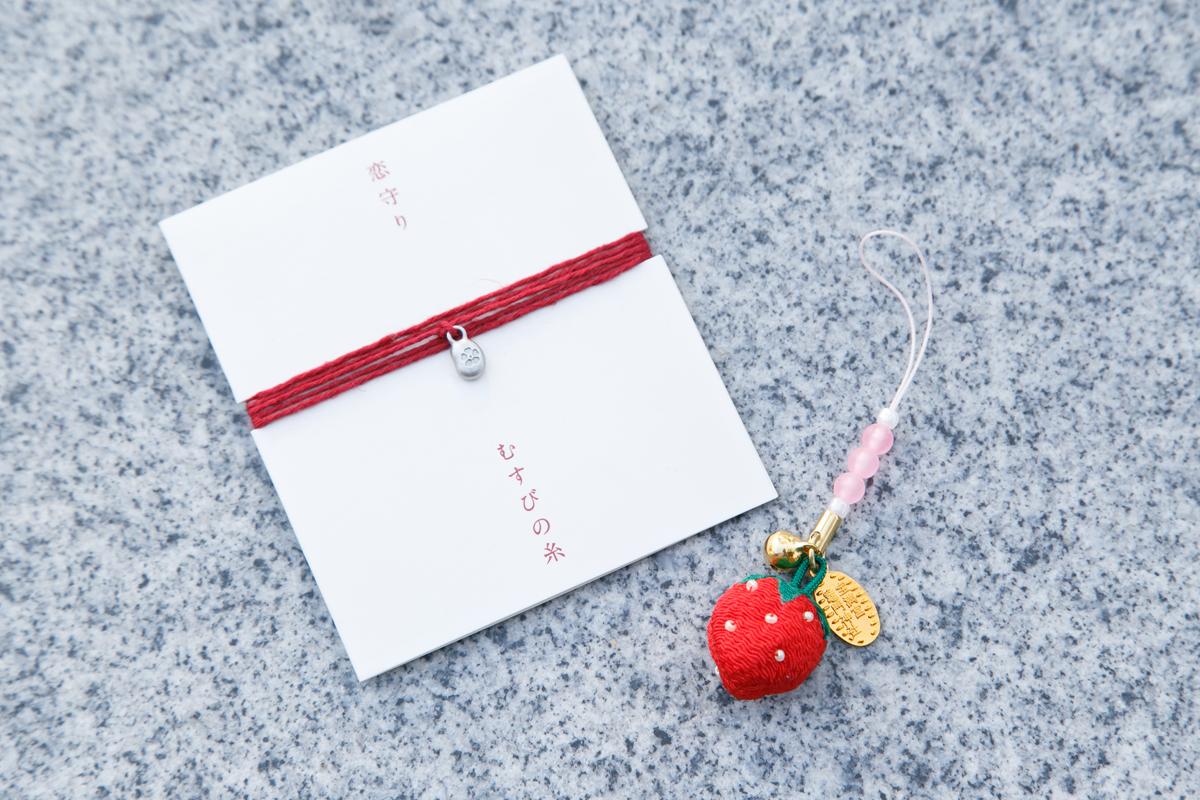
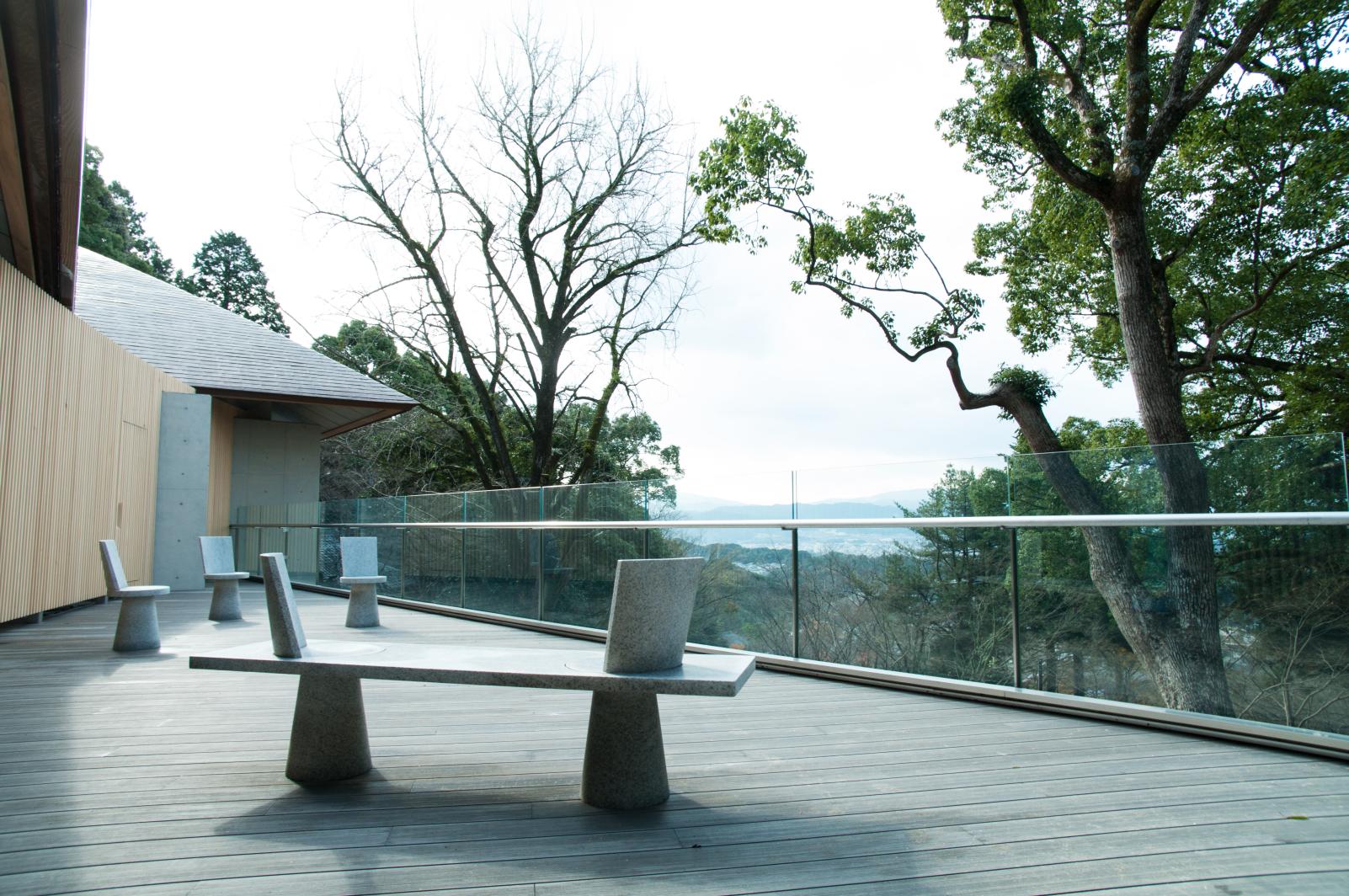
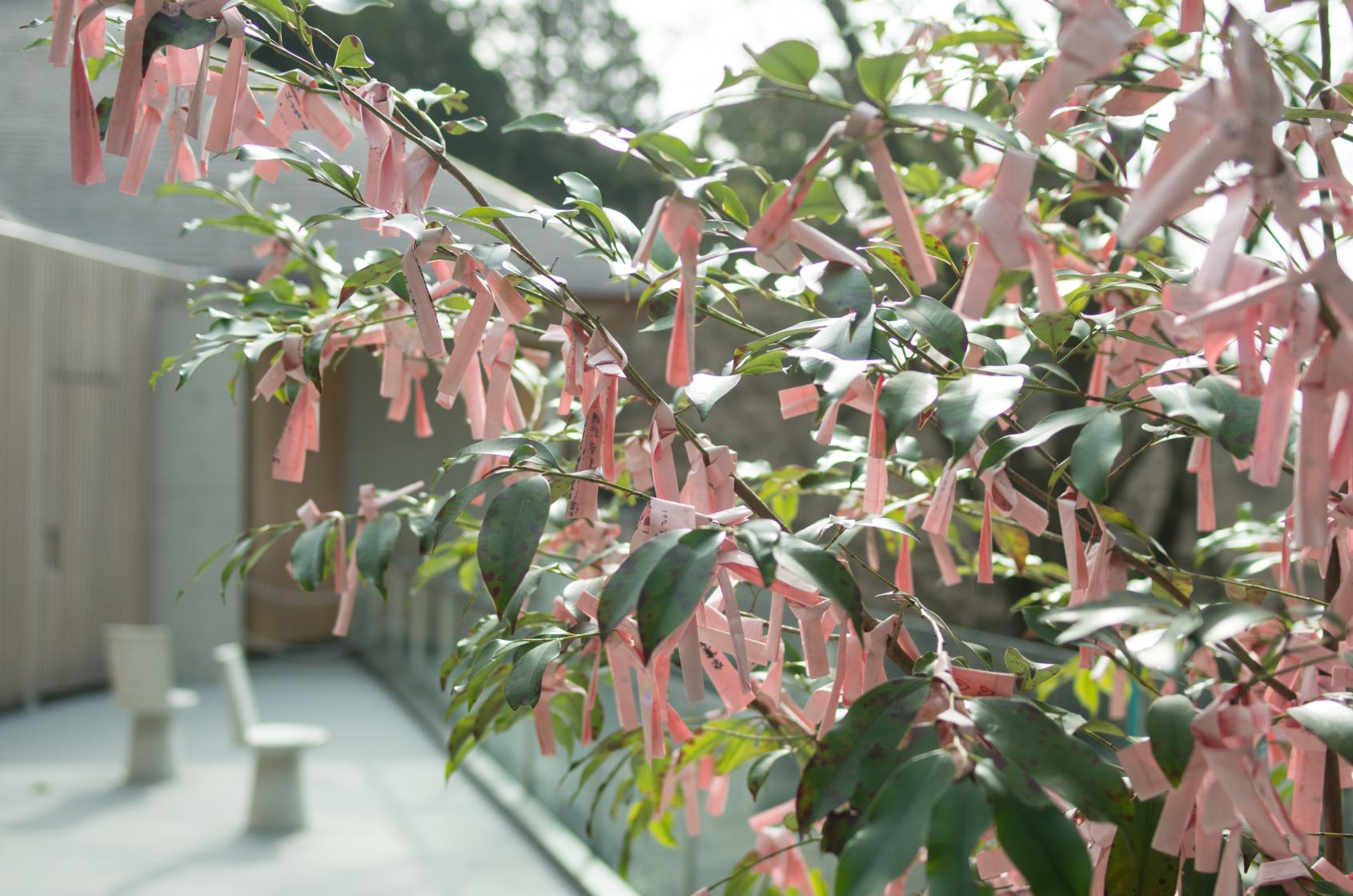
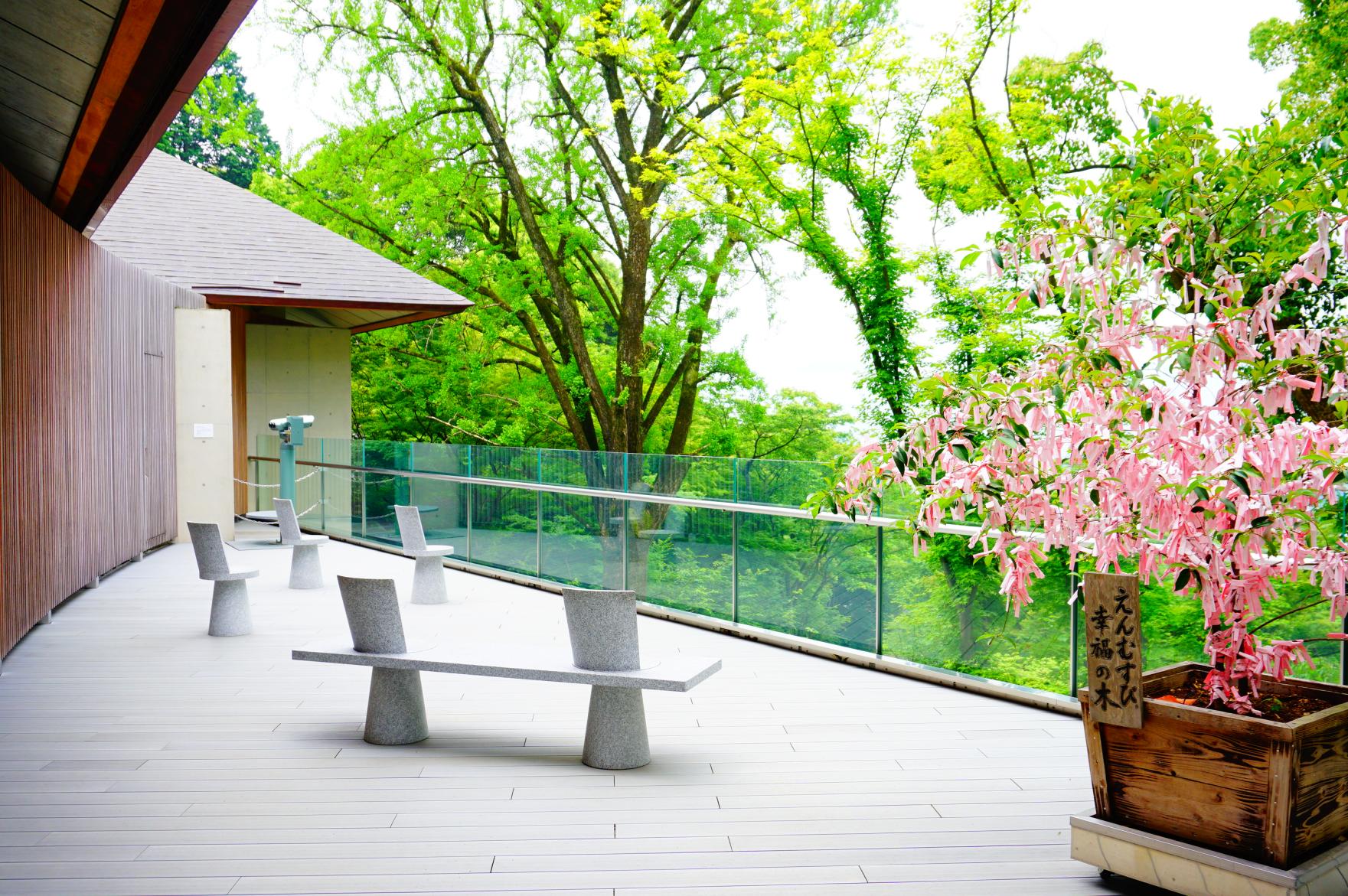
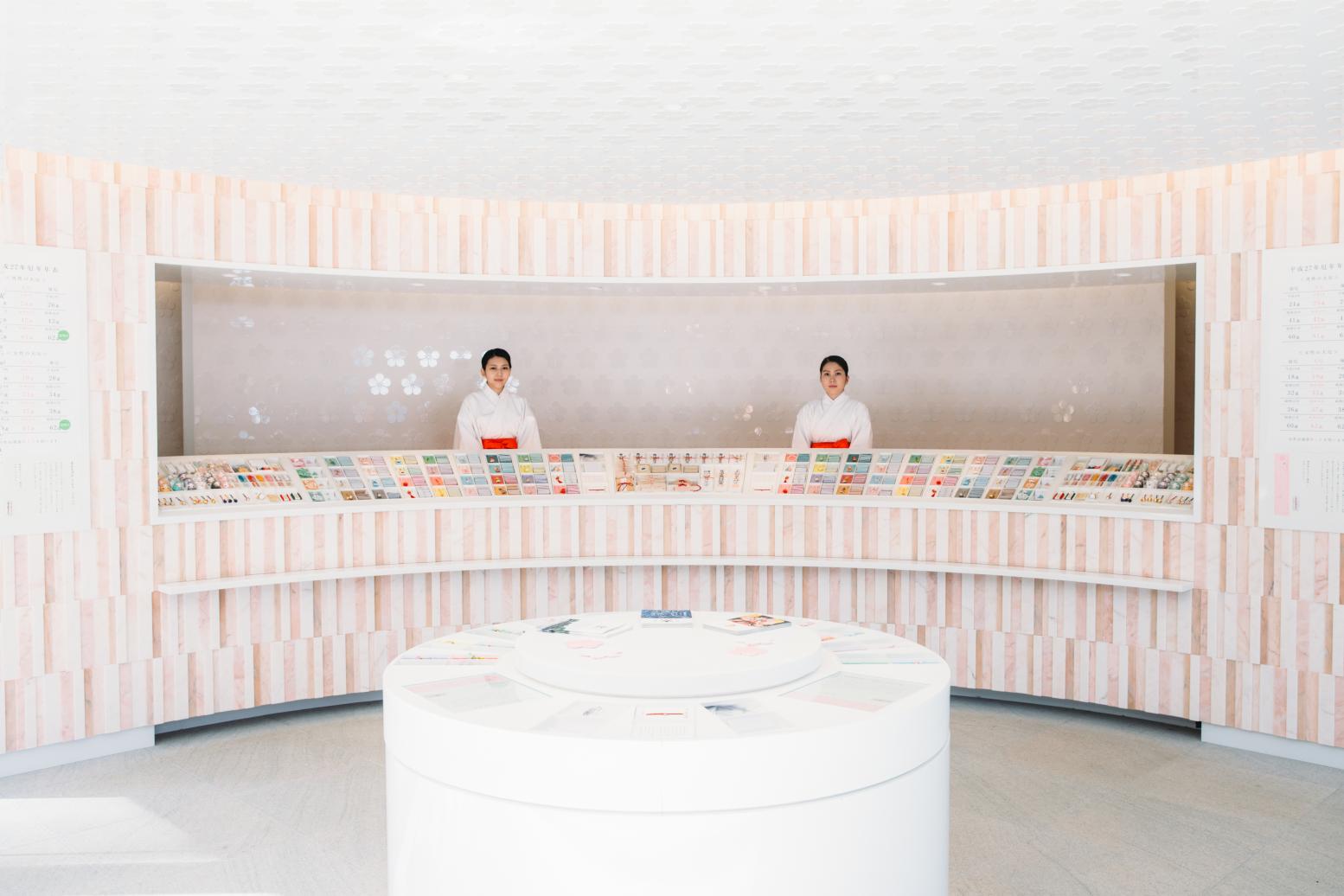
With more than 1,350 years of history, it is known for enshrining the deity of matchmaking. Within the solemn precincts, the "Ofuda Omamori Jyuyosho" (Amulet Hall) catches the eye. Its stylish design, crafted by world-renowned interior designer Masamichi Katayama, adds a fresh touch of color to the sacred shrine landscape. The colorful amulets and "Ema" votive tablets are all adorable! Just looking at them brings delight. The observation deck overlooking the city is furnished with stools and benches designed by product designer Jasper Morrison. Relax on these sophisticated chairs and enjoy a luxurious moment appreciating nature.
Tagawa City Coal Commemorative Park
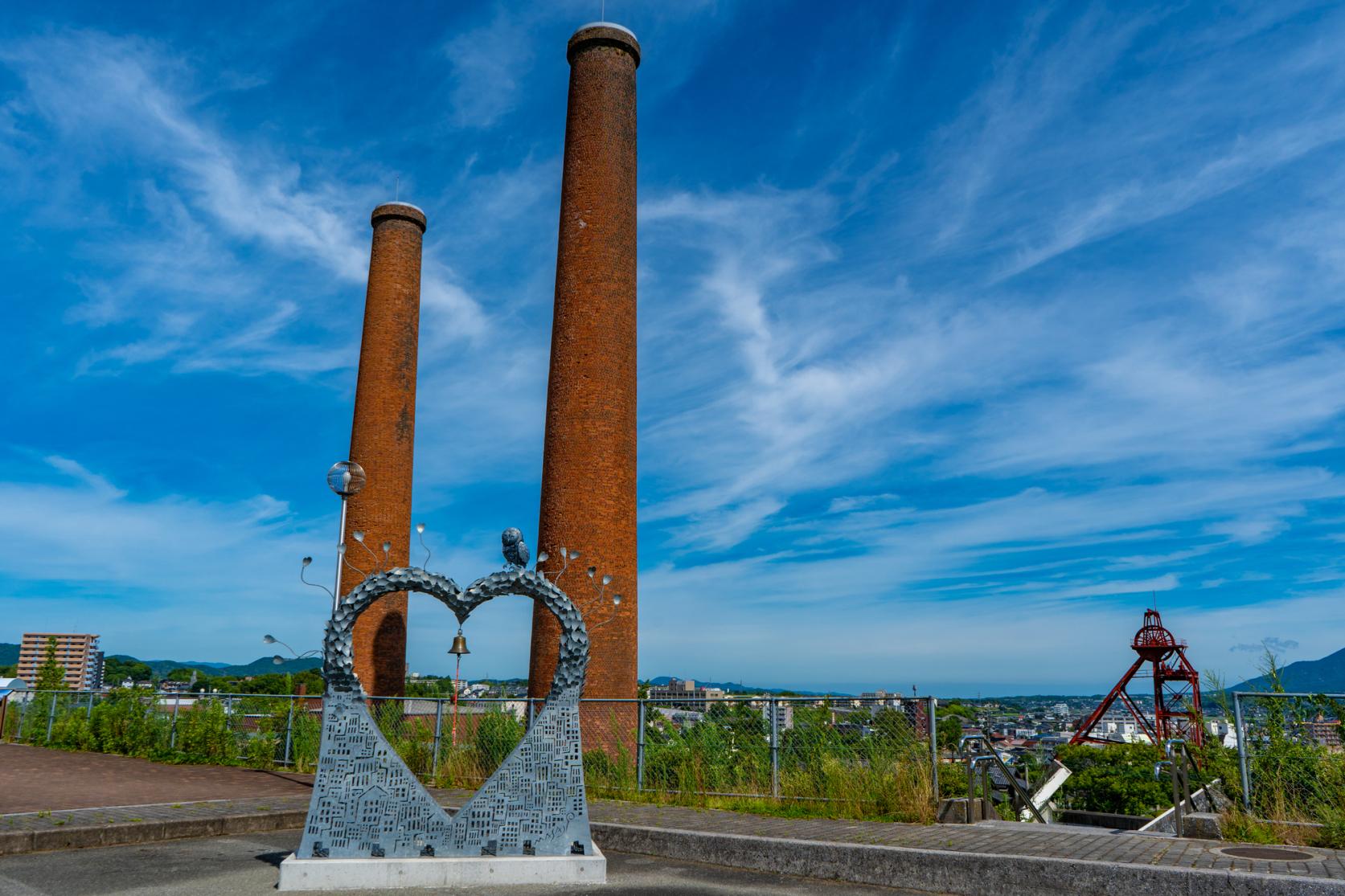
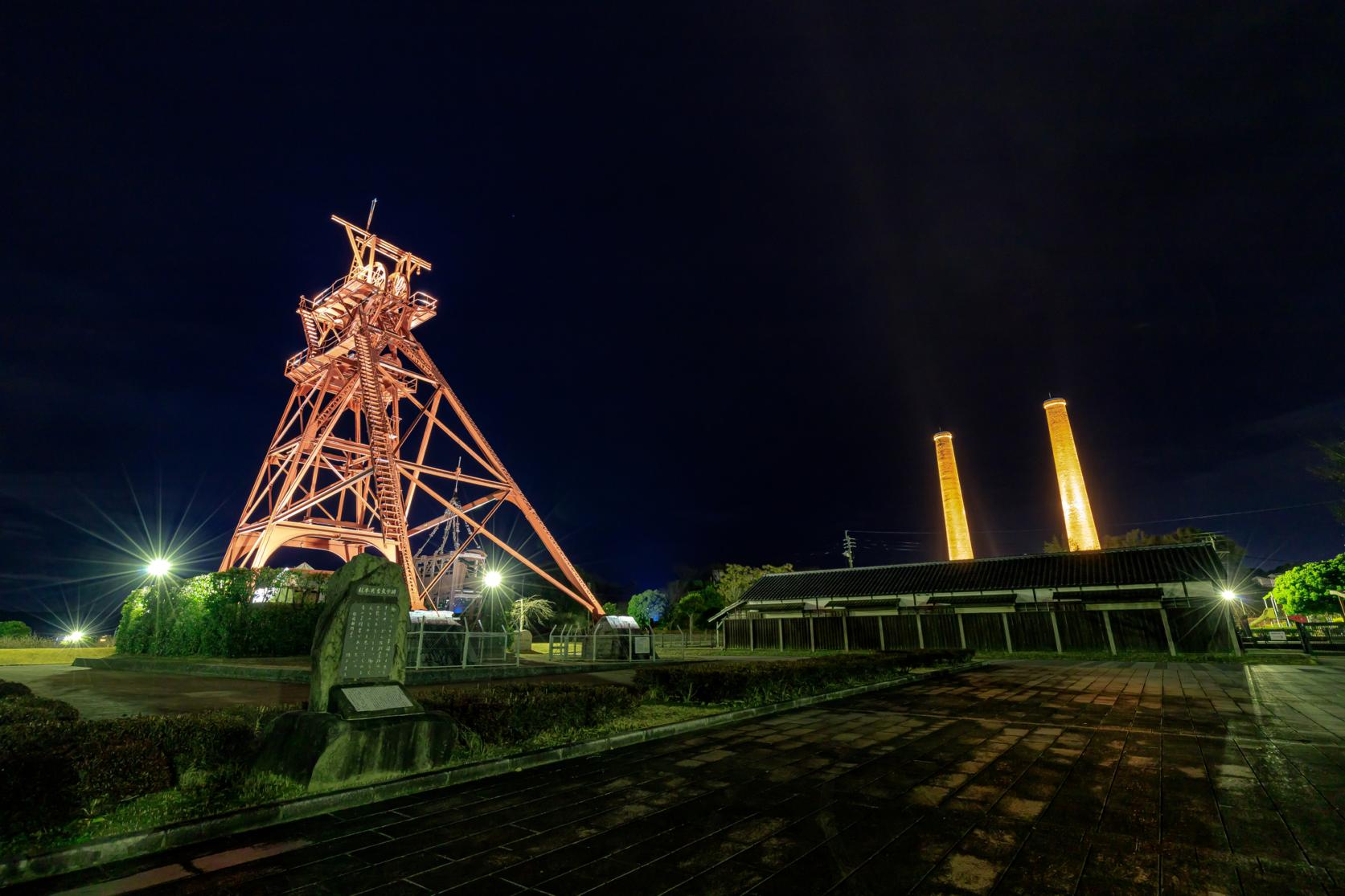
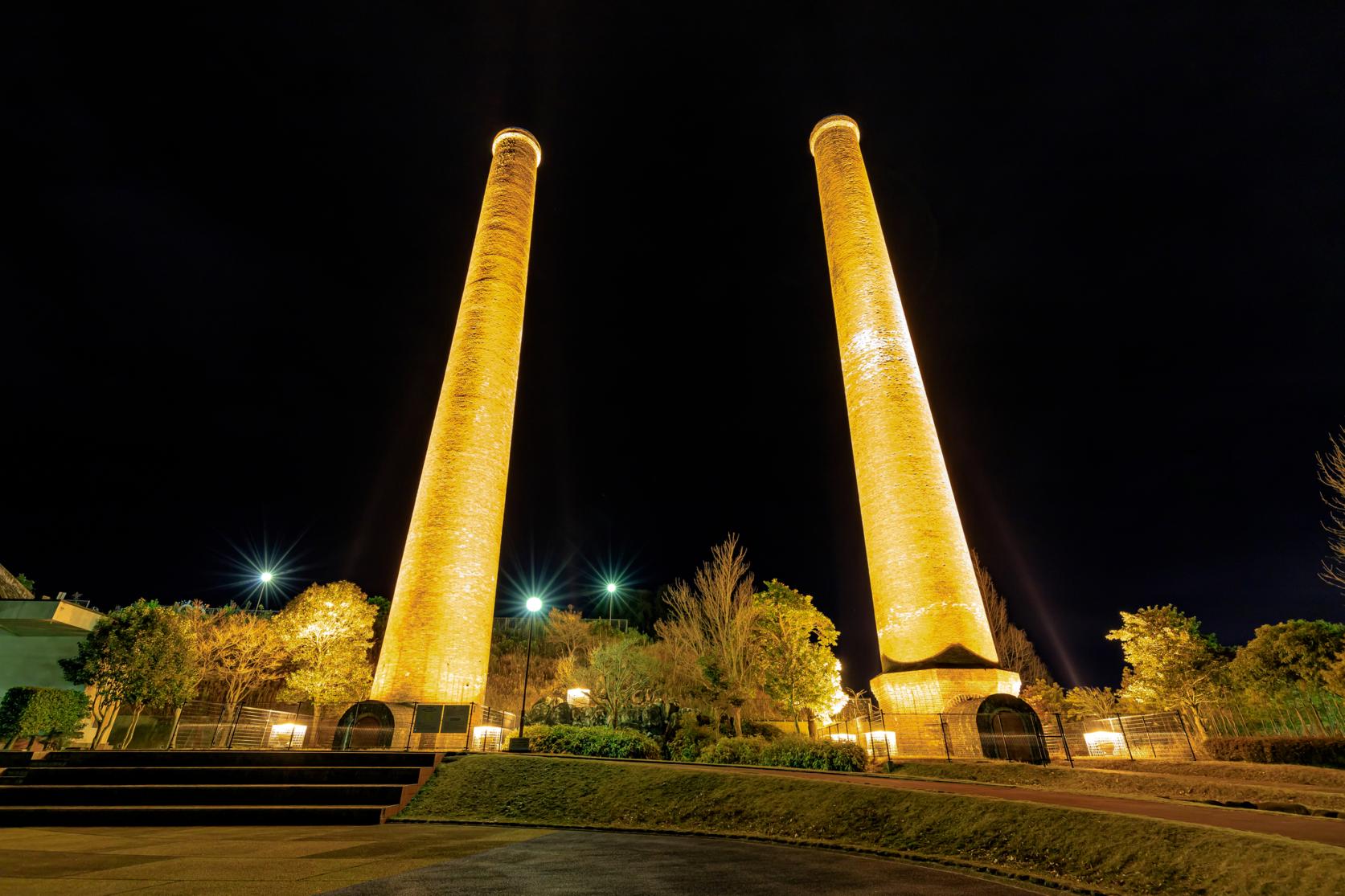
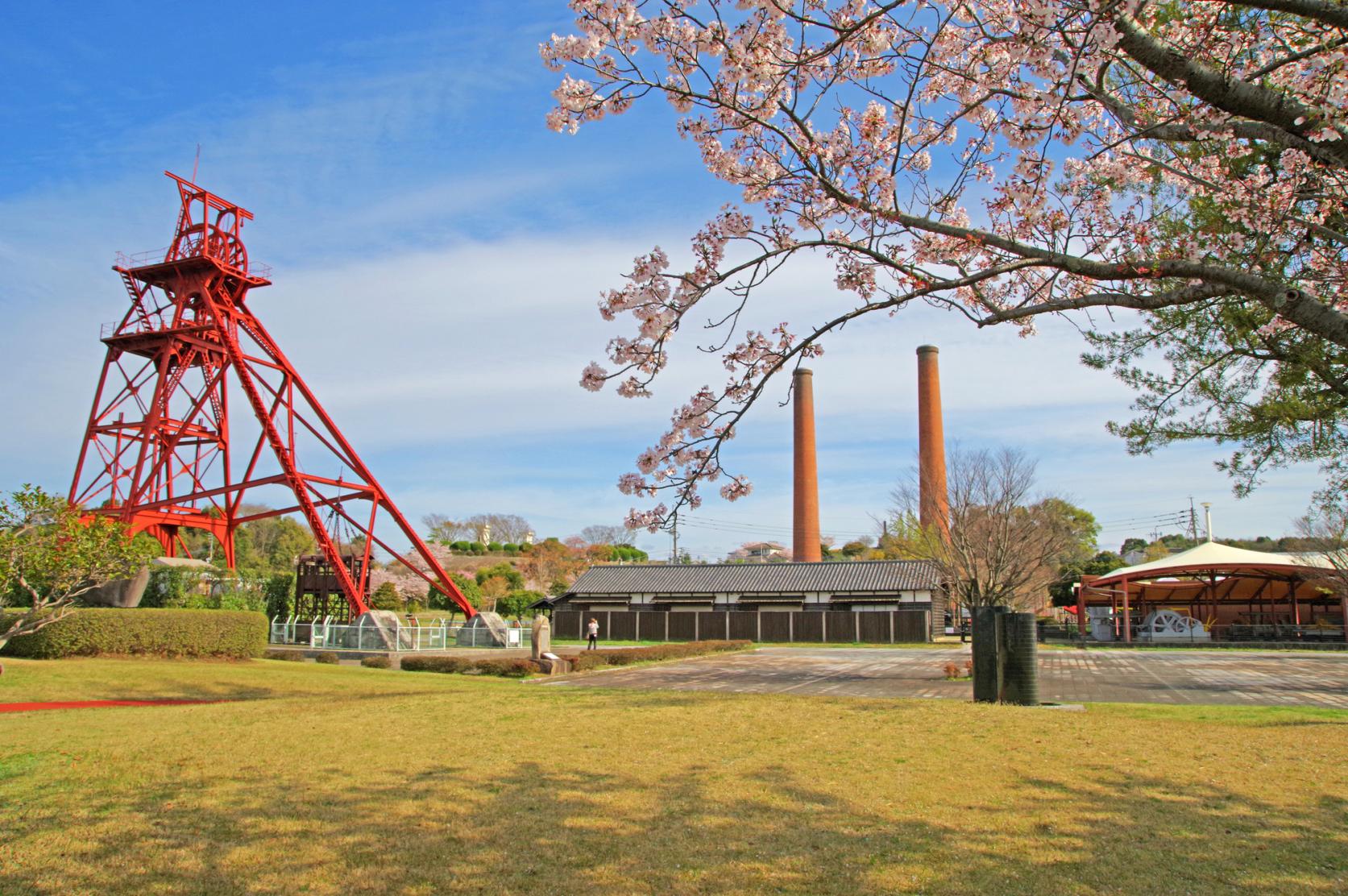
The two brick smokestacks symbolize the history of this coal mining town. They are illuminated daily, creating a silhouette that emerges like a fantasy against the night sky.
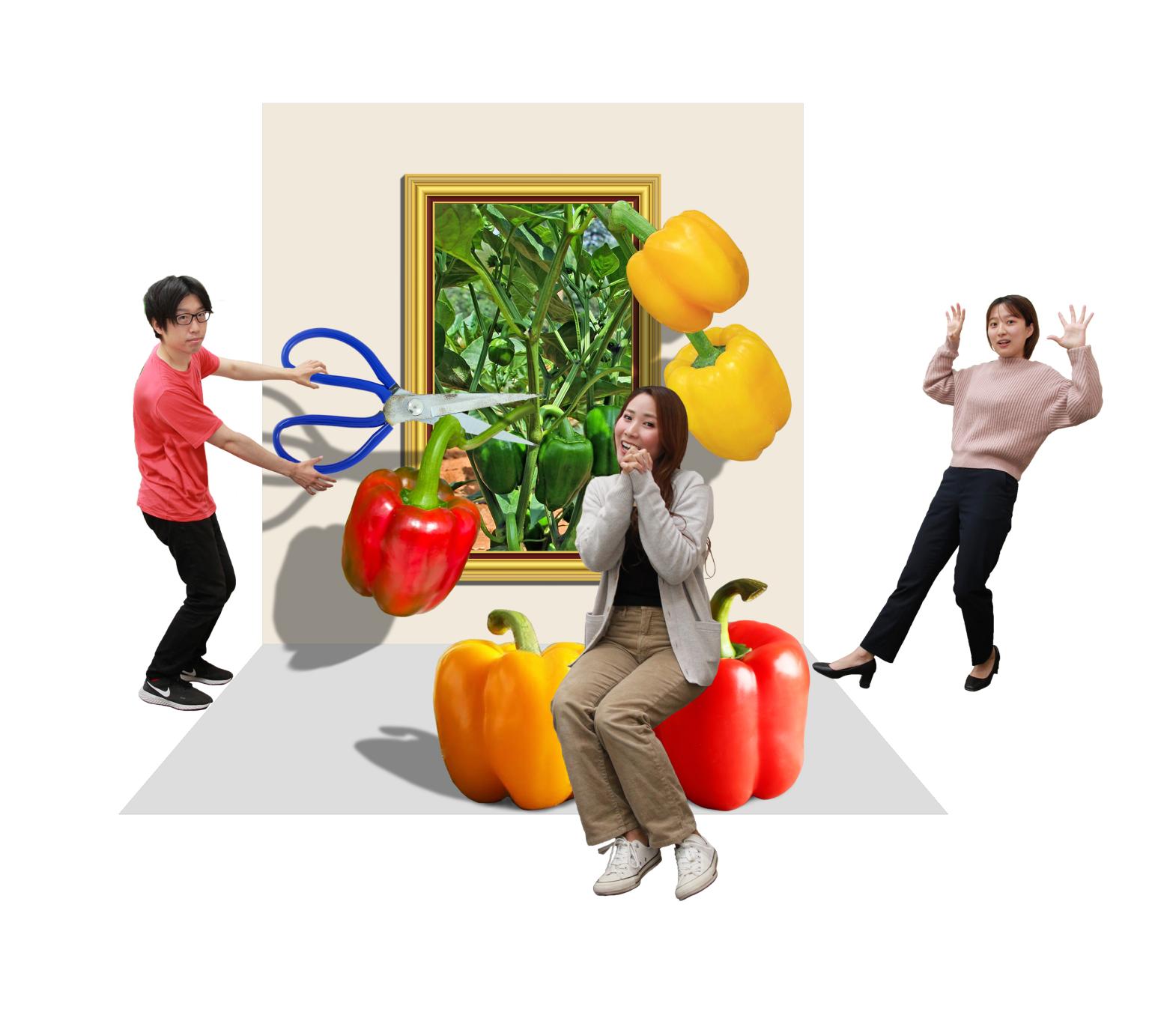
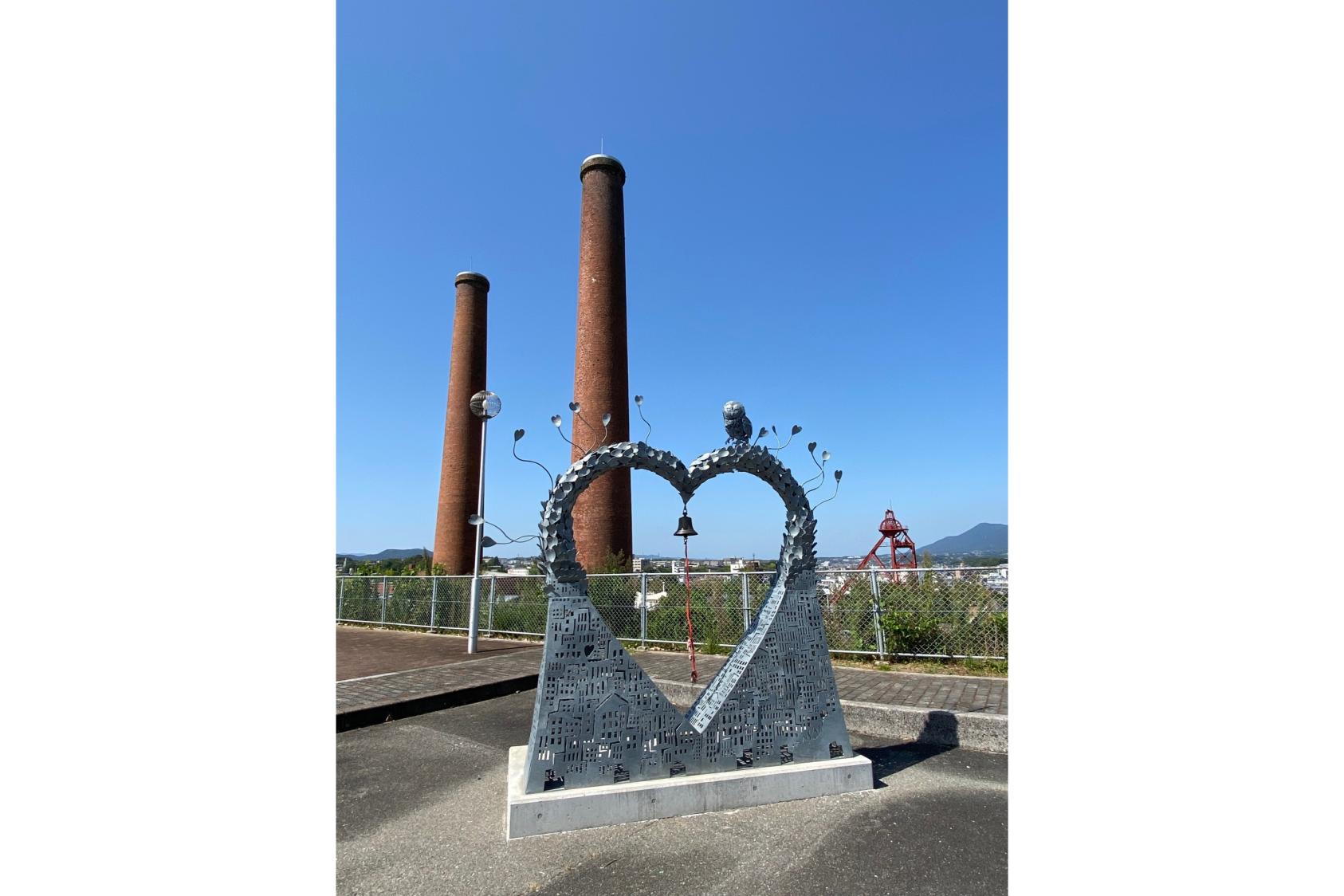
There is a heart-shaped installation in the park named "Towa no Kane," set against the backdrop of the twin smokestacks lined up close to each other. It is said to bring happiness when rung by two people together. The giant paprika trick art features a special mechanism: when you hold your smartphone with the dedicated app over it, the image starts moving and comes to life! It is an art spot where echoes of history are imbued with a playful spirit.
Kyoso no Niwa
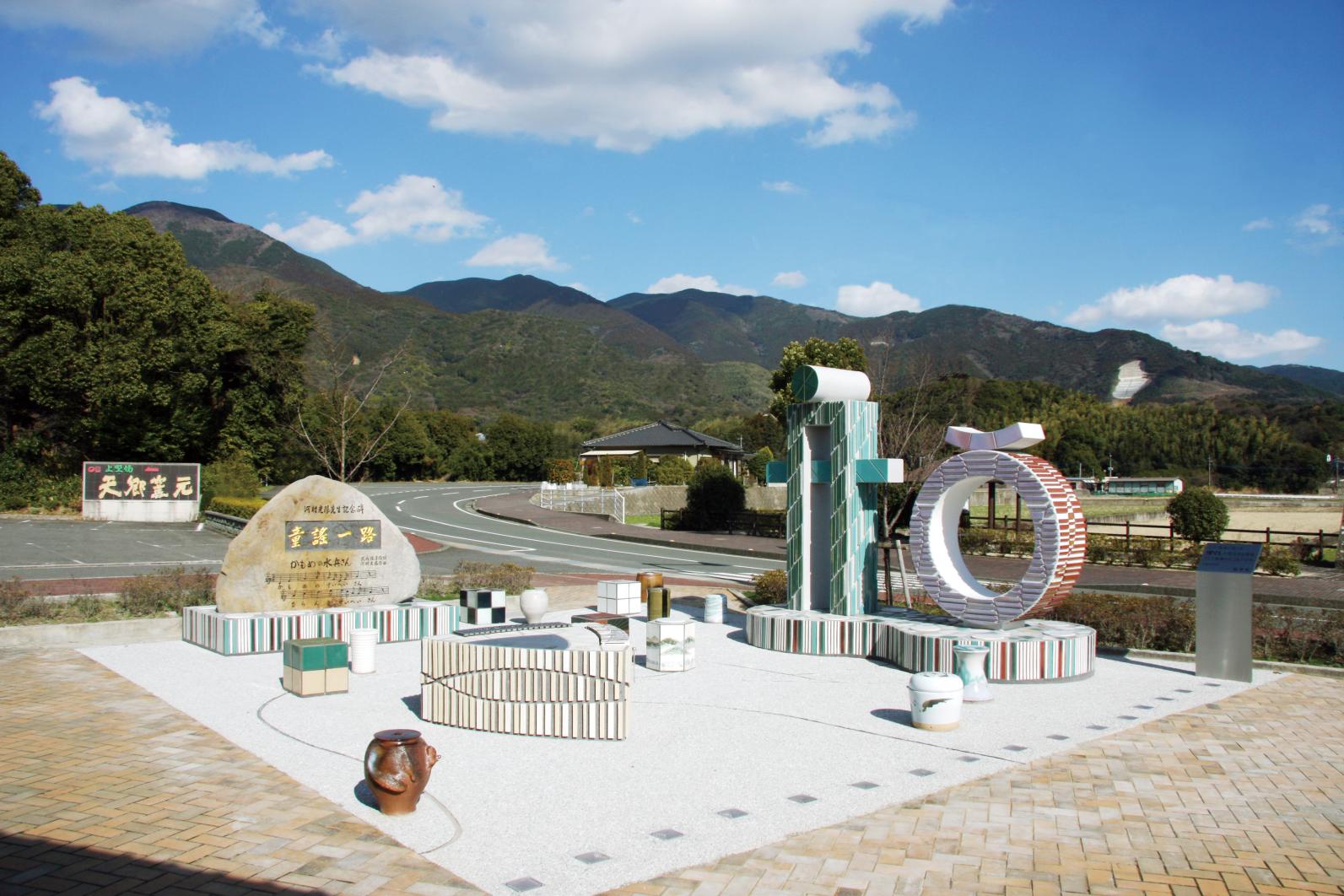
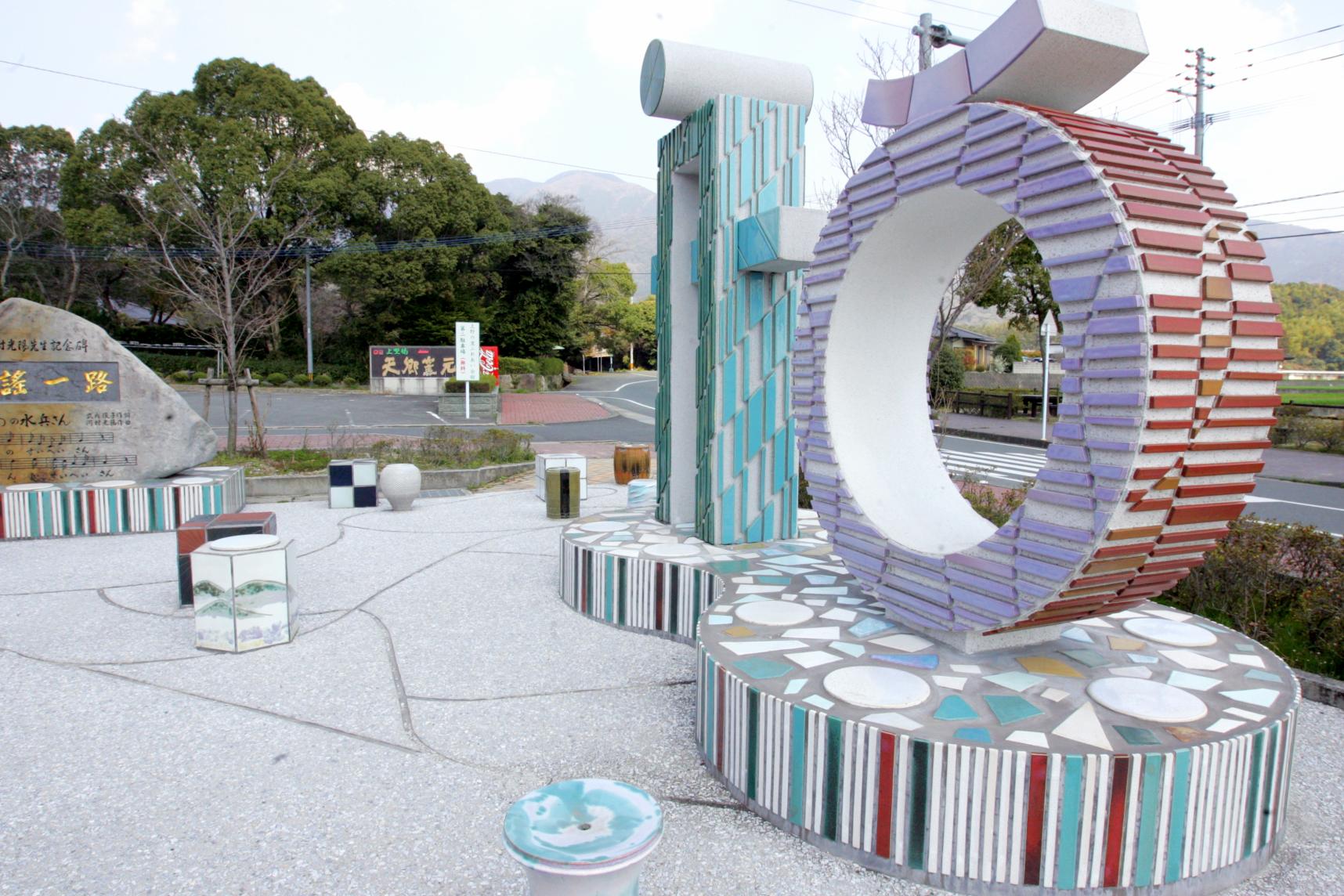
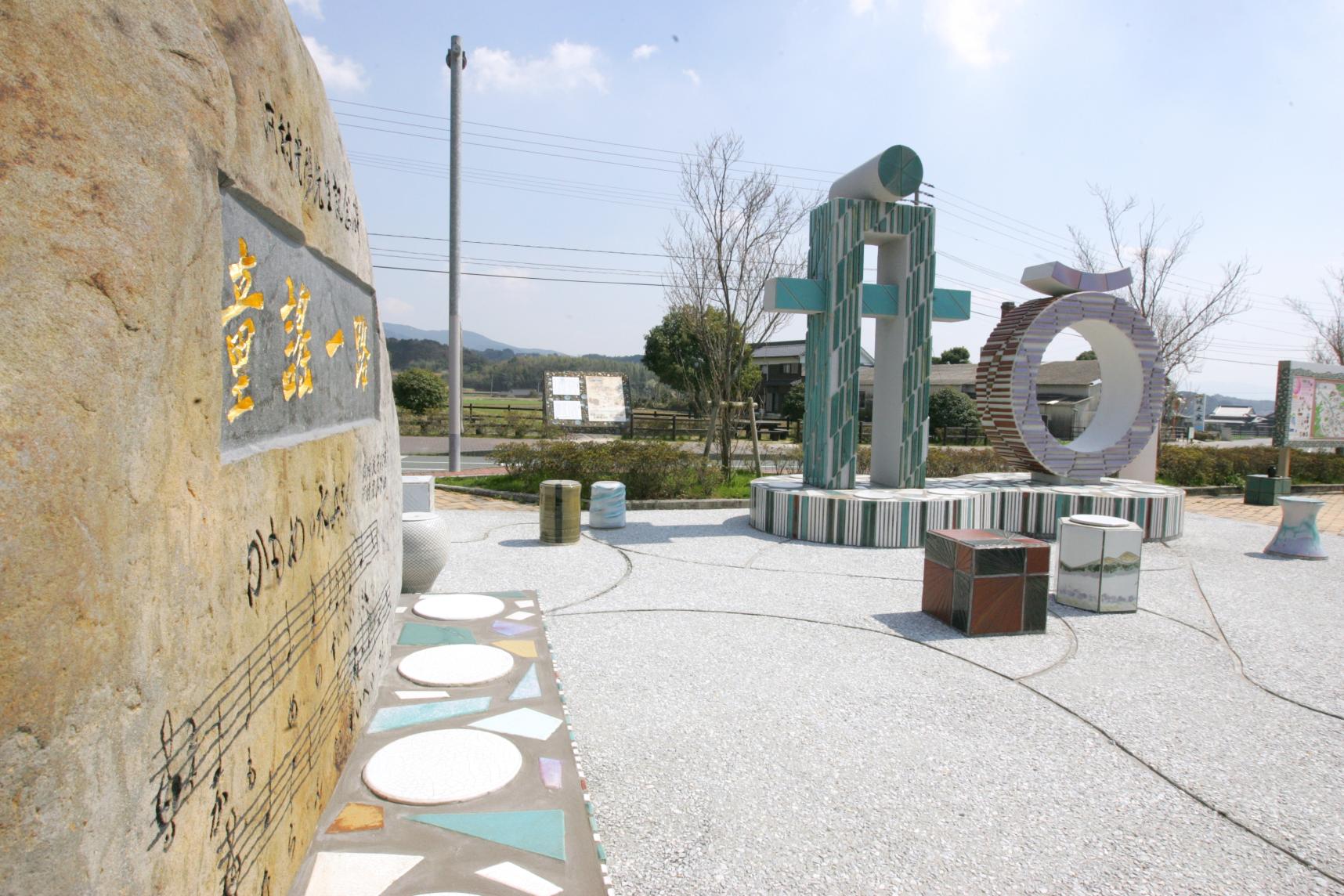
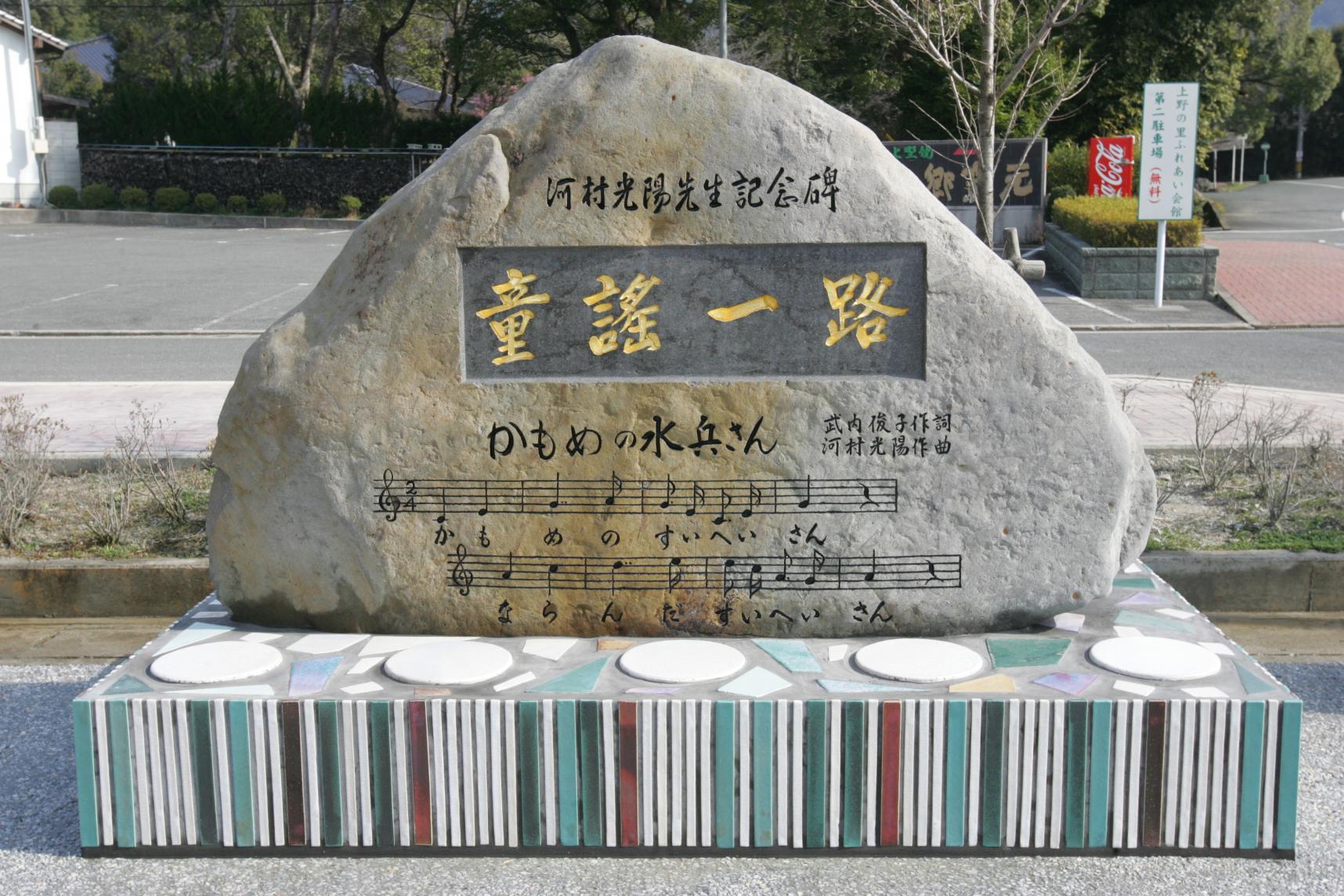
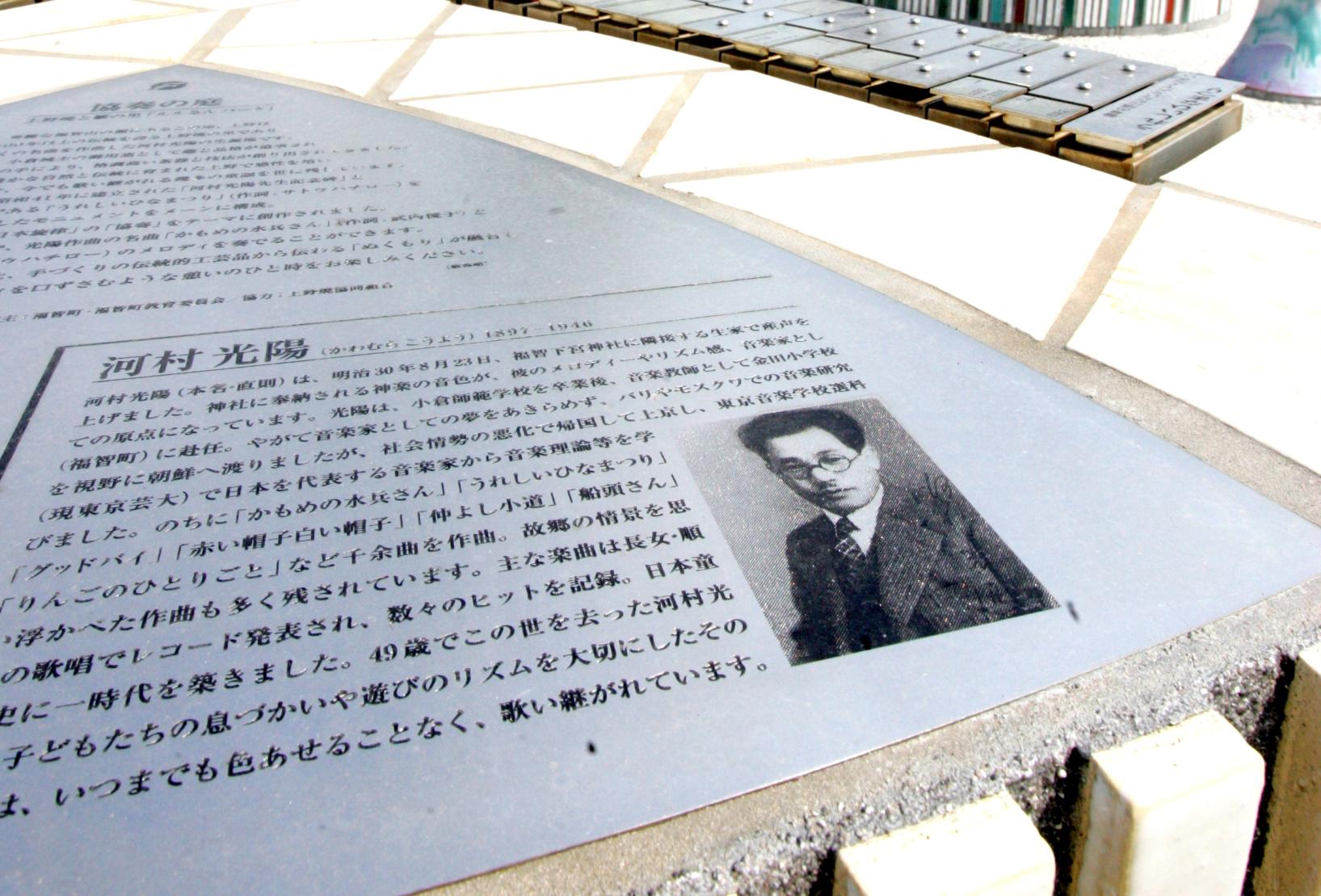
This is an art spot that lavishly features Agano-yaki, one of the traditional crafts representative of Fukuoka Prefecture. The entire grounds depict a map of the village of Agano, with sculptures crafted by artisans from each kiln placed at their respective locations.
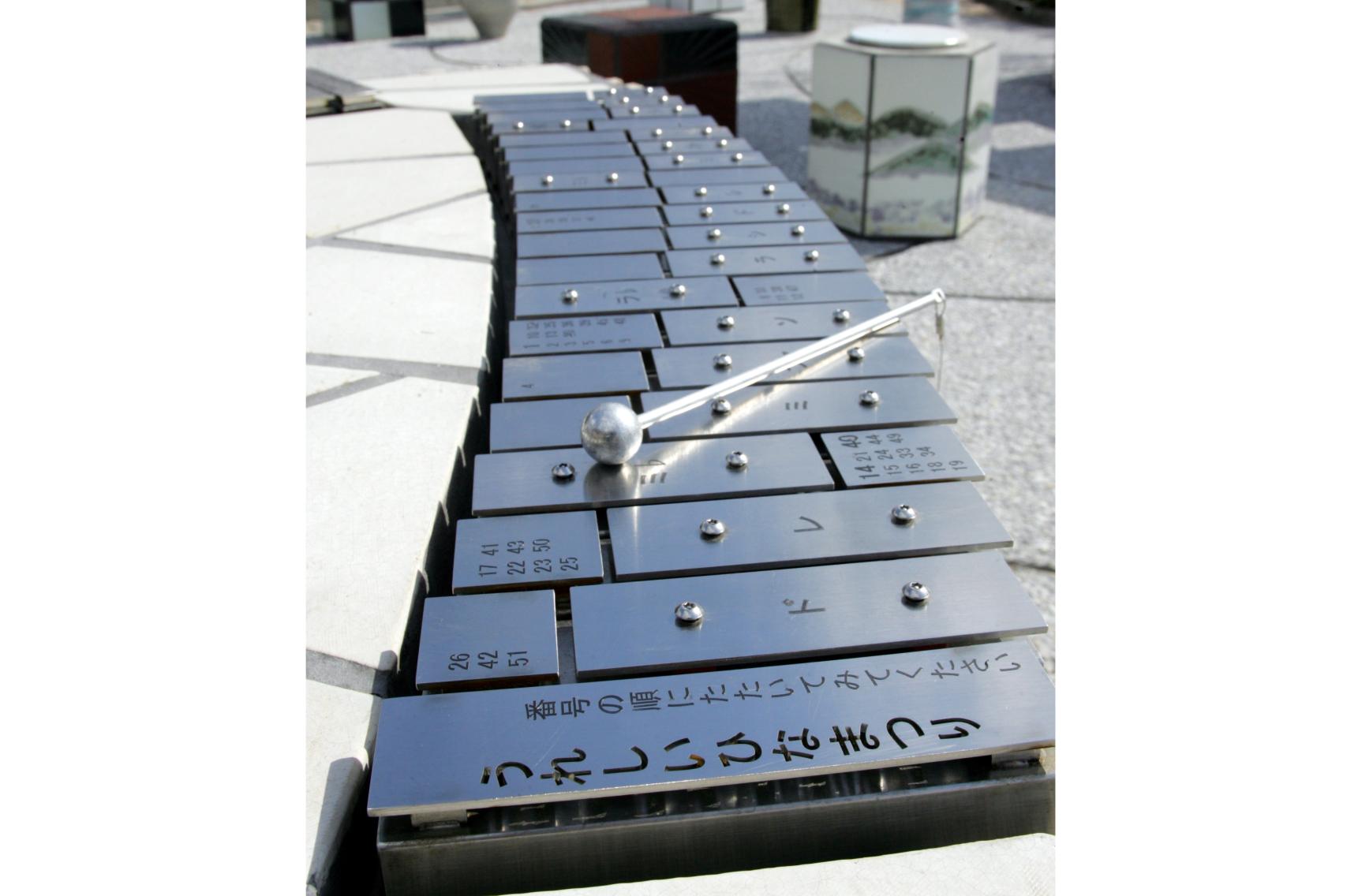
This place is also associated with composer Koyo Kawamura, a composer who created numerous children's songs. A monument stands within the grounds, along with a glockenspiel that plays the melodies of his signature works. It is a soothing space where Japanese traditional crafts and nostalgic melodies resonate together.
[Photo spots that make the heart leap]
Encounter playful artworks that make you want to reach for your camera, from wall art in rich, vibrant colors, to massive installations
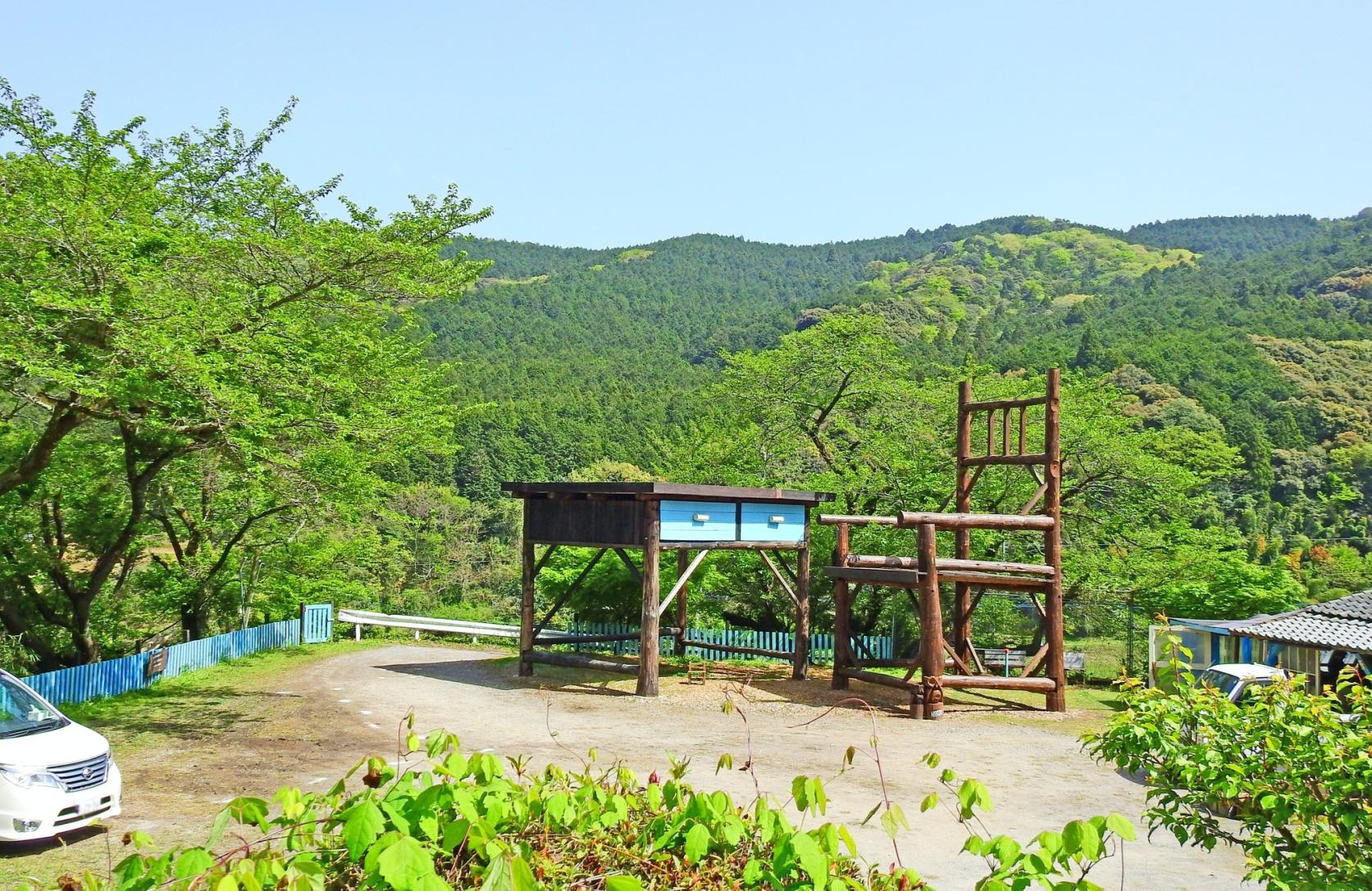
Big Chair & Desk
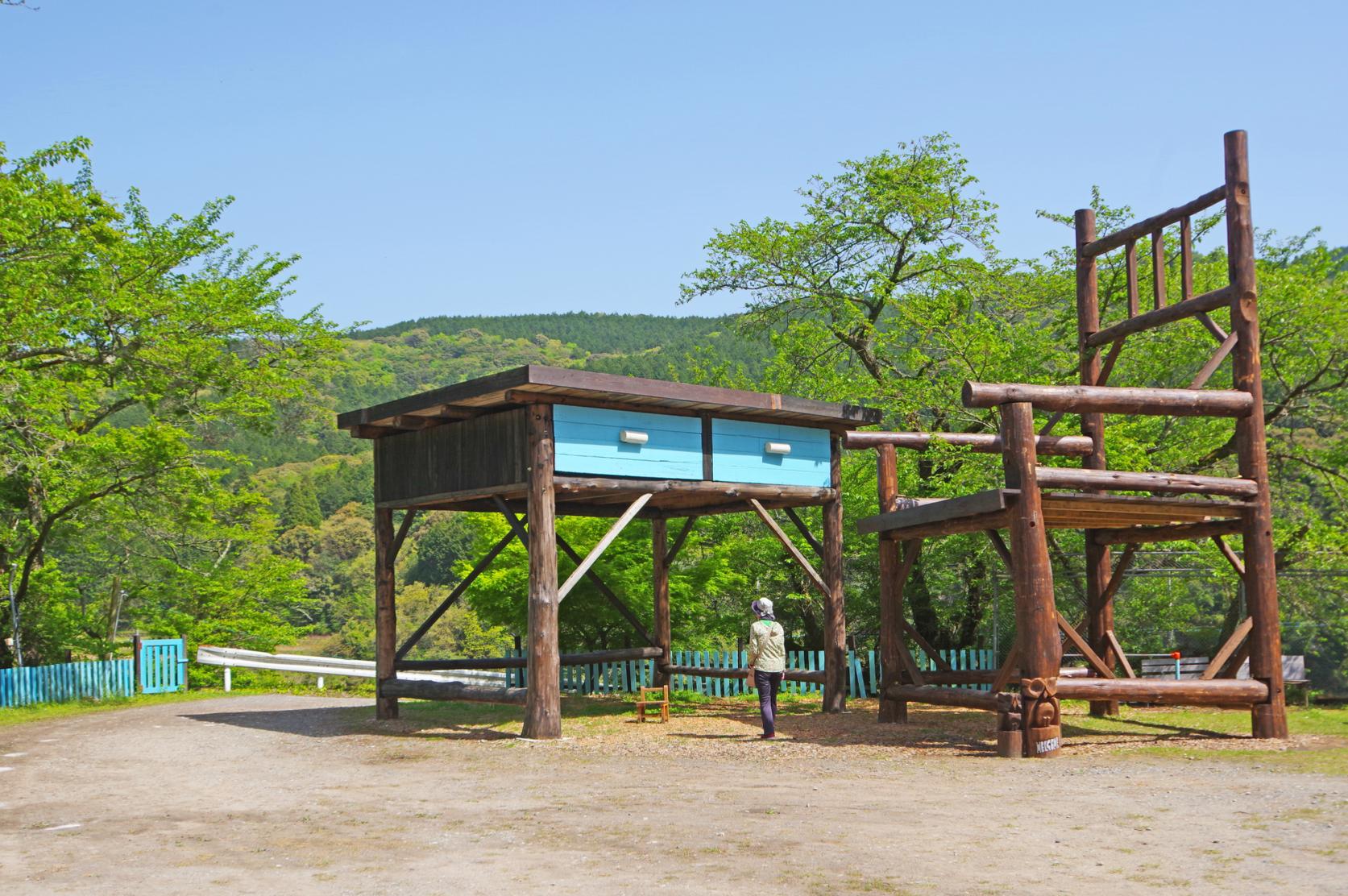
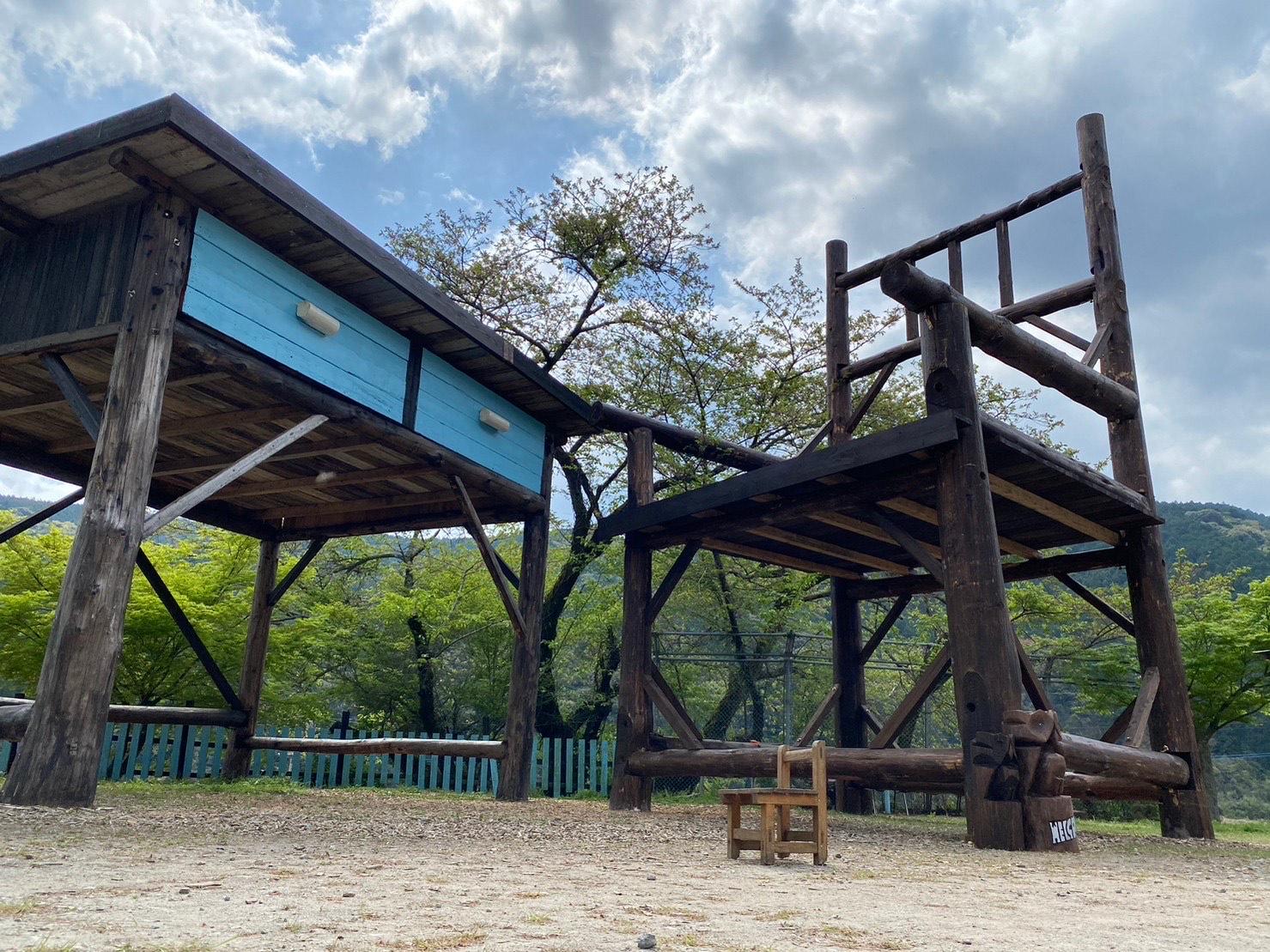
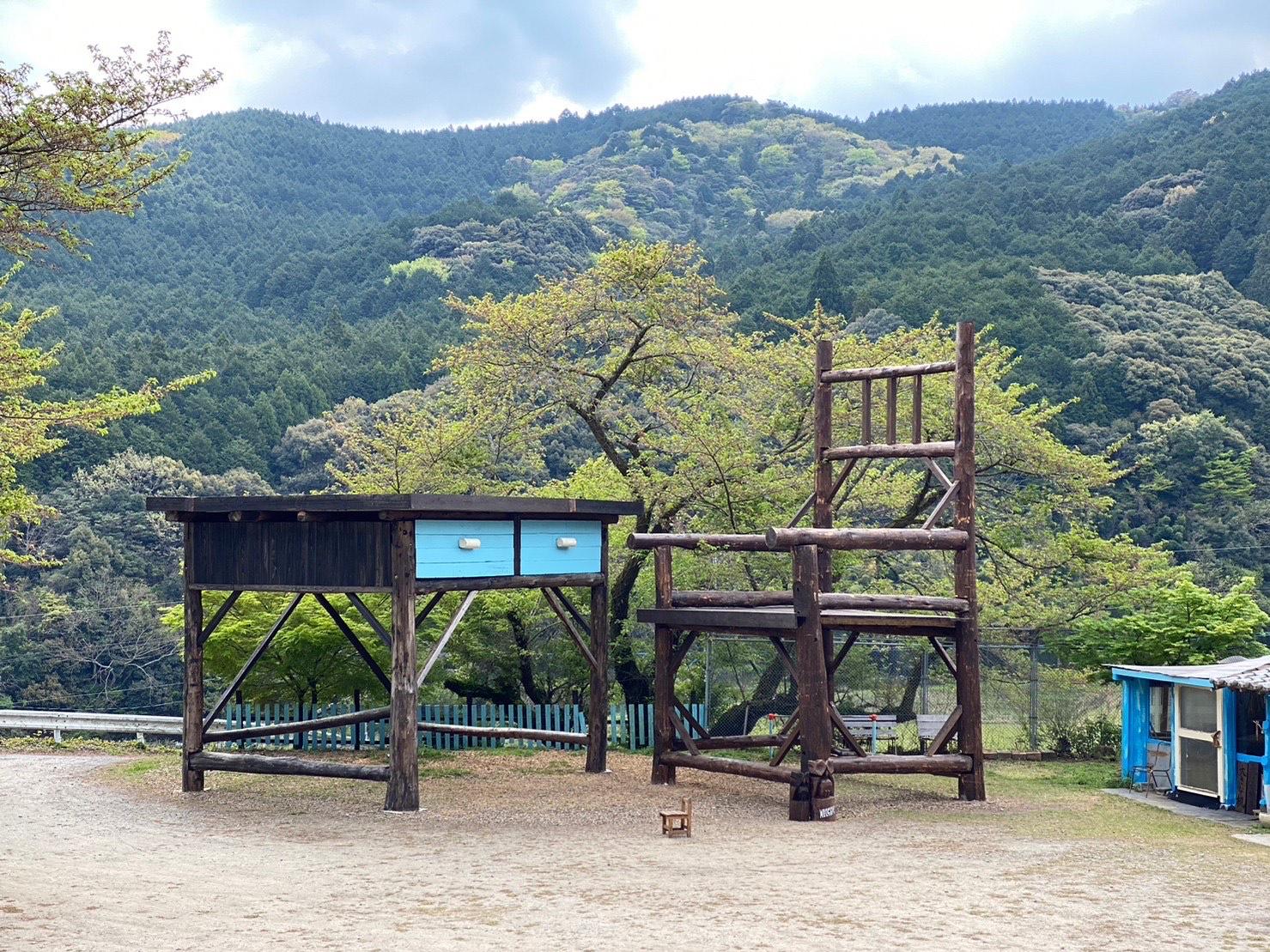
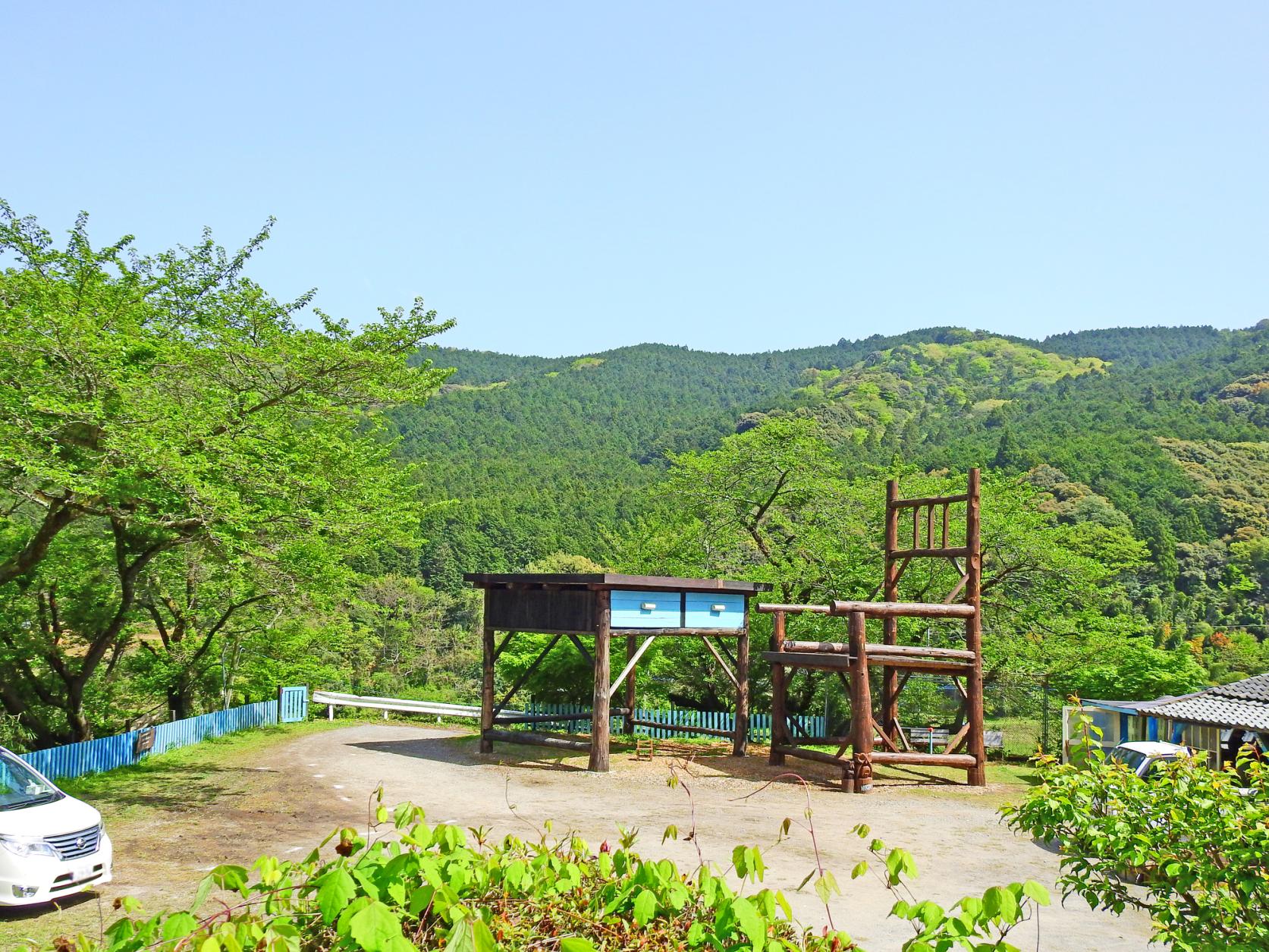
A sculpture of a massive chair and desk appear as if from nowhere, amidst the lush greenery of the former school grounds in Buzen City. The chair stands at about 7 m tall, and you can climb it using the attached ladder. Looking up envelops you in a strange sense of immersion, as if you have shrunk and wandered into a storybook world.
The old wooden school building, with its nostalgic atmosphere, is also open for viewing. There is also an attached workshop and cafe, where workshops and other events are held offering the opportunity to experience the warmth of handmade crafts.
Nyoirinji Temple (Frog Temple)
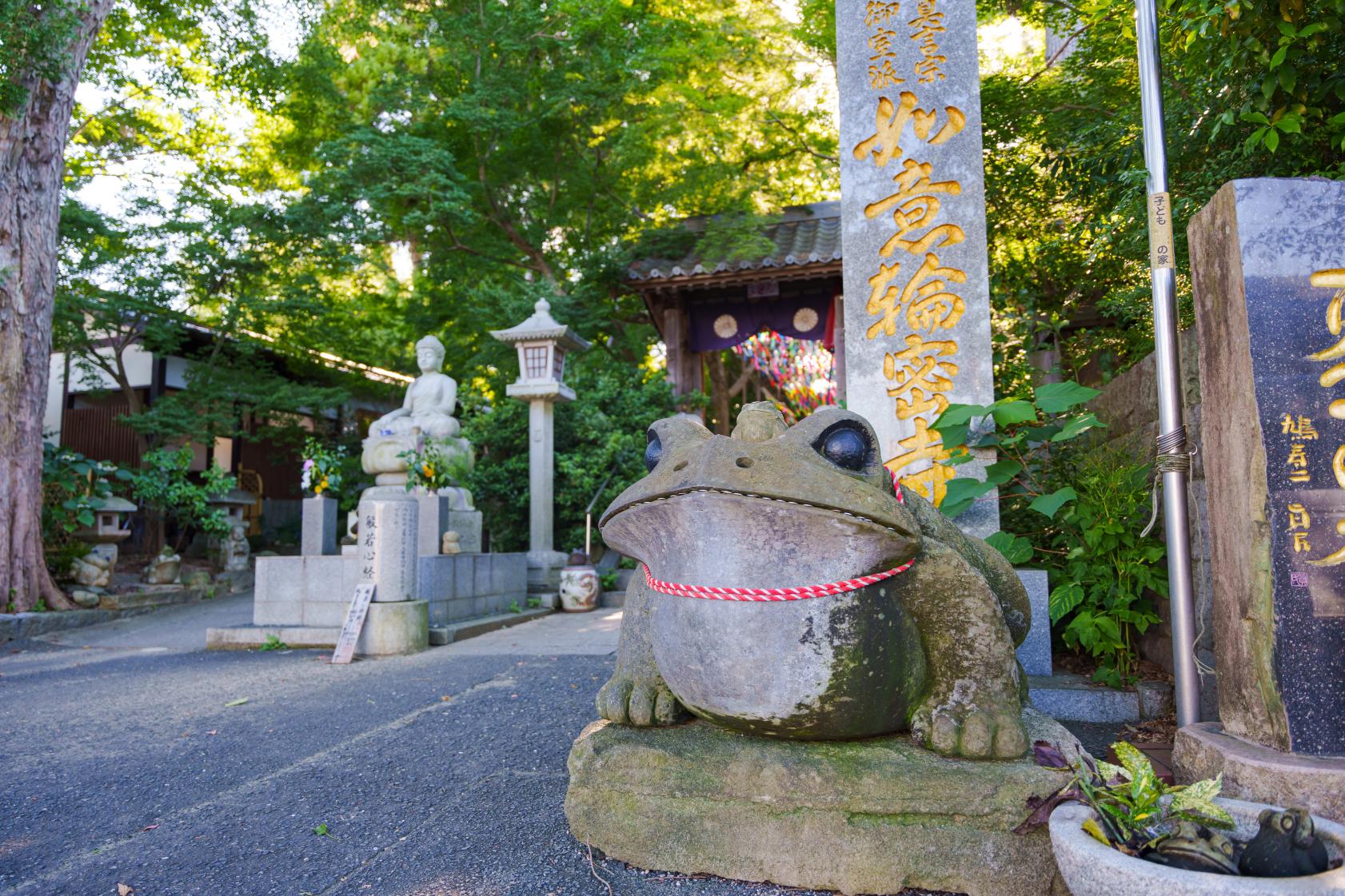
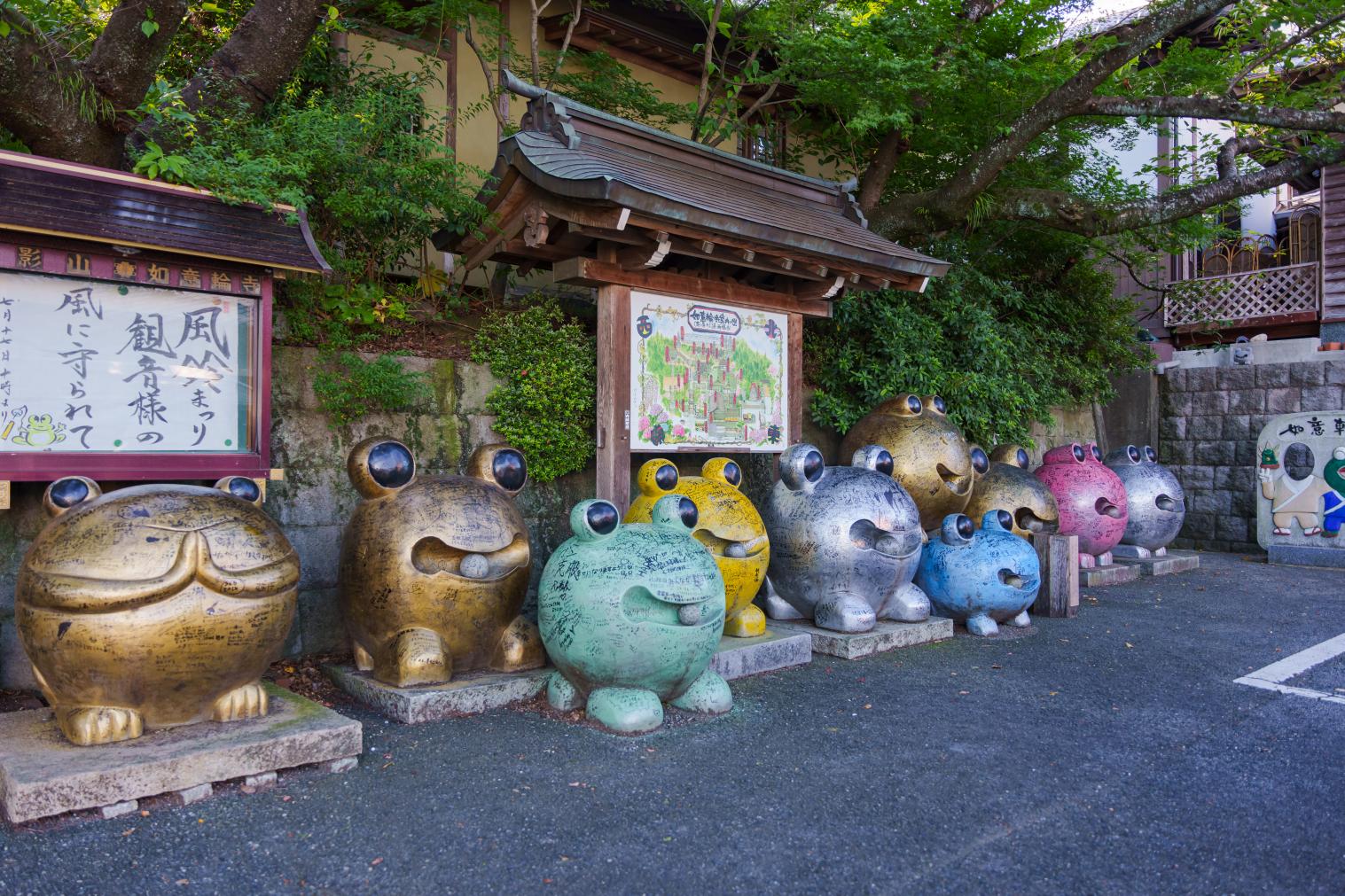
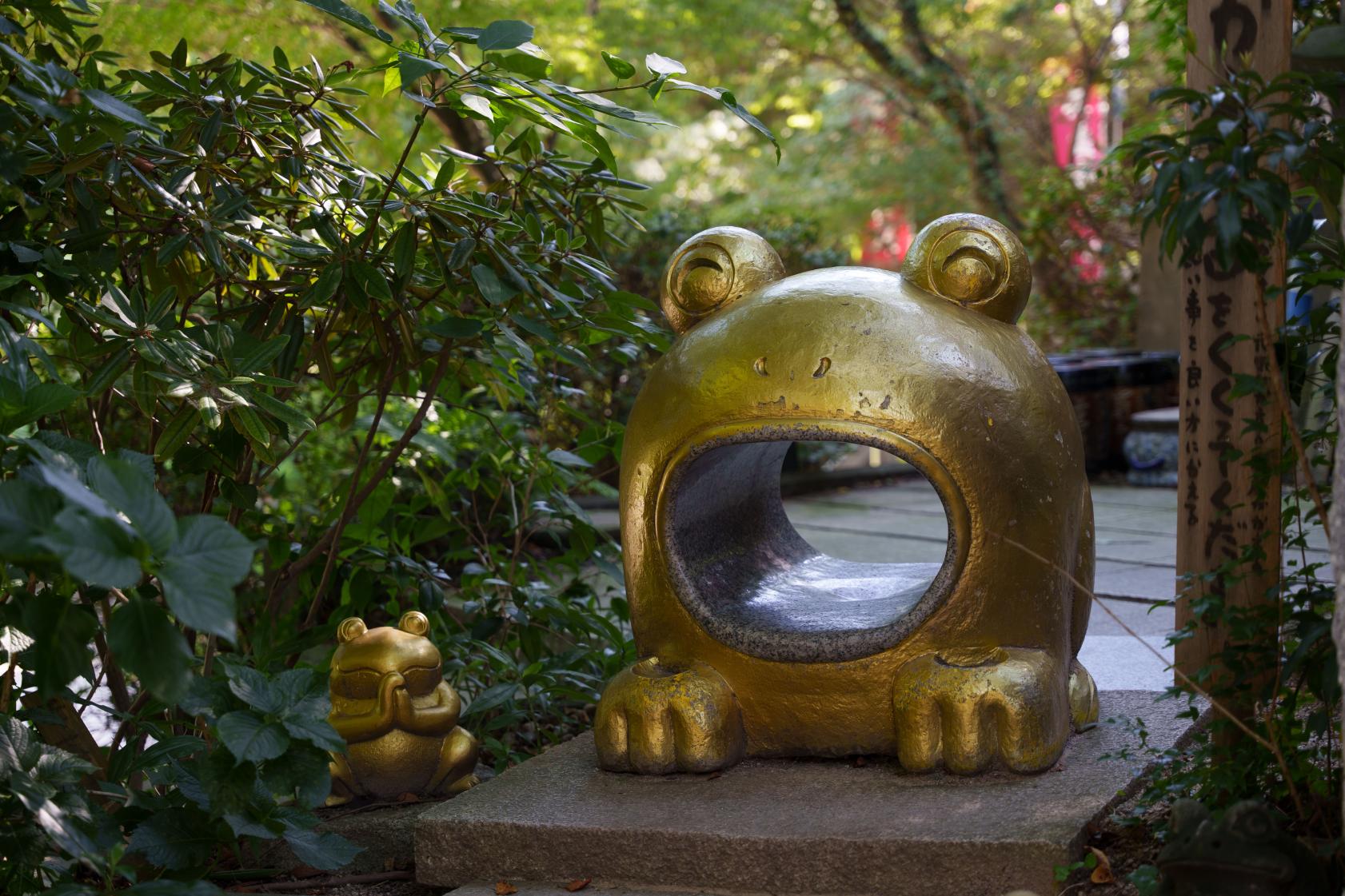
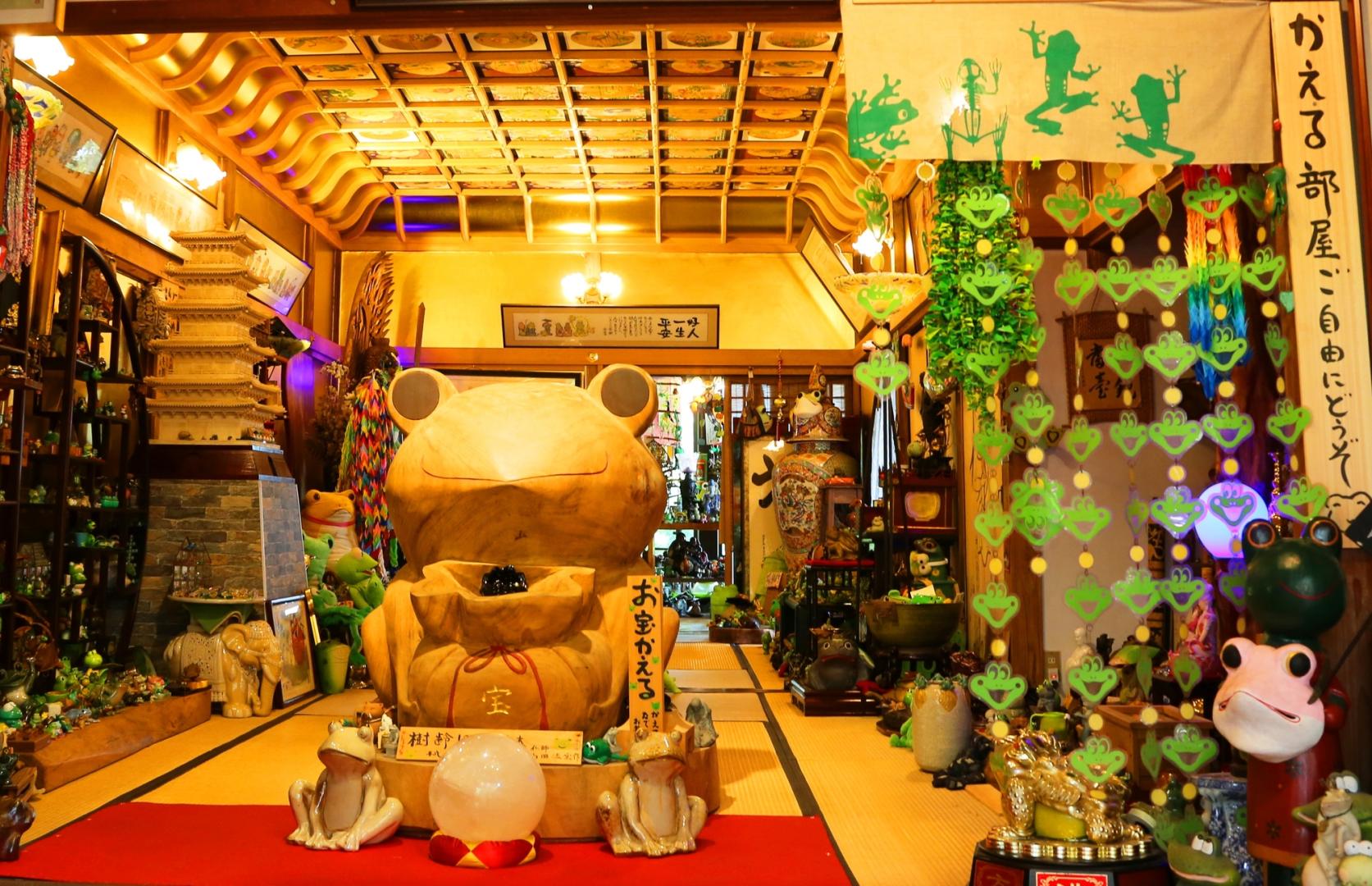
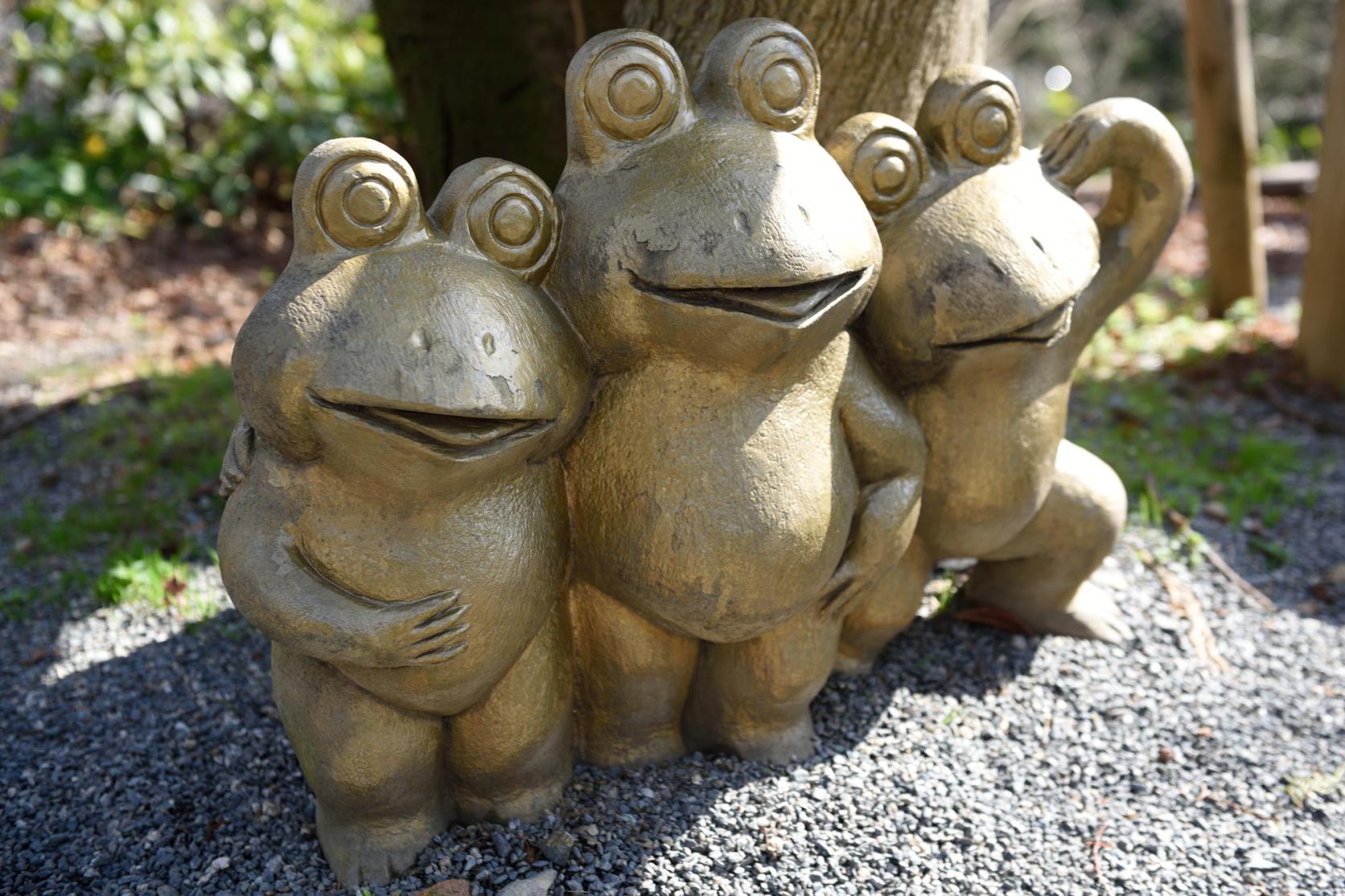
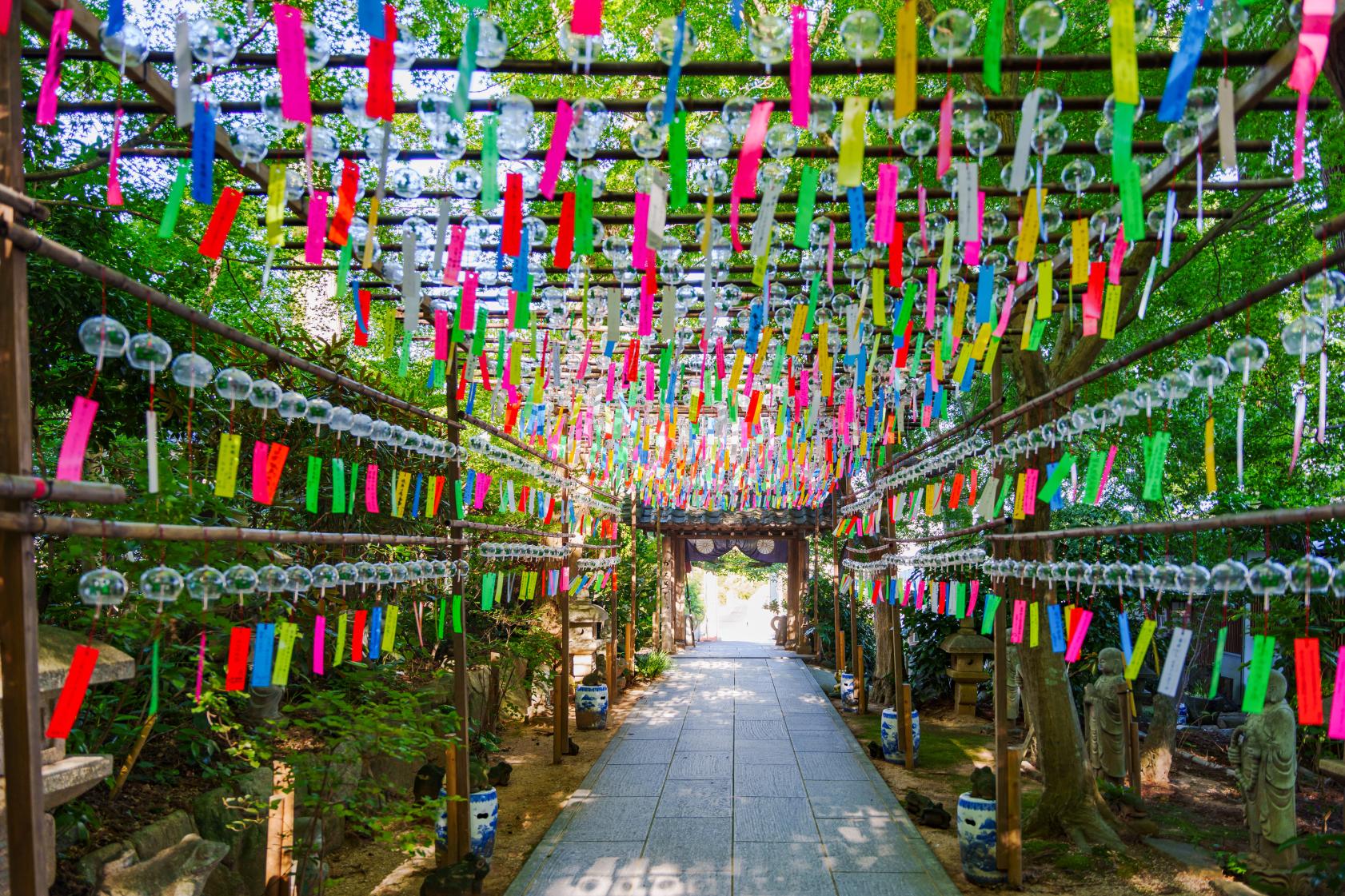
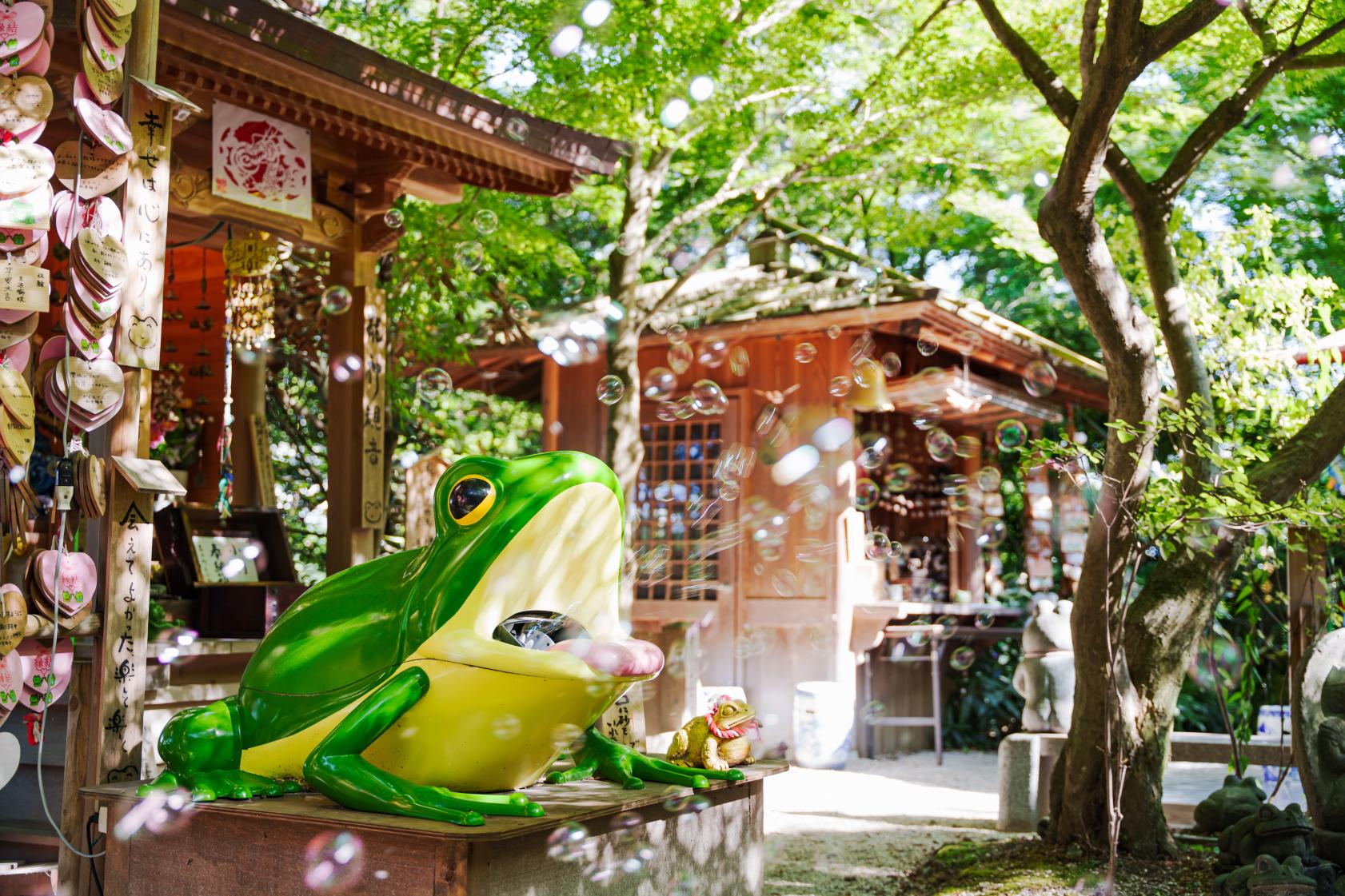
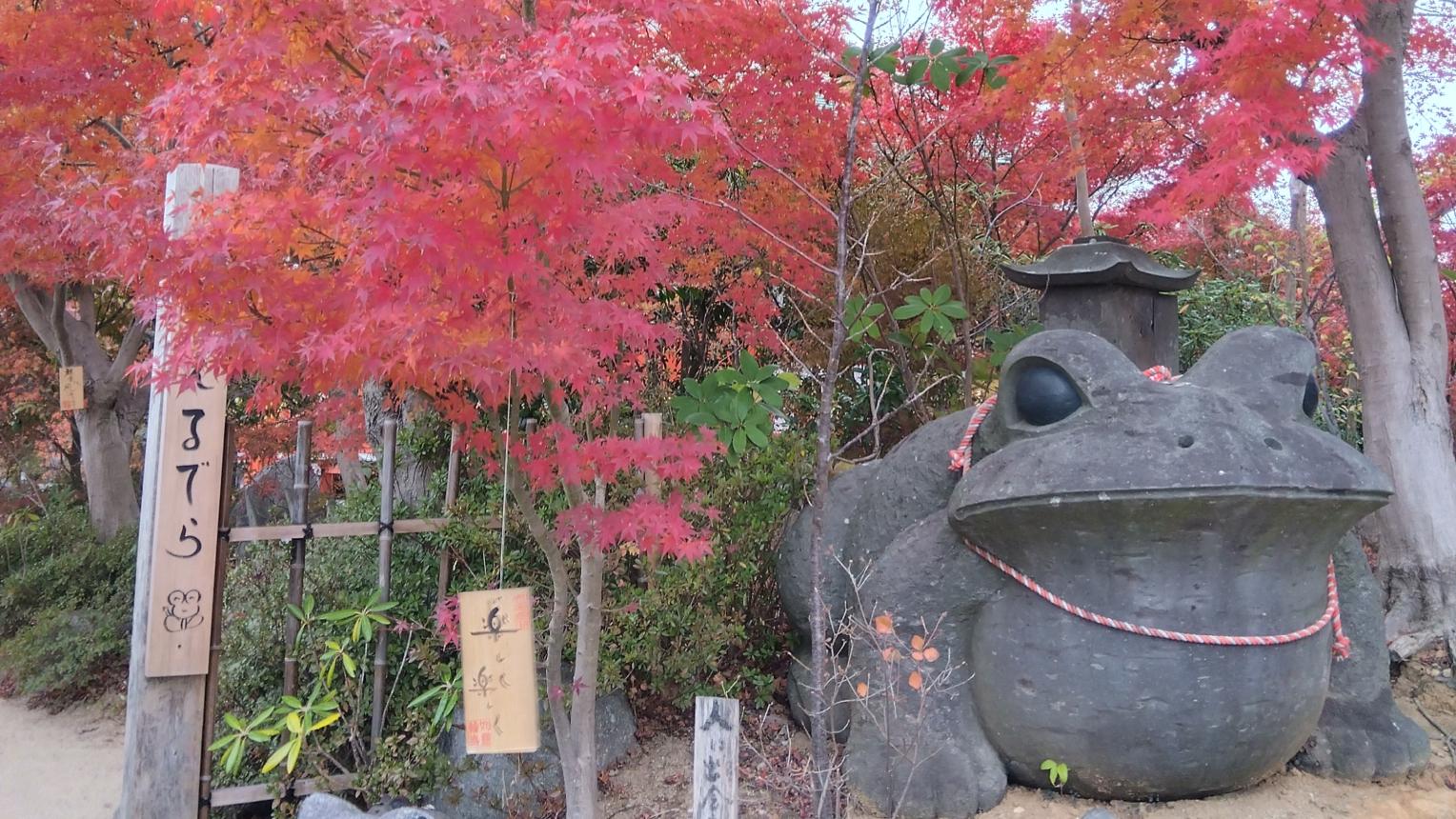
Nyoirinji Temple, said to have been founded in the 8th century, is also affectionately known as “Frog Temple.” The temple precincts are filled with approximately 10,000 adorable frog figurines and sculptures. Each embodies wishes such as “return safely,” “return healthily,” and “return with money" ("kaeru" is a pun on "return" and "frog" in Japanese), and their distinctive, humorous expressions are heartwarming to look at.
The Wind Chime Festival, which sees the grounds decorated with thousands of wind chimes, is held from spring to summer. In autumn, the red foliage is illuminated, creating picturesque scenes wherever you look.
Fukuma Beach
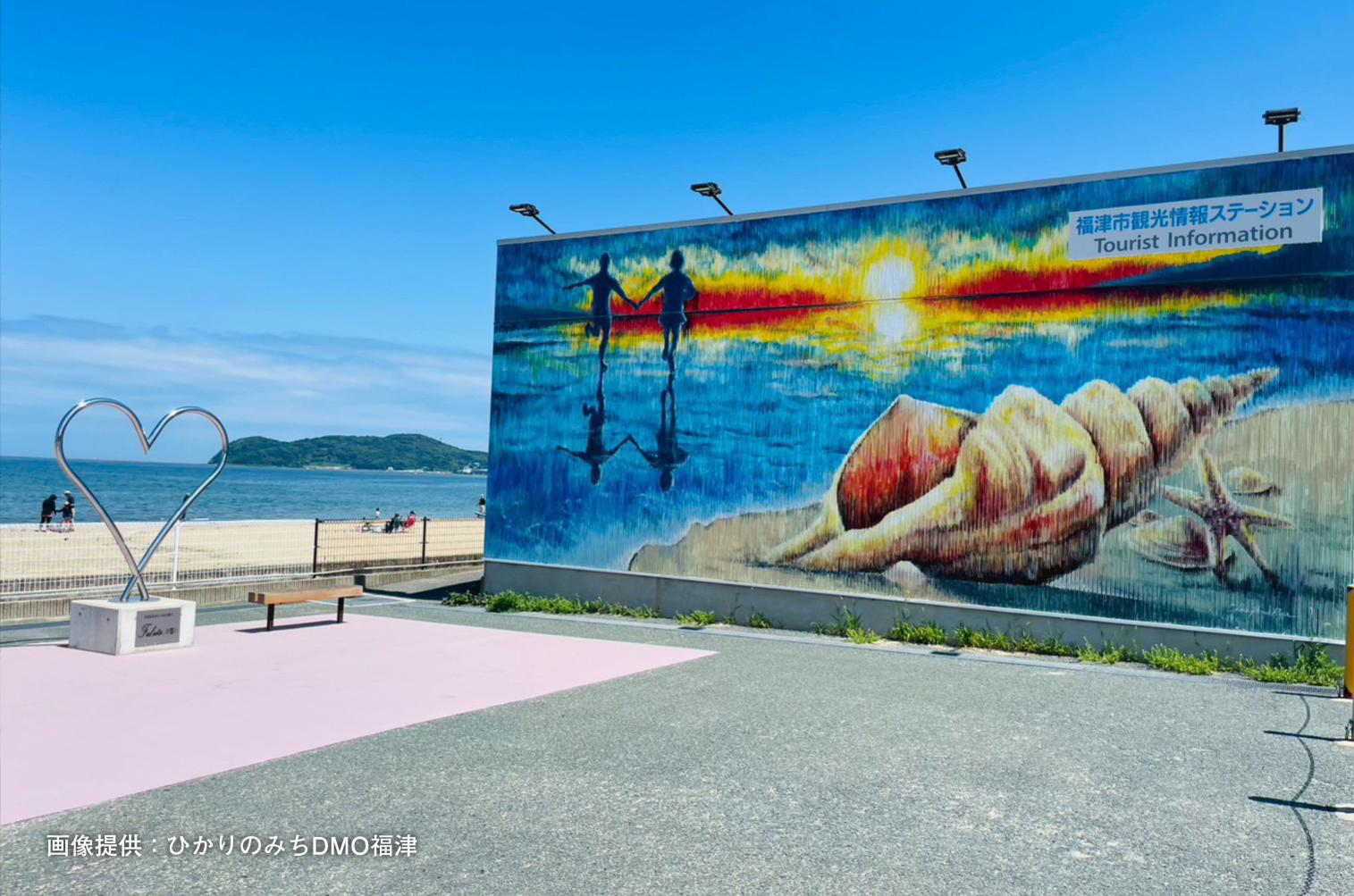
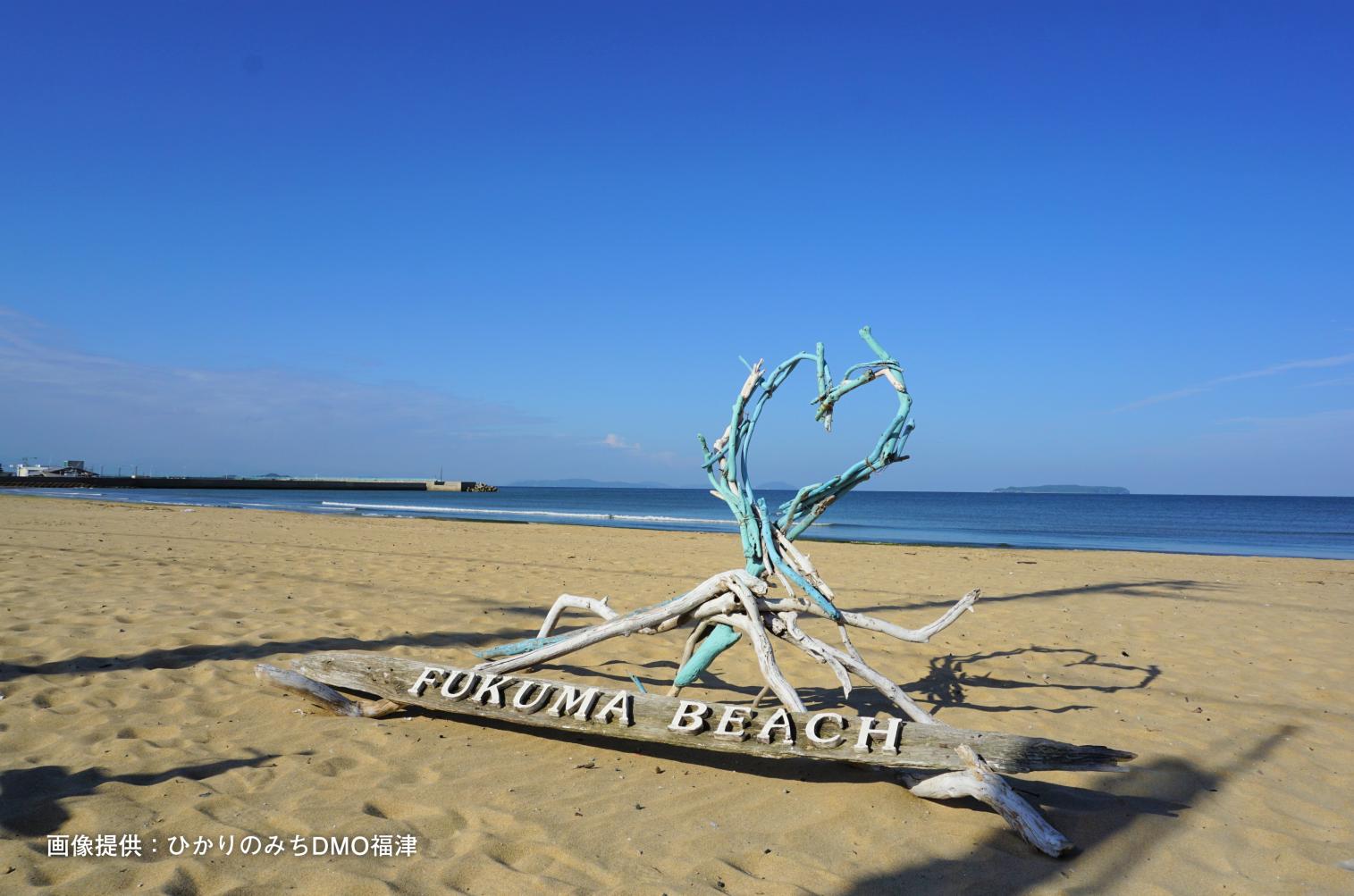
The Fukutsu City Tourist Information Station “Beach House,” built on the coast, is decorated with dynamic wall art painted onto walls and containers. Created by Fukuoka-born artist, Colorhythm Risa, this vibrant artwork is inspired by the mystical scenic beauty of “Kagami no Umi” (Sea of Mirrors), and blends in beautifully with the blue sea and skies stretching before one's eyes.
In the evening, the heart-shaped sculpture overlapping with the setting sun is a truly magical moment. Visitors can fully immerse themselves in the collaboration between rich nature and modern art.
Column
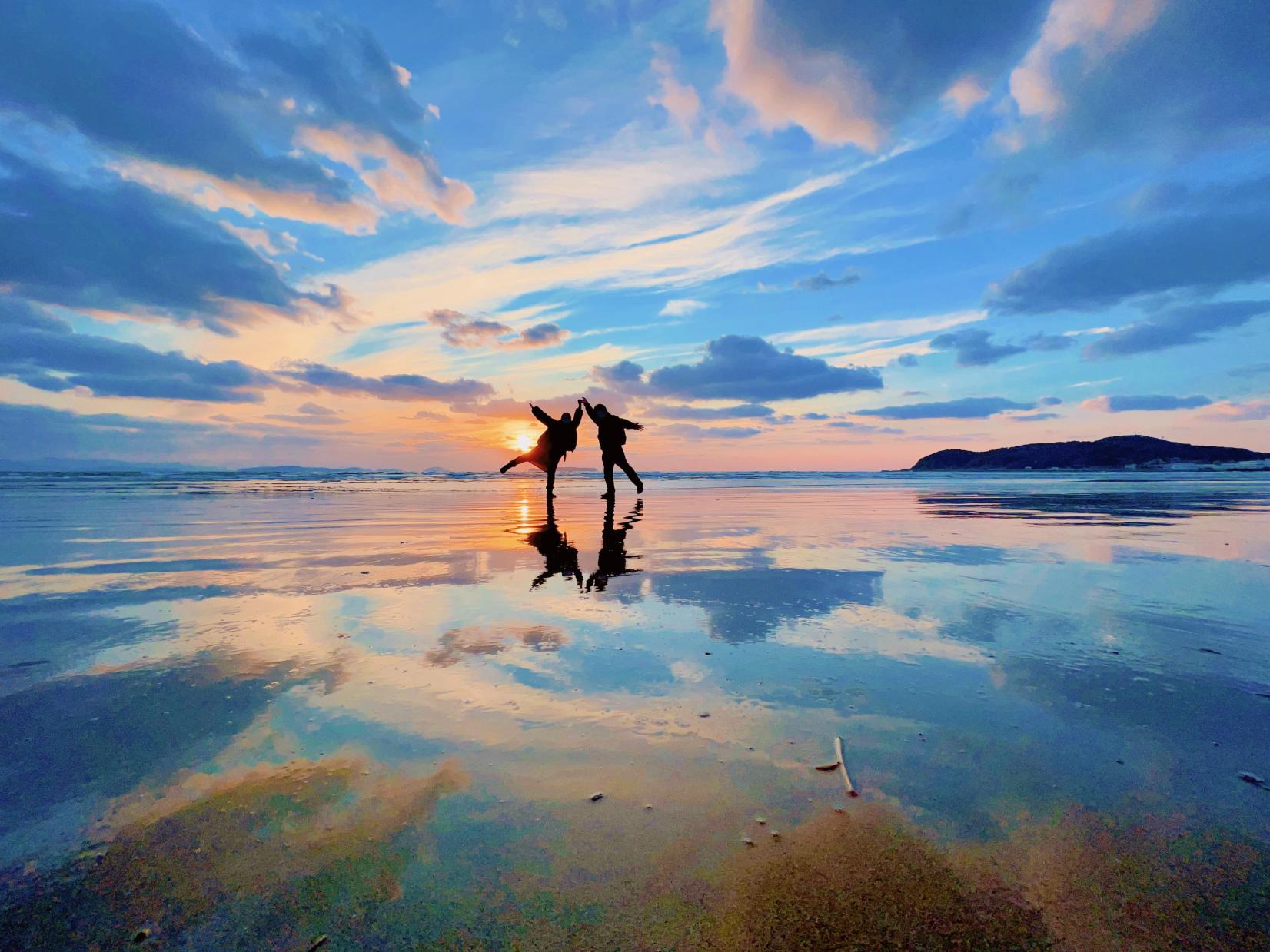
Kagami no Umi
Fukuma Beach, Miyajihama, and Tsuyazaki Beach form a 3-kilometer stretch of beaches known as "Kagami no Umi" (Sea of Mirrors) that offers spectacular views. At low tide, the sandy shores reflect the sky like a mirror, creating a stunningly beautiful landscape that resembles a painting. They mirror the clear blue sky during the day, giving a refreshing impression. Come evening, the setting sun is reflected, creating a dramatic scene! With views that transform with the season, weather, and time of day, this spot offers a fresh sense of wonder every time you visit.
View moreMuseum Without A Roof
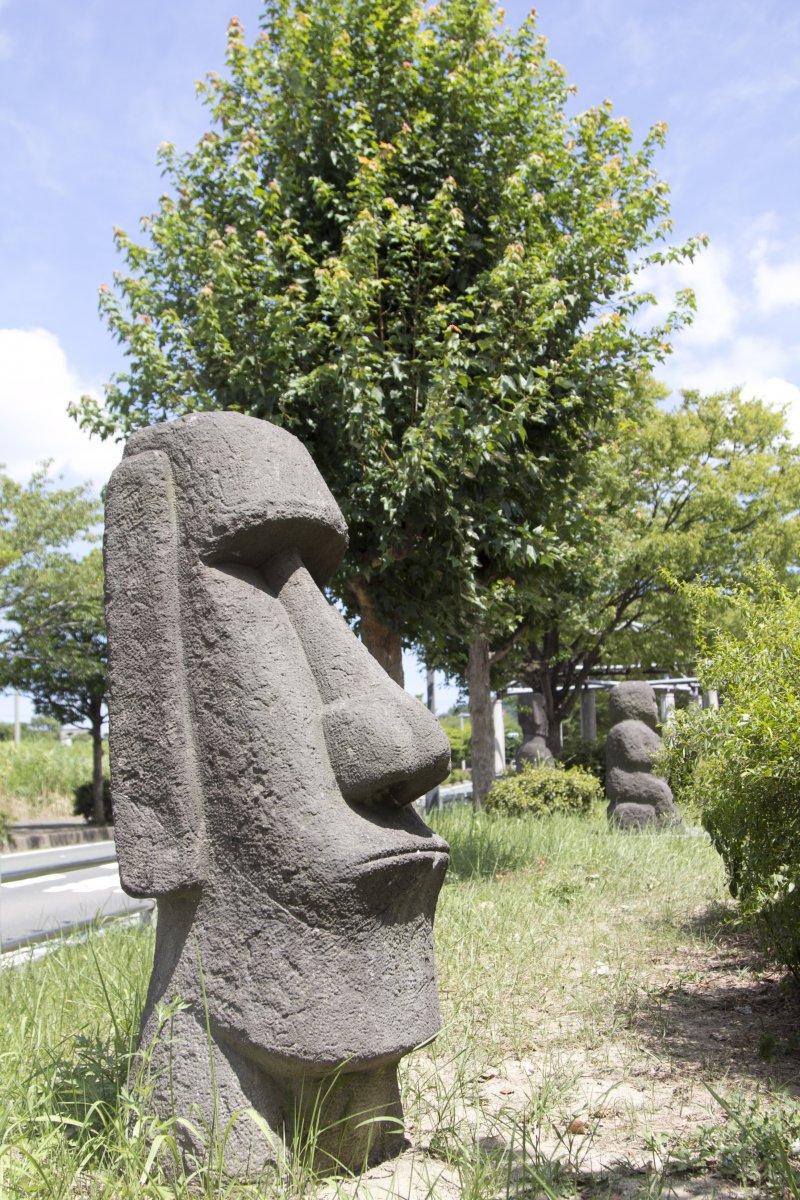
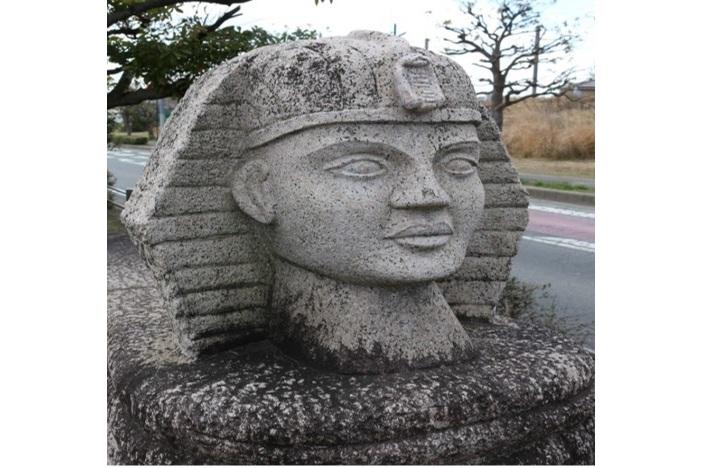
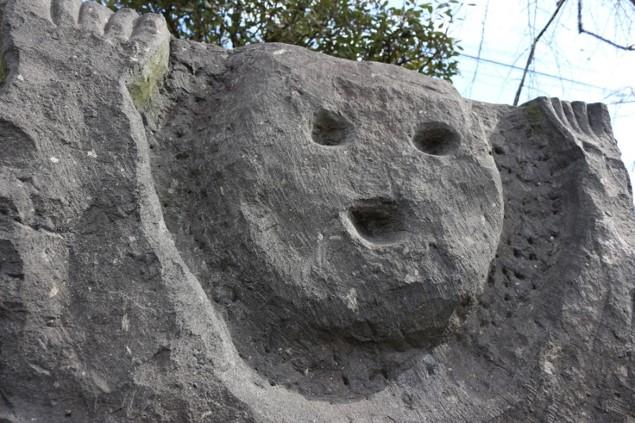
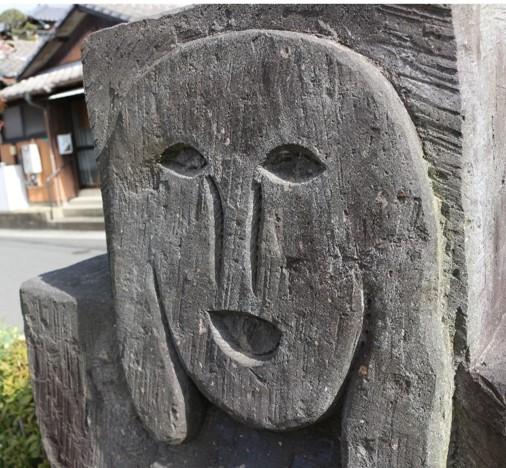
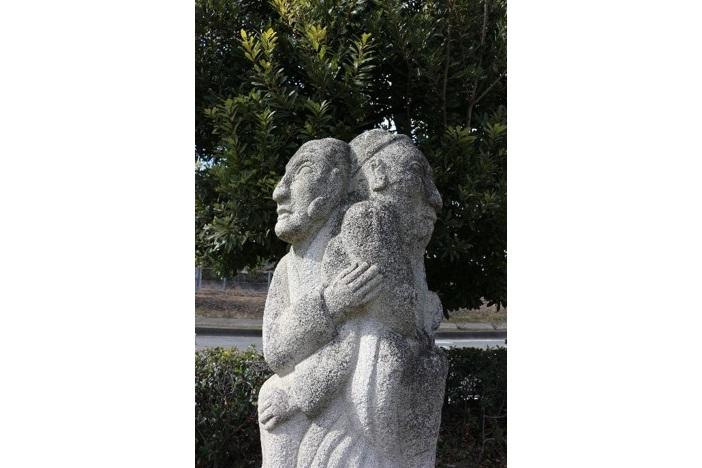
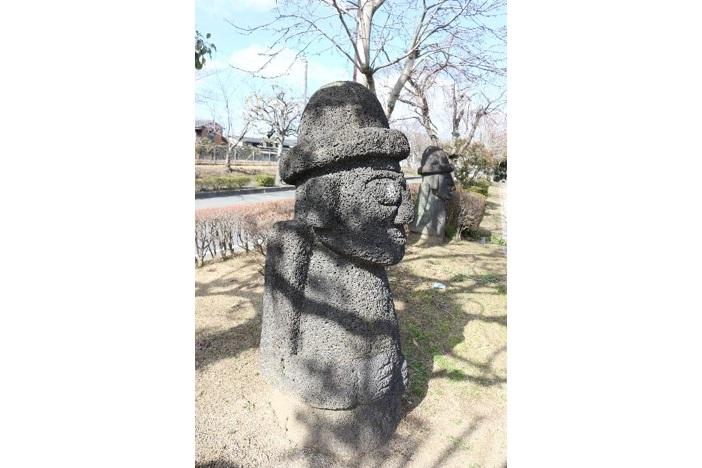
Near JR Nakama Station is a "blue sky museum" built on the track site of the former Japan National Railway Katsuki Line. About 30 replicas of famous stone statues from around the world, including Moai statues from Easter Island and the Sphinx of Egypt, line the greenway that extends for about 400 m. Strolling leisurely through the grounds, divided into four zones, may make you feel as if you are traveling the world!
[A breathtaking natural art gallery]
Impressive sculptural forms have been created by nature over countless years. Here, we introduce some dynamic natural artworks that human hands could never create.
Keya Oto
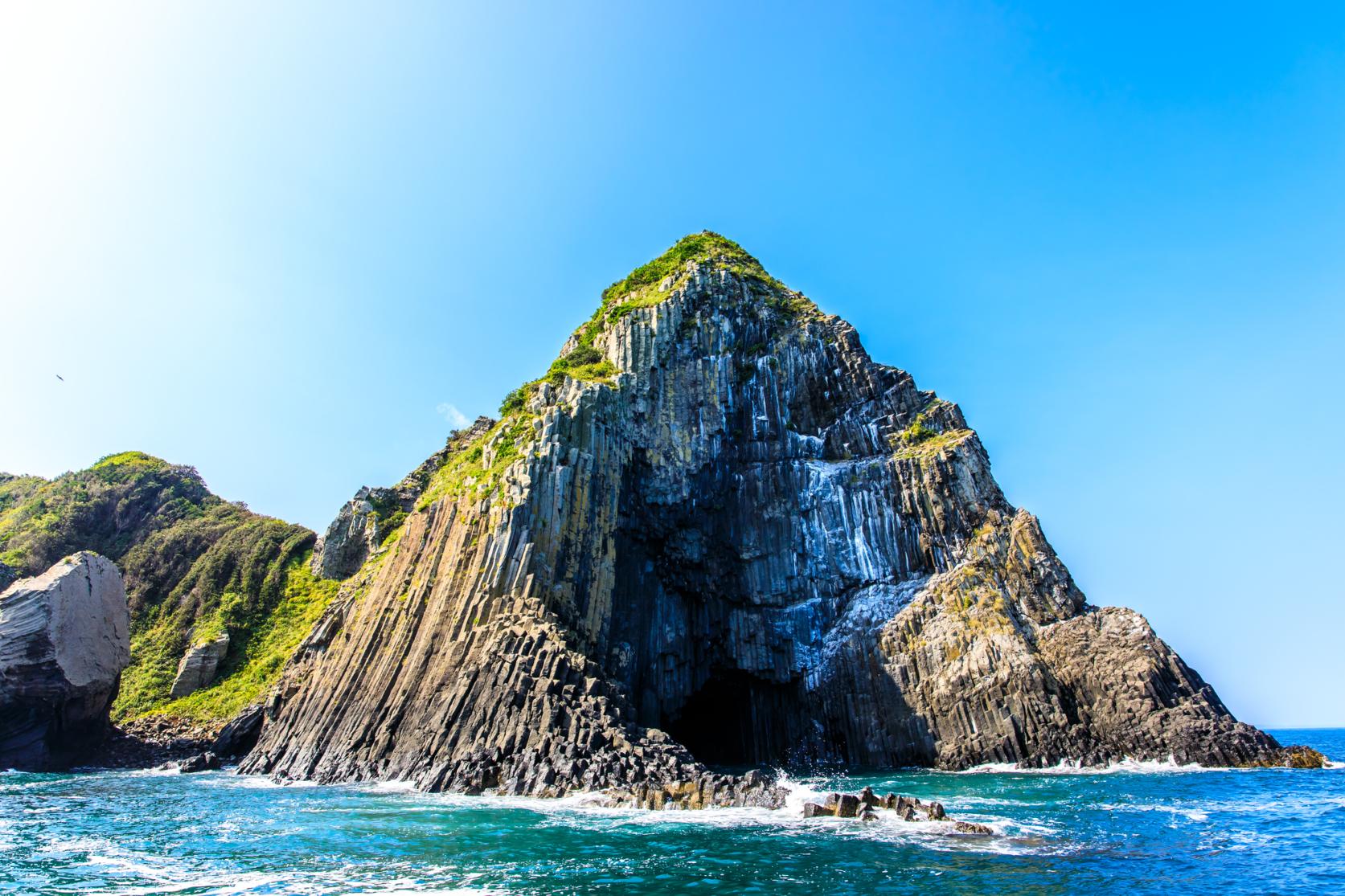
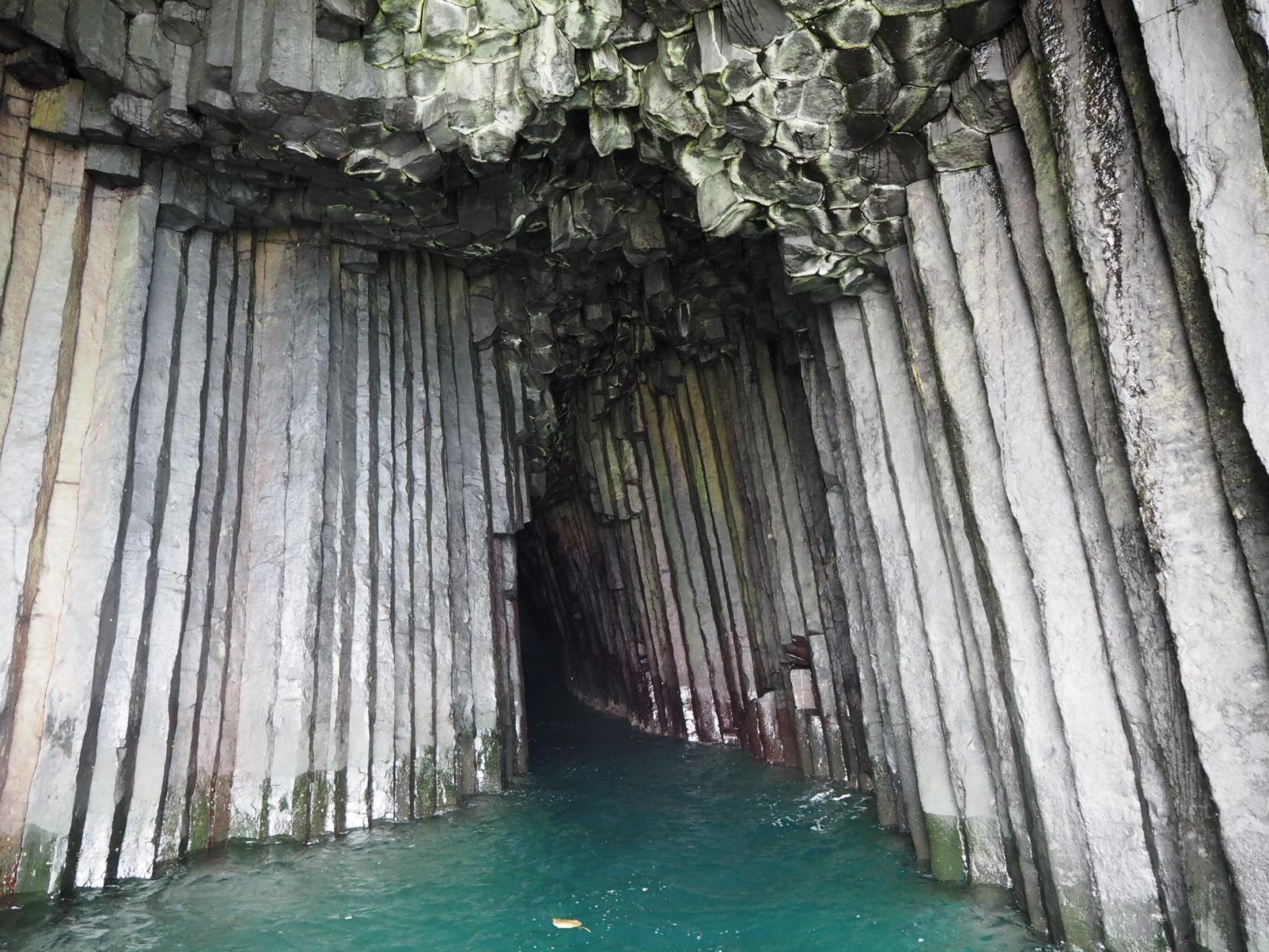
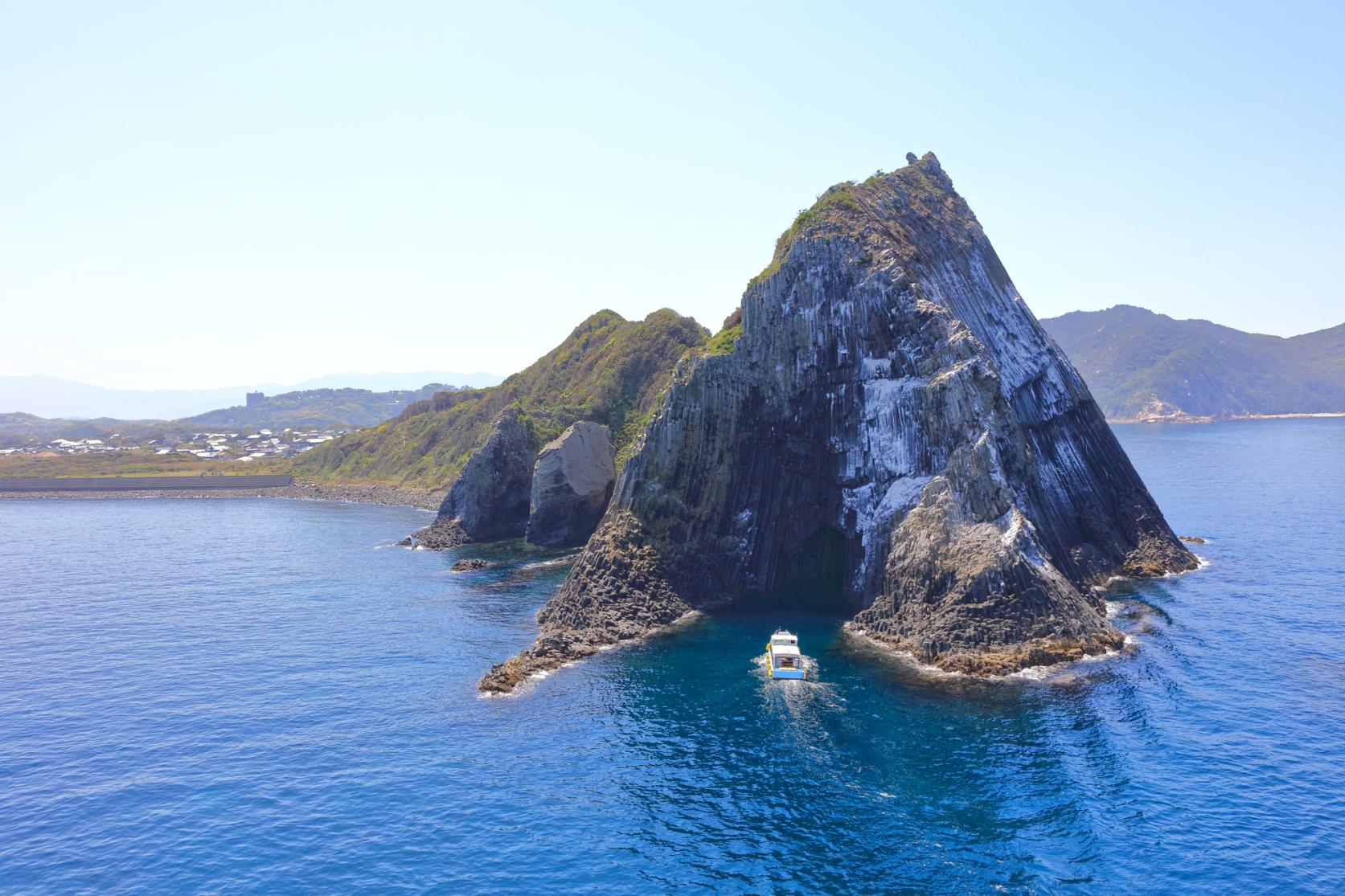
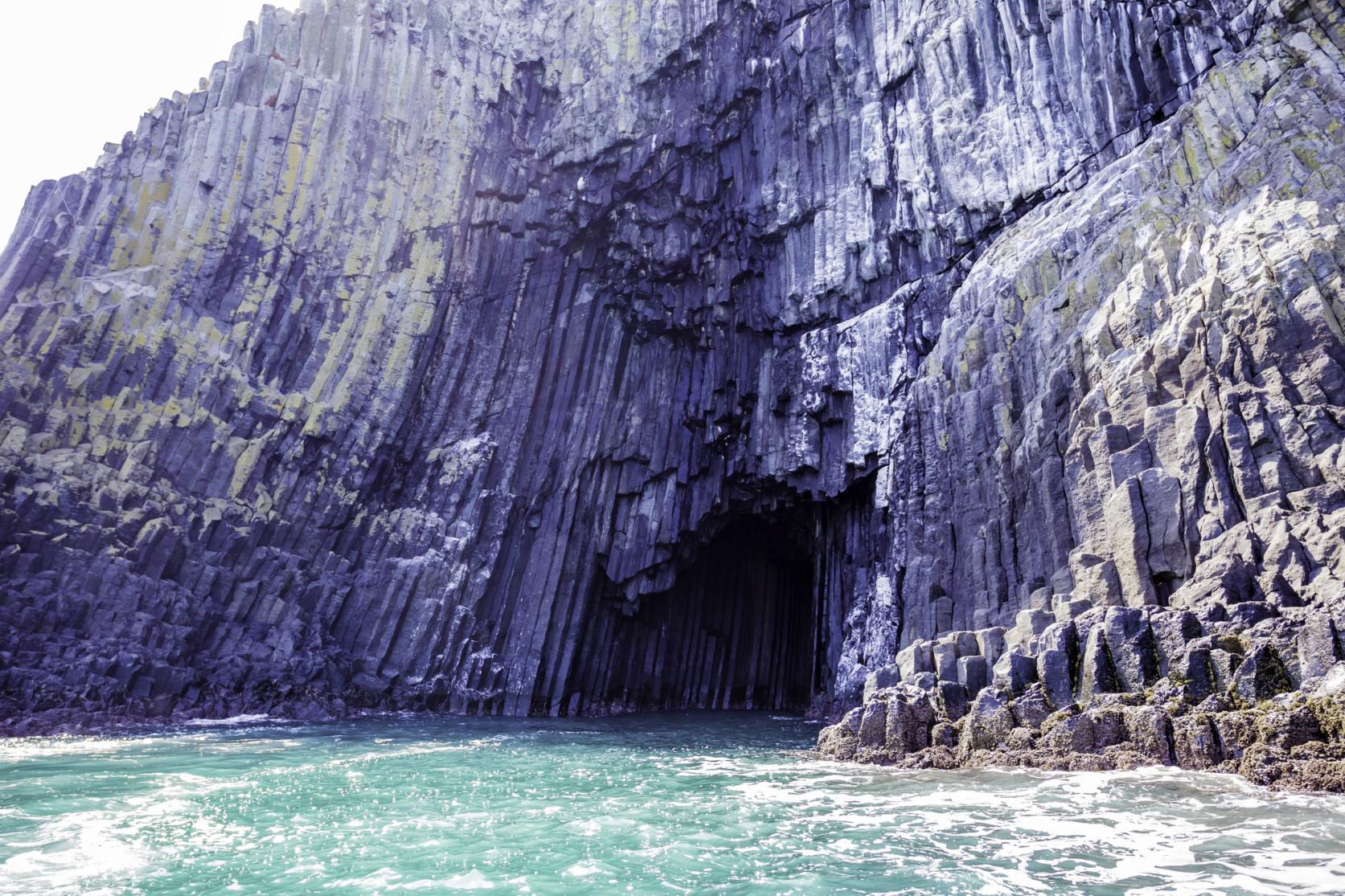
Japan's largest basalt cave rises majestically from the Genkai Nada Sea off the northwest coast of the Itoshima Peninsula. The cave features neatly aligned hexagonal and octagonal stone pillars known as “columnar joints," forming a magnificent work of art created by nature through sea erosion. On clear days, the contrast between the blue sky and sea and the rugged rock face is striking.
From mid-March to November, we recommend taking a sightseeing boat to view this mysterious wonder up close while experiencing the pleasant sea breezes!
Senbutsu Limestone Cave
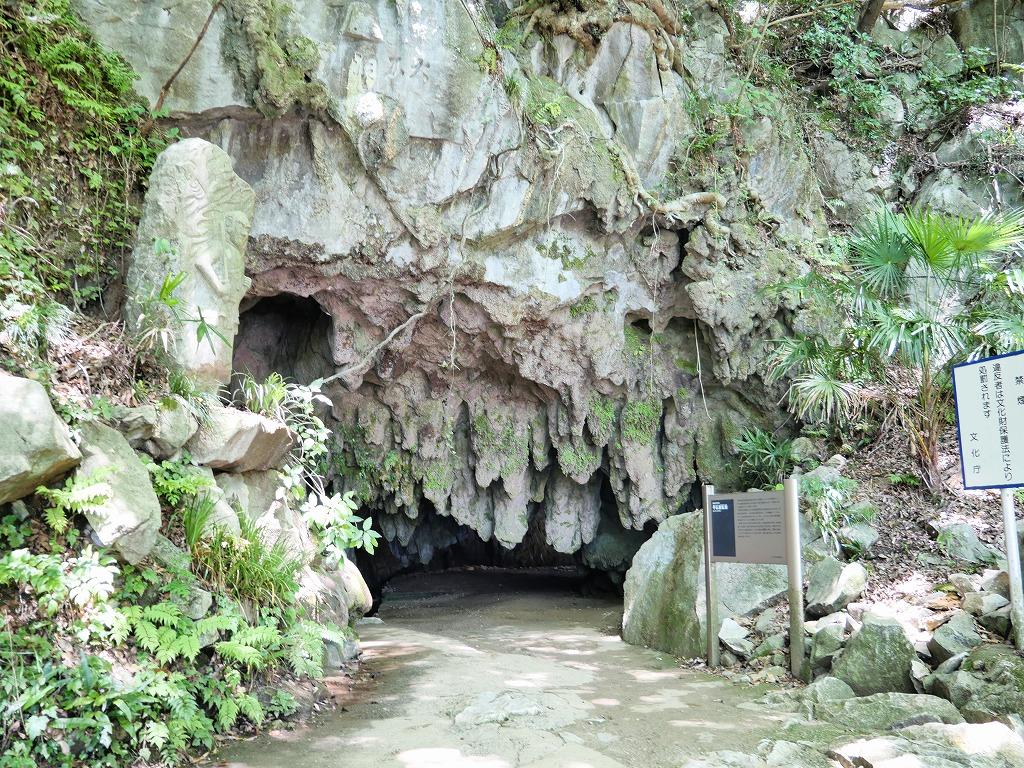
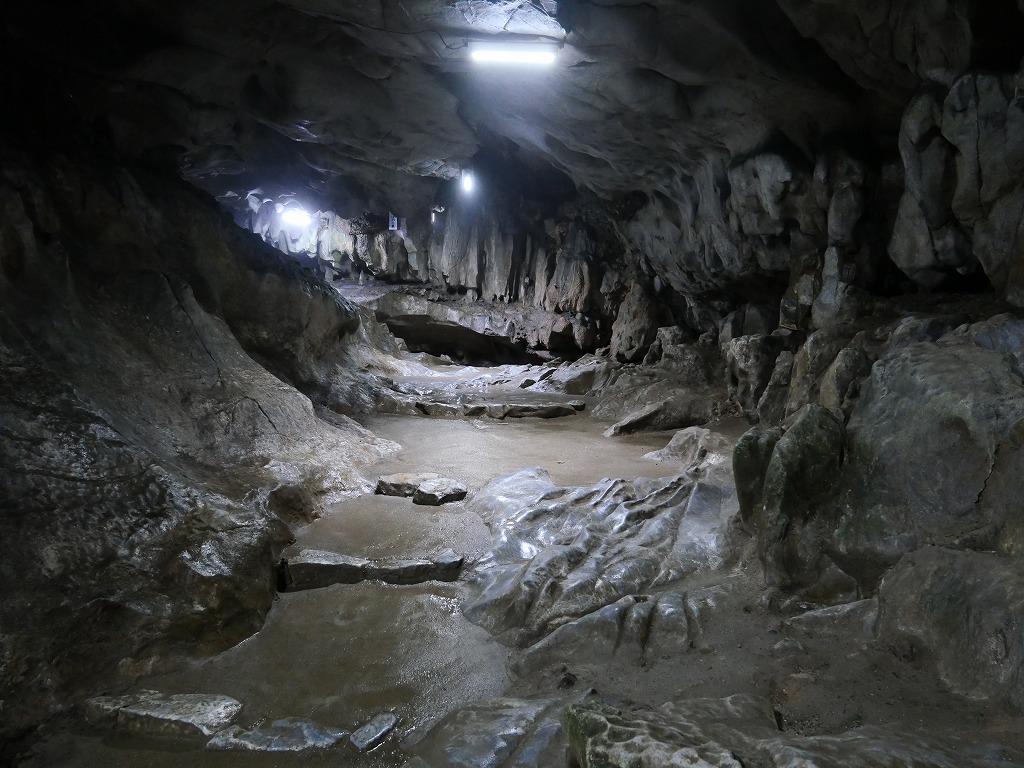
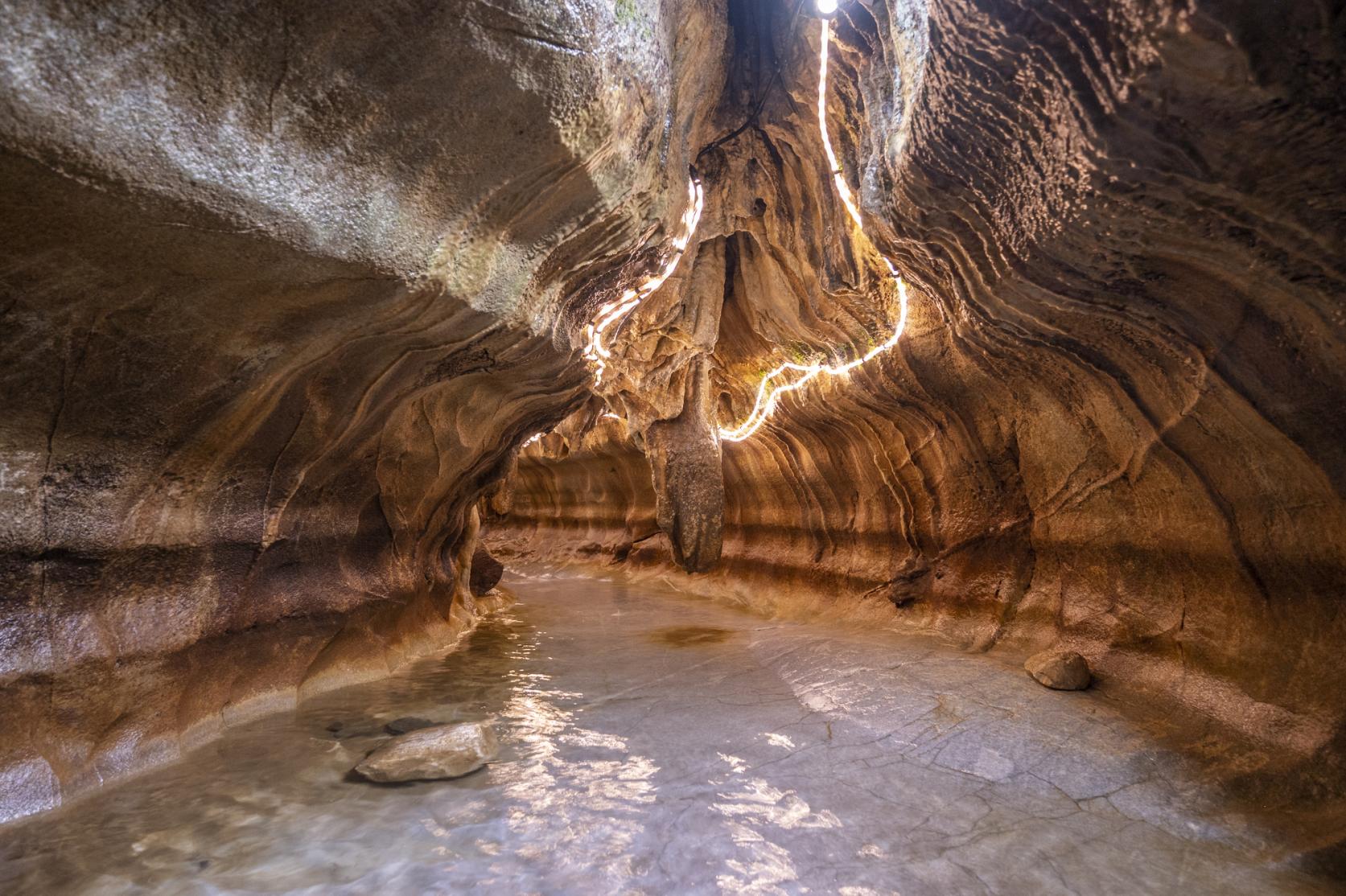
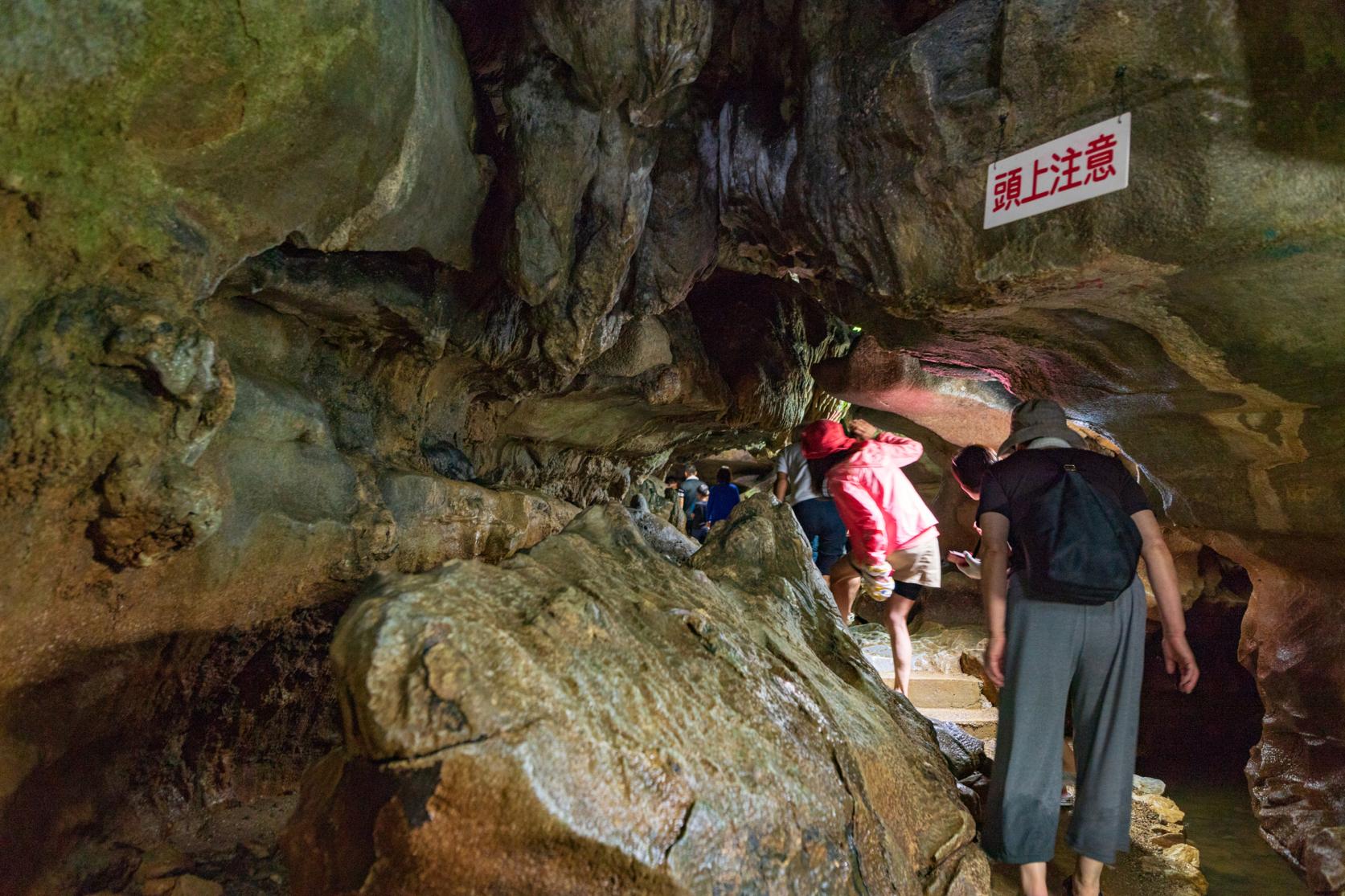
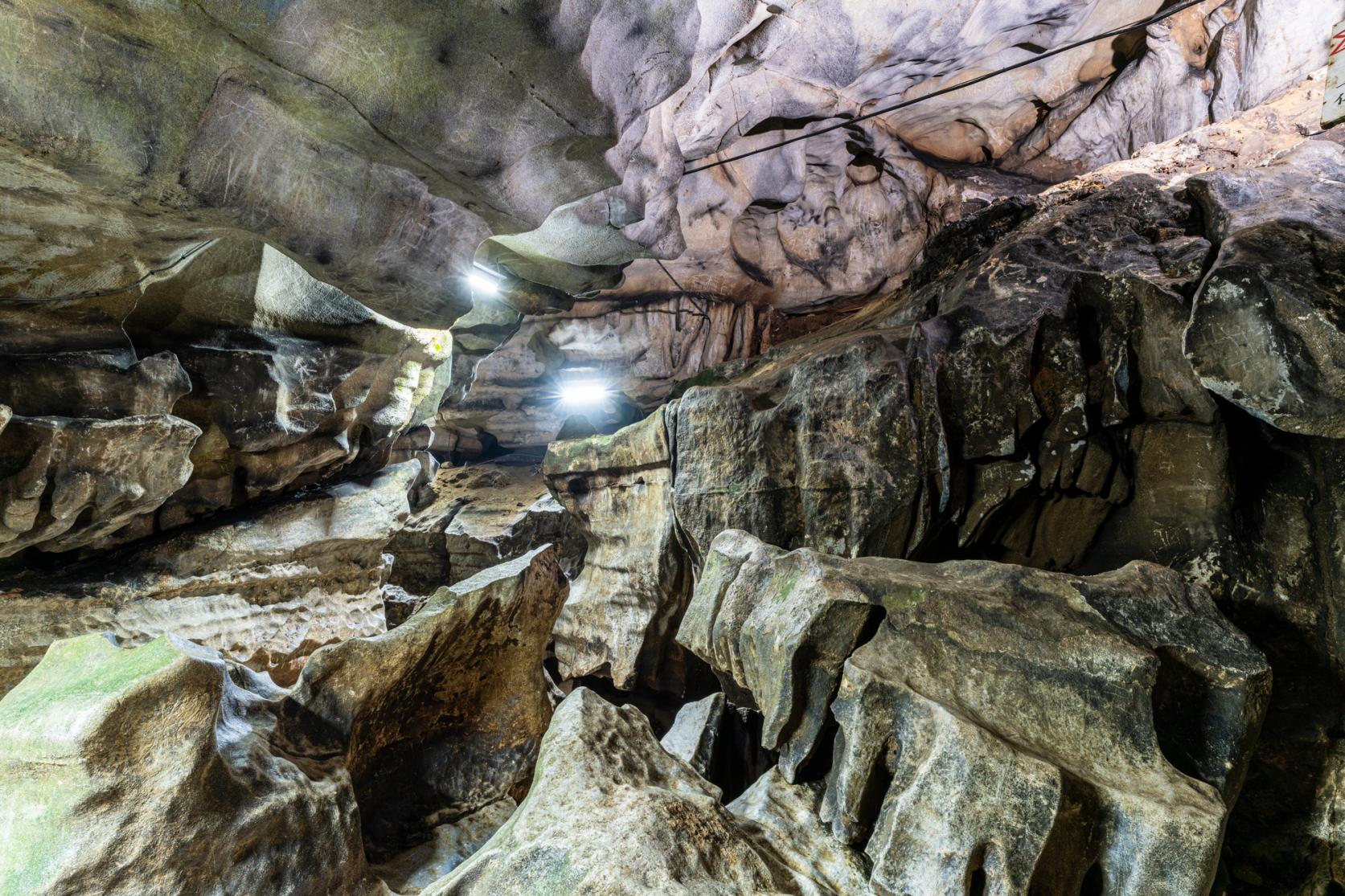
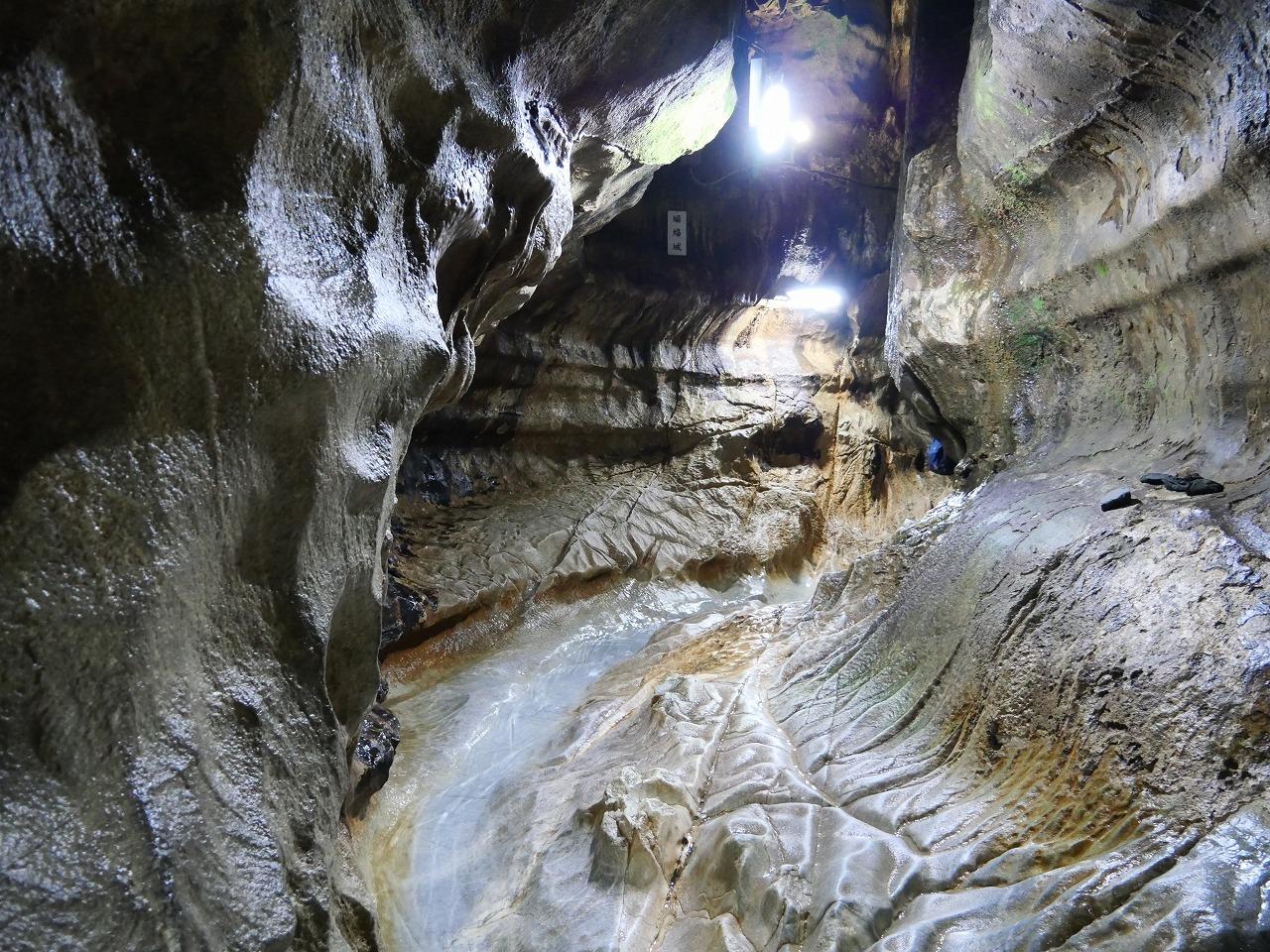
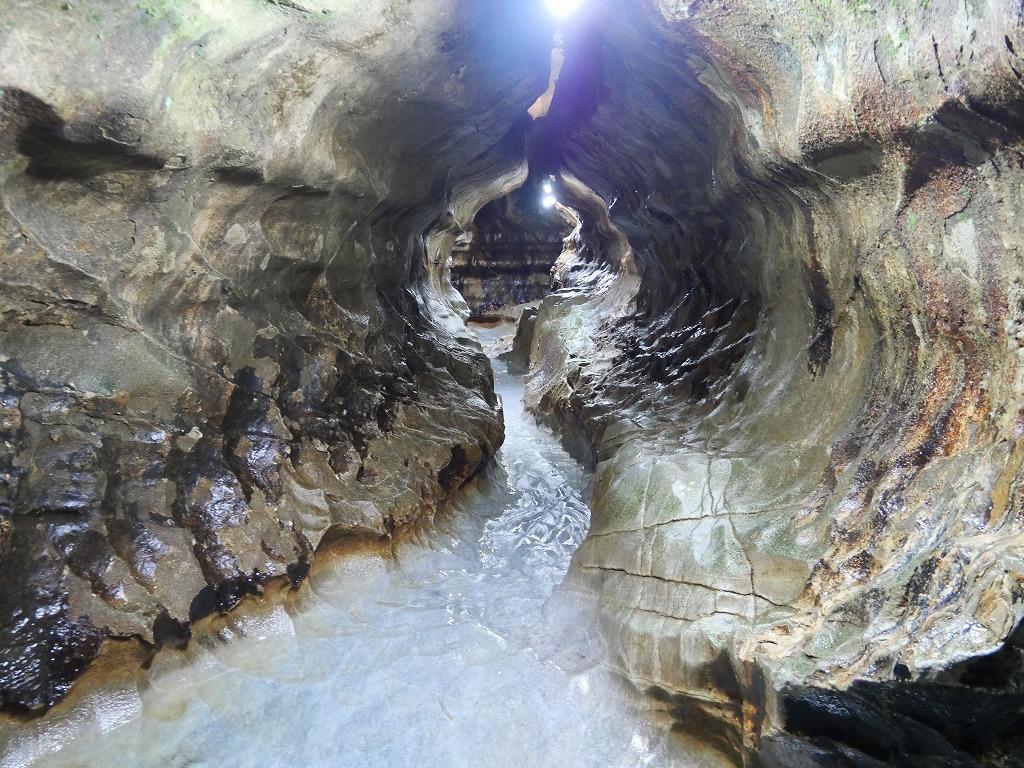
Located on Hiraodai Limestone Plateau, Japan's representative karst plateau, this is one of the largest limestone caves in the country. At the entrance, about 30 stalactites of various sizes hang down, and stepping inside reveals a scene that resembles another world.
Visitors can explore up to a point approximately 900 m into the cave, where lighting is provided. Part of the way involves walking through groundwater. Enjoy thrilling cave exploration while experiencing the natural beauty of these formations up close.
Doyama
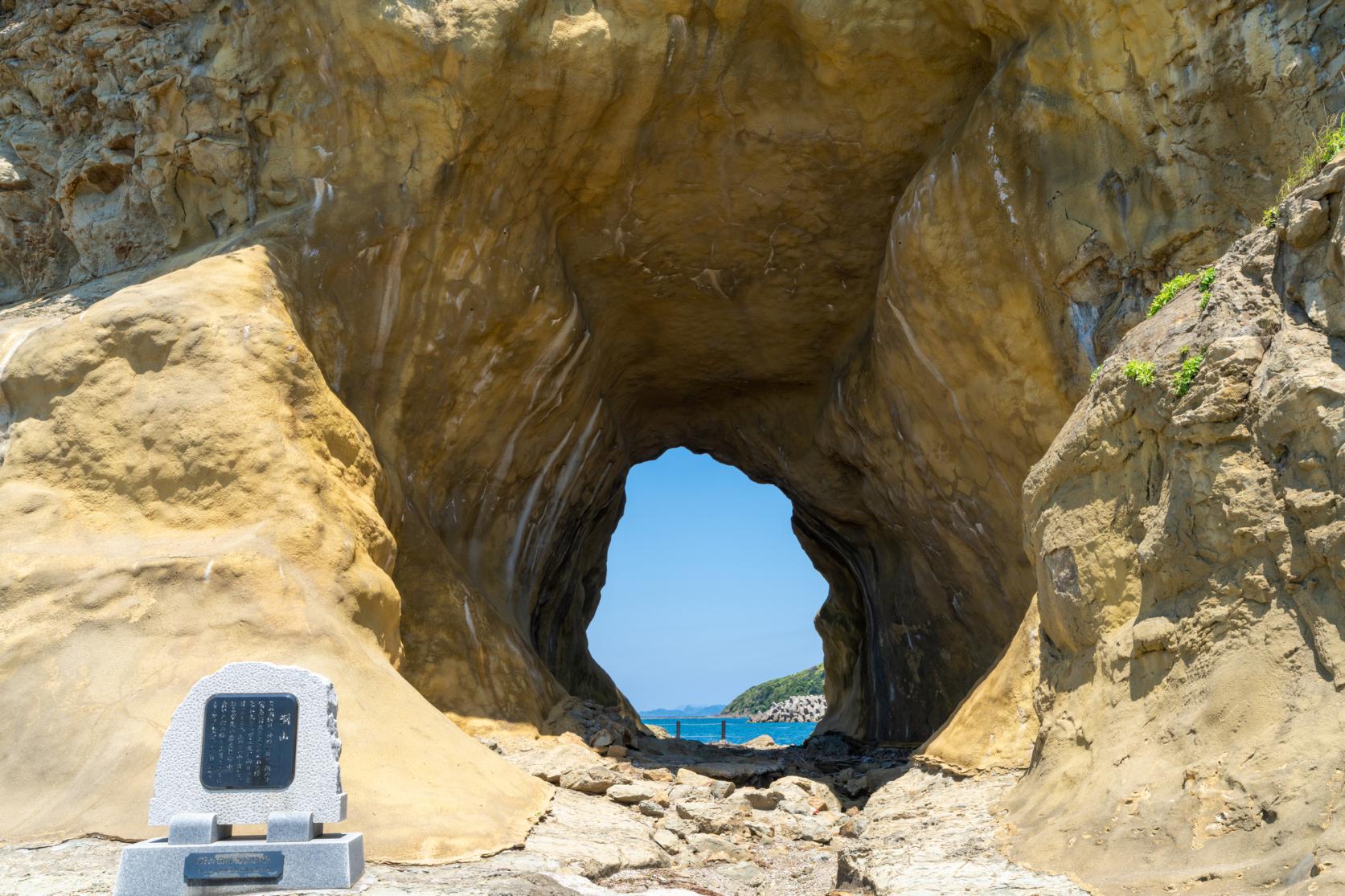
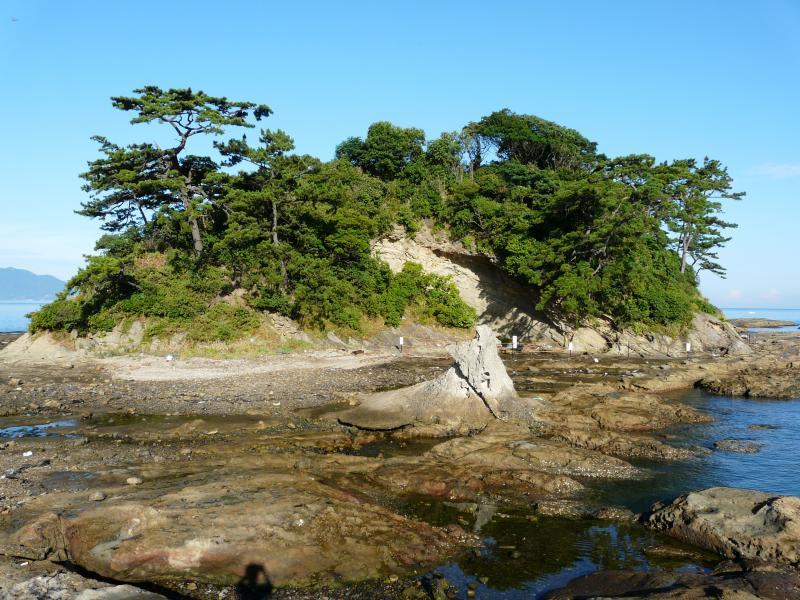
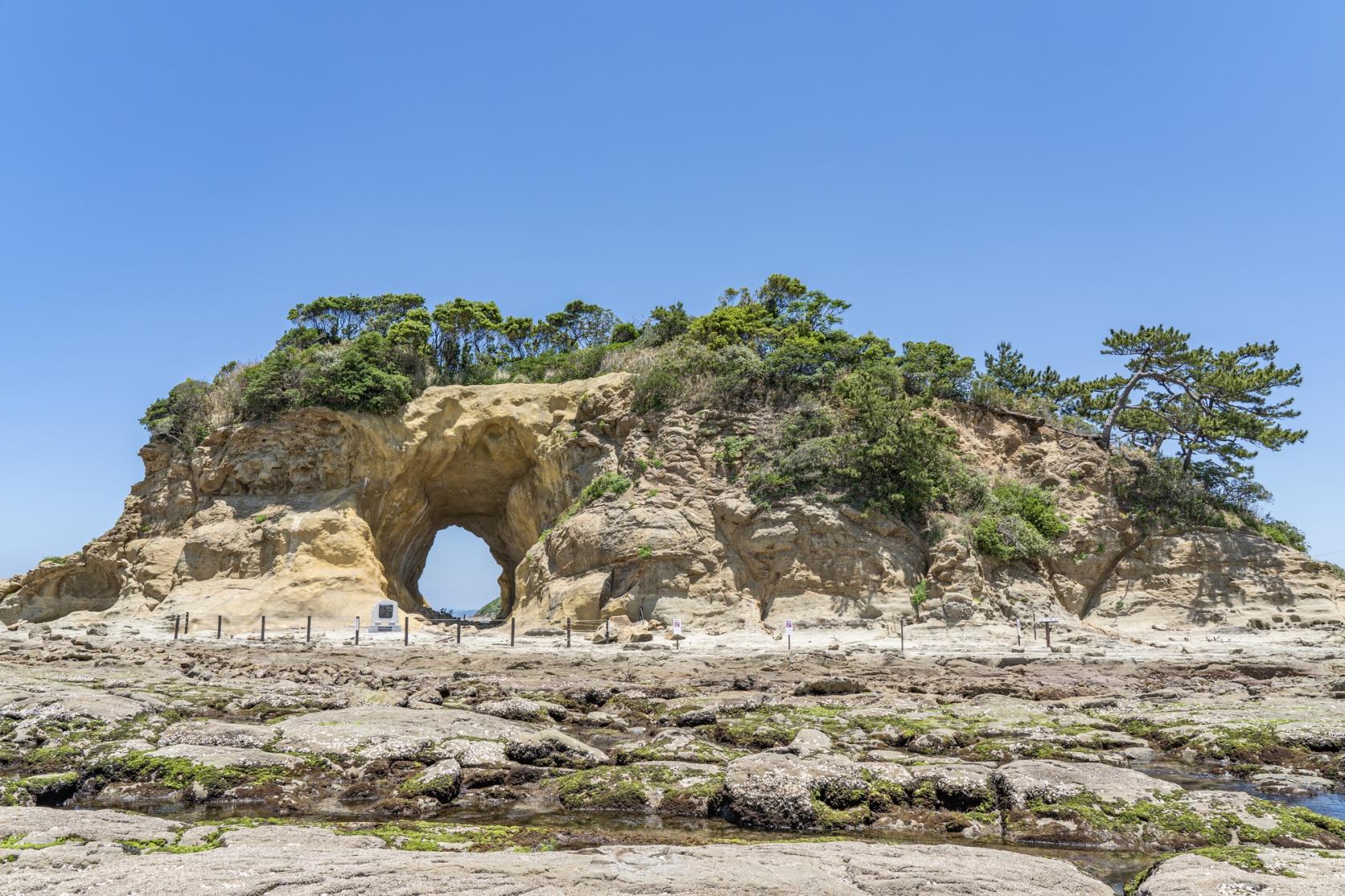
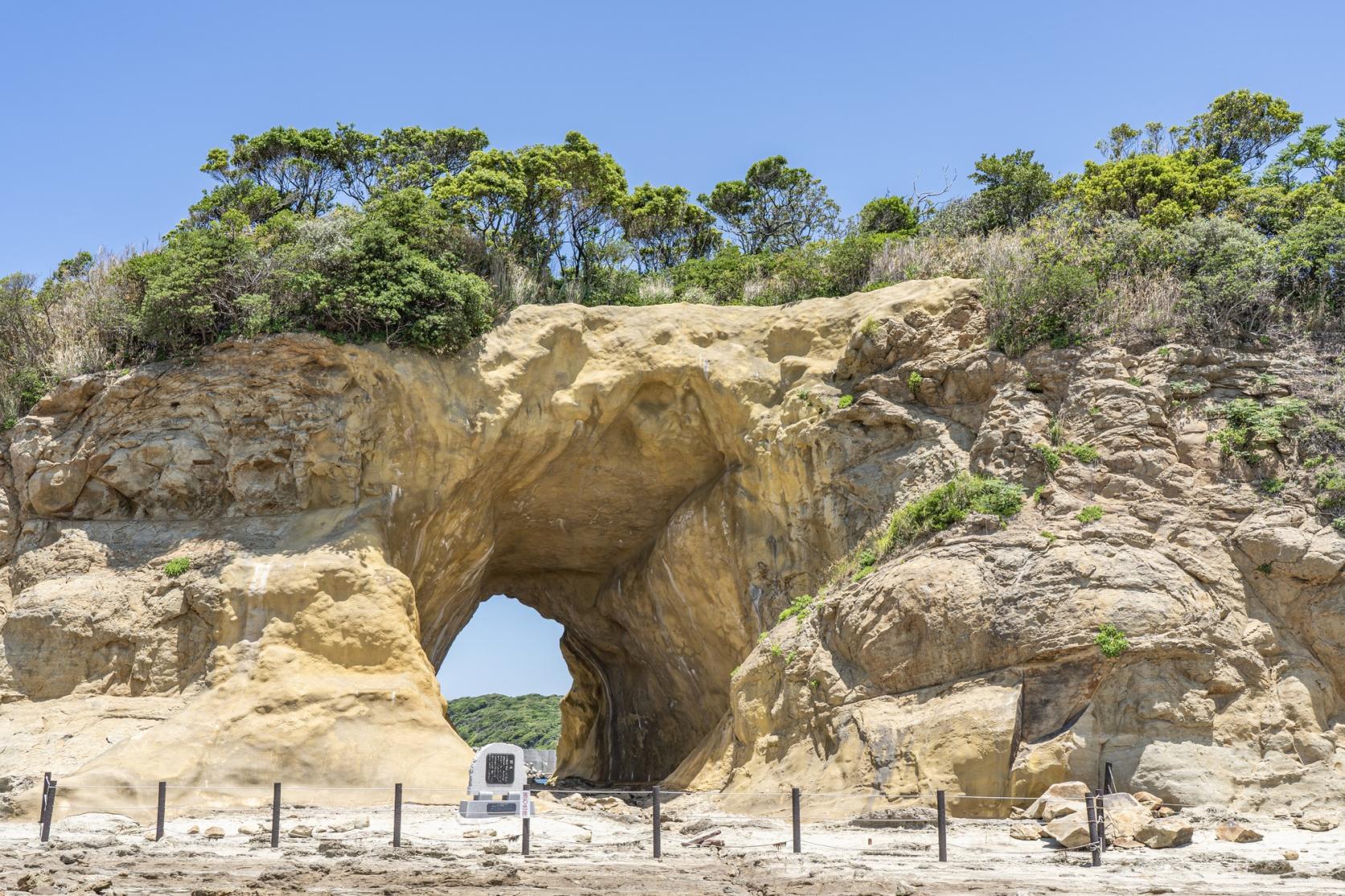
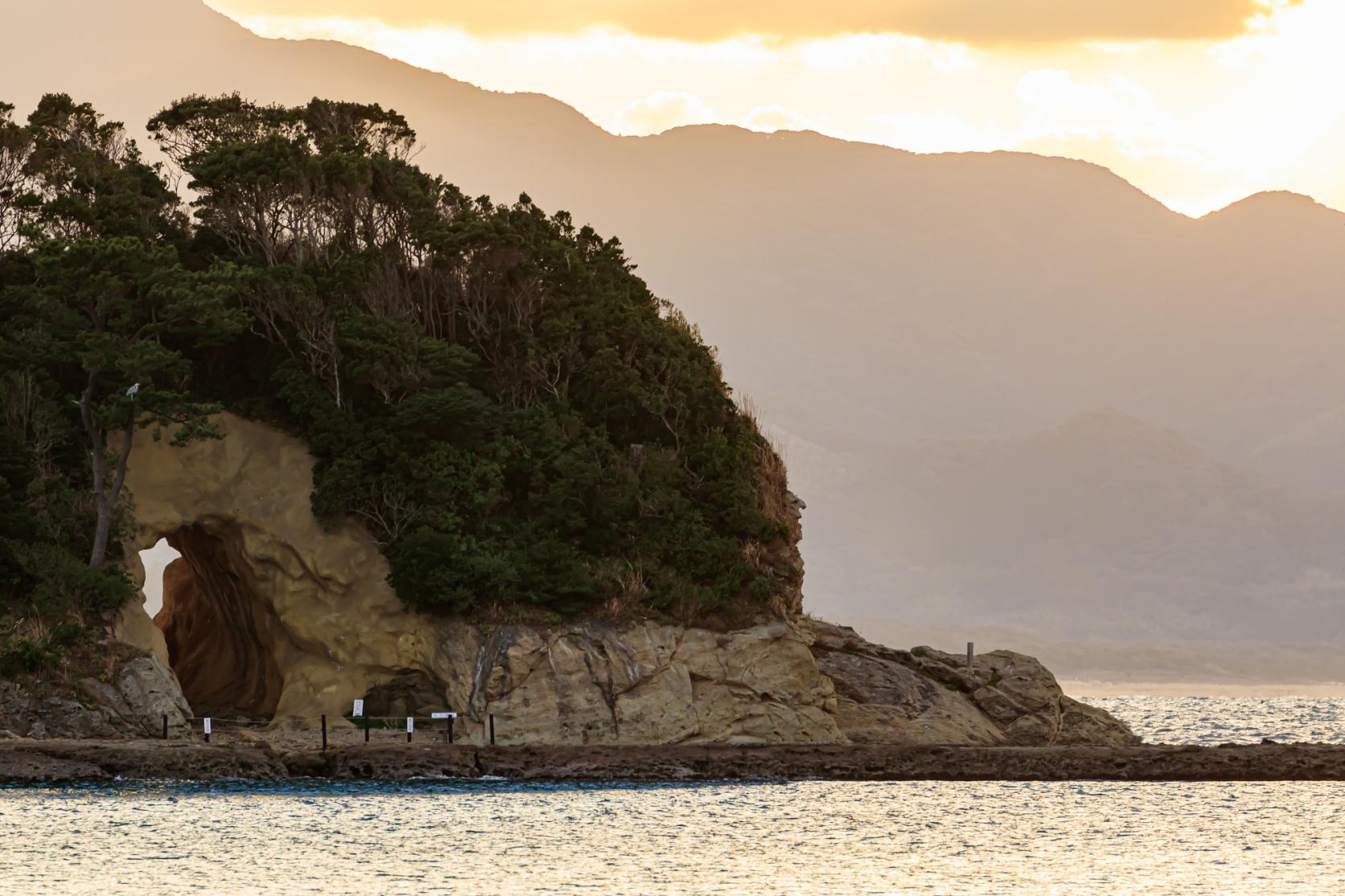
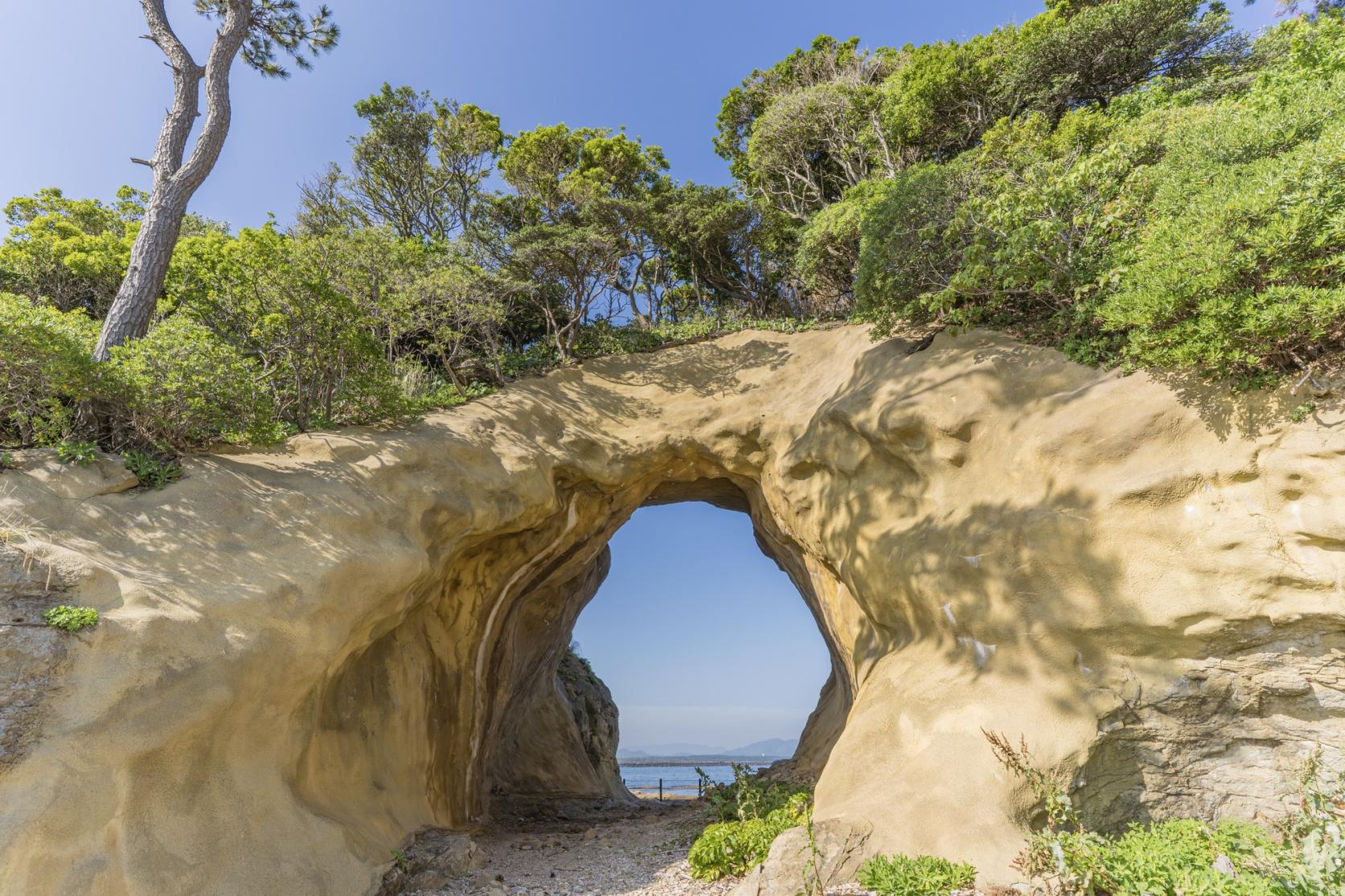
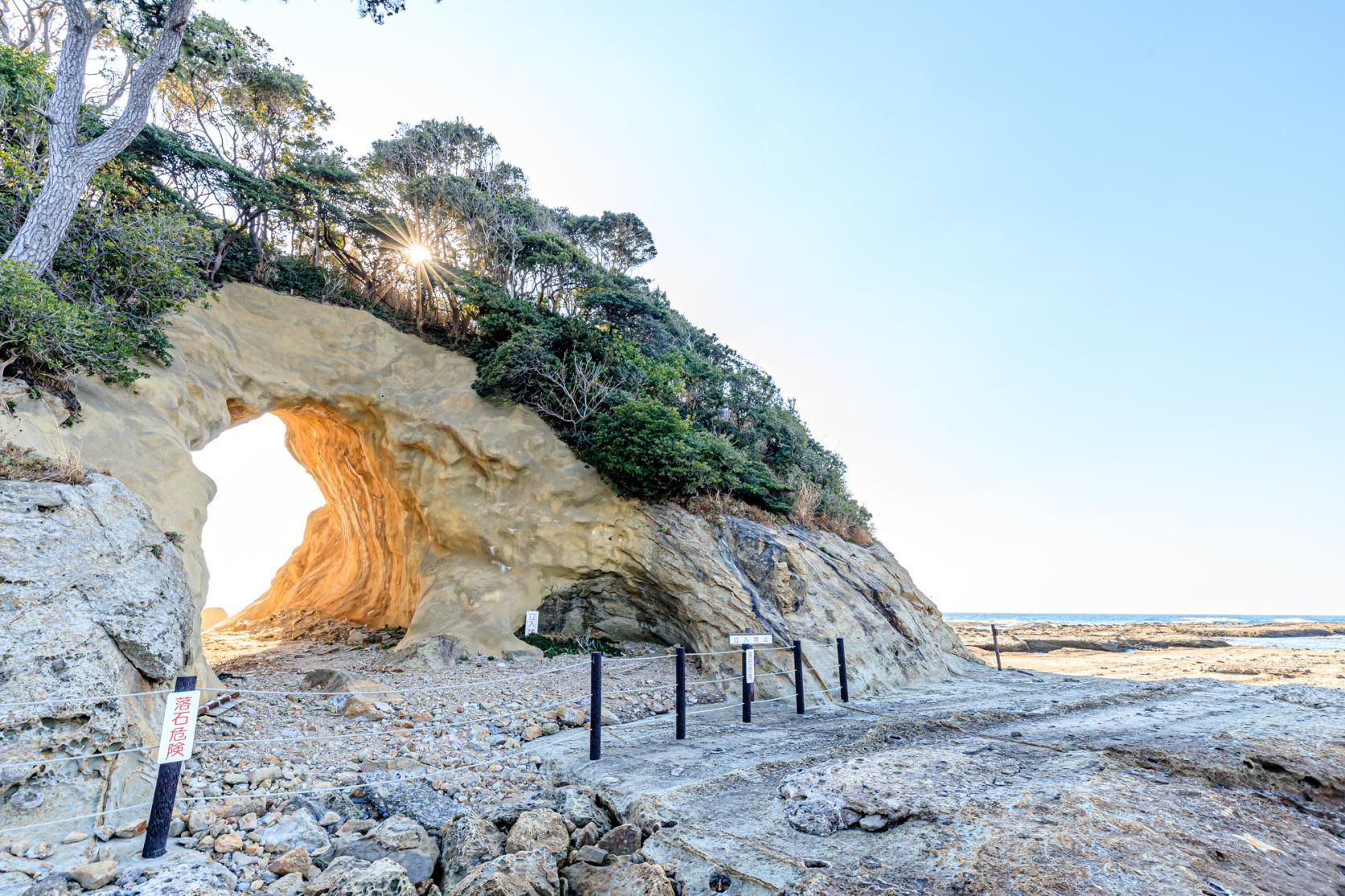
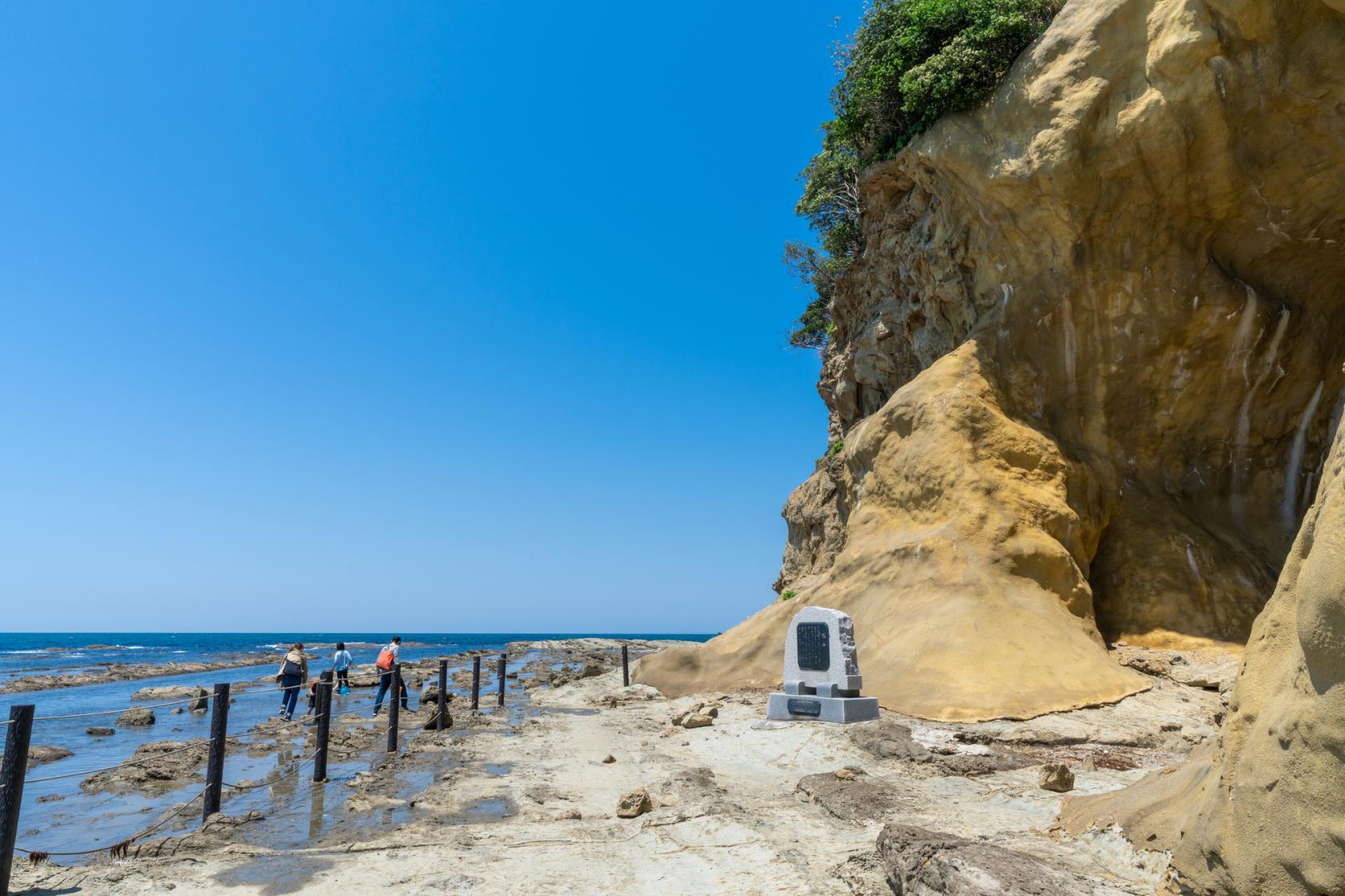
These two islands are connected by a land bridge and collectively known as "Doyama." The main attraction is a massive cave measuring 10 m high, 12 m wide, and 30 m deep, formed by years of weathering. Legend has it that Empress Jingu had released an arrow here to pray for victory, and it had pierced straight through the island to create the cave. At low tide, you can walk across the flat rock area called “Senjojiki” to experience the awe-inspiring power of the cave up close.
Column
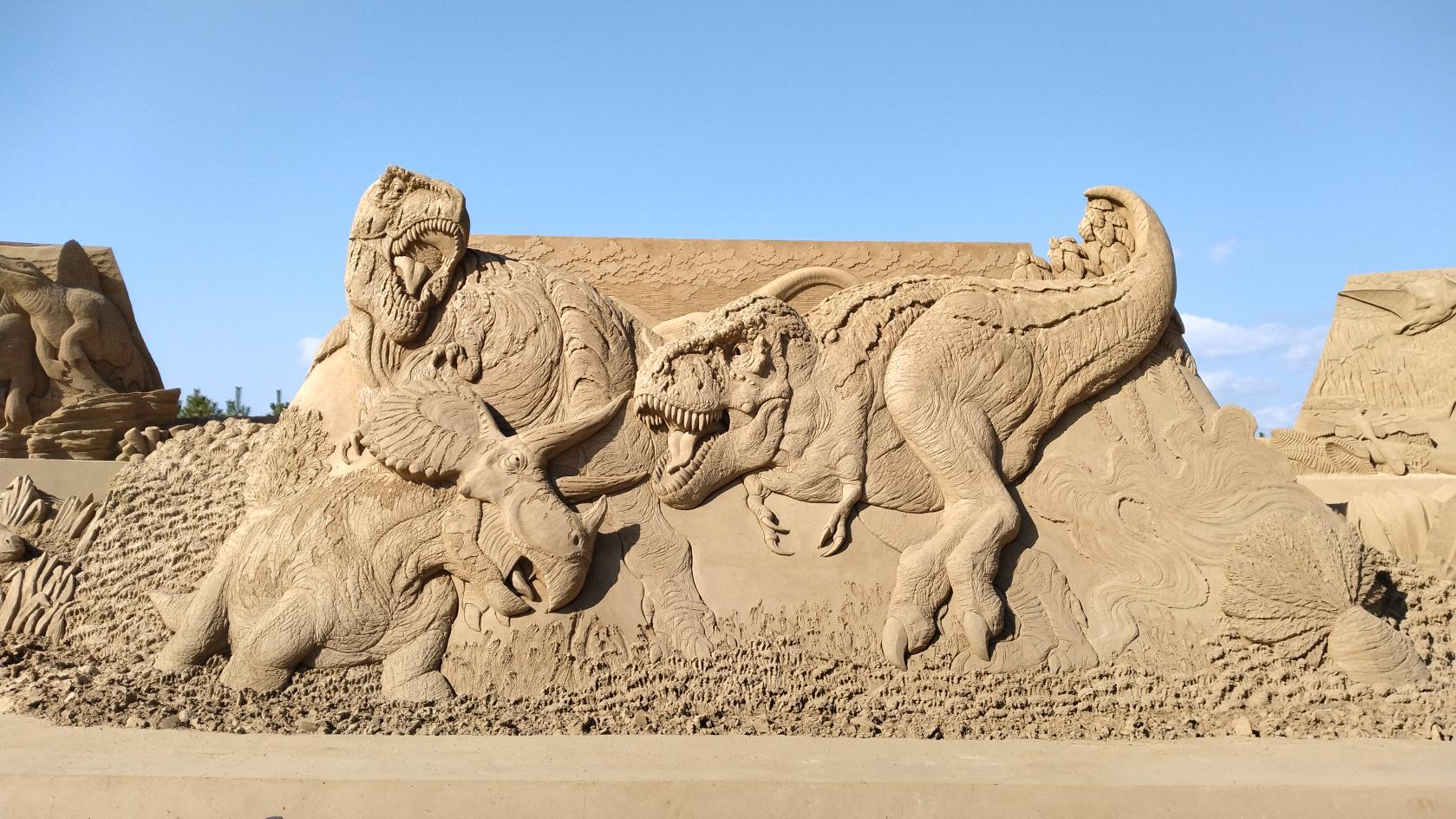
Ashiya Sand Sculpture Exhibition
Using the fine sand from Ashiya Beach, sculptors from Japan and abroad create sand sculptures using only sand and water. These works are astonishingly intricate and highly artistic, stunning and overwhelming all who see them. At night, illuminations and light shows transform the area into a fantastical world. Experience this ephemeral yet beautiful sand art.
View more[Artistic scenes you can encounter in the city]
Artworks that stimulate the senses are scattered throughout familiar street corners and parks. Why not visit these accessible art spots where you can admire art in informal settings while strolling along the streets?
Fukuoka Art Museum
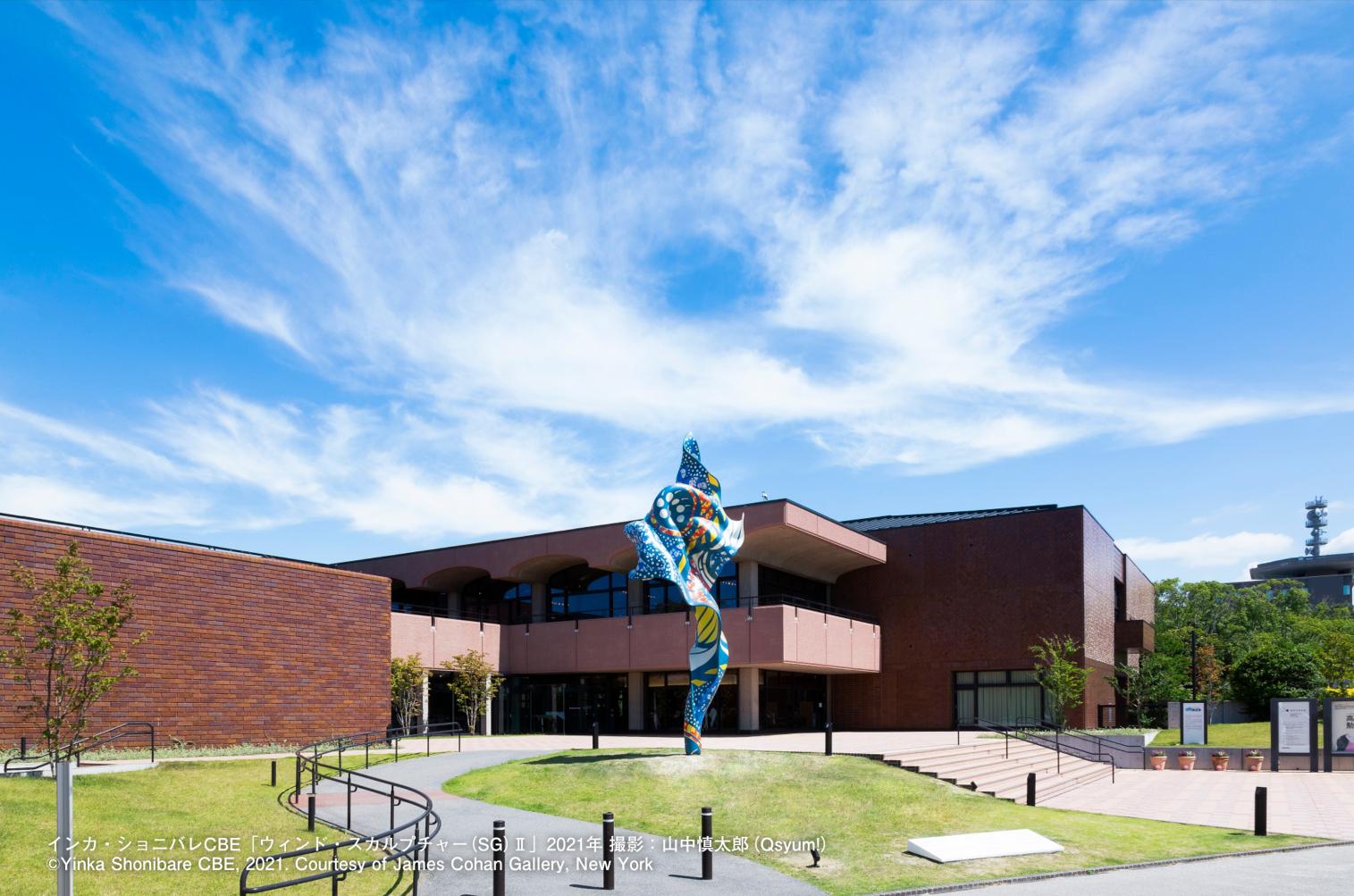
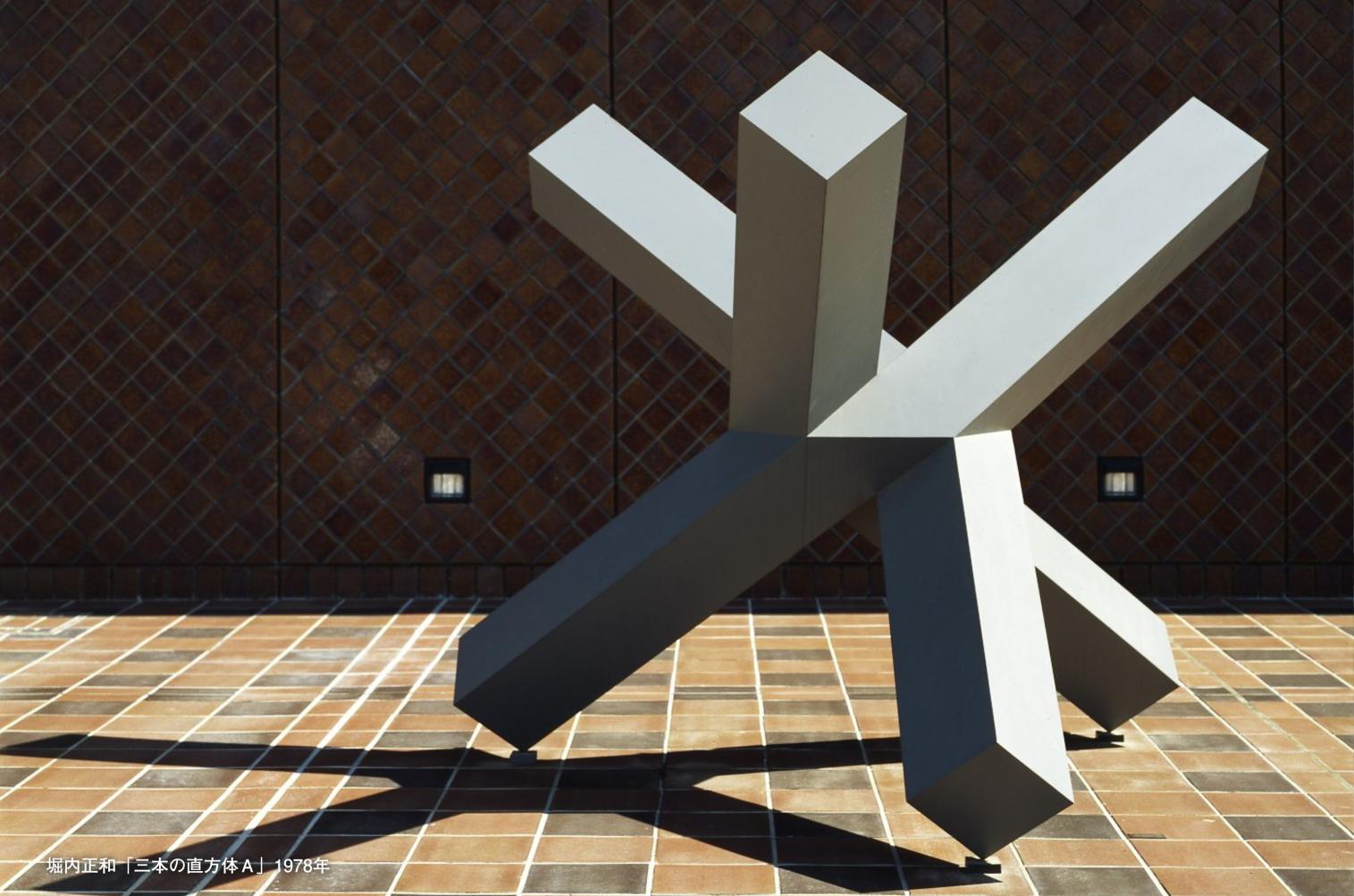
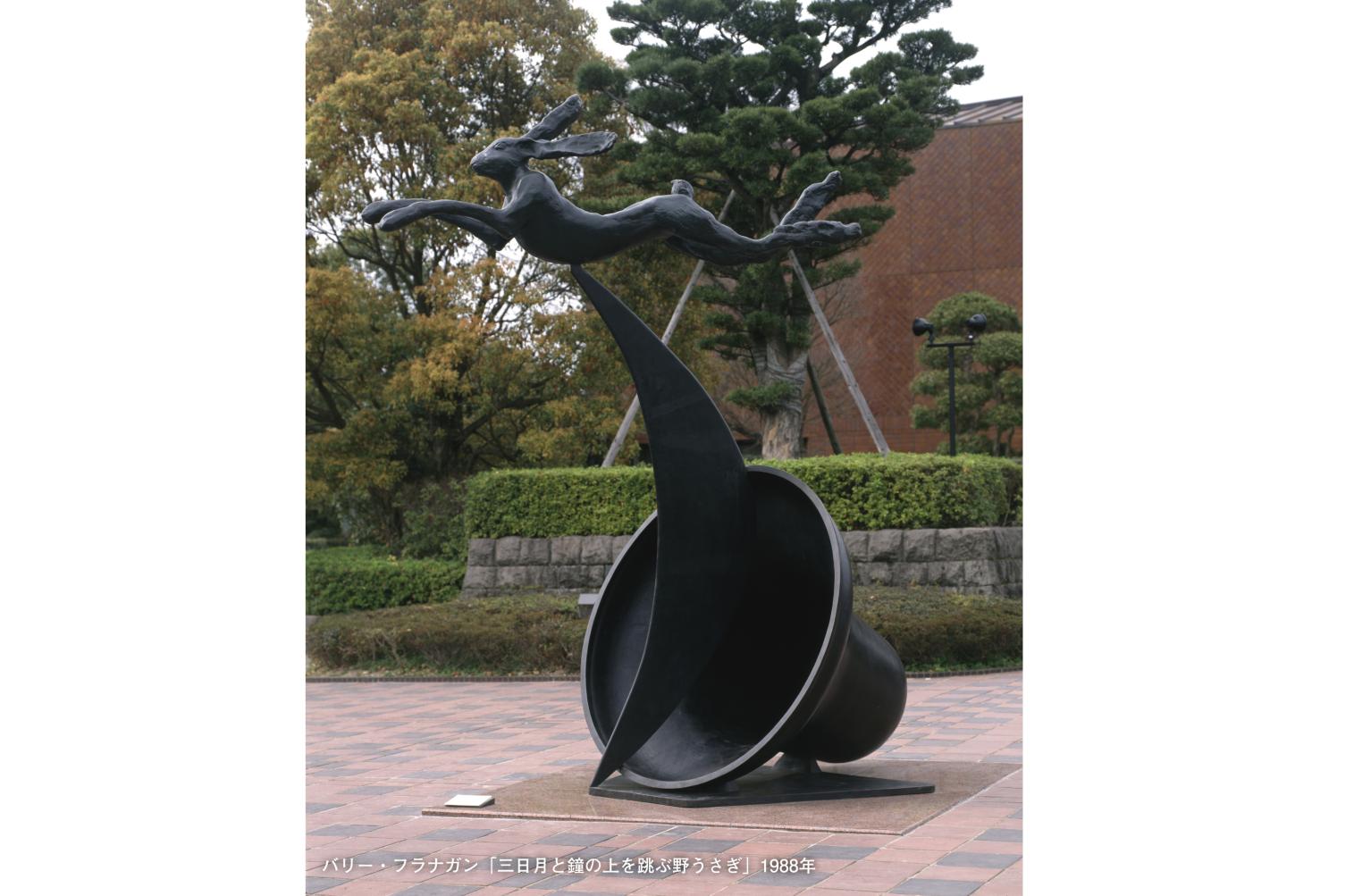
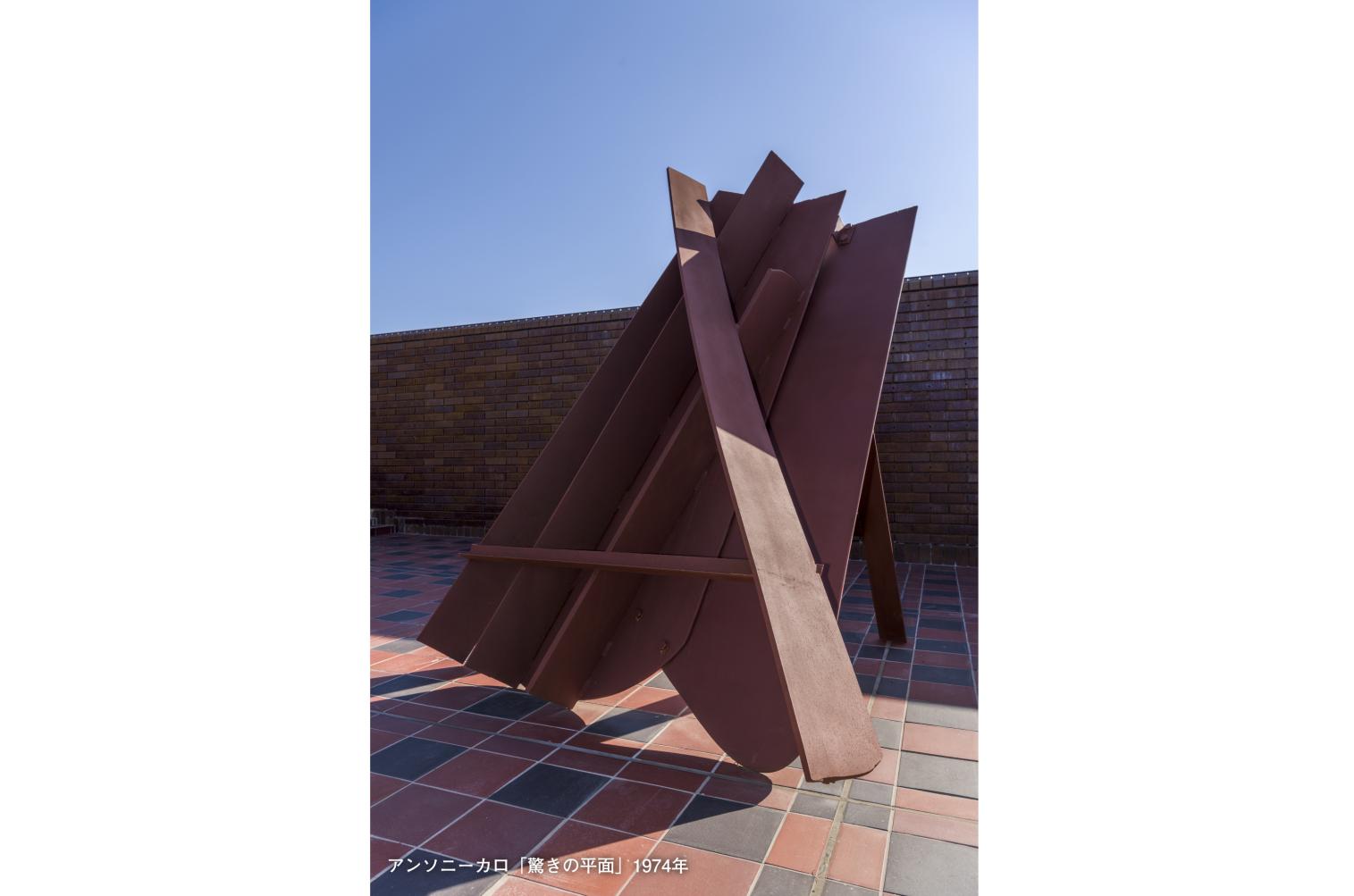
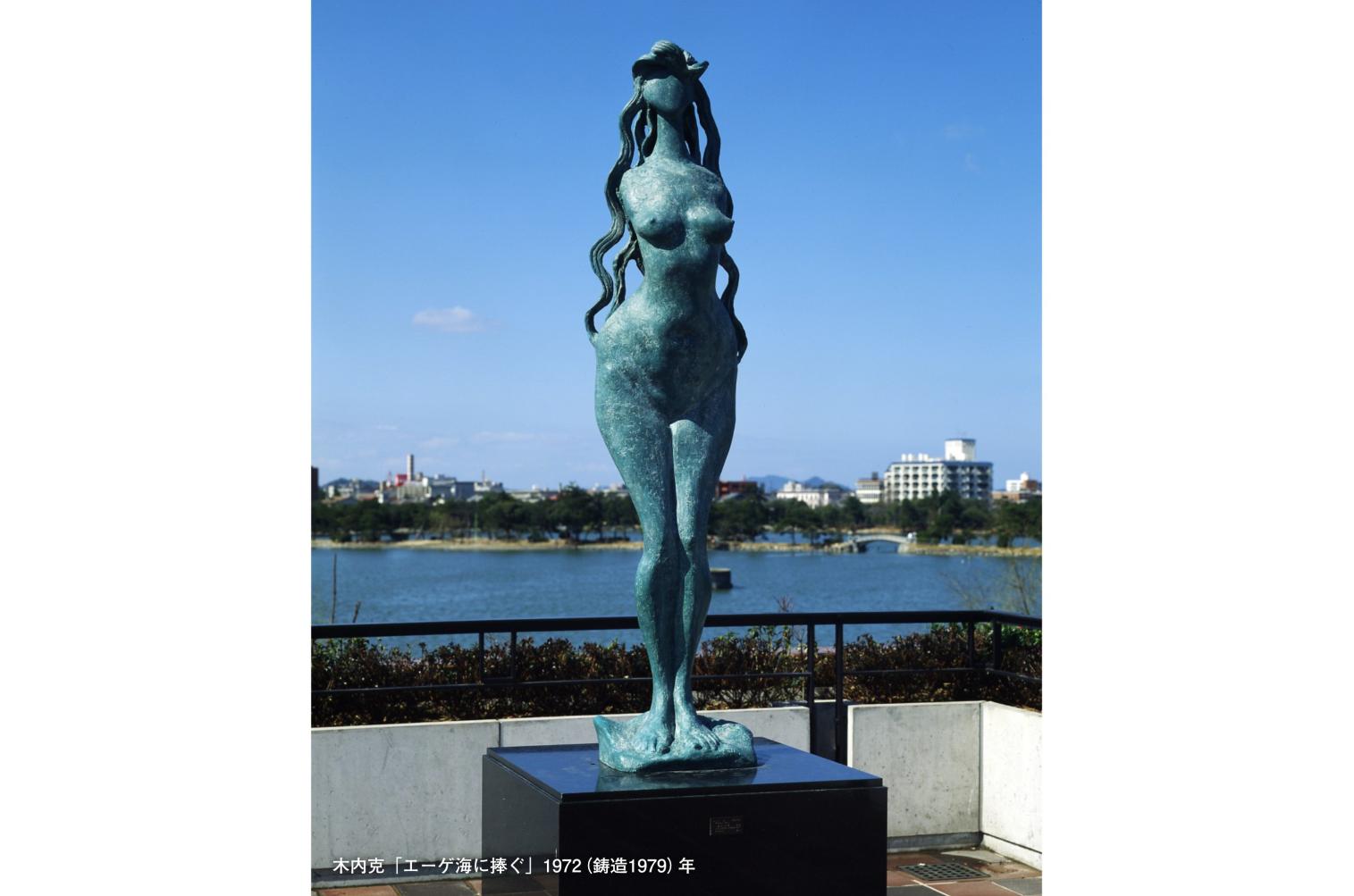
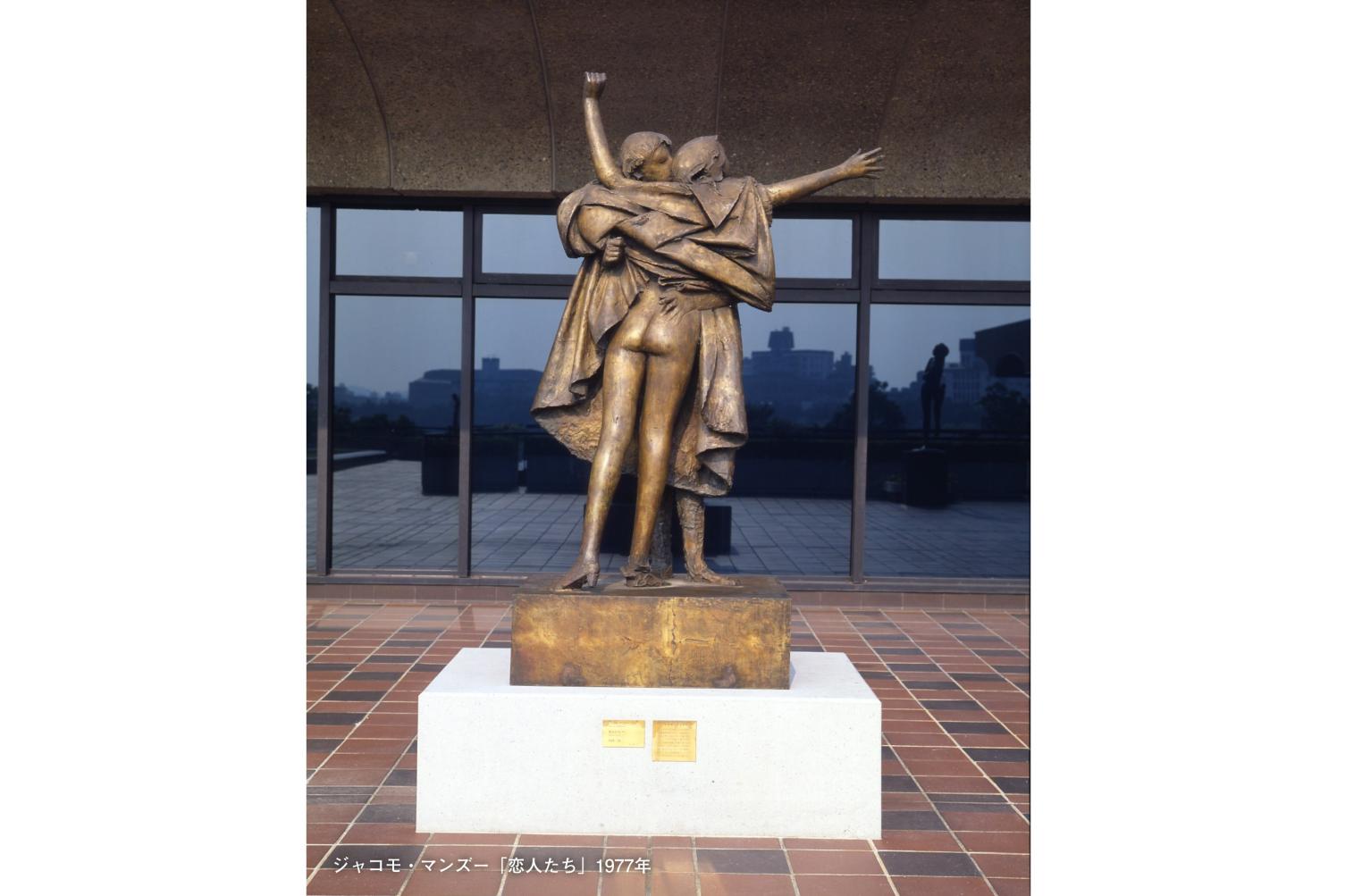
Located within Ohori Park, blessed with water and greenery, is an art museum that welcomes visitors with striking sculptures by world-renowned artists in its outdoor area. These include Yayoi Kusama's “Pumpkin” and Yinka Shonibare's “Wind Sculpture (SG) II,” inspired by ship sails.
This place offers a unique sense of luxury in that visitors can casually stop by during a stroll to immerse themselves in art bathed in natural light. Why not walk along the water's edge and discover your favorite piece?
Column
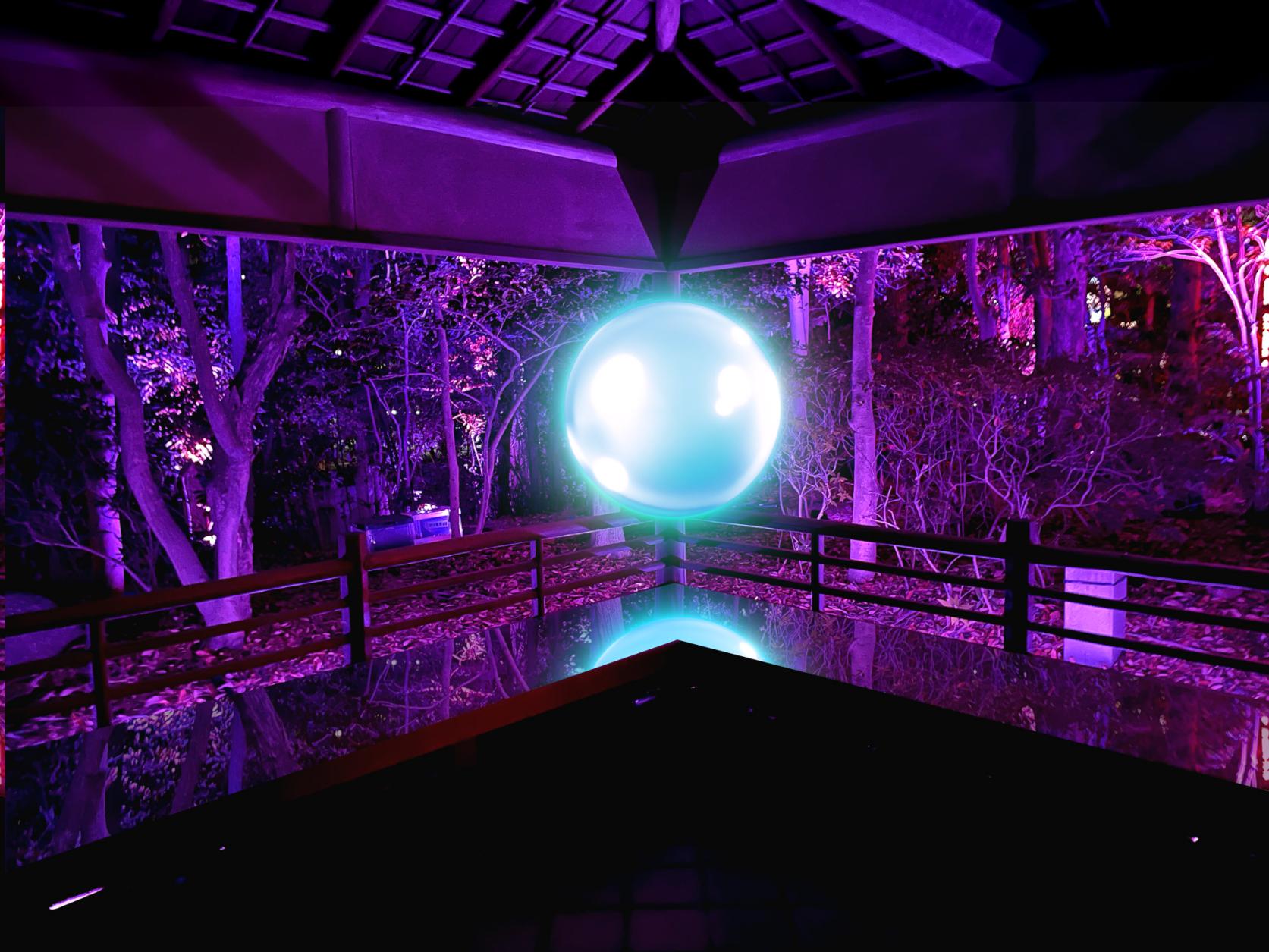
SORA - Japanese garden meets digital art!
The Japanese garden at Ohori Park is renowned for its beautiful water features. At night, it transforms into an experiential art space with a new sensibility, where cutting-edge digital technology fuses with traditional beauty. Projection mapping illuminates various spots throughout the garden, offering a light and sound experience composed of eight distinct content segments.
View moreJigyo Chuo Park
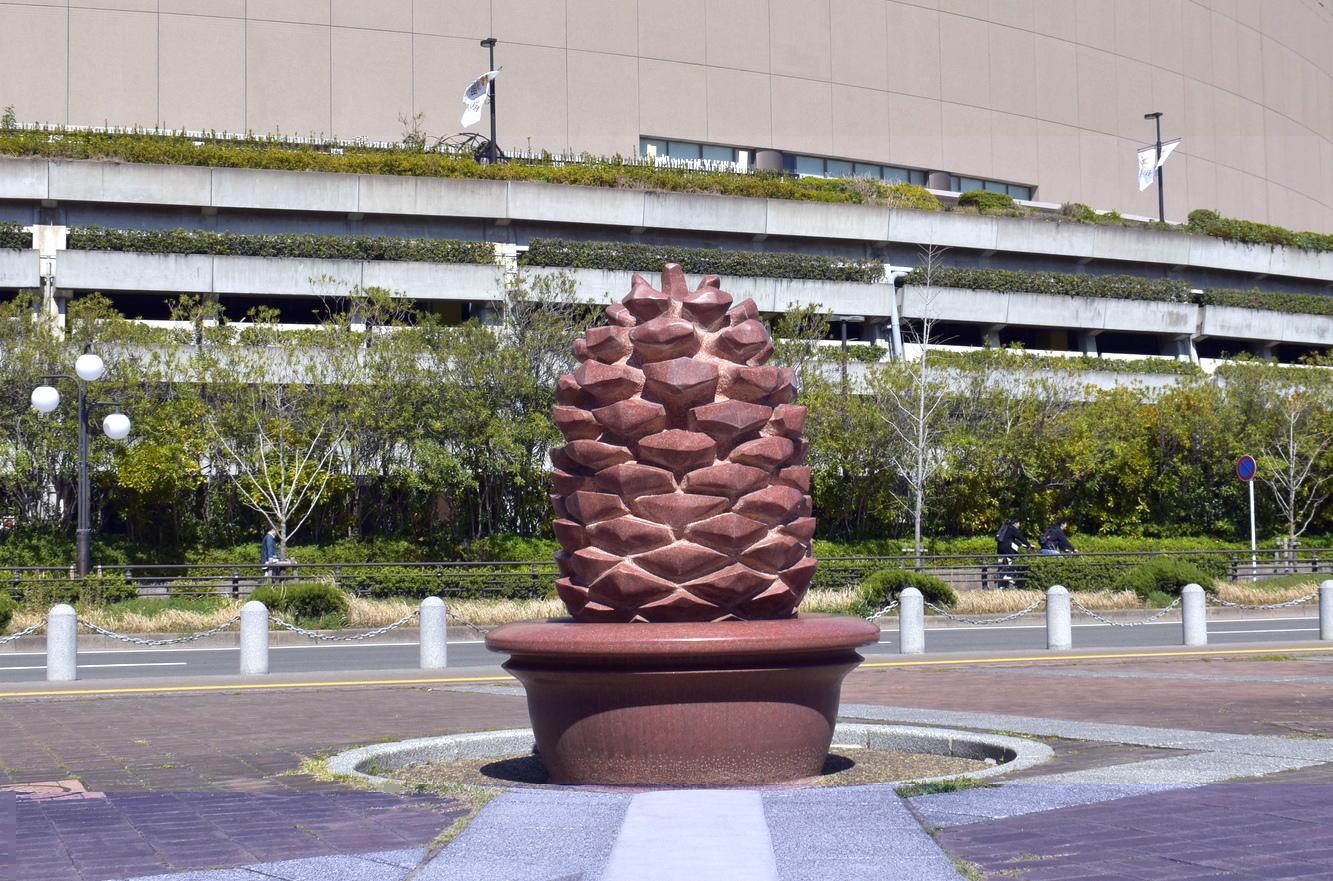
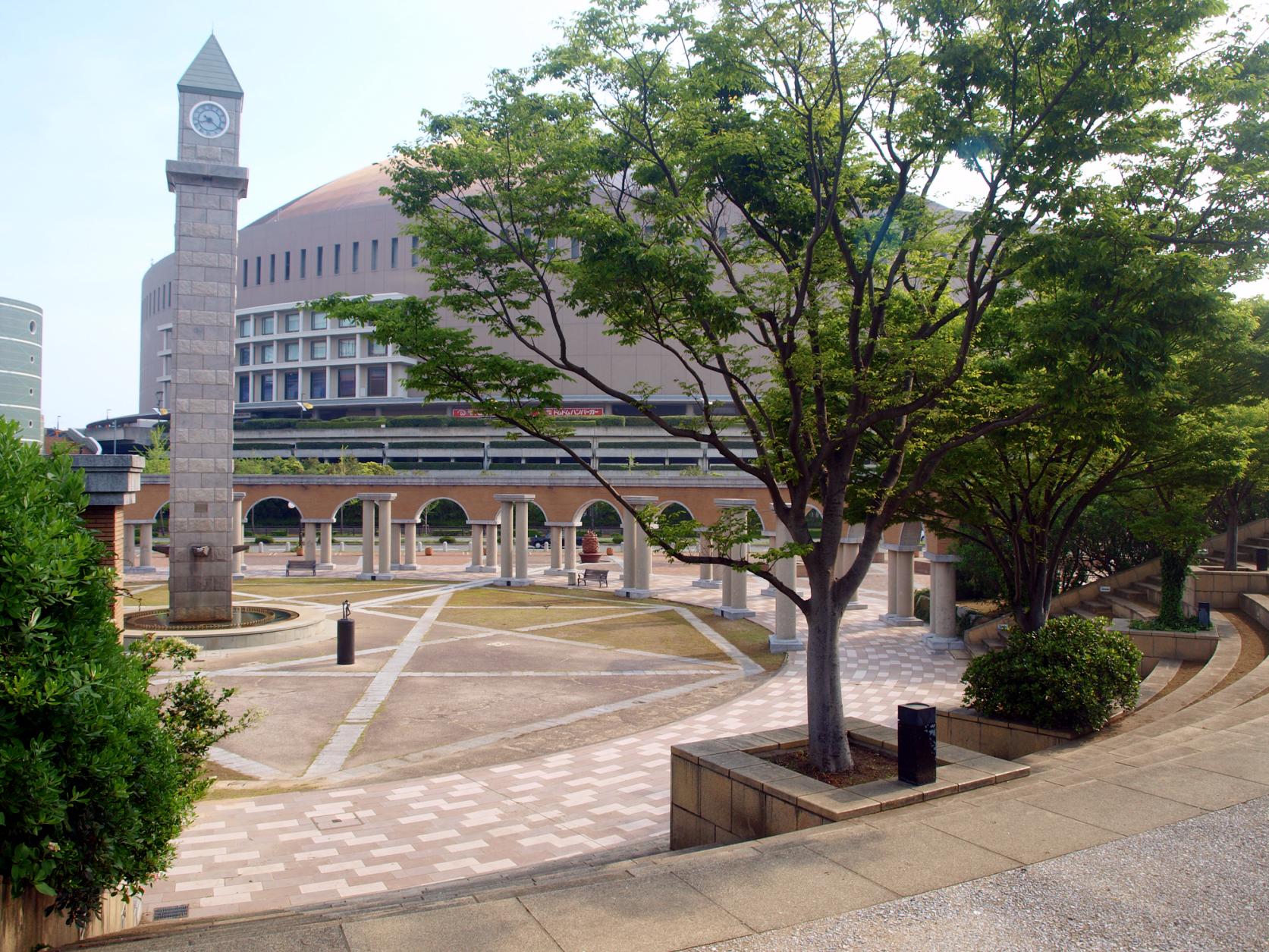
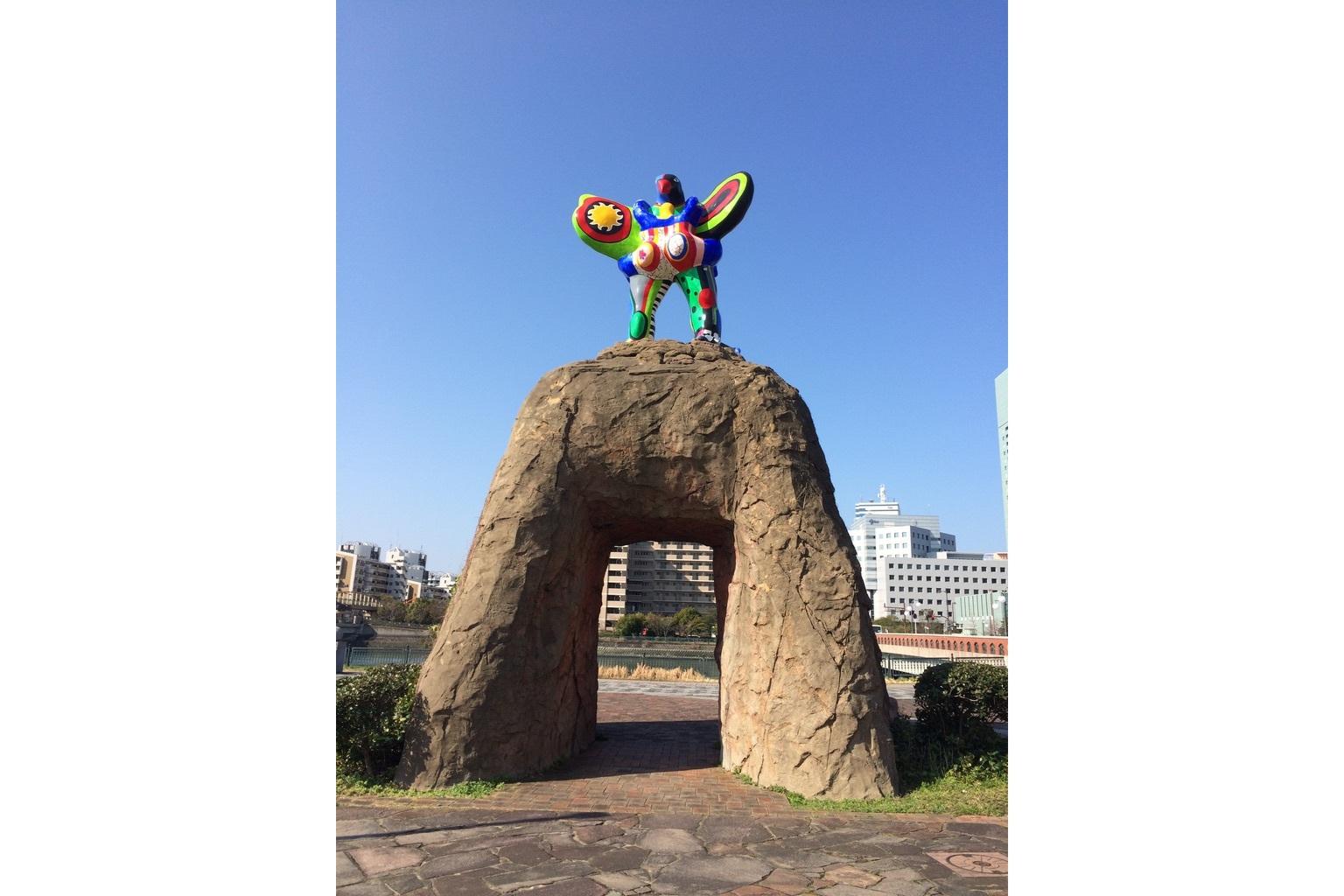
Across from MIZUHO PayPay Dome FUKUOKA, this park is marked by a large clock tower. Sculptures by globally renowned artists dot the grounds, including “Pinecone” by Etsuro Sotoo, chief sculptor of the World Heritage site “Sagrada Família,” and “Grand Oiseau Amoureux” by French artist Niki de Saint Phalle. Take a break while admiring the vibrantly colored artworks set against the blue sky.
Macaroni Aliens: “Spirits of the Seven Luminaries of the Universe"
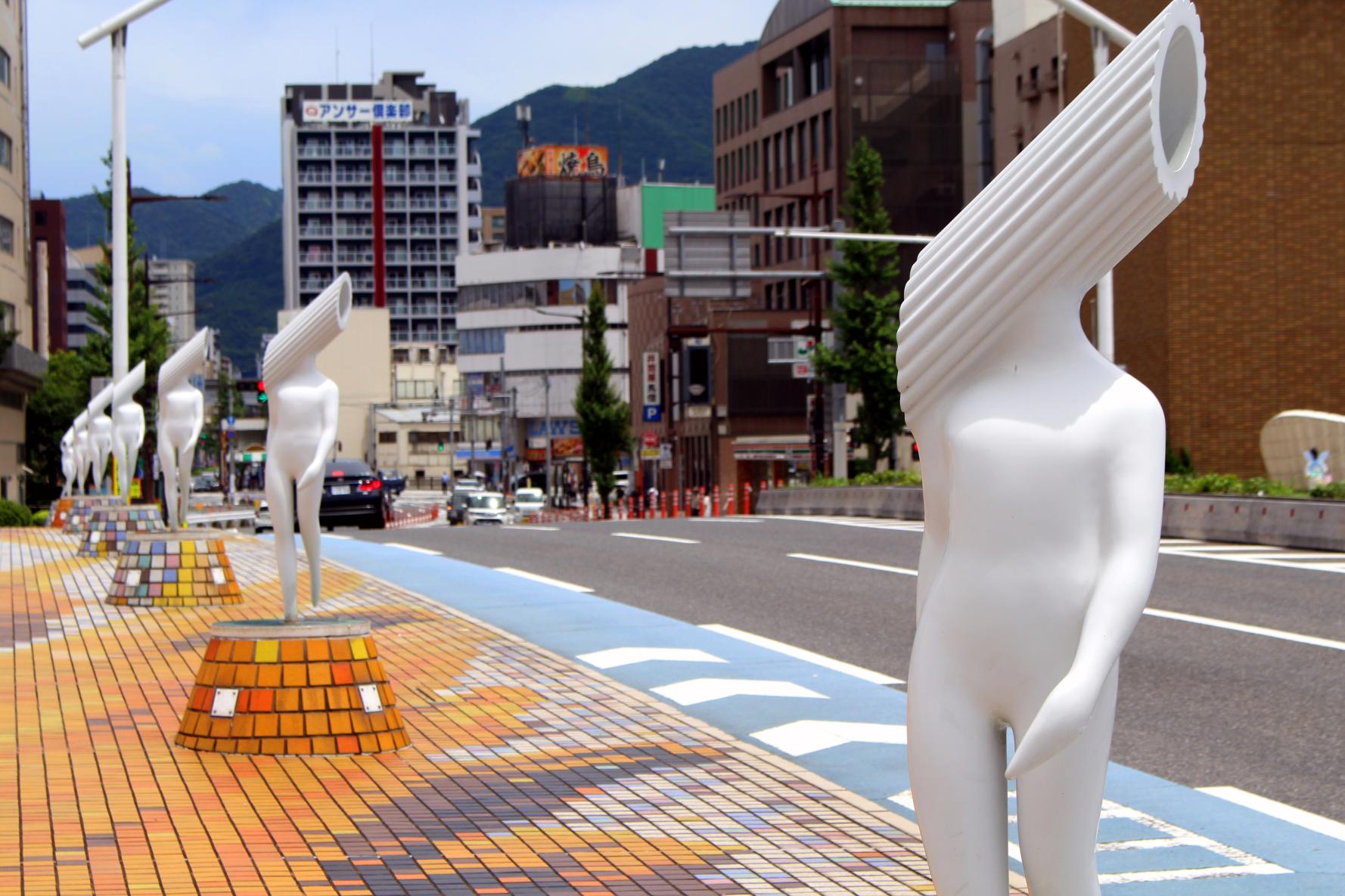
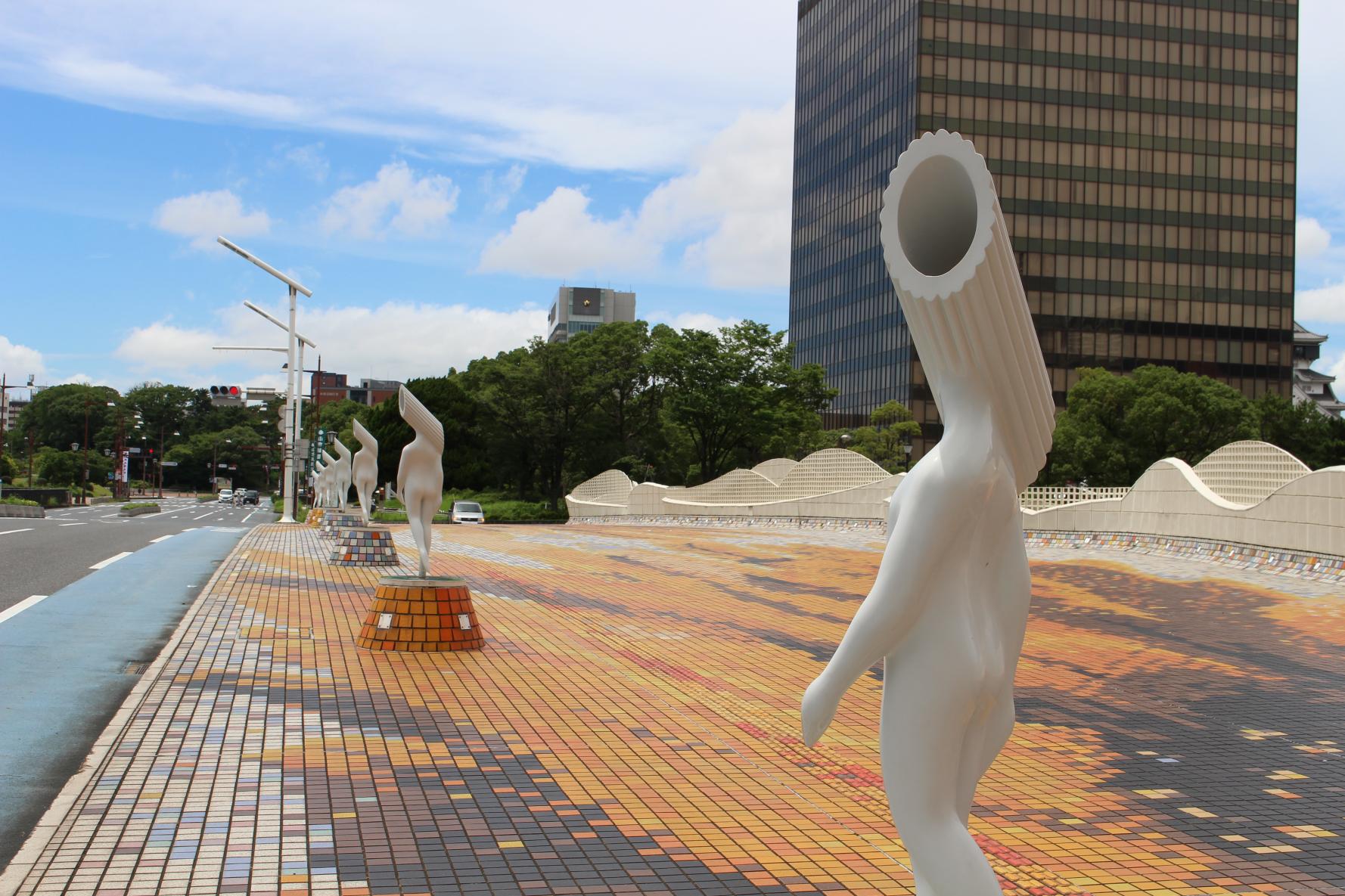
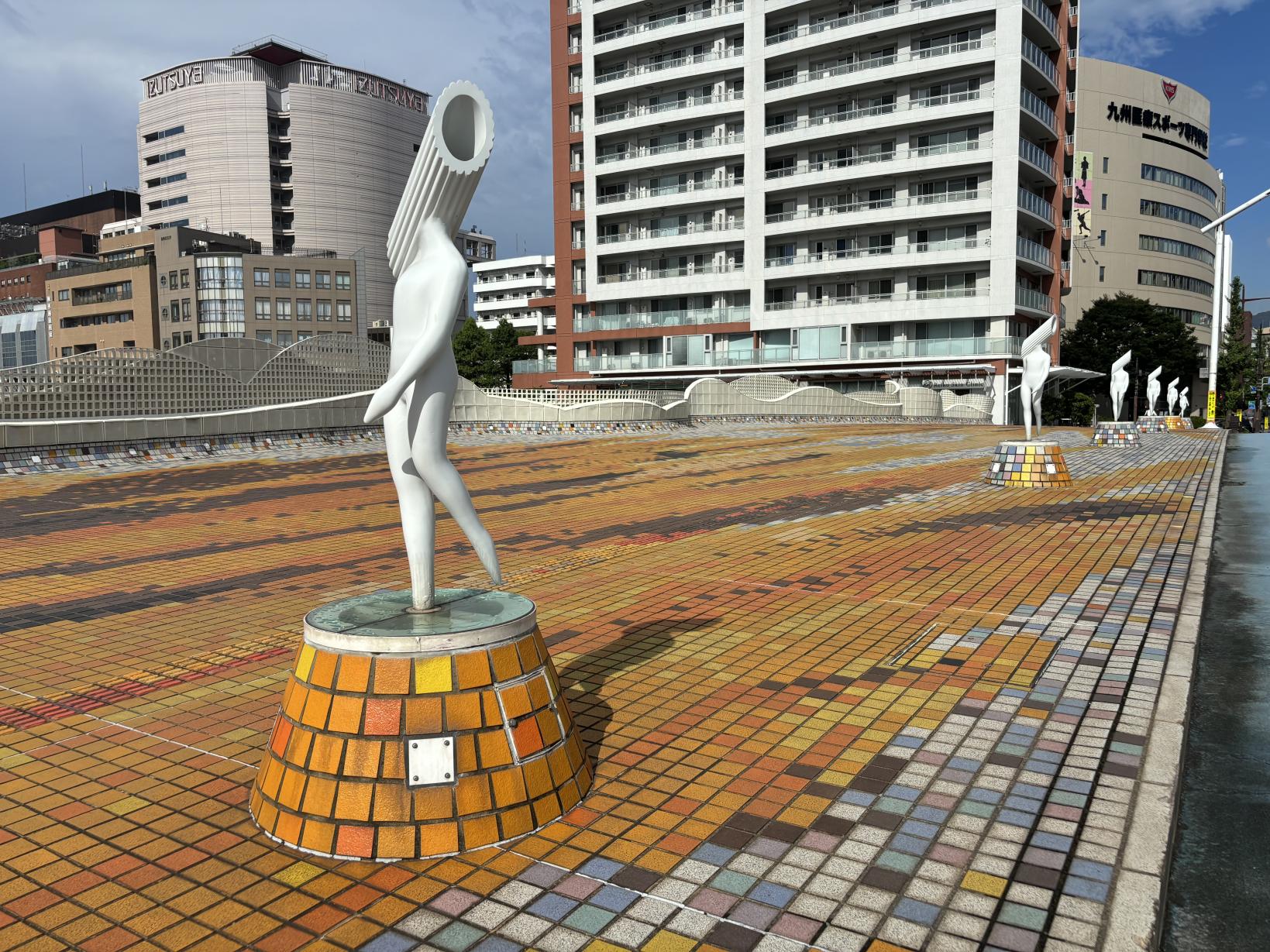
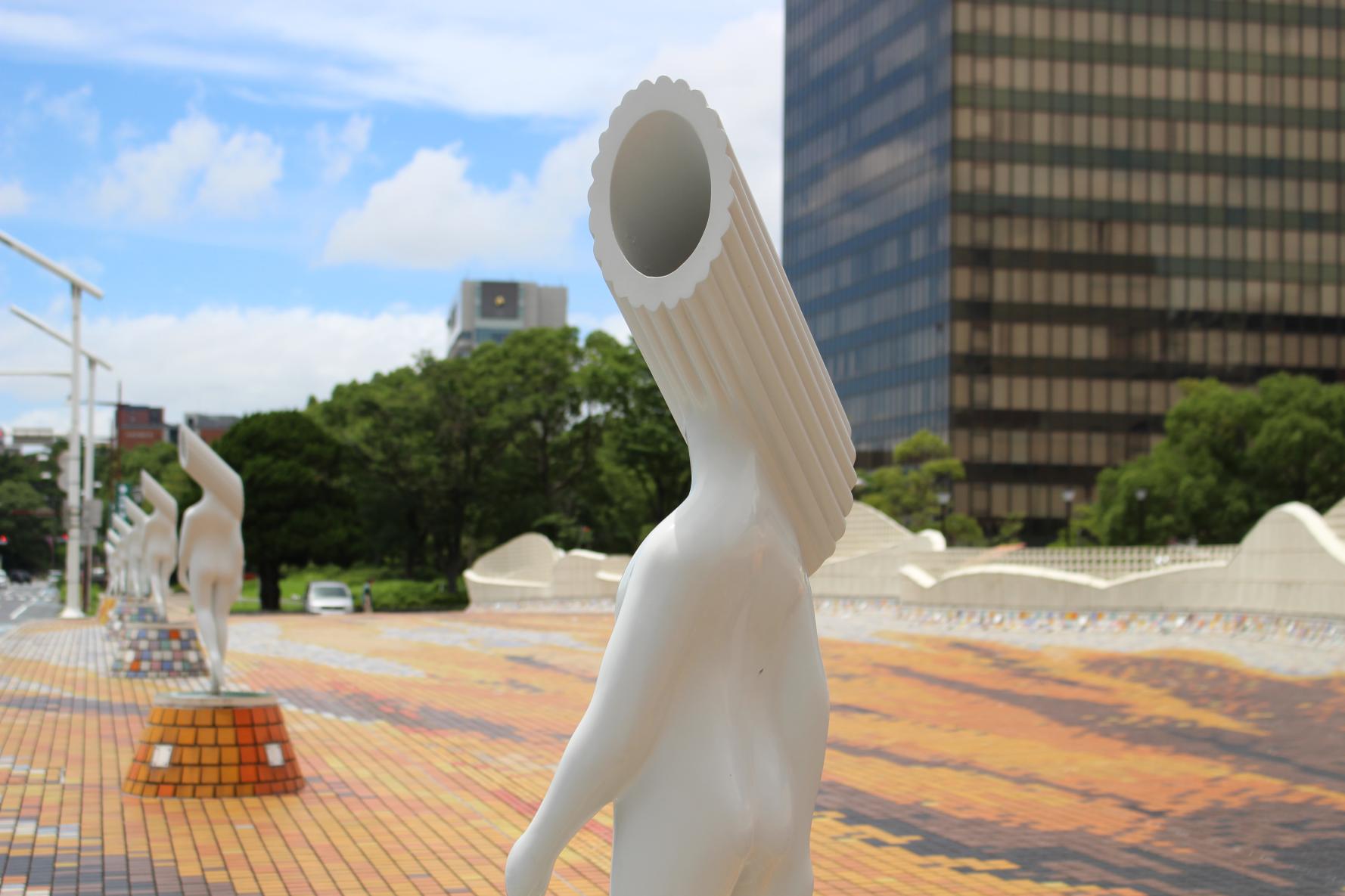
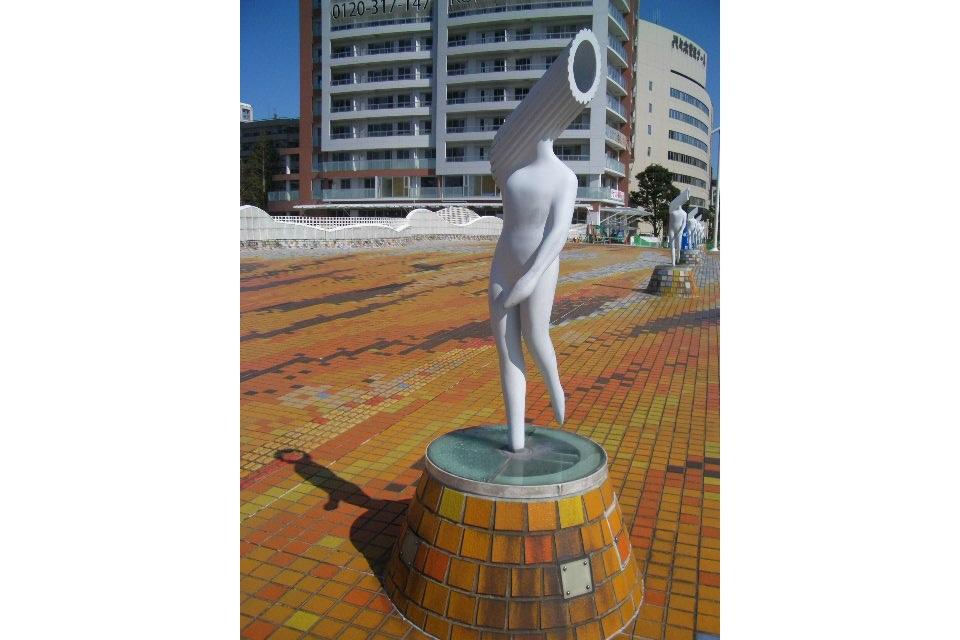
Seven mysterious sculptures line Nakano Bridge over the Murasaki River. Created by world-renowned graphic designer Shigeo Fukuda, this work titled “Spirits of the Seven Luminaries of the Universe” has been affectionately nicknamed “Macaroni Aliens” due to their unique appearance. Around the spring and autumn equinoxes, sunlight passes through the hollows in their heads, casting shadows of the sunflower, the flower of Kitakyushu City, onto the walkway. Trick art has also been incorporated: standing at specific spots on the bridge reveals sunflowers beneath your feet.
Map of art spots
What did you think of Fukuoka's art spots? On your next day off, why not relax in nature and immerse yourself in art?
Google Maps may not display correctly if left open for more than 1 day
Share


 Next article for you
-
TIPS FOR TRAVELING IN FUKUOKA PREFECTURE
-
【2025】Your Guide to Fukuoka Prefecture's Best Fall Foliage Destinations
-
Fukuoka Has Onsen Too! A Complete Guide—from Day Trips to Famous Hot Springs
-
10 Recommended Dishes in Fukuoka! Discovering the Region’s Finest Foods
-
A Guide to Major Tourist Events and Festivals in Fukuoka Prefecture in February
-
【2026】Major September Events and Festivals in Fukuoka Prefecture
-
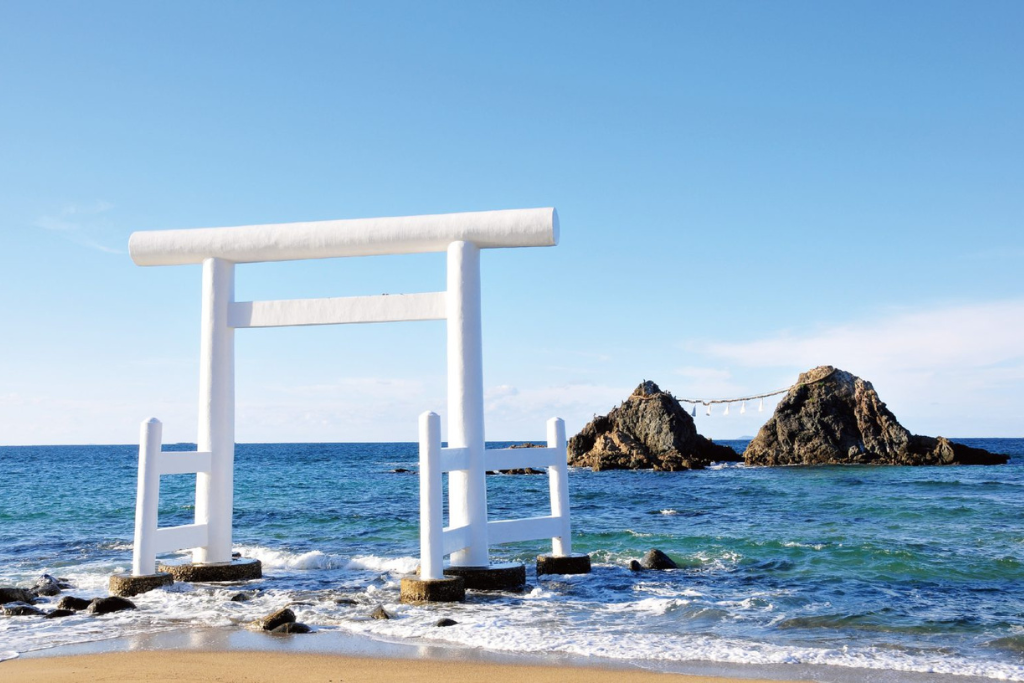
Admiring the Best Scenery that Nature Has to Offer in Itoshima
-
CYCLE FUKUOKA
-
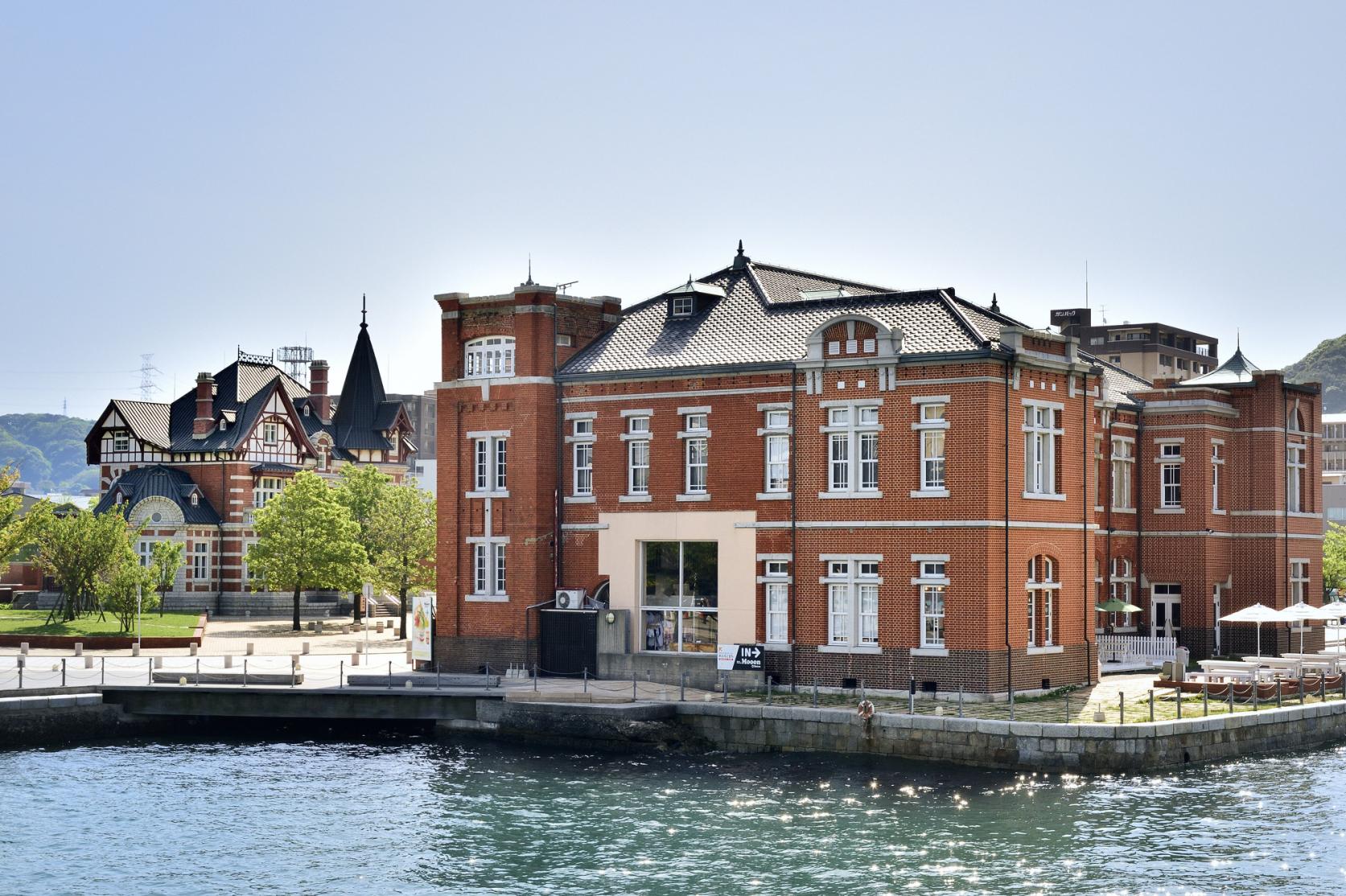
How to experience Mojiko Retro in Kitakyushu
-
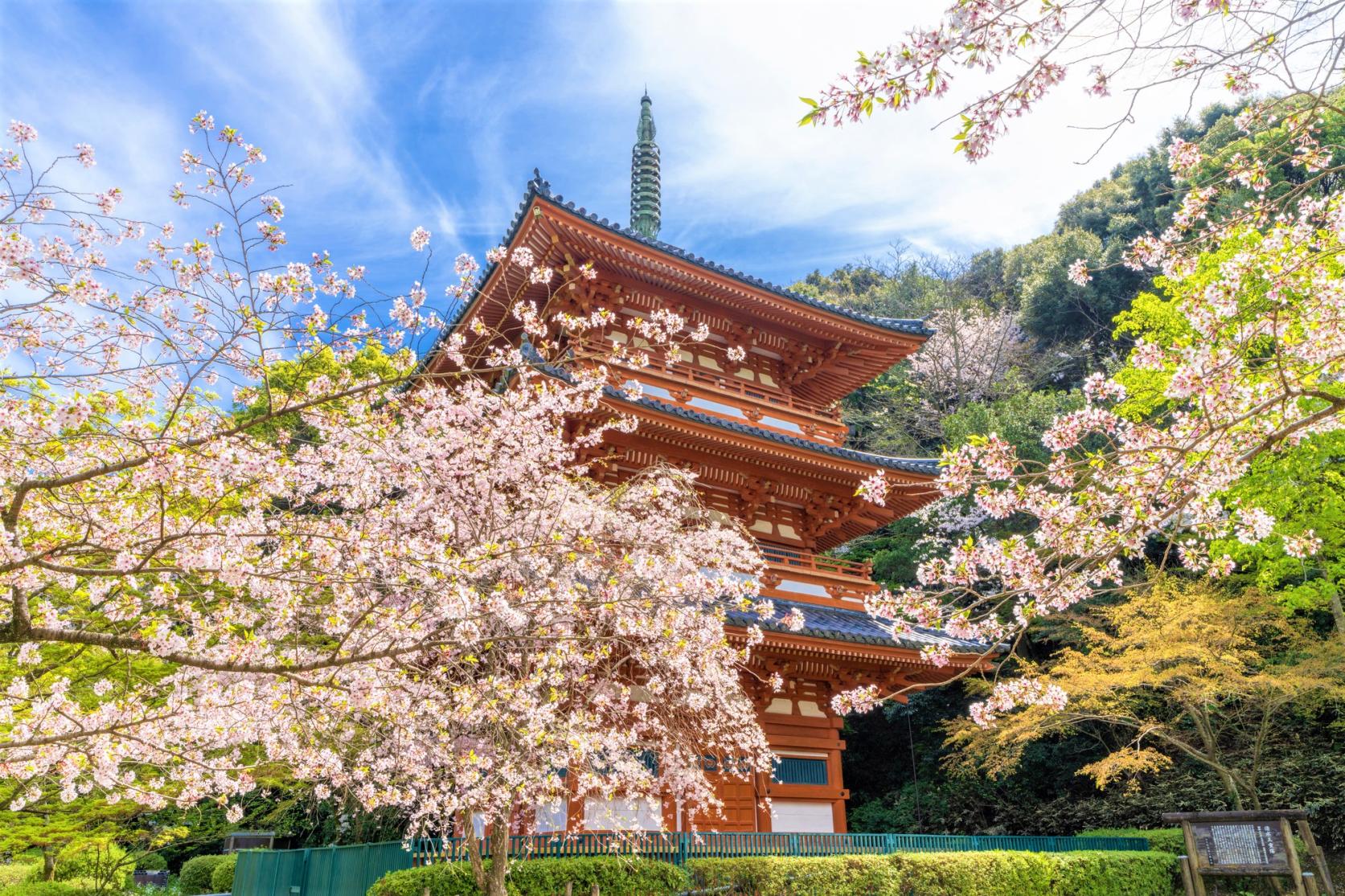
10 Recommended Shrines and Temples in Fukuoka!
-
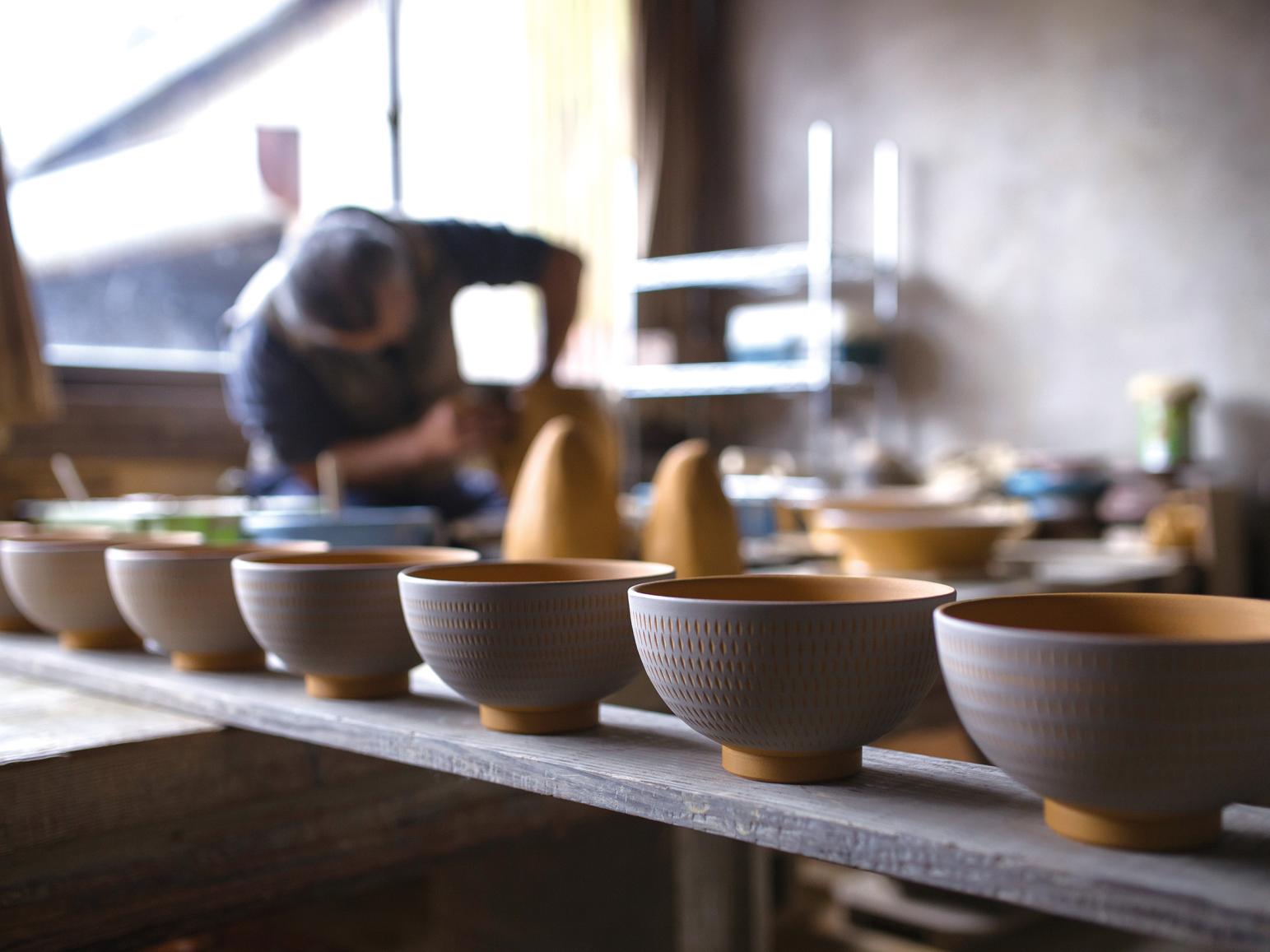
TRADITIONAL JAPANESE CRAFTS OF FUKUOKA ~Present Day Breath-taking Craftsmanship~
-
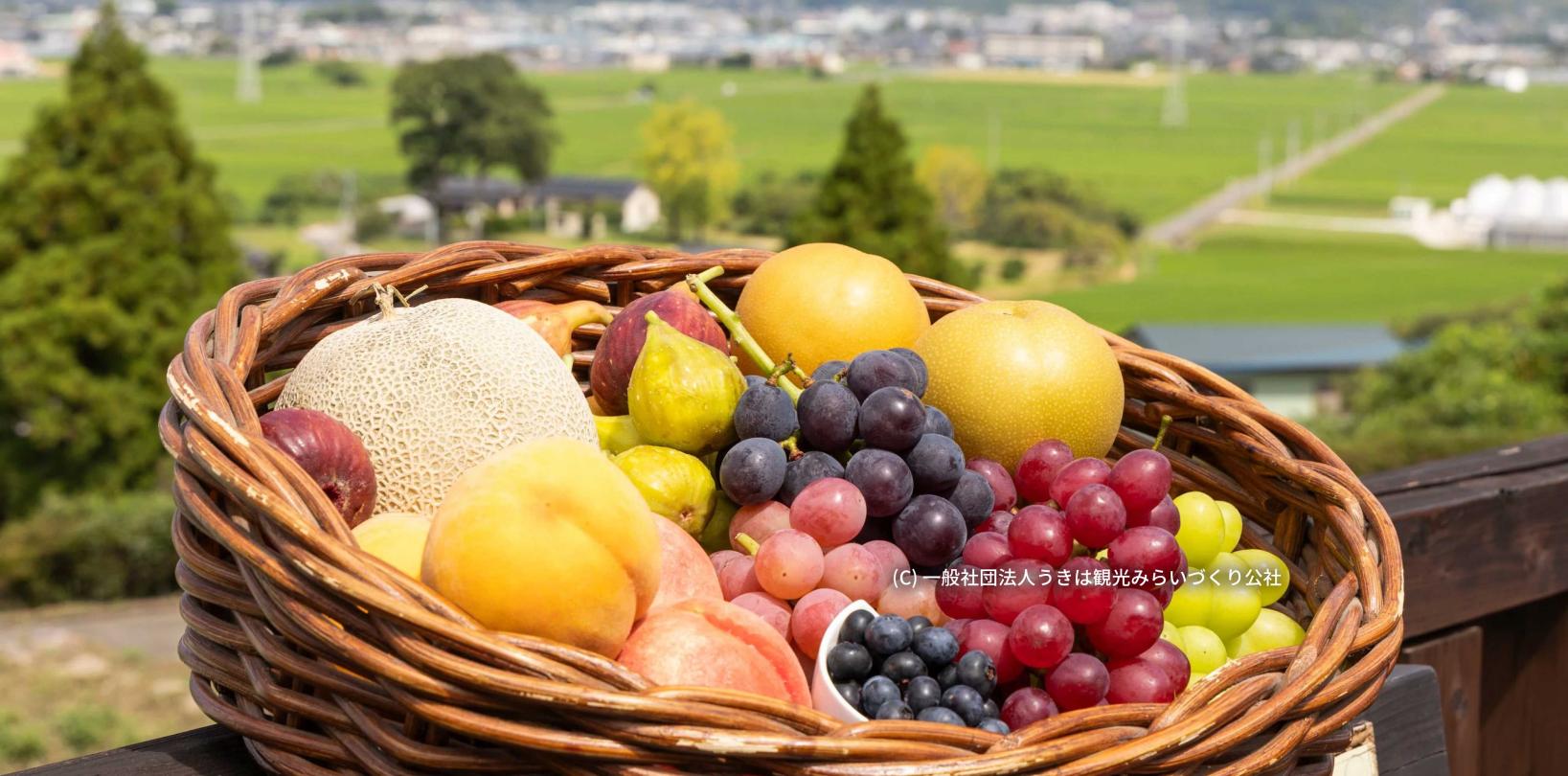
A guide to enjoying fruit picking in Fukuoka all year round! Featuring farms with all-you-can-eat options and attached cafes
-
![[2026] Strawberry Picking Spots in Fukuoka-1](https://www.crossroadfukuoka.jp/storage/special_features/49/responsive_images/9ZHgrqvQdpH8tM4IRF54DXu0aPBF3YGGkj5WOTGc__1673_1115.jpg)
[2026] Strawberry Picking Spots in Fukuoka
-

Kids will love it too! Recommended spots for family trips in Fukuoka Prefecture
-
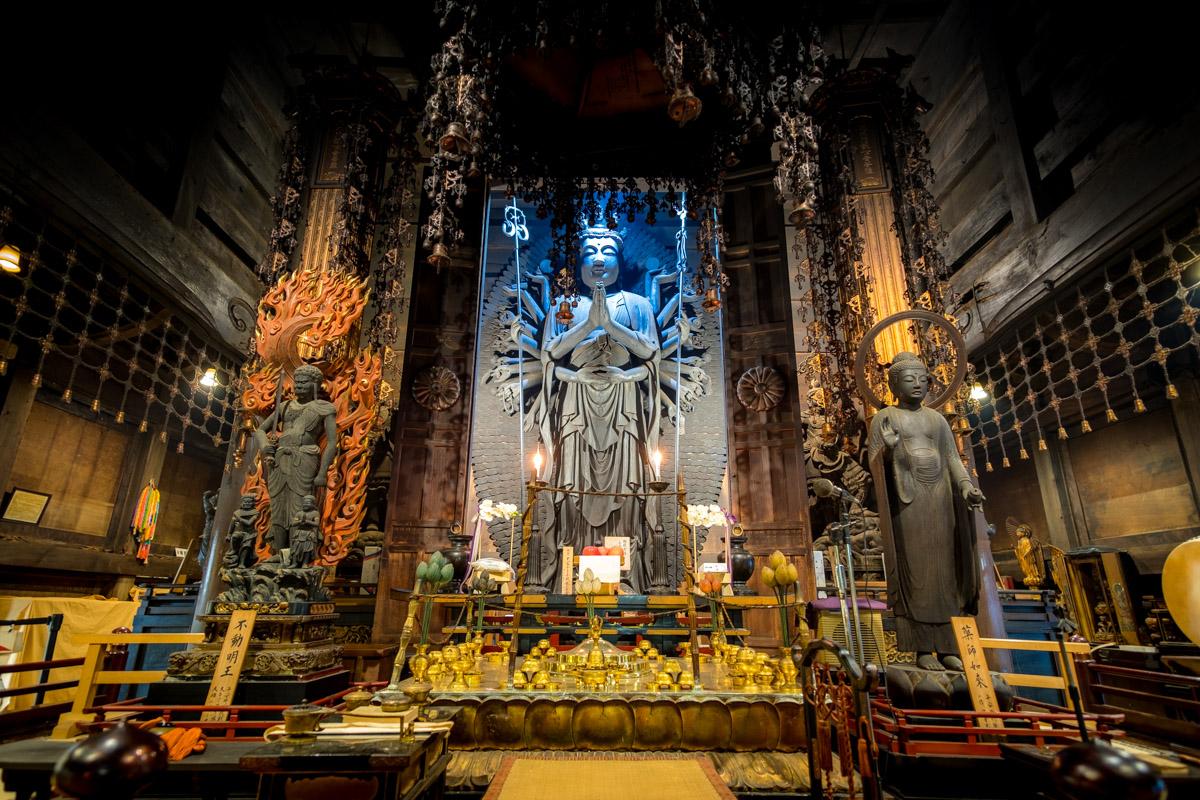
Raizan Sennyoji Daihioin Temple:
-
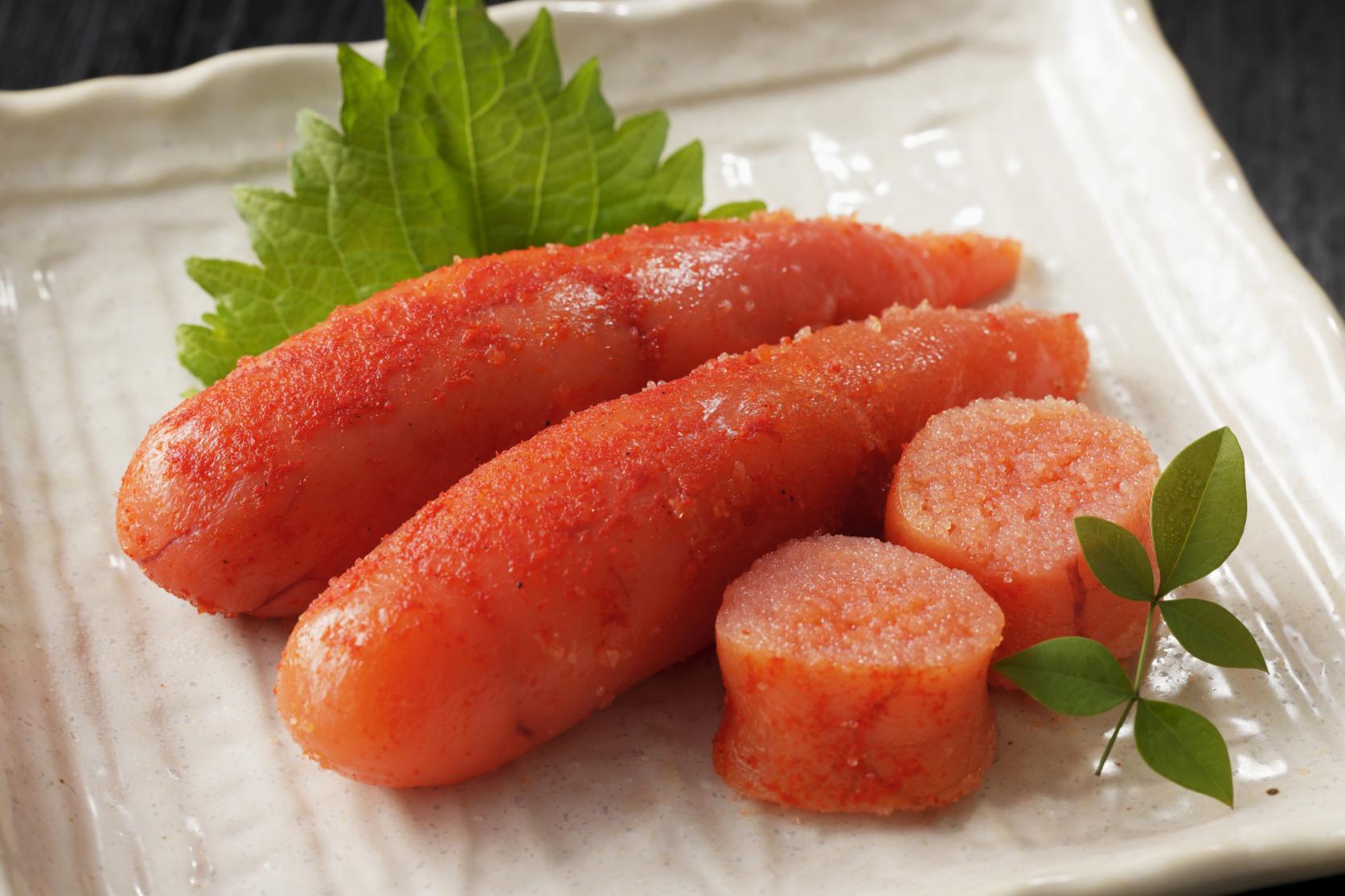
Fukuoka Prefecture is the place for enjoying the best mentaiko! Featuring lunch spots, hands-on experiences, and gifts
-
Here are the most popular souvenirs of Fukuoka that you won’t want to miss!
-
Local Life in Fukuoka City: Art, Beaches and Coffee
-
【2026】The Best Places to See Cherry Blossoms in Fukuoka
-
What is Kushida Shrine, the guardian shrine of Hakata? A comprehensive guide to highlights, goshuin, and access information
