

 Highlights
 Sample Itineraries
 See & Do
 Experience
 Events
 Plan a Trip
 Transport
 Local Life in Fukuoka City



![[Traditional Crafts] Indigo Kasuri: A Fabric Interwoven with the Rhythm of the Land
Kurume Kasuri Open Factory Program Report| Aizome Kasuri Kobo Takeshi Yamamura-1](https://www.crossroadfukuoka.jp/storage/special_features/723/responsive_images/ZC5cyQKvE5c2sr6sIh6WrbyT8RMkbGYyEeJucyfy__1536_1152.jpg)
[Traditional Crafts] Indigo Kasuri: A Fabric Interwoven with the Rhythm of the Land
Kurume Kasuri Open Factory Program Report| Aizome Kasuri Kobo Takeshi Yamamura
As you tour the many Kurume Kasuri workshops in the region, there is one place where the atmosphere suddenly shifts.
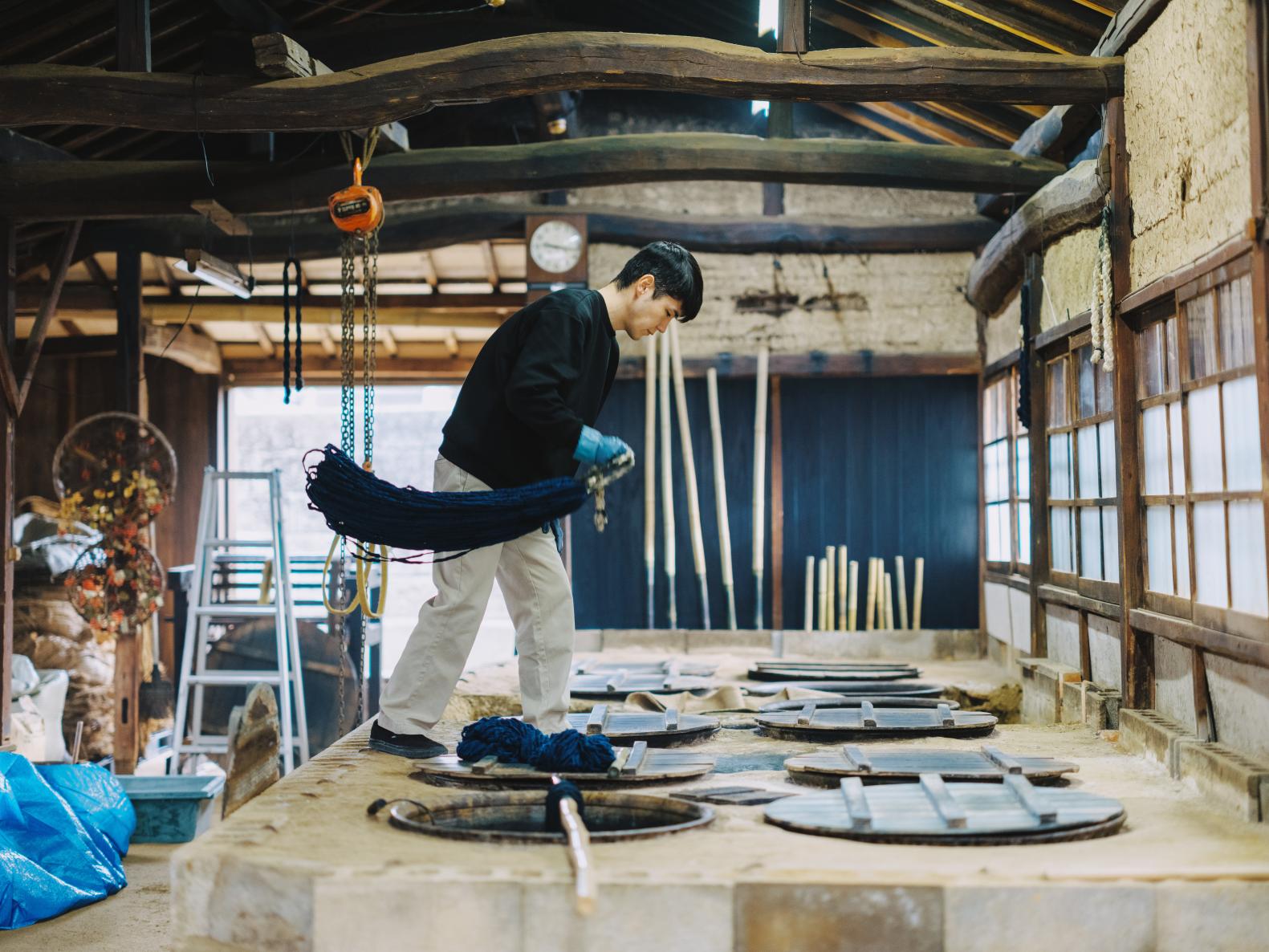
In a workspace with high beams overhead, rows of earthenware vats stand quietly, and the gentle aroma of indigo drifts through the air.
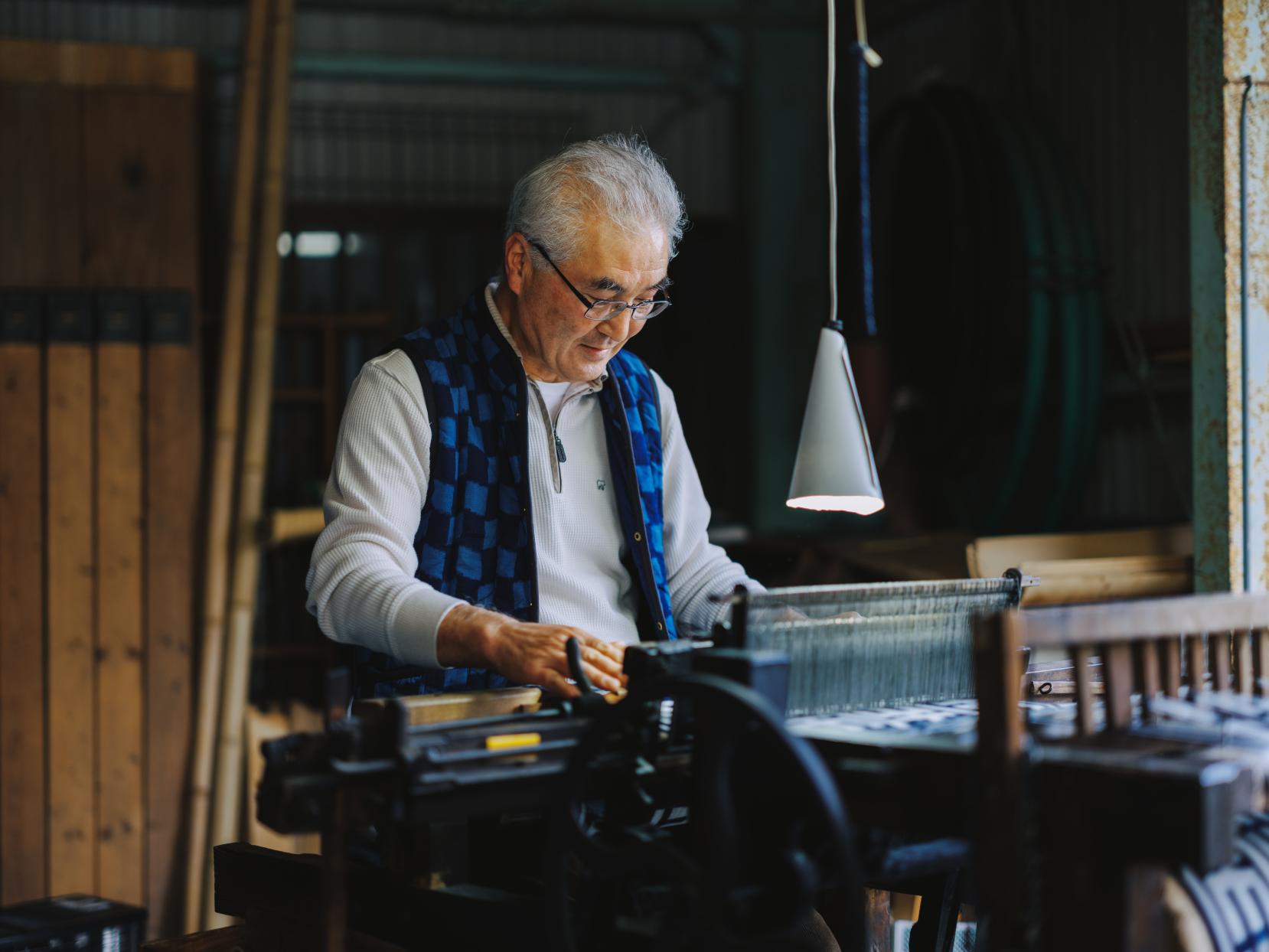
This is Aizome Kasuri Kobo Takeshi Yamamura, a workshop run by a family of three. Here, father Takeshi and his son Kensuke take the lead in weaving and dyeing, and mother Yoko handles the kasuri-making process while carefully tending to the space itself.
The first thing you notice when you hold the fabric is how soft it is.
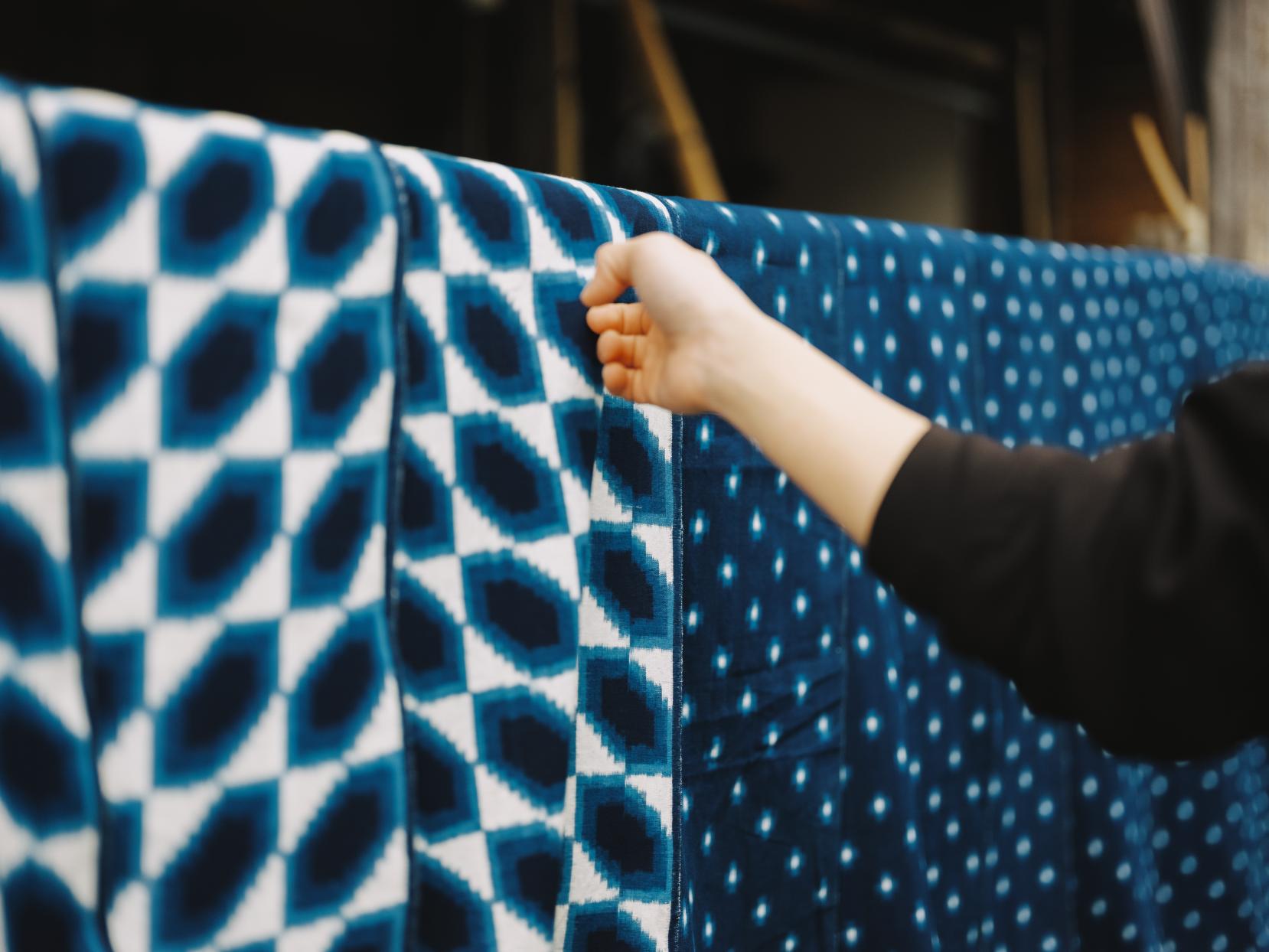
The airy texture unique to hand weaving brings the geometric patterns to life, drawing the eye almost instantly. Bold yet marked by a sense of openness, the designs make a statement, and they are equally at home in kimono and clothing, or as decorative pieces for interior spaces.
Workshop Information (Address, Tour Details, Experiences, etc.)
Aizome Kasuri Kobo Takeshi Yamamura
Address: 241 Naganobu, Hirokawa Town, Yame-gun, Fukuoka Prefecture
Tel: 0943-32-0332
<Open Factory>
Tour Content: With the artisans as your guides, watch and learn about the indigo-dyeing, hand-tying, and hand-weaving processes.
Required Time: Approx. 45 min.
Fee: ¥4,000
Shopping: Fabric bolts, fabric yardage, and accessories are available for purchase.
Souvenir: Visitors will receive a small piece of indigo-dyed thread (approx. 1 m).
<Experience>
Program Details: After touring the workshop, you will create an art panel by dyeing textile with indigo.
Required Time: Approximately 2 hours
Fee: ¥16,000
How to Apply
You can make a reservation via the links below (external website)
Indigo Yarn Built from Forty Layers of Color
What first surprises visitors at the indigo-dyeing workshop is the sheer number of repetitions.
“We dye each skein about forty times,” Kensuke explains matter-of-factly.
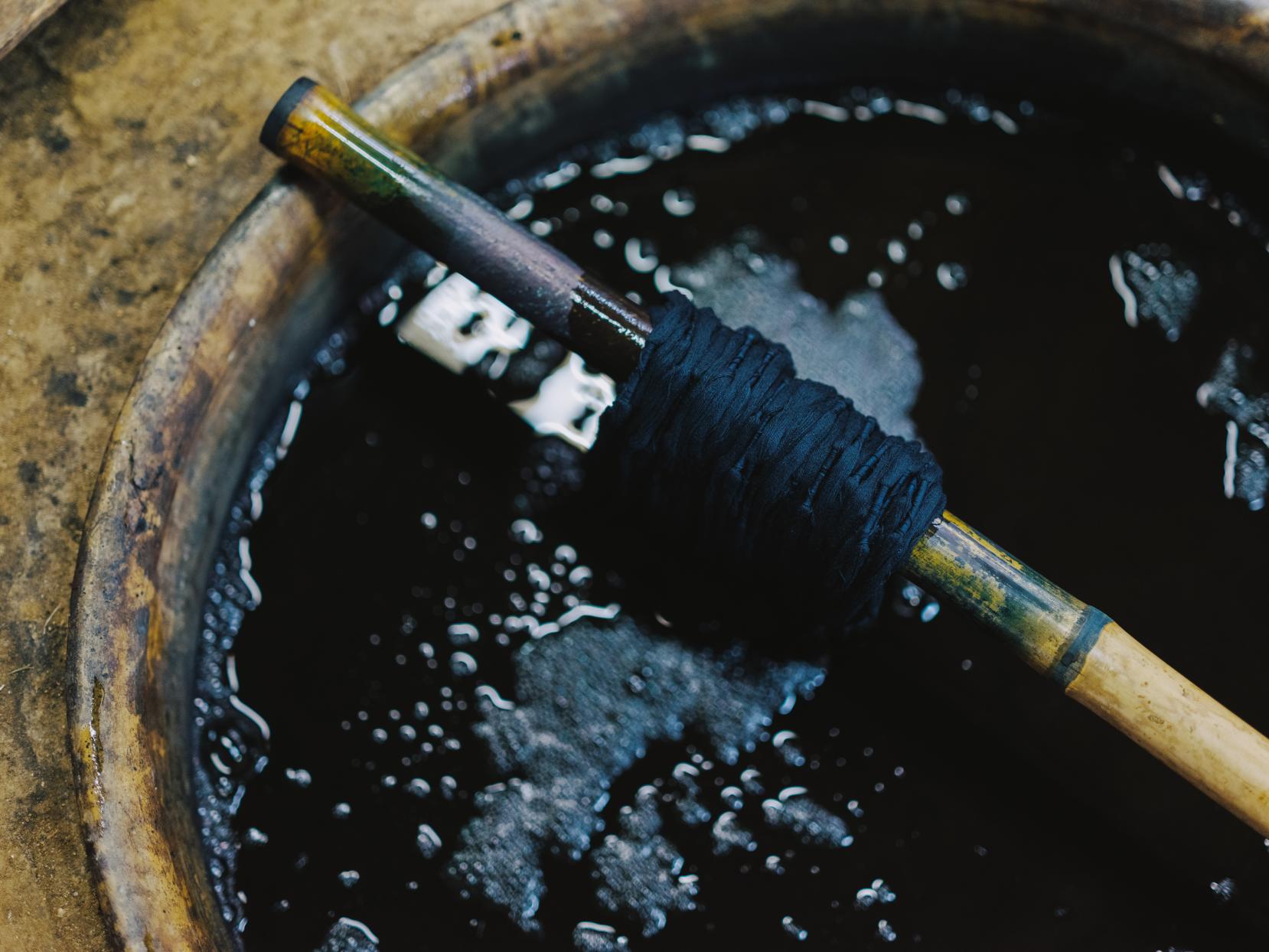
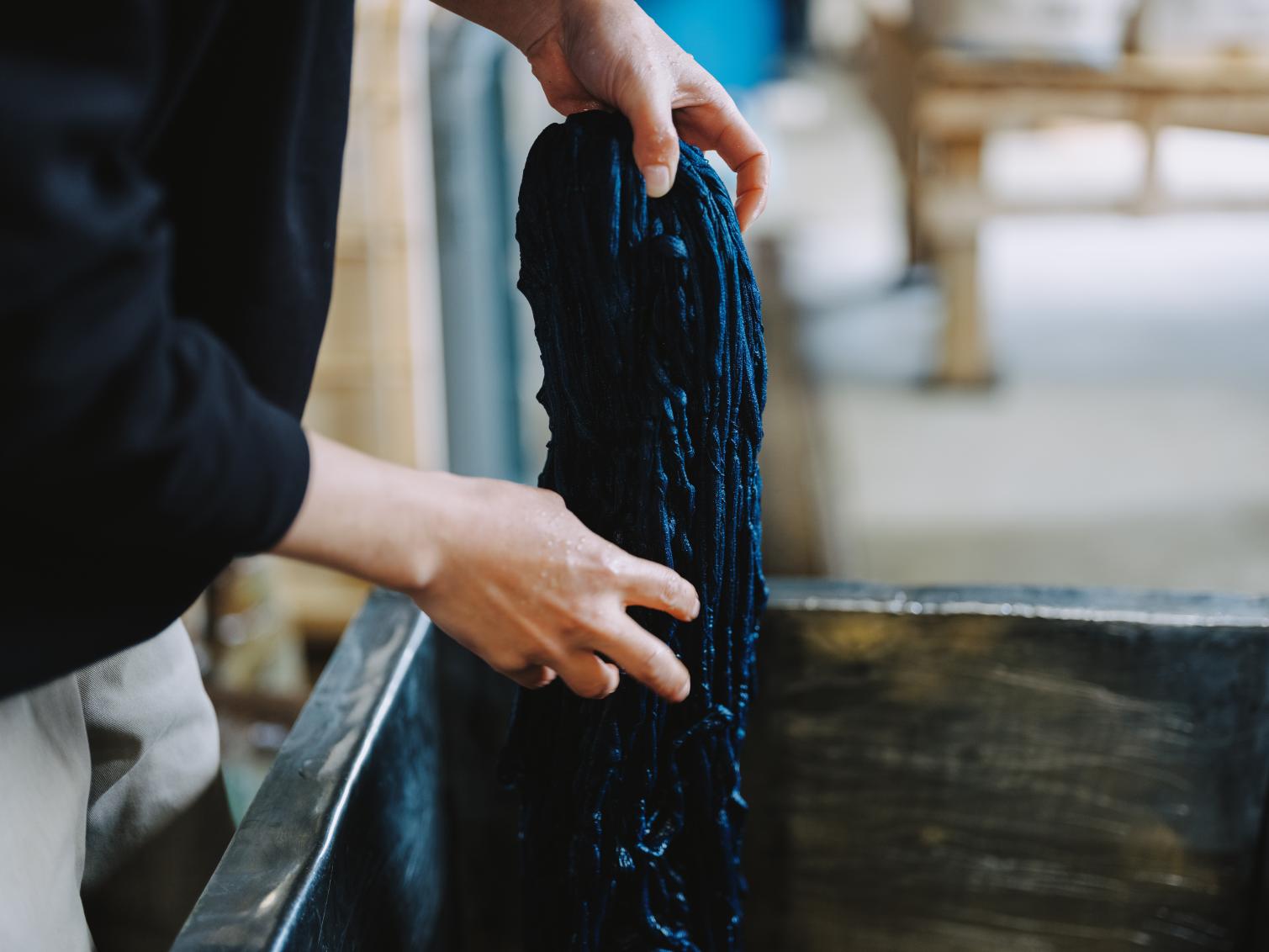
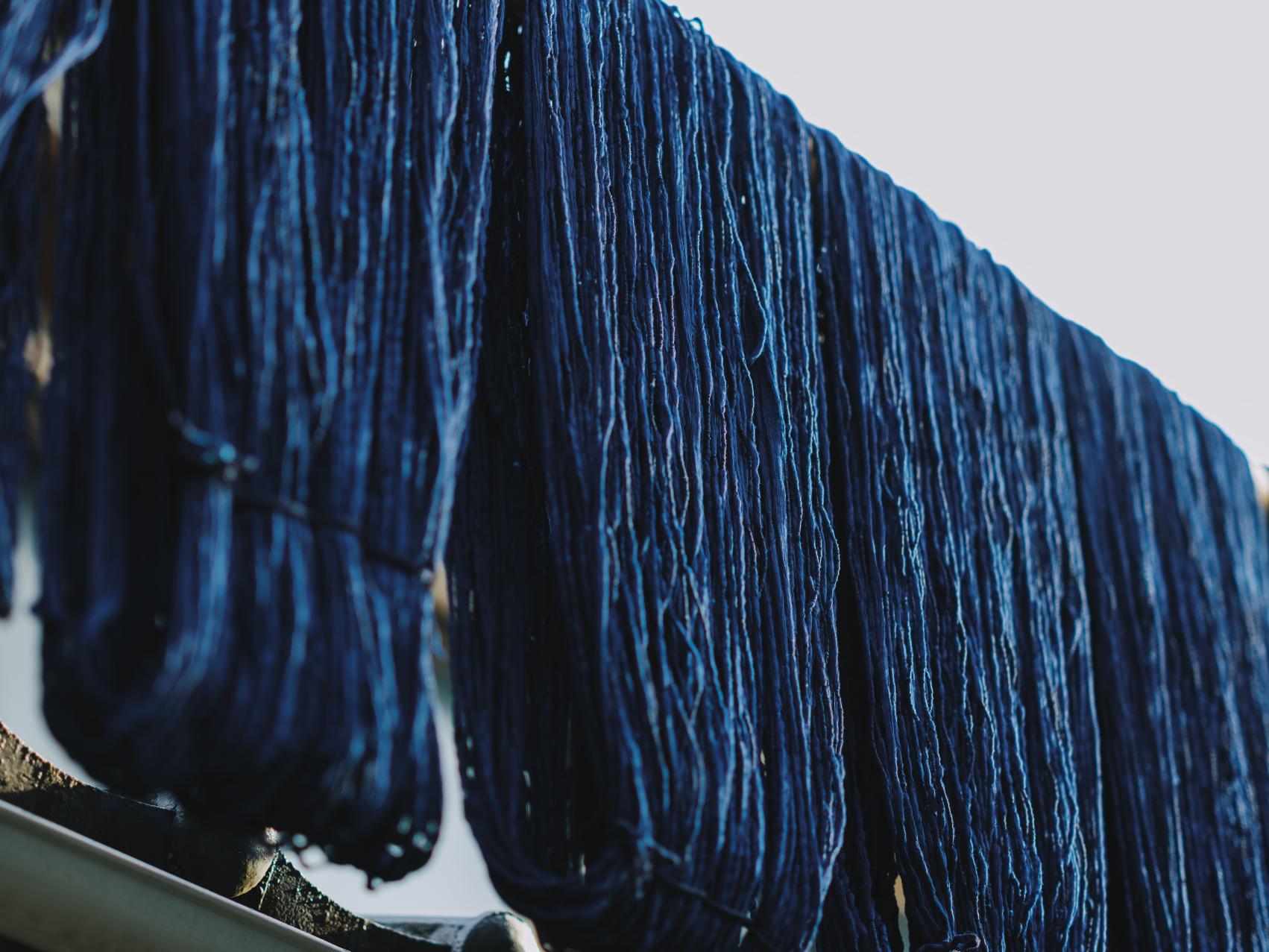
A skein is a bundle of thread measuring roughly 140 meters in length. Each skein is dipped into a vat of indigo, wrung out, struck lightly to introduce air, and then dried in the sun. This cycle is repeated again and again, allowing the color to develop gradually.
Only about ten rounds of dyeing can be done in a single day.
“By layering lighter shades over and over, you end up with a deep, lustrous indigo,” says Kensuke.
At the Yamamuras’ workshop, it takes at least four days to complete the dyeing of a single skein.
Because the warp and weft threads are dyed on different days, the dyeing process alone takes no less than one week.
Whether aiming for lighter or darker tones, the number of dyeings remains the same. By building up the color little by little, the threads develop a rich sheen and become more resistant to fading. Here, the Yamamuras choose certainty over efficiency.
White Patterns Revealed When the Threads Are Untied
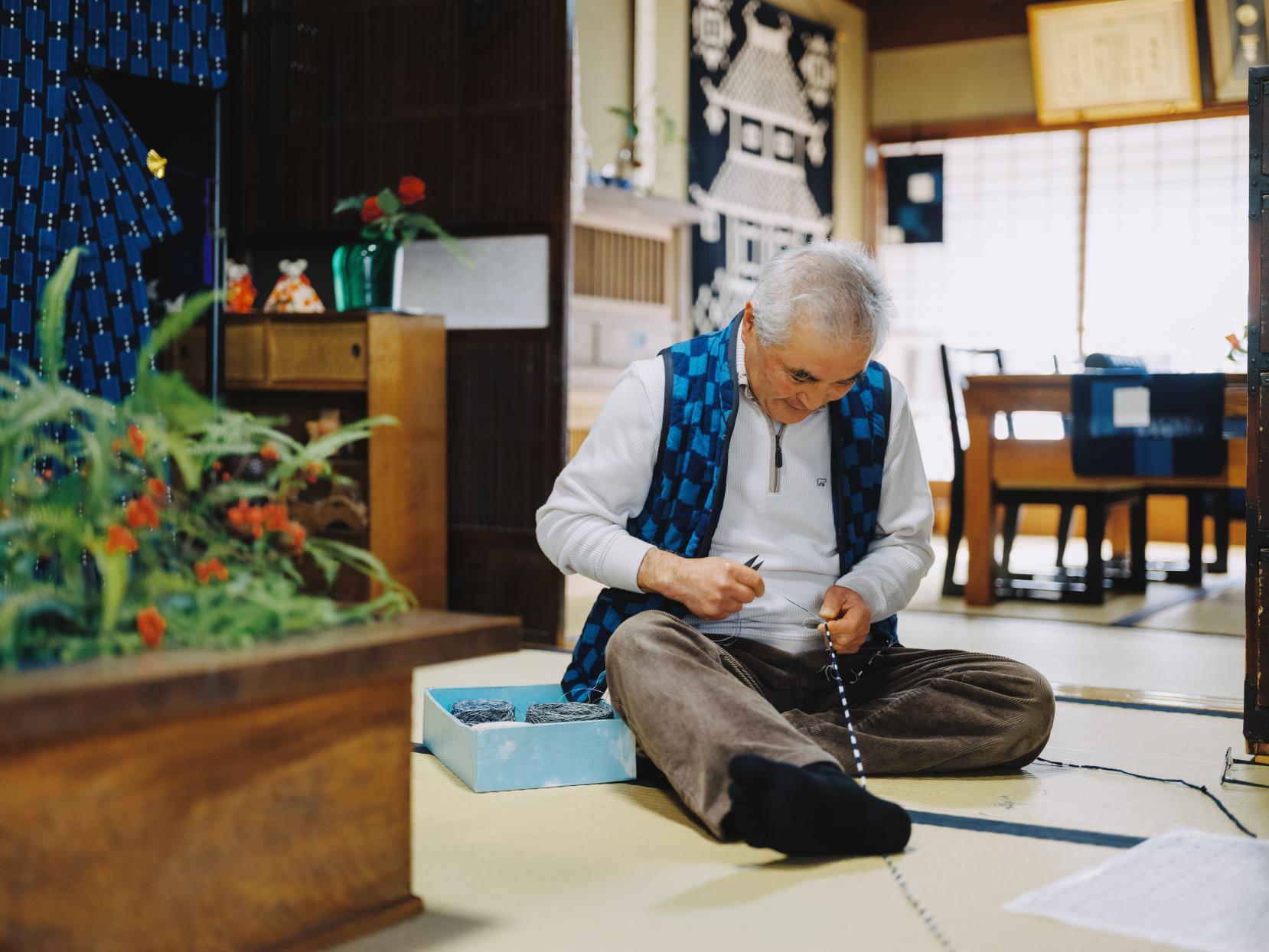
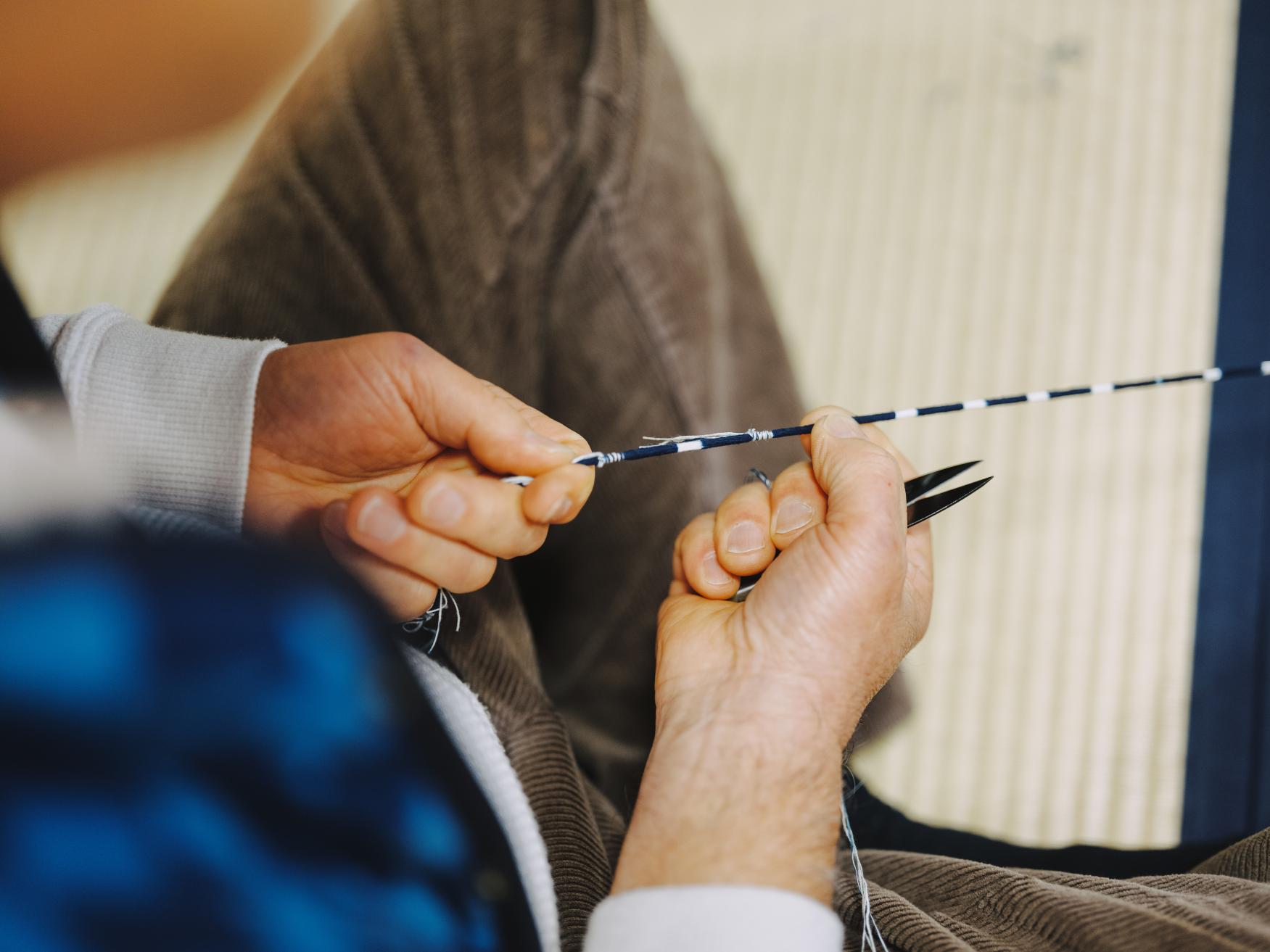
Kasuri is created using a pre-dyeing technique.
Sections of the yarn where patterns are intended to be are tightly bound with thread so that the dye cannot penetrate those areas.
After the dyeing is complete, each of those binding threads is carefully removed one by one, and the hidden pattern slowly begins to appear.
When the patterns of the warp and weft align perfectly, the intended design emerges.
Yet the slight misalignments that occur during weaving sometimes create a soft blur, adding depth and character to the pattern. Calculation and coincidence: Kasuri is crafted in the space between the two.
Why the Fire Beneath the Vats Never Goes Out
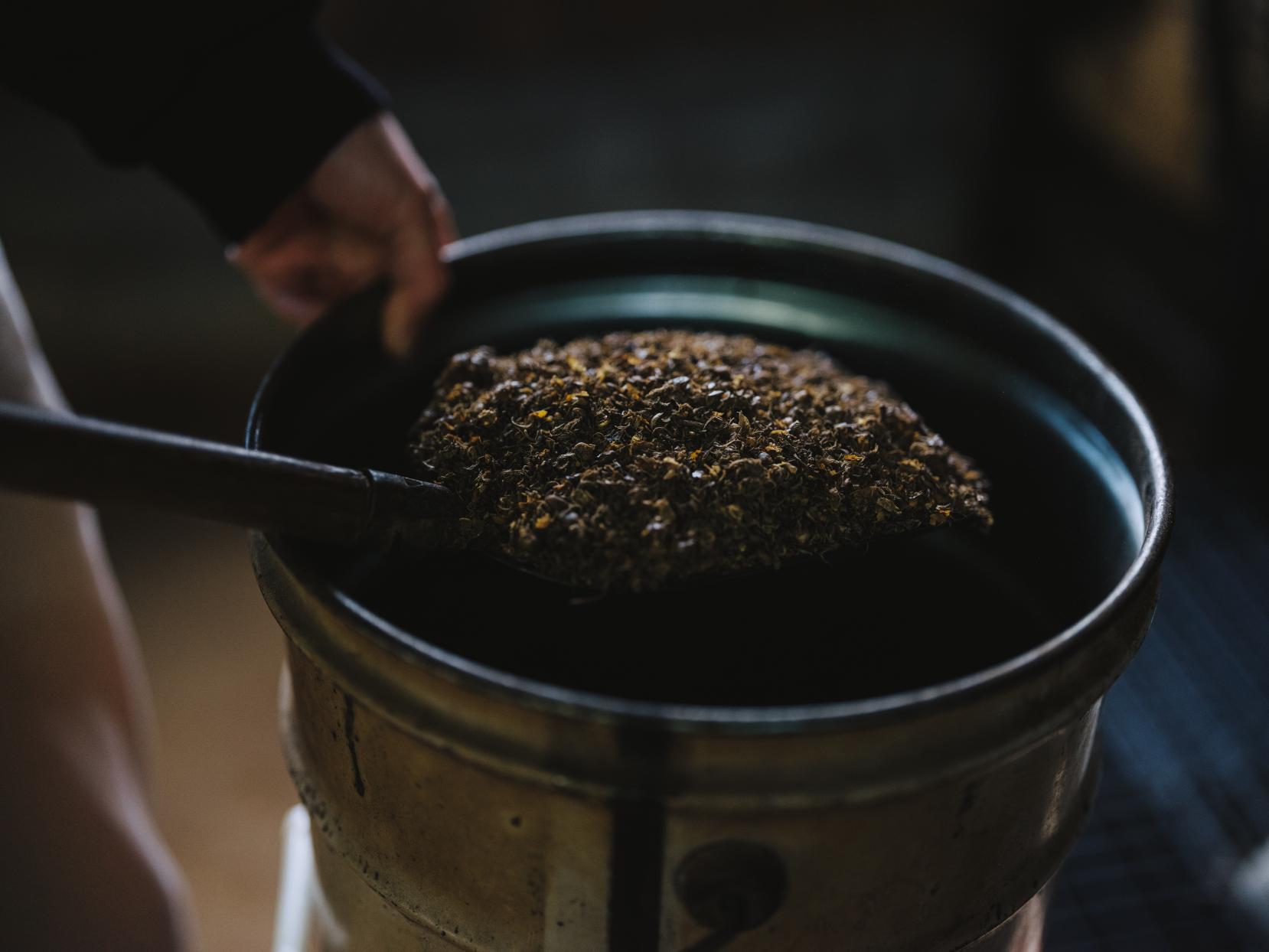
In winter, a fire is lit beneath the indigo vats.
The fuel used is rōkasu, the residue left after extracting wax from the berries of the Japanese wax tree. Once lit, it burns steadily for nearly twenty-four hours.
The vats are kept at around 25°C throughout the year.
Managing the indigo as it ferments is one of the most demanding parts of the process.
“This is how it has always been done,” Kensuke says quietly.
While the vats could be heated electrically, the workshop continues to use traditional methods. Part of the reason is historical: during the Edo period, the Kurume Domain encouraged the cultivation of Japanese wax trees. Behind each piece of kasuri lies a cycle of local resources.
Indigo Is a Living Thing
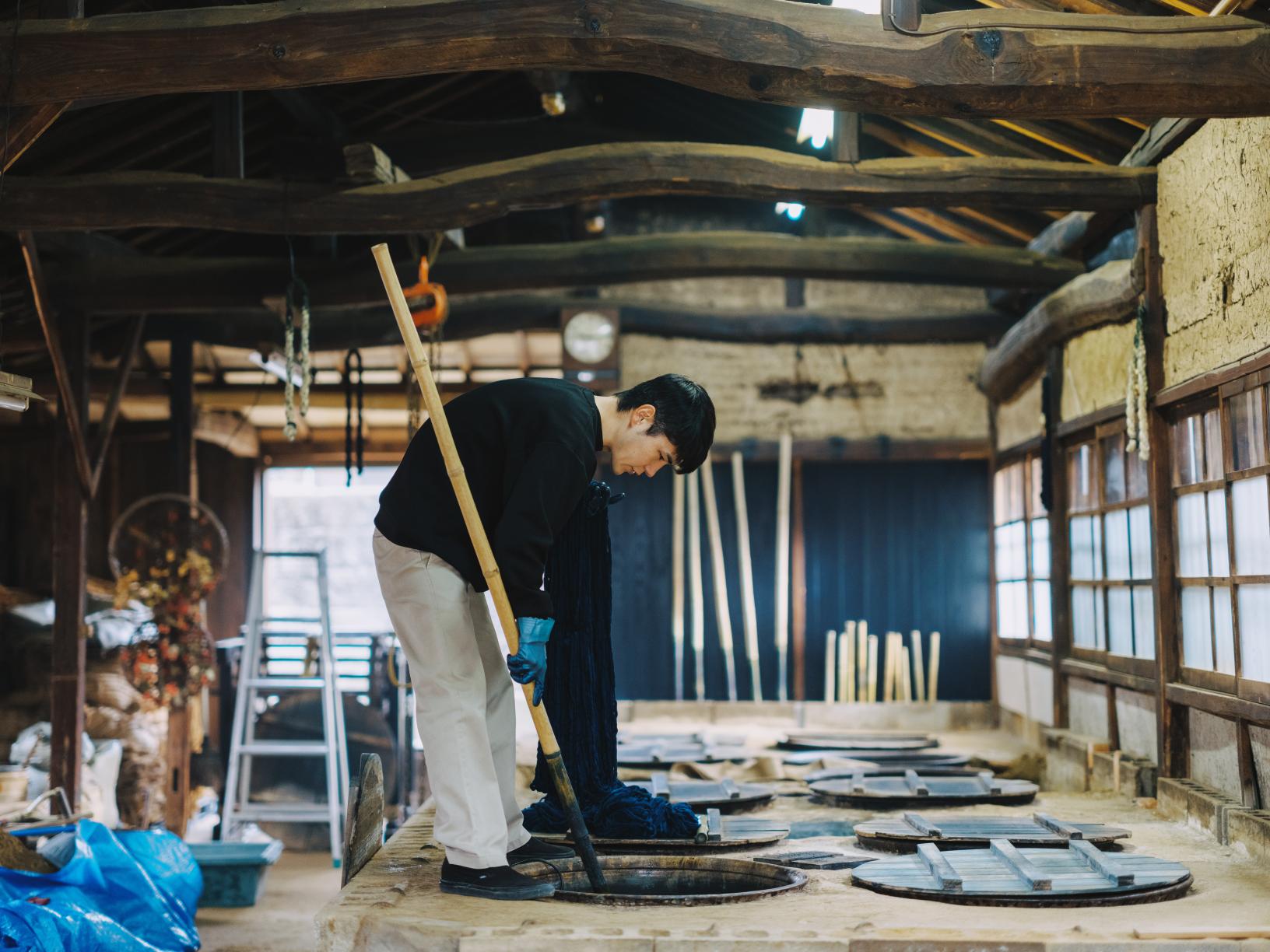
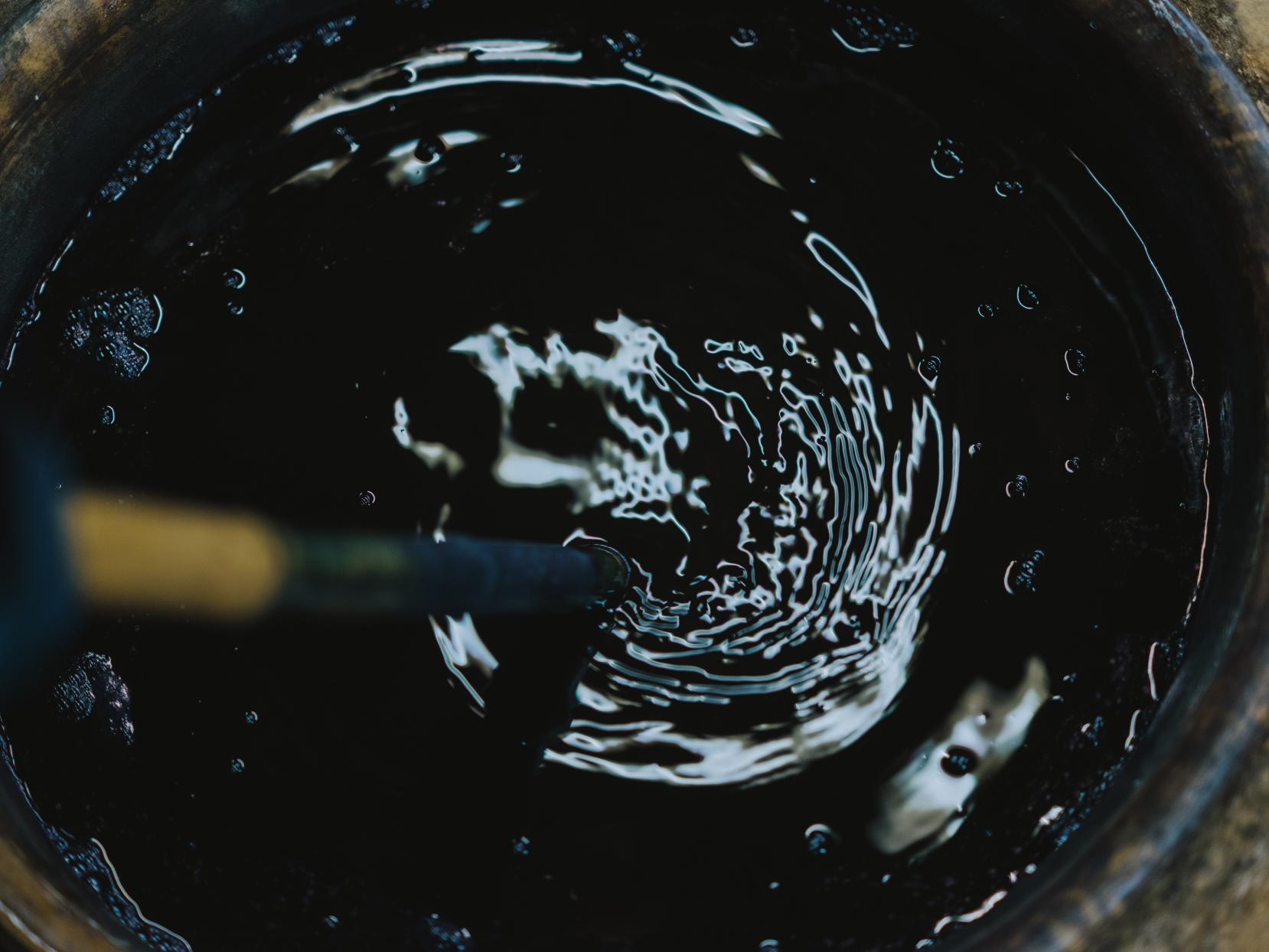
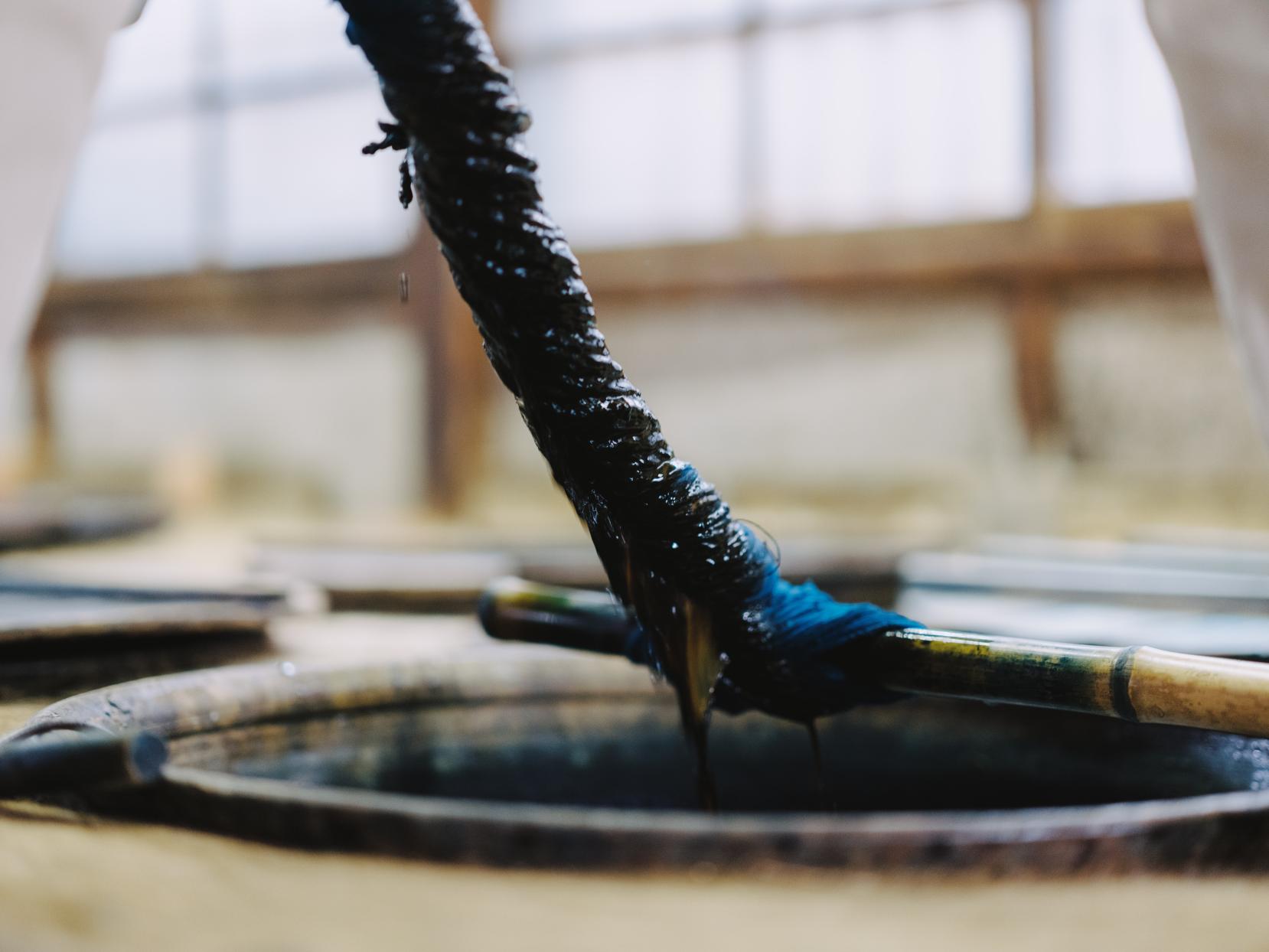
Inside the vats, the indigo appears brown. Yet the moment the yarn is lifted out and exposed to air, it gradually turns blue before your eyes.
The color of indigo is the result of an oxidation reaction triggered by contact with air.
After being lifted from the vat, the dyed yarn is wrung out and struck against the ground. This step sends air deep into the fibers, helping to eliminate unevenness in color and giving the yarn a soft finish.
The dye bath itself is cultivated from fermented indigo leaves known as sukumo, combined with lye, shell lime, and wheat bran. The indigo fermentation process takes about one week in summer and around two weeks in winter. The vats are stirred daily and carefully monitored to keep the microorganisms in balance.
“Indigo is a living thing,” Kensuke says.
In these words lies the quiet understanding that comes from years of working closely with the dye.
A Spirit of Innovation Beneath the Softness
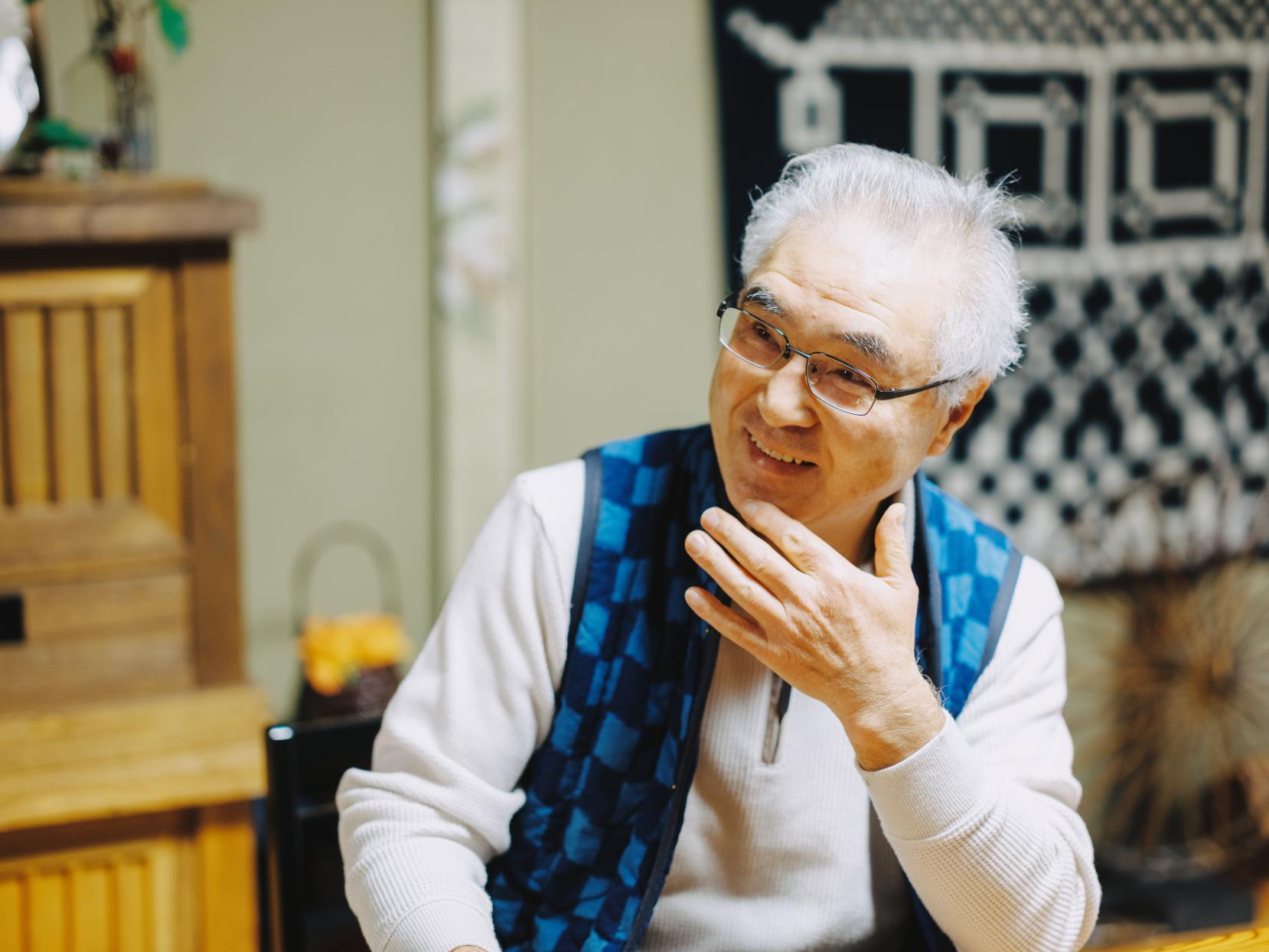

The atmosphere in the Yamamuras’ workshop feels warm, like standing in a patch of sunlight.
Yet beneath that calm lies a firm resolve.
At a time when the industry was largely dependent on wholesaler distribution, Takeshi chose a different path. He decided to show his pieces directly to customers.
By opening the workshop and welcoming visitors to see the process, reactions gradually changed. Fabrics once dismissed with a curt “That’s expensive” began to be met with “Now, I see why.” Moments like that became a source of encouragement, driving Yamamura to continue refining his craft.
To preserve tradition while also changing how it is expressed and shared and to move forward with conviction in what one believes—this quiet spirit of innovation forms the core of the work at Aizome Kasuri Kobo Takeshi Yamamura.
Indigo Kasuri Carrying the Memory of the Land
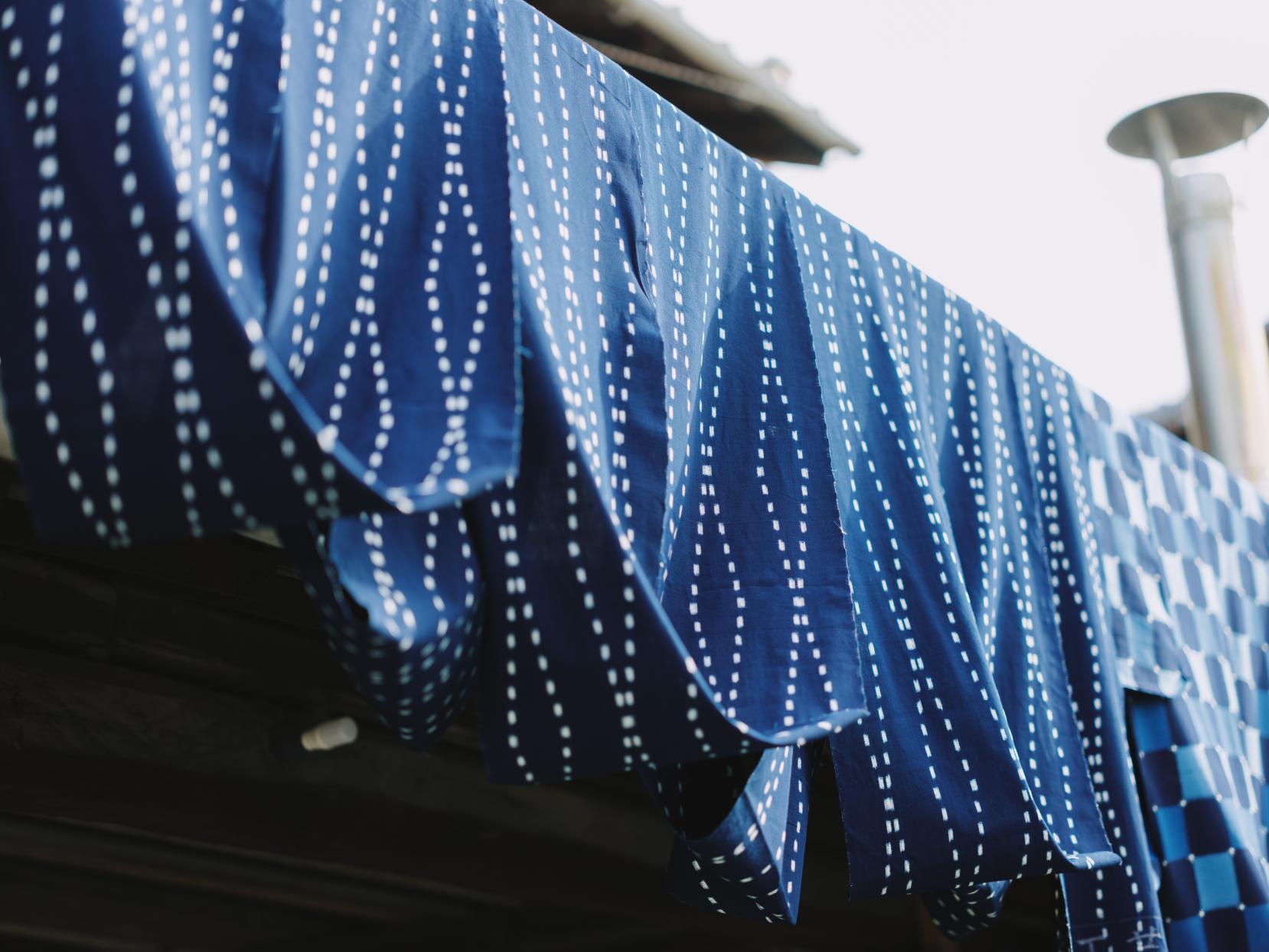


The three members of the family dye, weave, and finish the textiles together.
At a time when specialization has become the norm, they continue to carry out every step of the process with their own hands.
Indigo textiles grow clearer with each washing and more familiar with every use.
Perhaps indigo is not simply providing the color, but transforming the passage of time flowing through this land into the form of kasuri.
The indigo kasuri created by the Yamamura family continues to breathe quietly today.
Share


 Next article for you
-

TIPS FOR TRAVELING IN FUKUOKA PREFECTURE
-
【2025】Your Guide to Fukuoka Prefecture's Best Fall Foliage Destinations
-
Fukuoka Has Onsen Too! A Complete Guide—from Day Trips to Famous Hot Springs
-
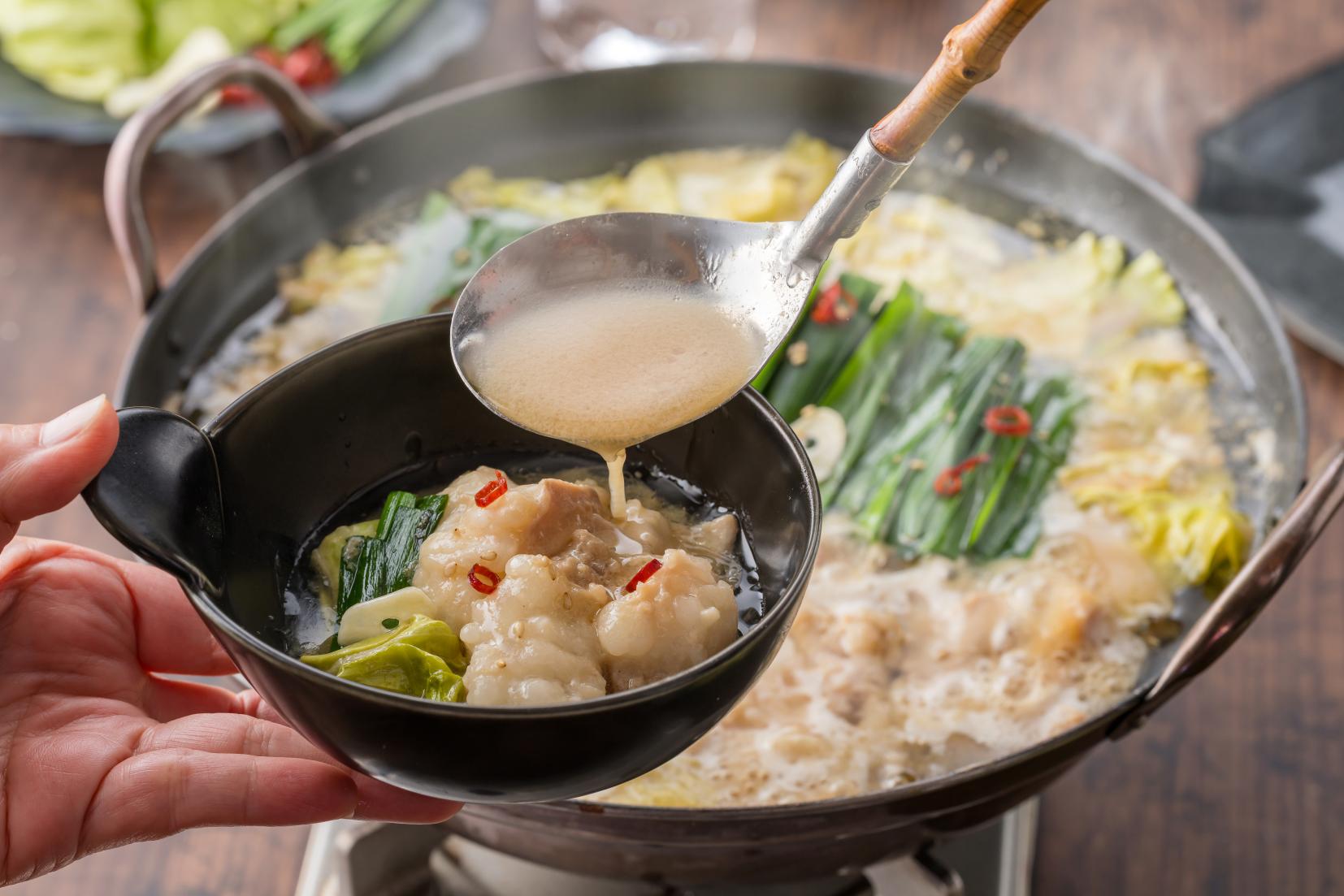
10 Recommended Dishes in Fukuoka! Discovering the Region’s Finest Foods
-
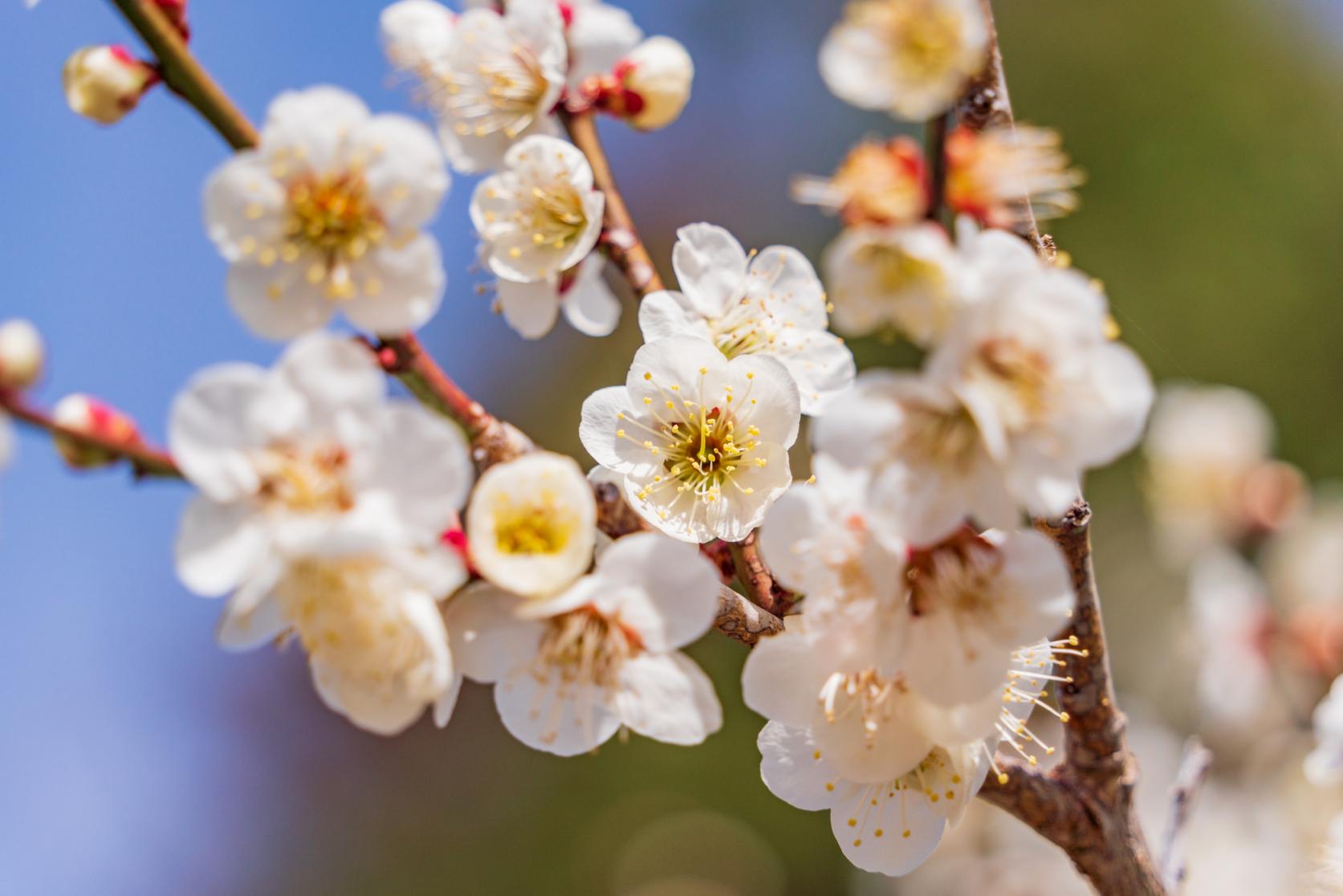
A Guide to Major Tourist Events and Festivals in Fukuoka Prefecture in February
-
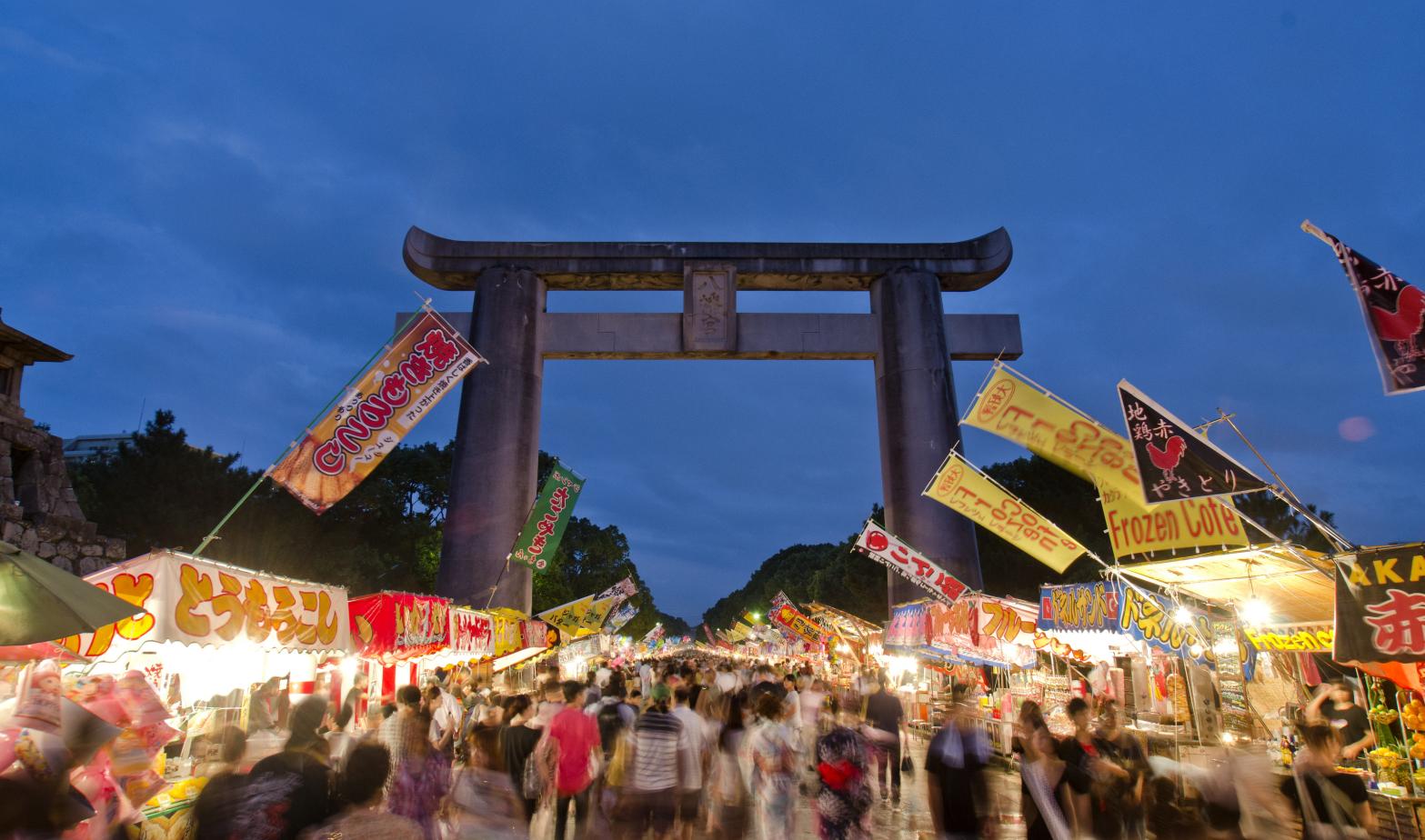
【2026】Major September Events and Festivals in Fukuoka Prefecture
-
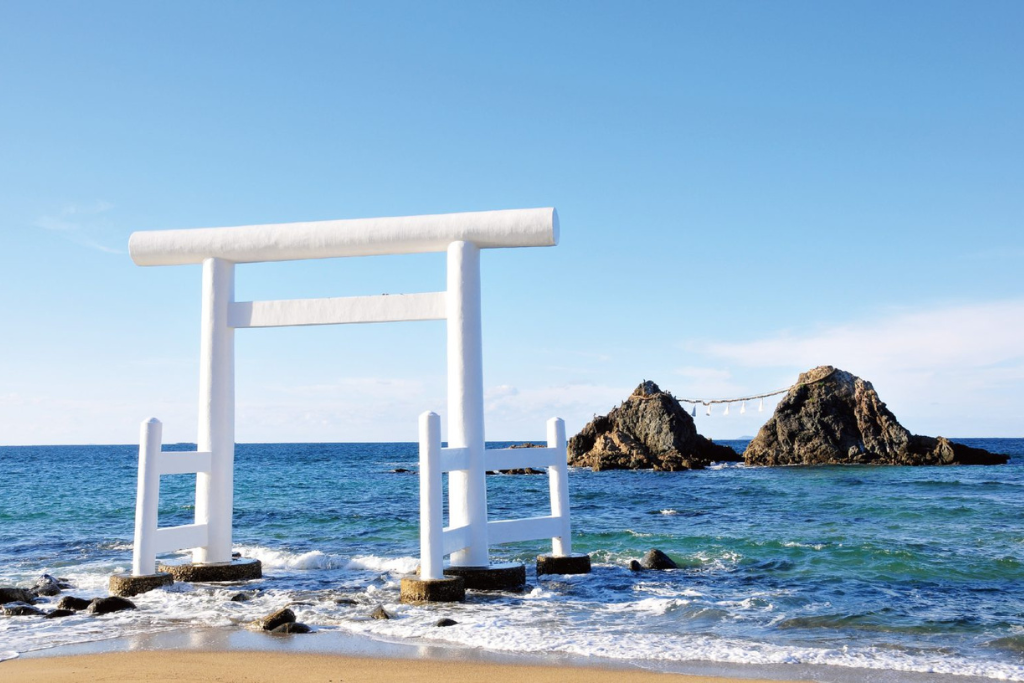
Admiring the Best Scenery that Nature Has to Offer in Itoshima
-
CYCLE FUKUOKA
-
How to experience Mojiko Retro in Kitakyushu
-
10 Recommended Shrines and Temples in Fukuoka!
-
TRADITIONAL JAPANESE CRAFTS OF FUKUOKA ~Present Day Breath-taking Craftsmanship~
-
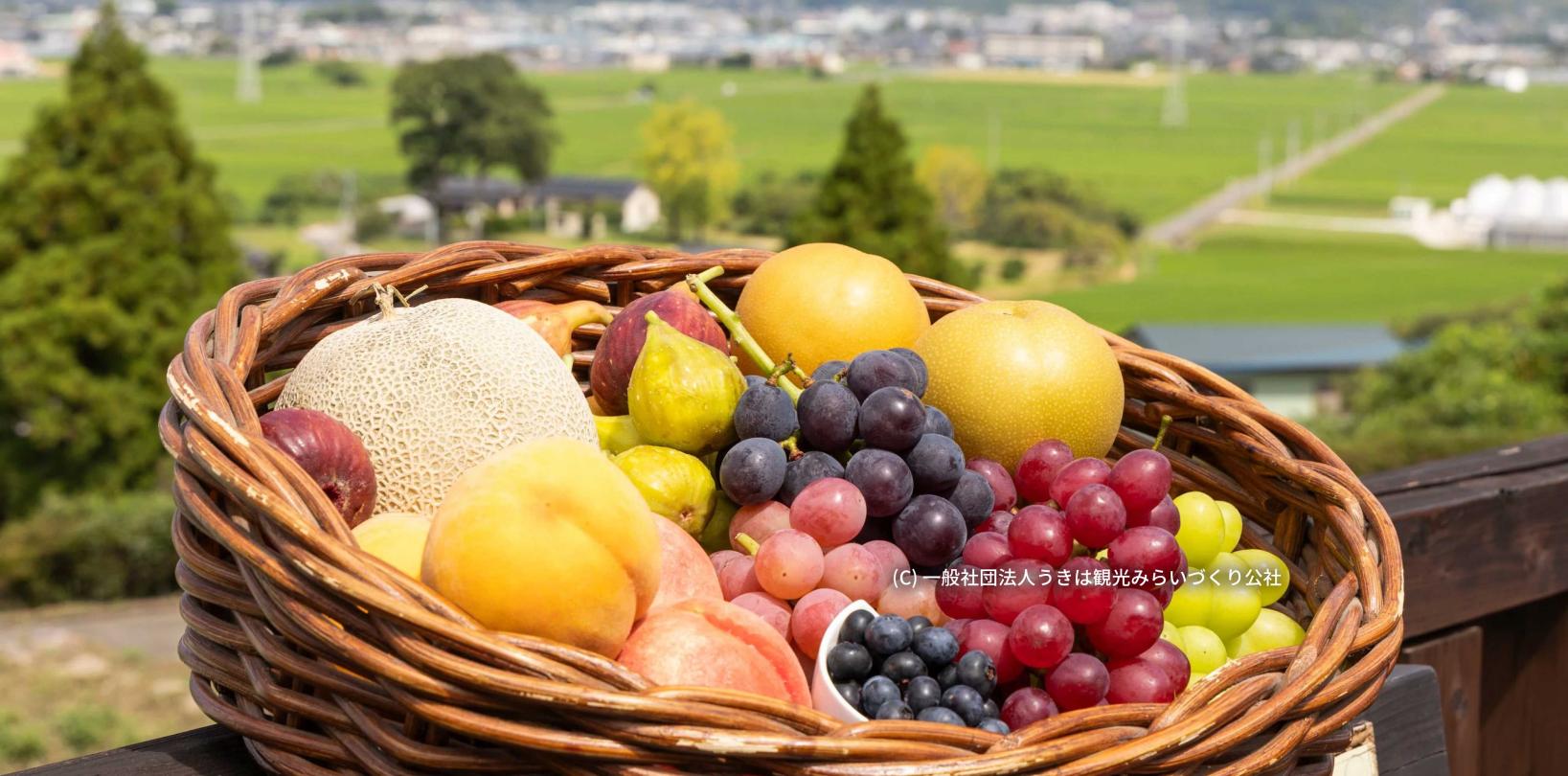
A guide to enjoying fruit picking in Fukuoka all year round! Featuring farms with all-you-can-eat options and attached cafes
-
![[2026] Strawberry Picking Spots in Fukuoka-1](https://www.crossroadfukuoka.jp/storage/special_features/49/responsive_images/9ZHgrqvQdpH8tM4IRF54DXu0aPBF3YGGkj5WOTGc__1673_1115.jpg)
[2026] Strawberry Picking Spots in Fukuoka
-

Kids will love it too! Recommended spots for family trips in Fukuoka Prefecture
-
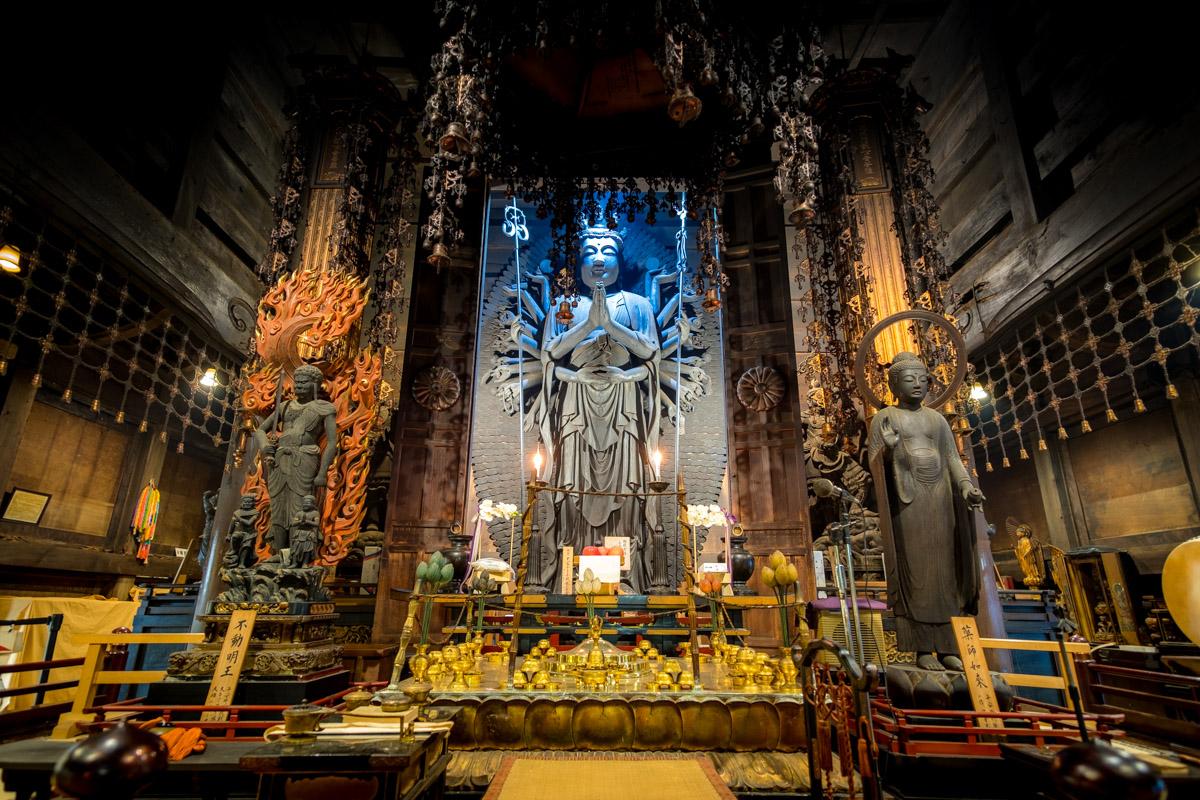
Raizan Sennyoji Daihioin Temple:
-
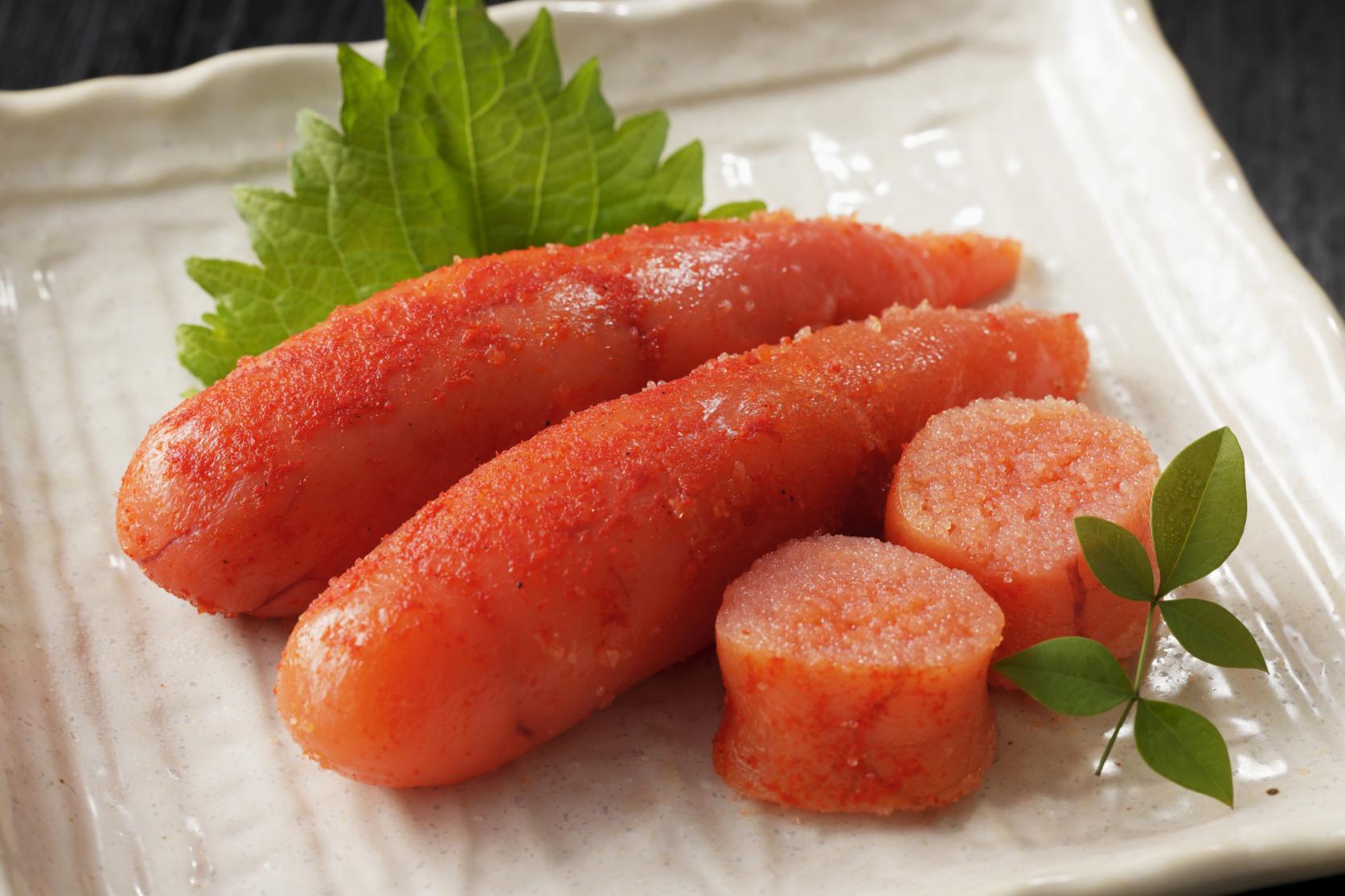
Fukuoka Prefecture is the place for enjoying the best mentaiko! Featuring lunch spots, hands-on experiences, and gifts
-
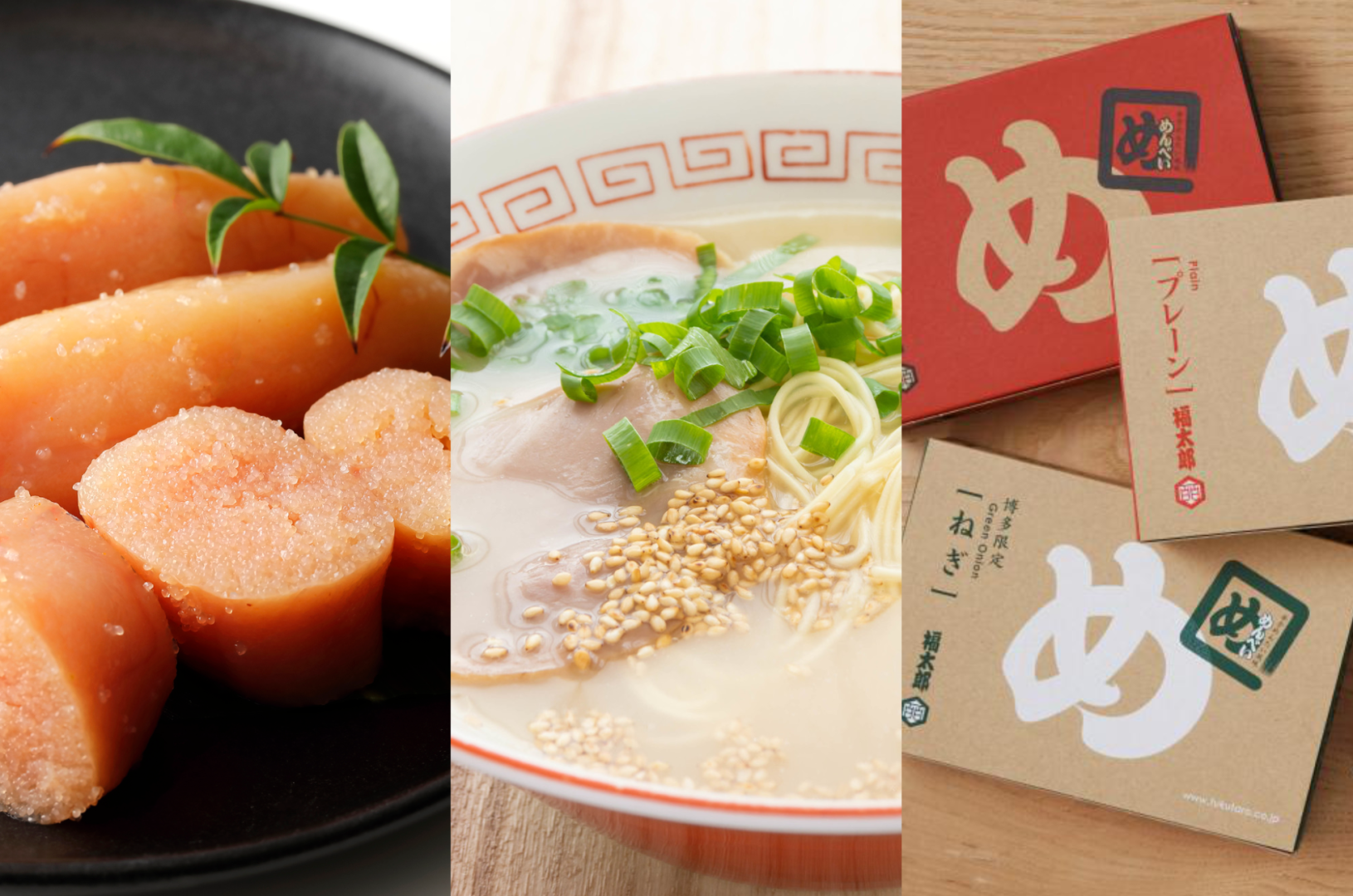
Here are the most popular souvenirs of Fukuoka that you won’t want to miss!
-
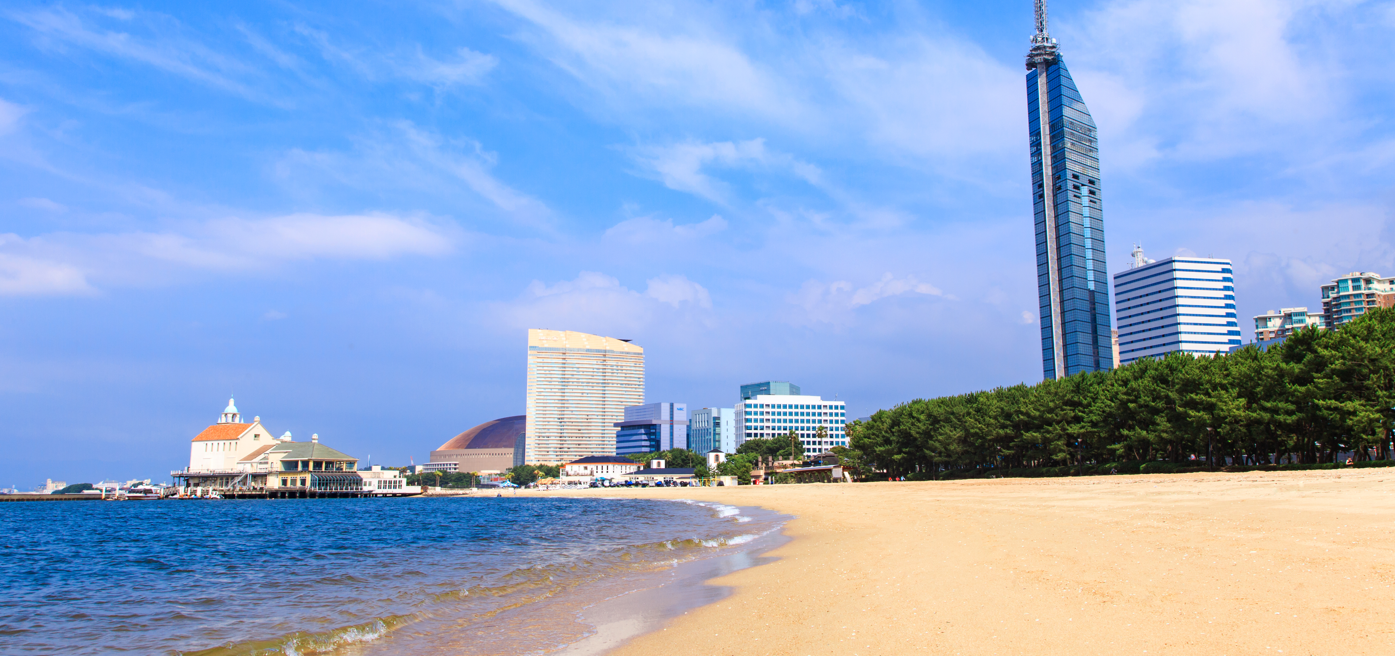
Local Life in Fukuoka City: Art, Beaches and Coffee
-
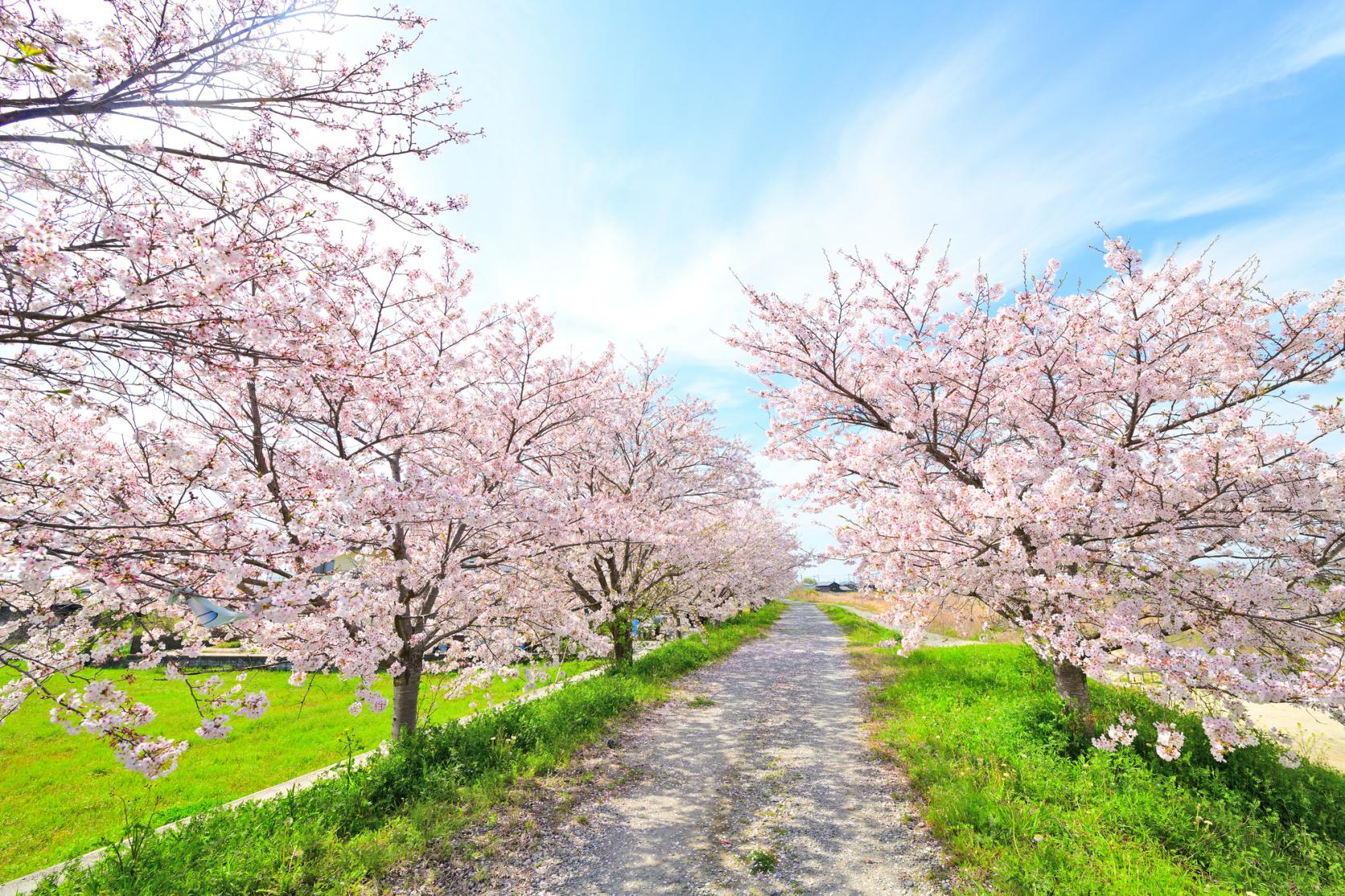
【2026】The Best Places to See Cherry Blossoms in Fukuoka
-
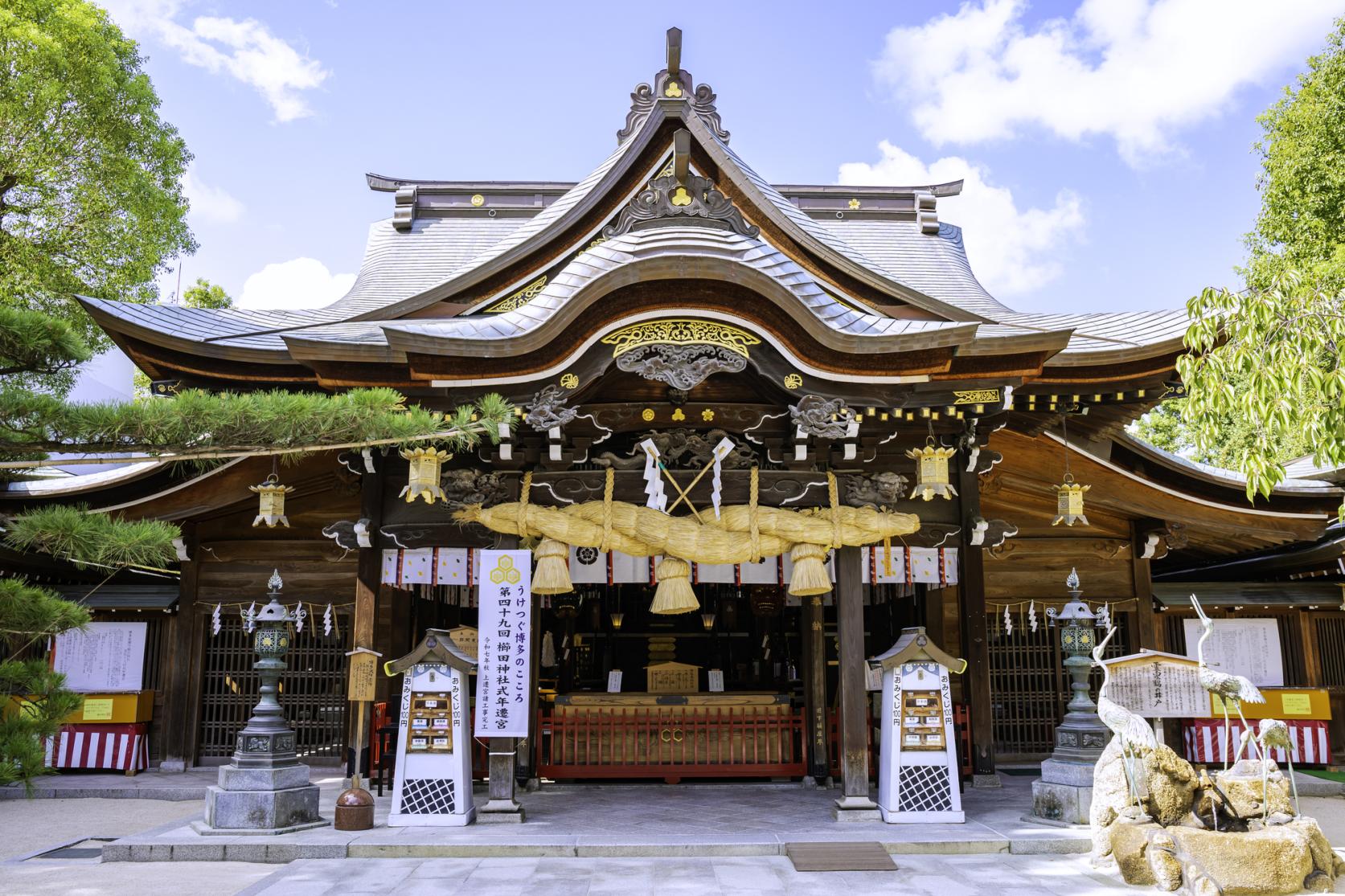
What is Kushida Shrine, the guardian shrine of Hakata? A comprehensive guide to highlights, goshuin, and access information
