

 Highlights
 Sample Itineraries
 See & Do
 Experience
 Events
 Plan a Trip
 Transport
 Local Life in Fukuoka City



![[Traditional Crafts] It All Starts with Kasuri: Exploring The Future of Textiles and a Production Region
Kurume Kasuri Open Factory Program Report|Sakata Orimono-1](https://www.crossroadfukuoka.jp/storage/special_features/725/responsive_images/duvfSeamJ5TR3zoqwqYTxZL2C9QUcNhgUOBcVRF4__1631_1223.jpg)
[Traditional Crafts] It All Starts with Kasuri: Exploring The Future of Textiles and a Production Region
Kurume Kasuri Open Factory Program Report|Sakata Orimono
A visit to Sakata Orimono begins unexpectedly with a look at kasuri, or ikat textiles, around the world.
Rather than framing Kurume Kasuri as a purely local tradition, the introduction places it within the broader culture of kasuri culture found worldwide. This broad perspective, together with Mr. Sakata’s lighthearted delivery, leaves a strong impression.
CEO Kazuo Sakata is someone who treats kasuri as a starting point for exploring new possibilities for textiles and the future of the production region itself. Collaborations with brands such as Nakagawa Masashichi Shoten and with painter Ichiro Yamaguchi have garnered attention, and visitors to the workshop can also see a rare tying machine used in the production process.
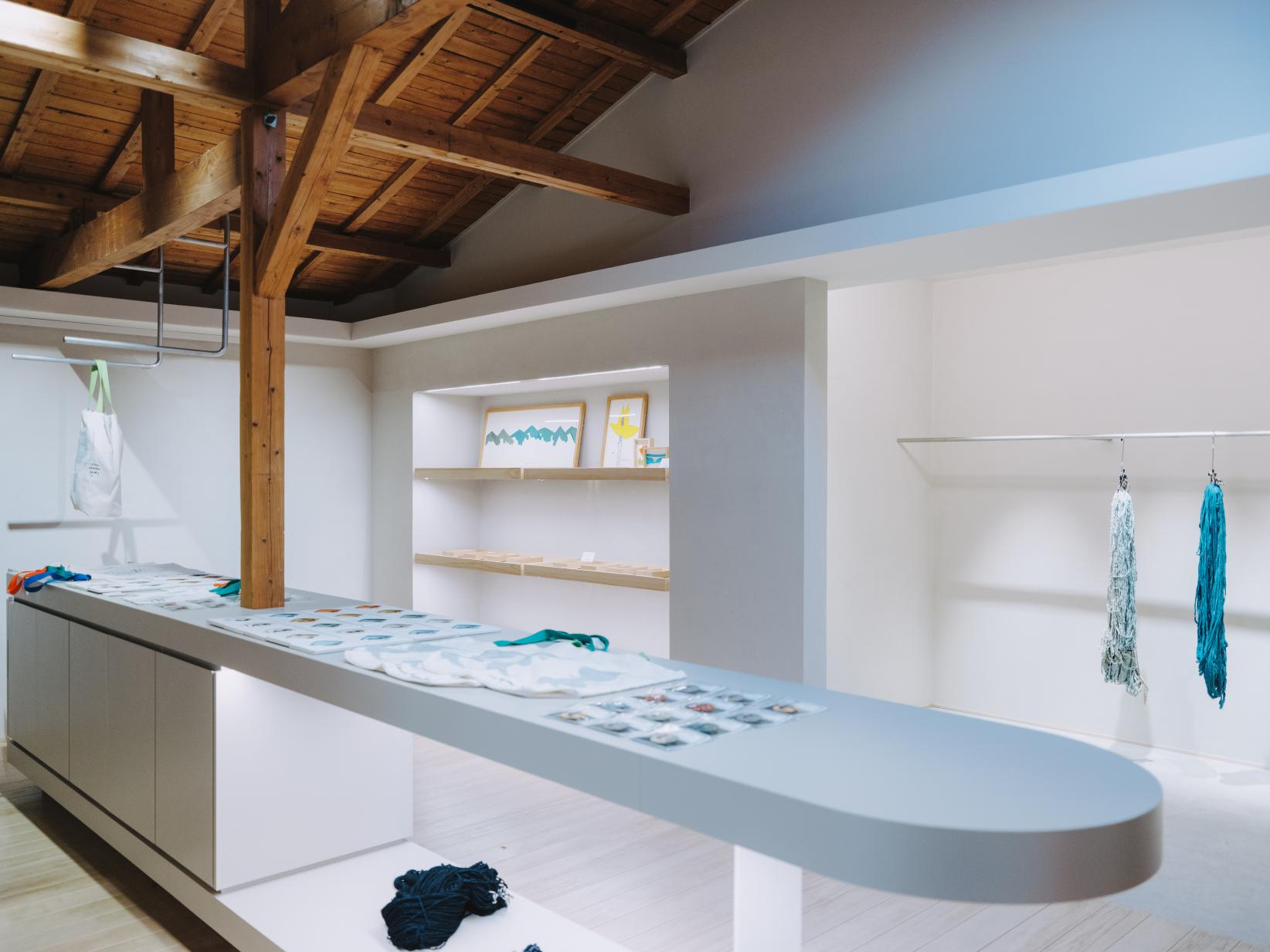
With a café and shop on site, the workshop feels almost like a “theme park for Kurume Kasuri.” The experience begins with a sense of fun, gradually guiding visitors toward a deeper understanding of the craft’s essence.
Workshop Information (Address, Tour Details, Experiences, etc.)
Sakata Orimono
Address: 602 Naganobu, Hirokawa Town, Yame-gun, Fukuoka Prefecture
Tel: 0943-32-1417
<Open Factory>
Tour Content: Learn about a wide range of topics from kasuri culture around the world to the Kurume Kasuri process.
Required Time: Approx. 40 min.
Fee: ¥2,000
Shopping: Fabric bolts, cuttings, clothing, and accessories are available for purchase.
Souvenir: three Kurume Kasuri magnets.
Other: Cafe and shop on site
<Experience>
Program Details: After touring the workshop, you will indigo-dye a plain Kurume Kasuri stole woven by Sakata Orimono.
Required Time: Approximately 1.5 hours
Fee: ¥10,500
How to Apply
You can make a reservation via the links below (external website)
Reconsidering Kasuri Through the Lens of Global Textile Culture

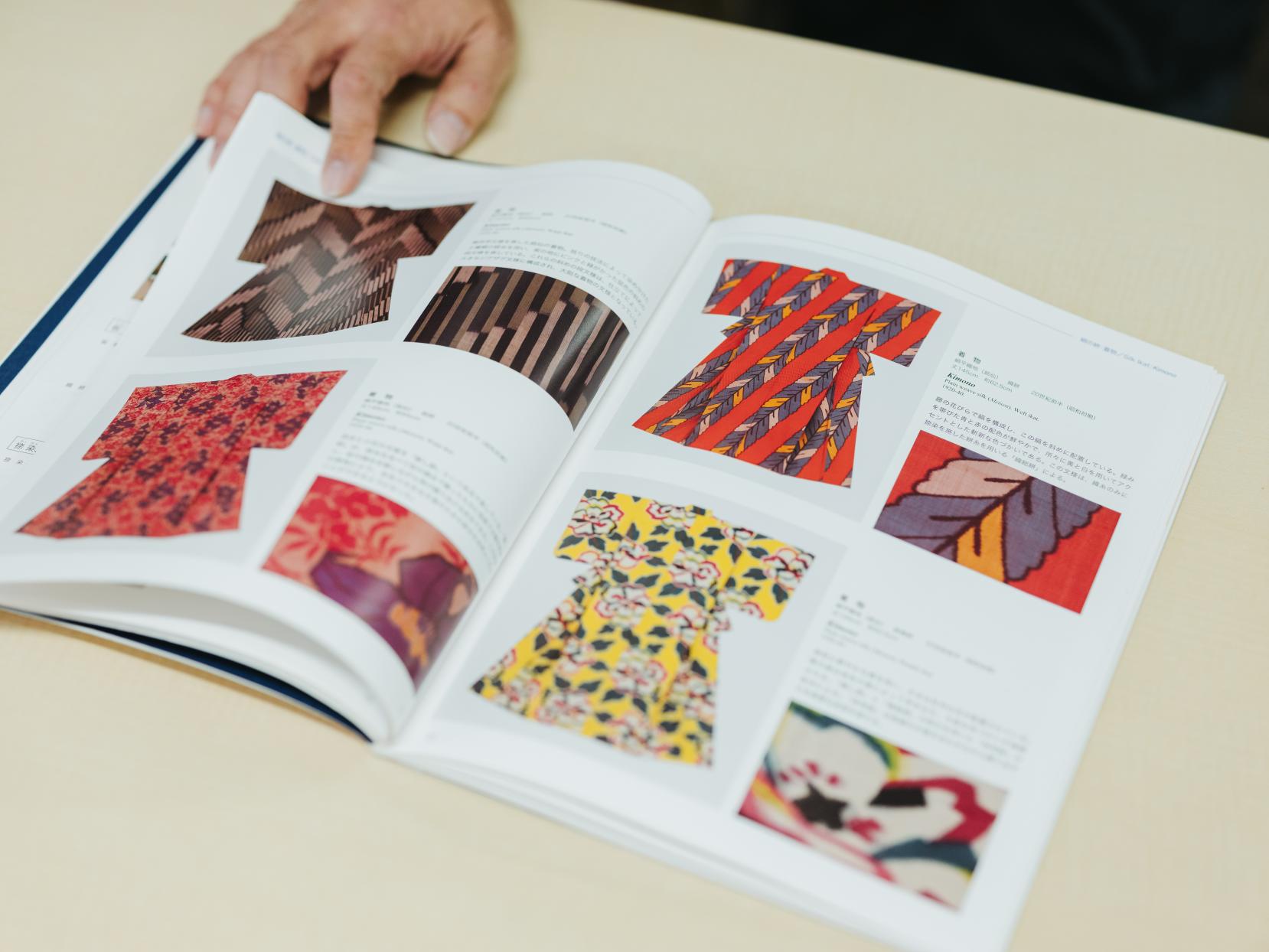
The tour starts with a short lecture.
Rather than simply stating that kasuri is synonymous with Kurume, Mr. Sakata immediately broadens the scope by explaining that kasuri is a technique found in many parts of the world. And the conversation does not stop with textiles.
“That’s why the coffee we serve here is from Guatemala.”
As Mr. Sakata introduces kasuri traditions from around the world, the story naturally flows into the origins of the coffee served in the café. Textiles and food, culture and daily life—crossing these boundaries is what makes Sakata Orimono unique.
Another fascinating point is the idea that kasuri existed in people’s lives even before it was used for making garments. In places like India, there are records of kasuri-dyed threads being worn directly as necklaces or ornaments during coming-of-age ceremonies. Through these stories, it becomes clear that kasuri is not merely a textile technique, but a cultural tradition that has long accompanied people in their everyday lives.
Effectively Communicating the More Than 30 Steps in the Process
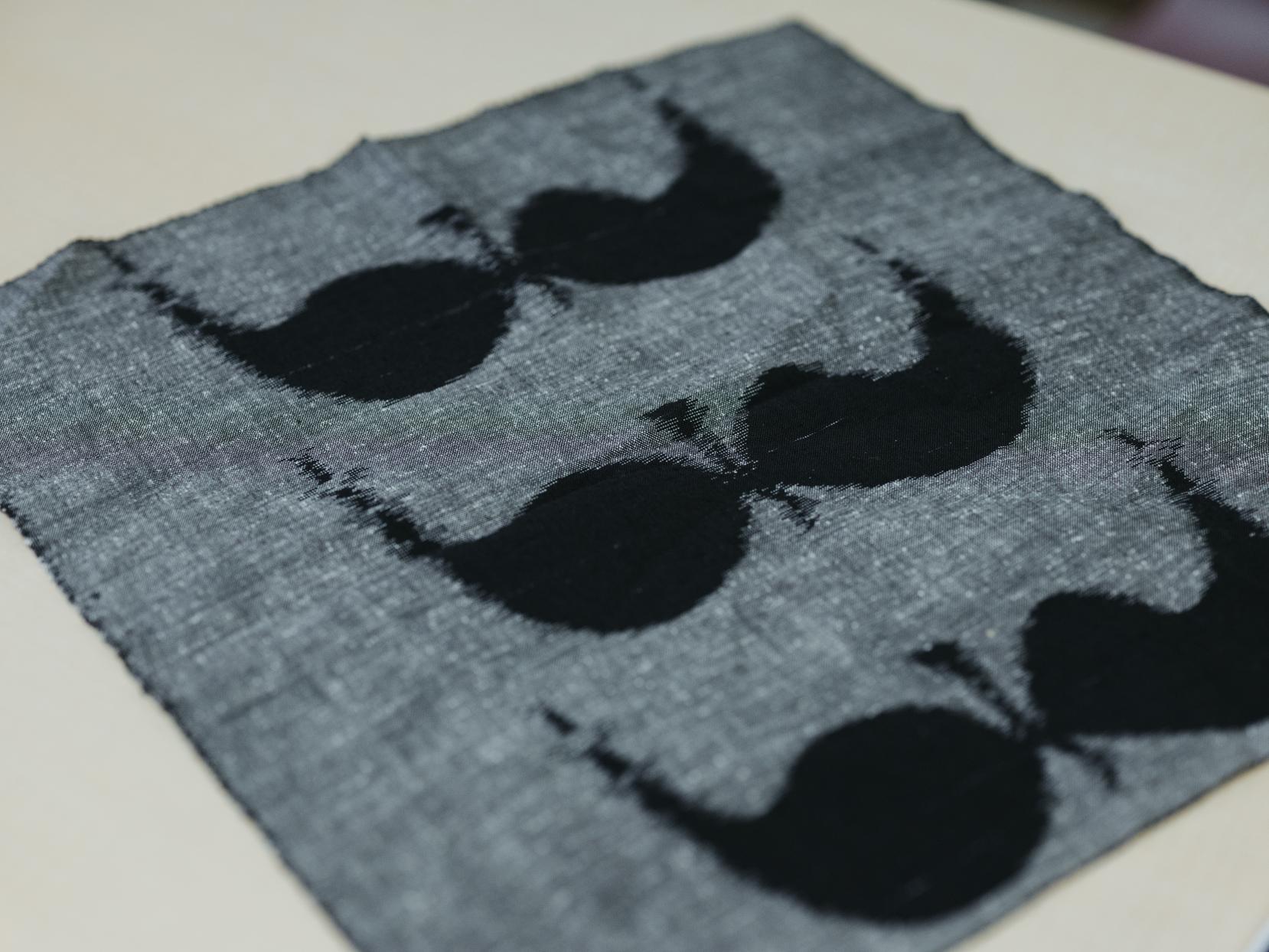
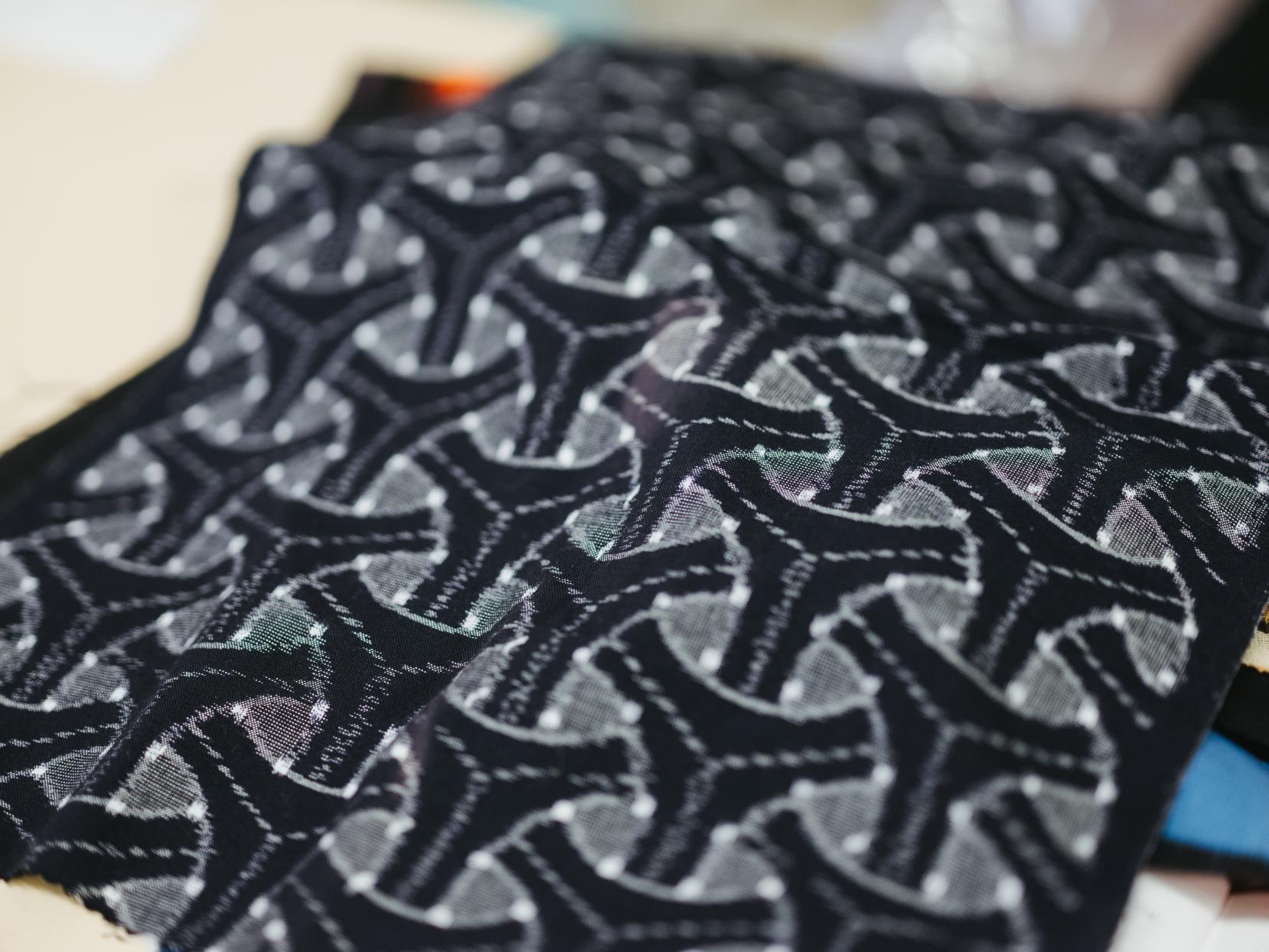
First, Mr. Sakata explains the three main techniques of ikat pattern-making: yarn binding (kukuri), pre-woven resist dye (orijime), and screen printing of yarn (meisen). Although the processes are complicated, his explanation is structured so clearly that even first-time visitors can easily follow along.
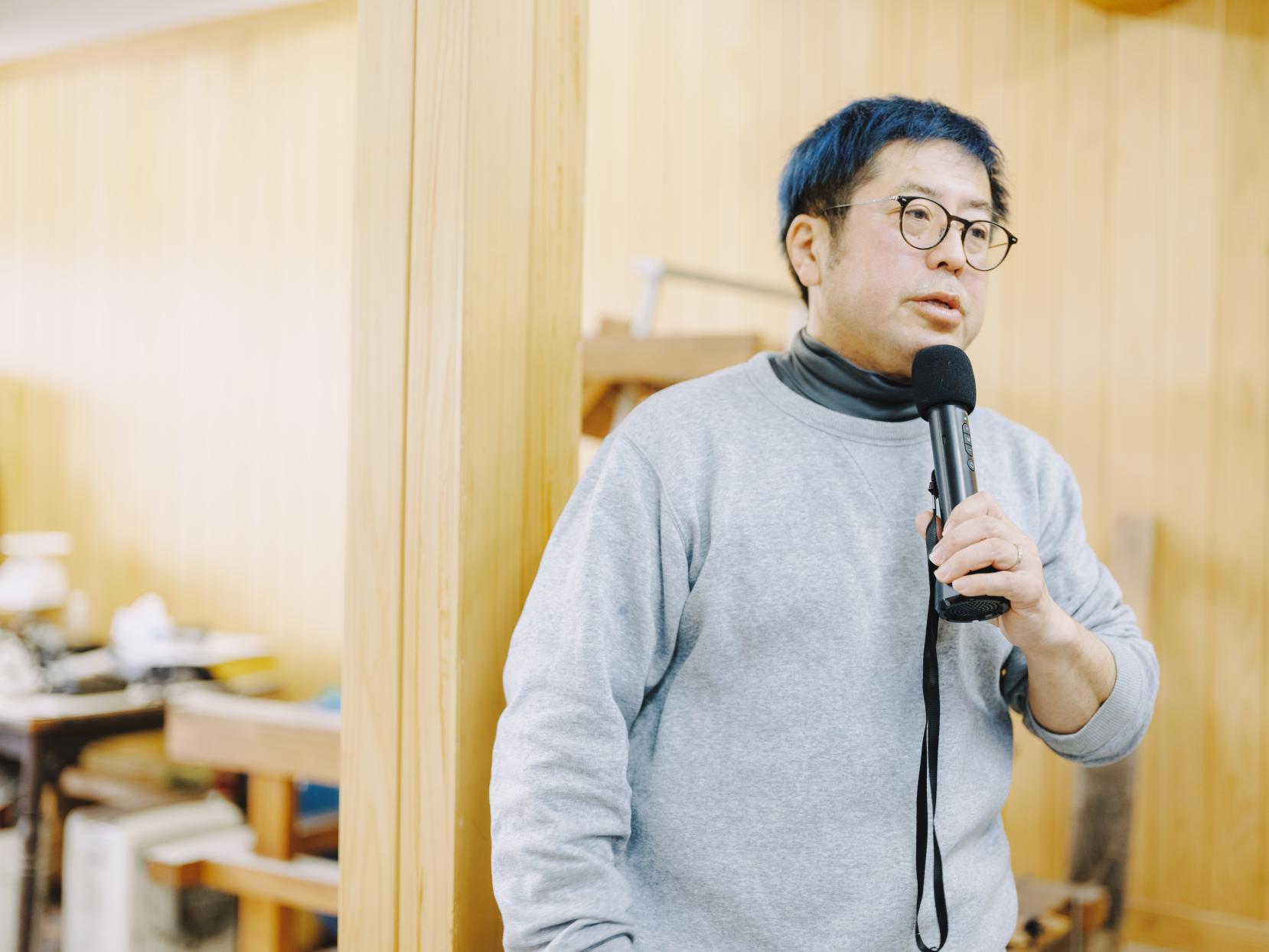
His delivery is light and engaging, and he has a knack for reading the room. The lecture is humorous, and it almost feels like you are watching a life performance.
In fact, Mr. Sakata used to be a comedian, an experience that lives on in his ability to communicate.
Next, he introduces the three types of kasuri fabric: warp ikat (tate-kasuri), weft ikat (yoko-kasuri) and double ikat (tate-yoko-kasuri). Among these, double ikat requires especially advanced skill and is produced in only a limited number of regions worldwide. From this perspective as well, Kurume remains one of the world’s leading centers of kasuri production.
A workshop that continues to operate as a local industry
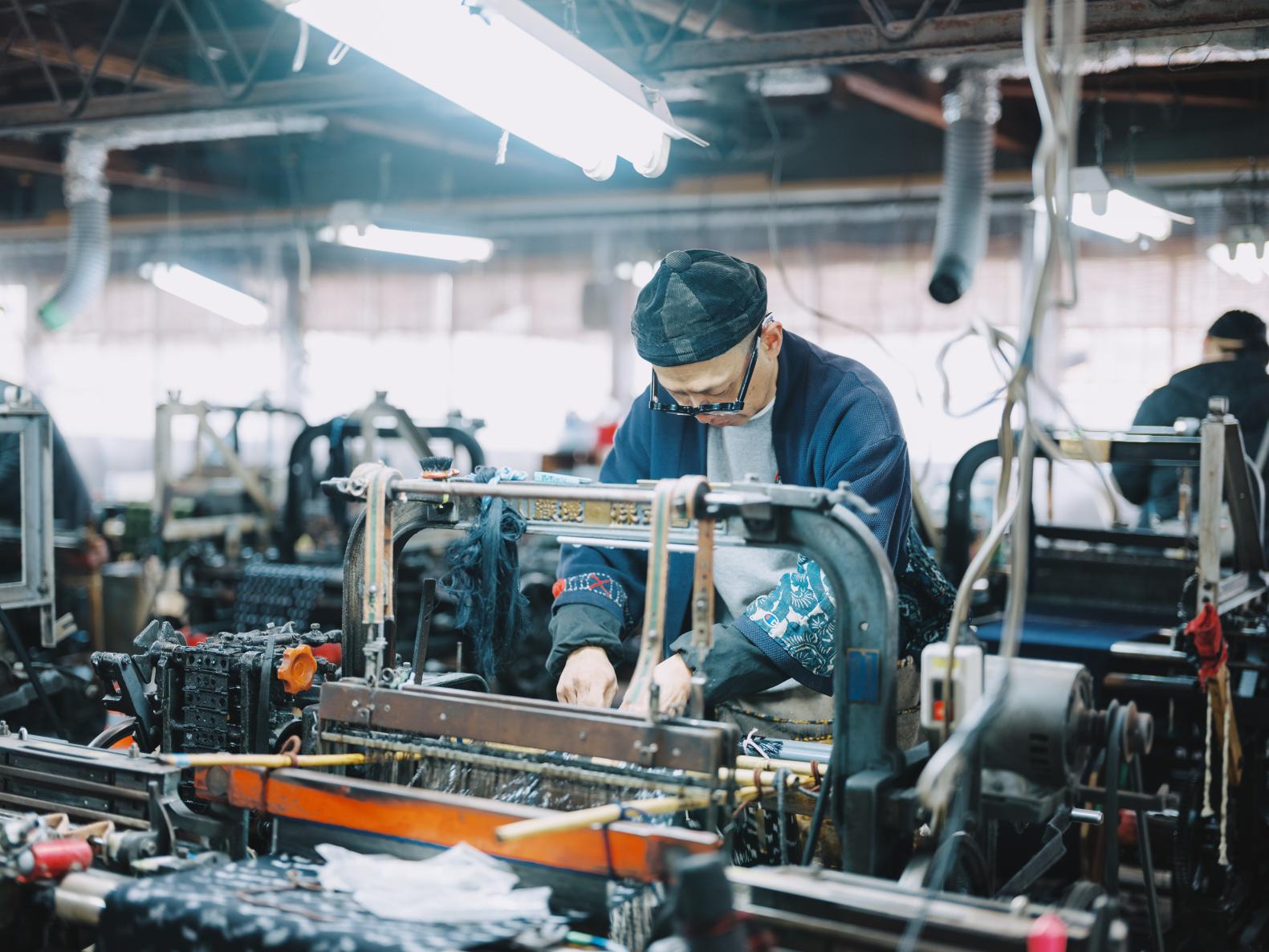
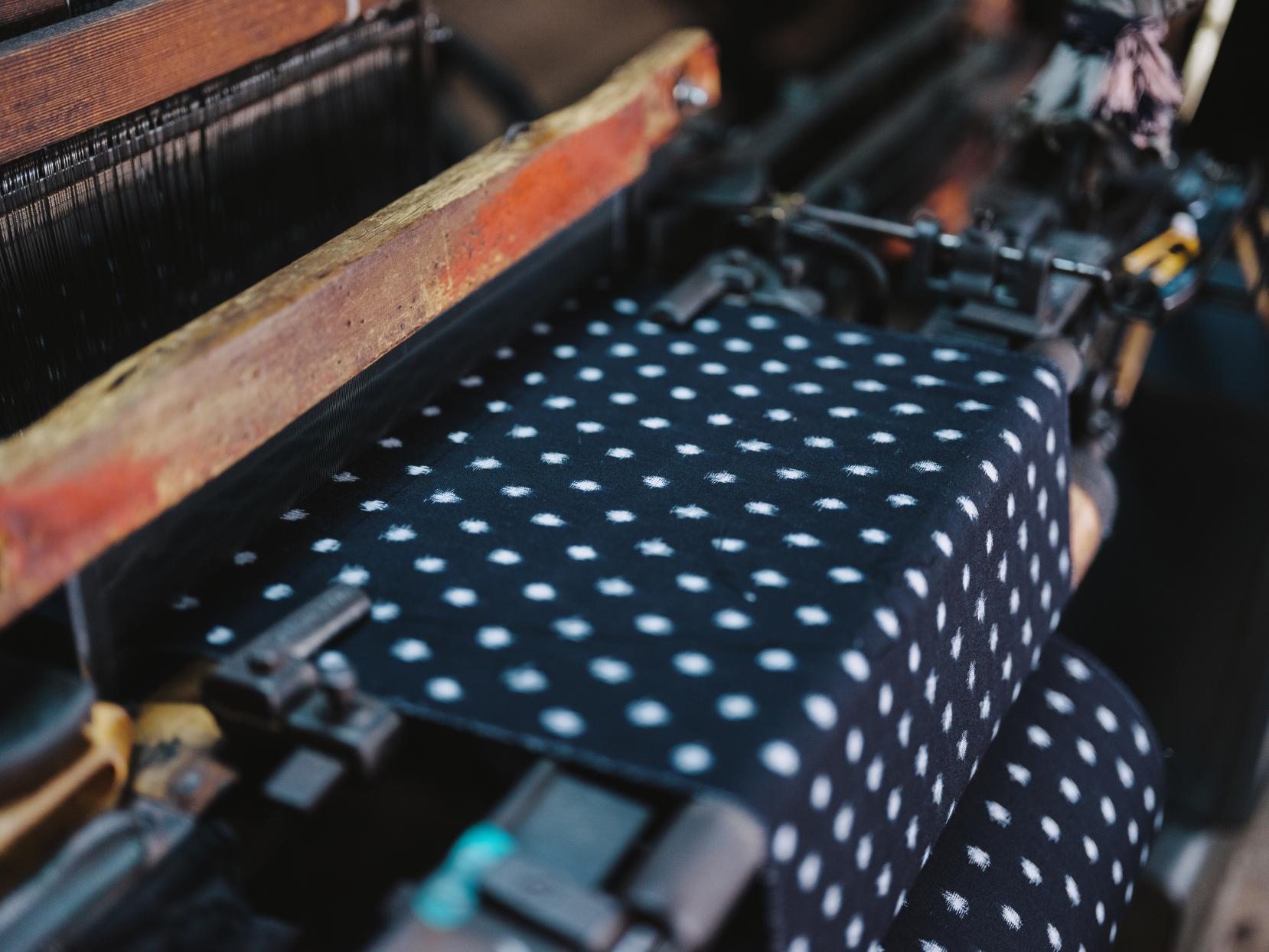

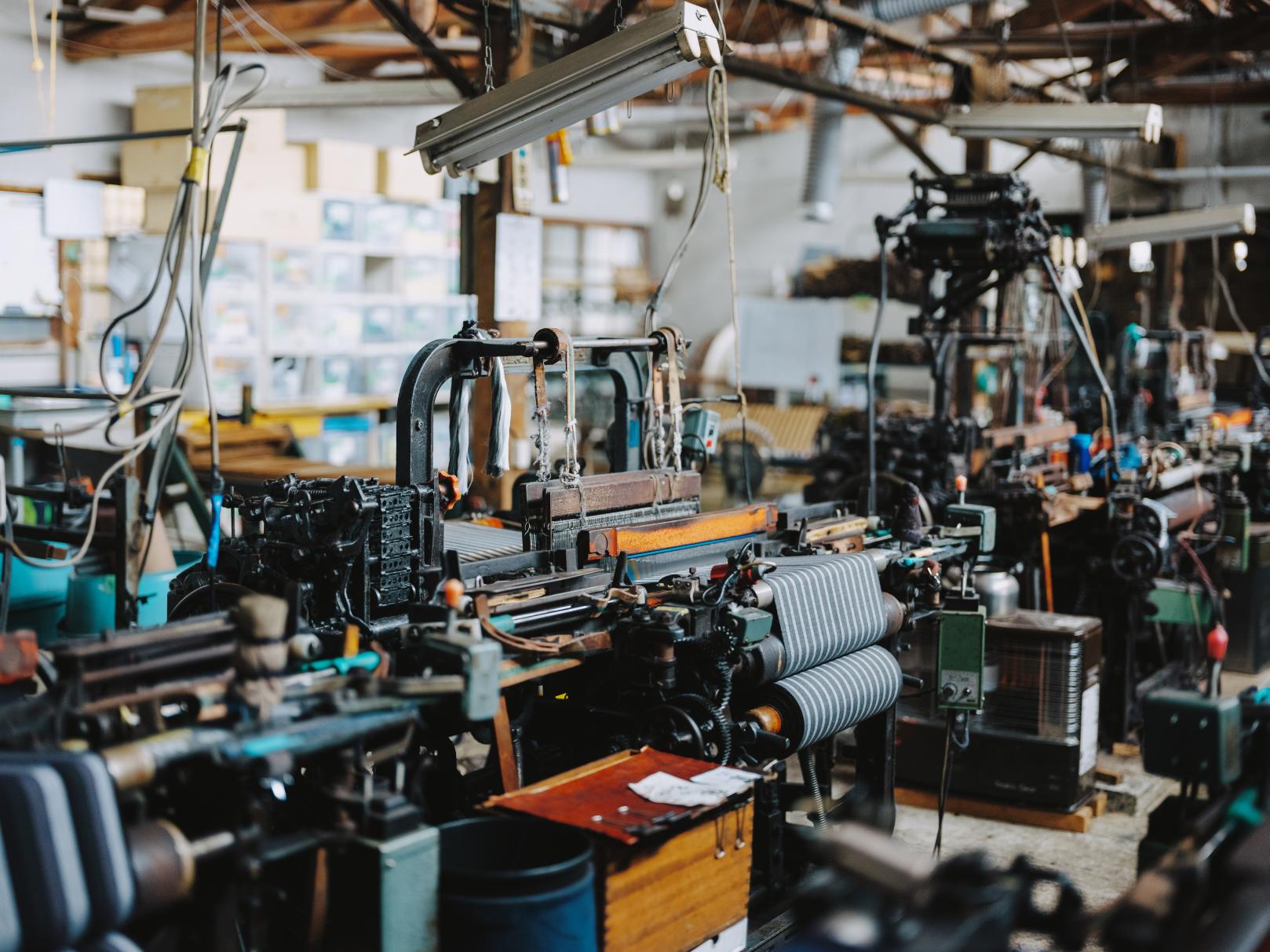
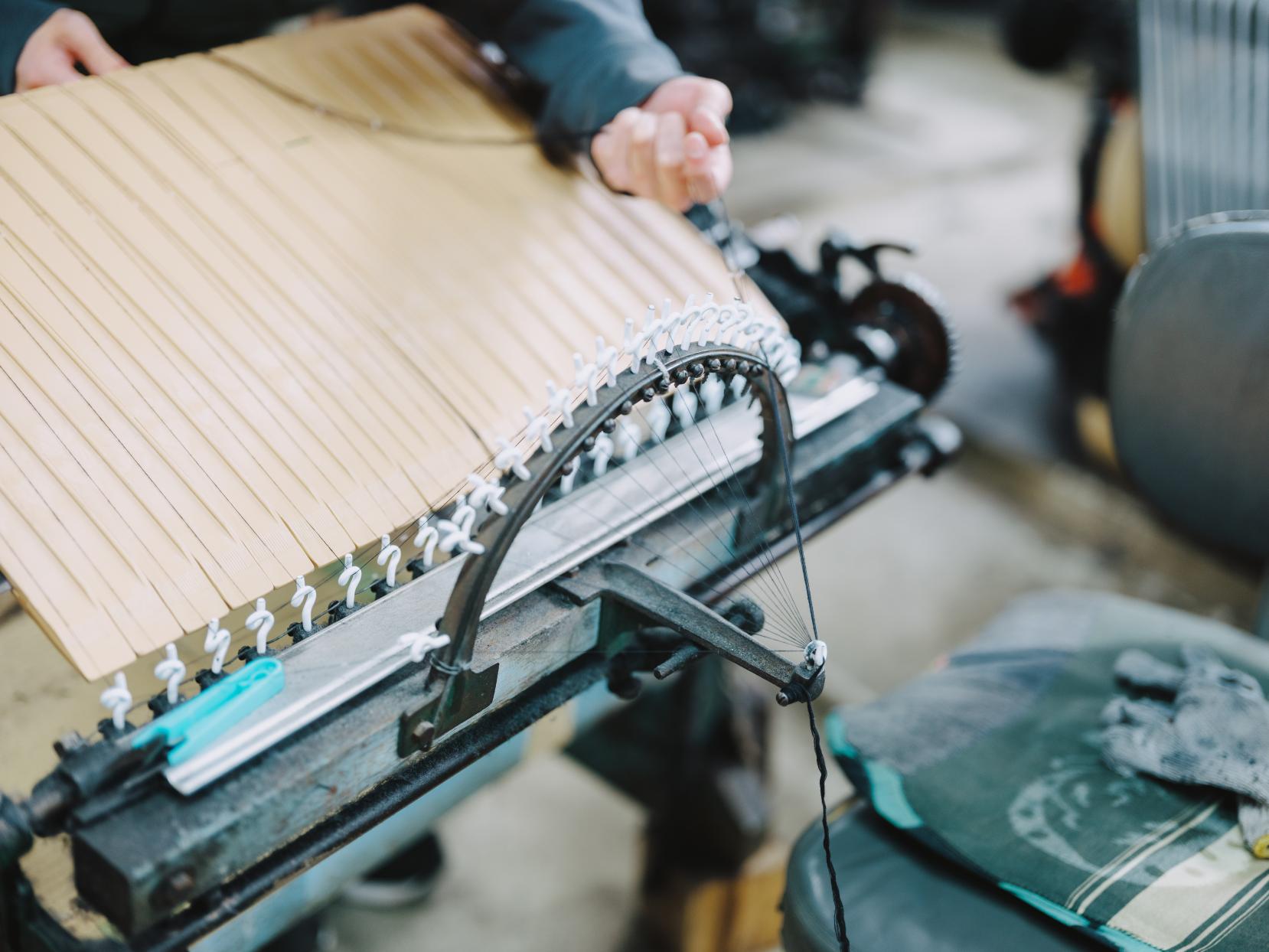
The atmosphere changes drastically when you enter the weaving factory,
where there is a total of 24 looms. Old Toyota automatic looms are still in operation here, with maintenance and even parts repairs carried out in-house.
The workshop produces roughly 400 bolts of fabric per month, accounting for a considerable amount of the region’s production volume.
Here, tradition is not something to be preserved; it is something to be kept alive and passed on to the next generation. This philosophy can be felt naturally in the atmosphere of the workshop.
“Cheese” Dyeing—A Technique Known by Its Nickname
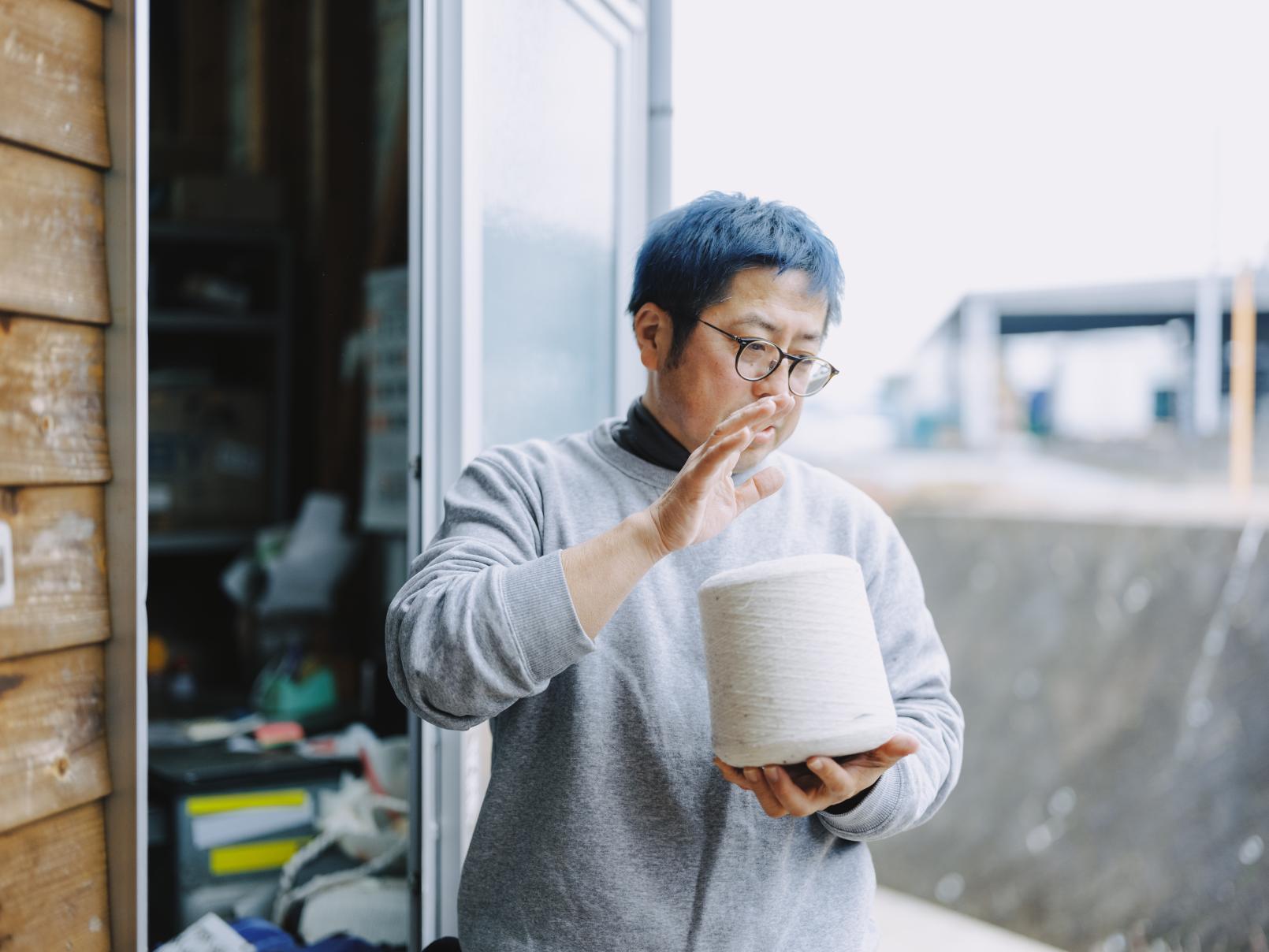


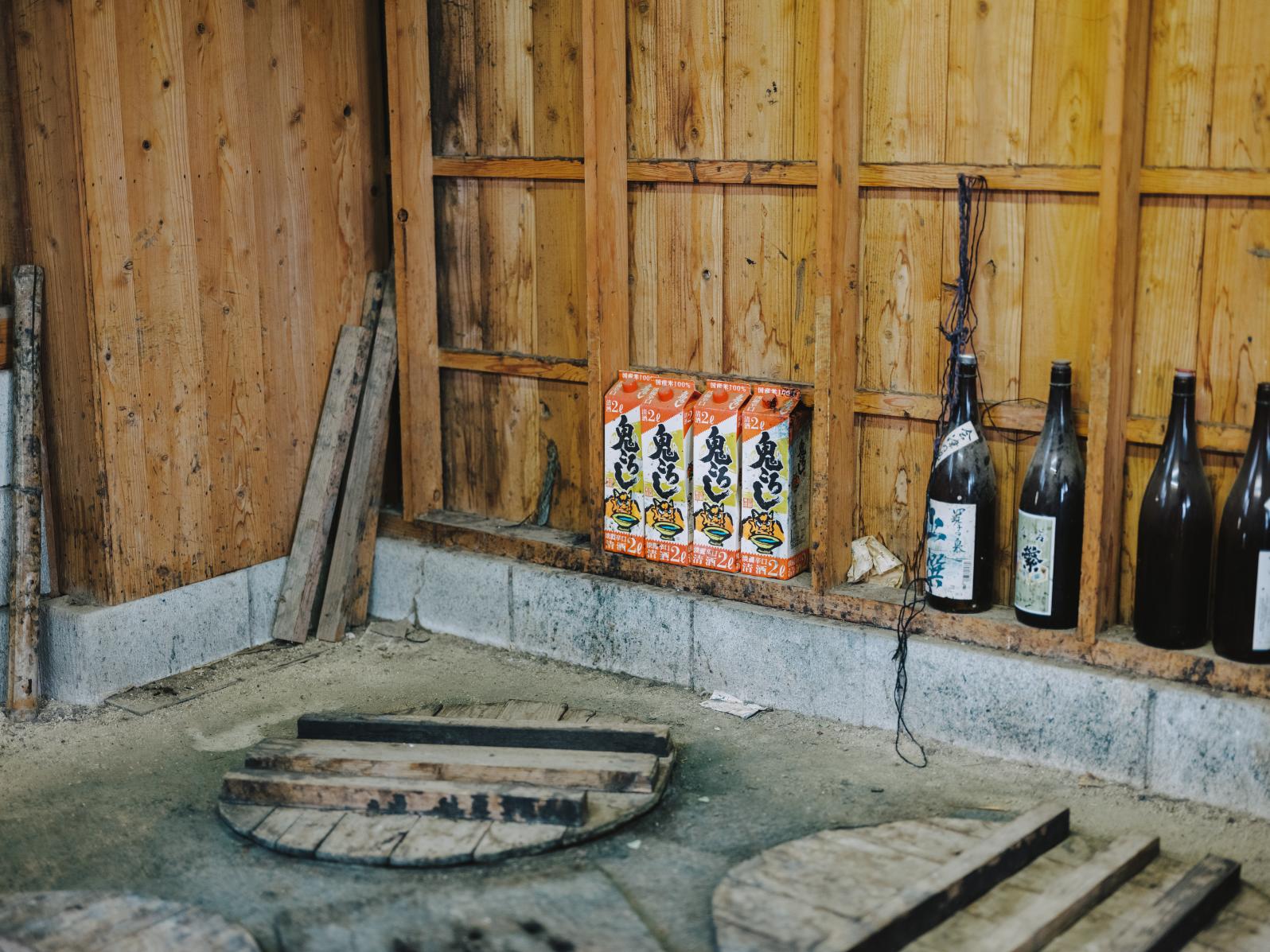
In the dyeing workshop, visitors can also observe the chemical dyeing process.
Thread is dyed while still wound around a spool, and due to its wheel-like shape, this method is nicknamed “cheese” dyeing. By immersing the thread in dye without unwinding it, the process achieves uniform coloration without any irregularities.
Within the production region, Sakata Orimono is the only weaving workshop that does cheese dyeing in-house alongside skein yarn dyeing.
It is a key step that balances the efficiency required for large-scale production with the precision demanded by kasuri textiles.
Here, visitors quickly realize that the romance of handicraft exists side-by-side with a sense of industrial practicality.
Underlying this approach is the belief that kasuri should not remain merely something to wear. By expanding its presence into everyday life more broadly, Sakata Orimono aims to strengthen the value of the production region itself.
An Experience Like a Theme Park
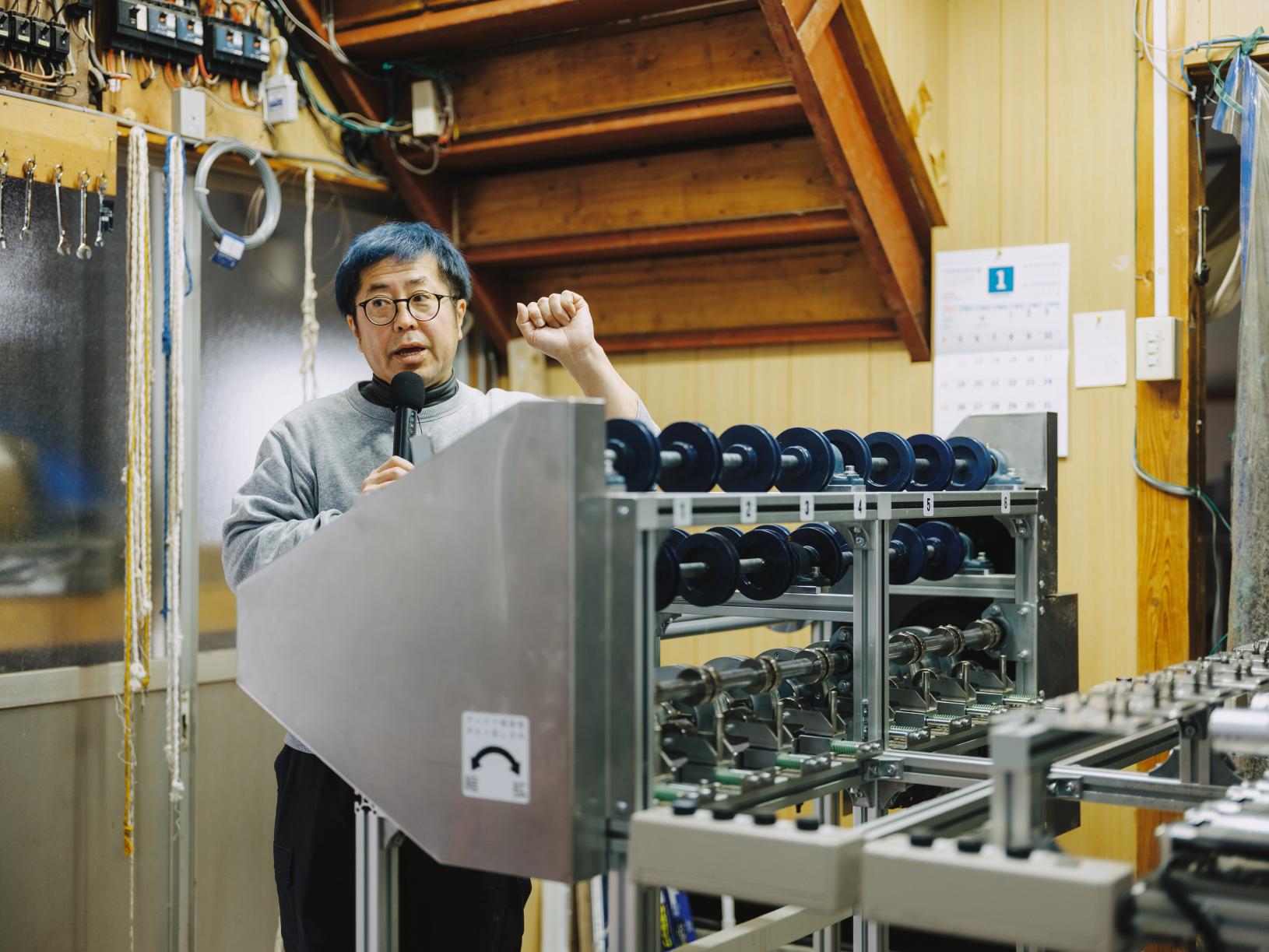



One of the highlights of the tour is the chance to get a close-up look at a rare tying machine that can only be found in few places, including Sakata Orimono.
Mechanizing a traditional technique without hesitation— this bold approach reflects a deep understanding of both sides of the equation: the enduring value of handicraft and the new possibilities brought about by mechanization. This openness to reflects Mr. Sakata’s broad-minded perspective on kasuri culture.
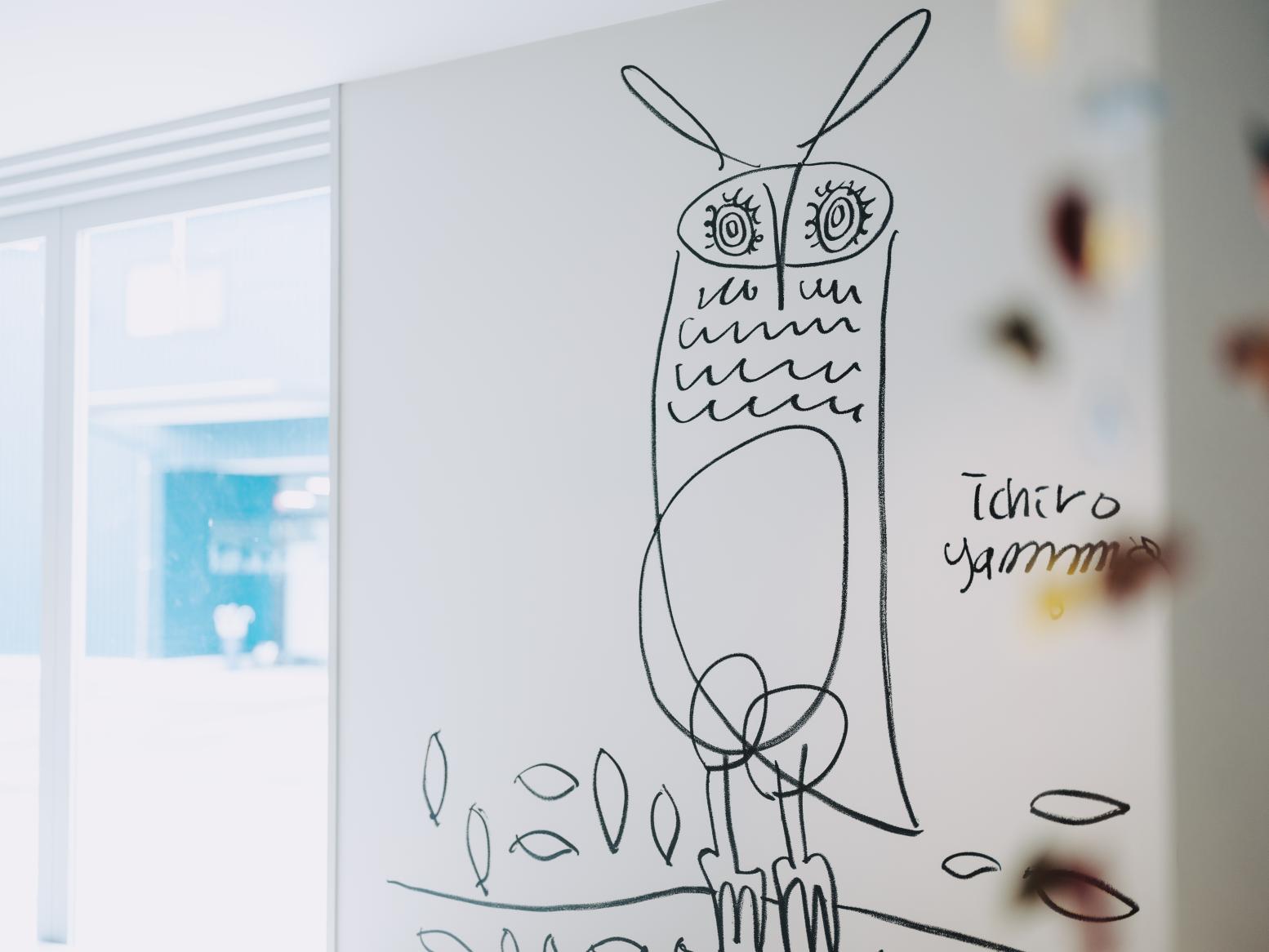
In the on-site gallery, visitors can view works created in collaboration with contemporary painter Ichiro Yamaguchi. Sweeping curves fully showcase the expressive potential of weft kasuri, and these pieces naturally dissolve the fixed notion that kasuri patterns must be purely geometric.
The tour concludes at the café, where the menu draws inspiration from kasuri culture. Coffee and chai are served alongside desserts like cheesecake and indigo-tinted shaved ice In an atmosphere akin to a television kitchen studio, visitors are free to relax, shop, and dine as they enjoy an experience that captures the distinctive charm of Sakata Orimono.
Expanding from a Sense of Fun

Having hosted several Open Factory tours for visitors from around the world, Mr. Sakata says that the way he presents the story of kasuri has gradually become more refined.
Rather than overwhelming visitors with technical terminology, he begins with a sense of fun and leads them naturally toward a deeper understanding. This editorial sensibility is perhaps Sakata Orimono’s greatest strength.
The company’s activities extend in many directions including a partnership with Nakagawa Masashichi Shoten, collaborations with contemporary artists, and their in-house café and shop.
The aim is not simply to preserve kasuri, but to open up new possibilities and expand its reach, and this energy can be felt throughout the entire experience.
Once you turn your attention to the world of kasuri, you realize it is far deeper and broader than you had ever imagined.
Even a tradition that may have seemed esoteric at first reveals itself to be full of enjoyment and discovery.
Share


 Next article for you
-

TIPS FOR TRAVELING IN FUKUOKA PREFECTURE
-
【2025】Your Guide to Fukuoka Prefecture's Best Fall Foliage Destinations
-
Fukuoka Has Onsen Too! A Complete Guide—from Day Trips to Famous Hot Springs
-

10 Recommended Dishes in Fukuoka! Discovering the Region’s Finest Foods
-
A Guide to Major Tourist Events and Festivals in Fukuoka Prefecture in February
-
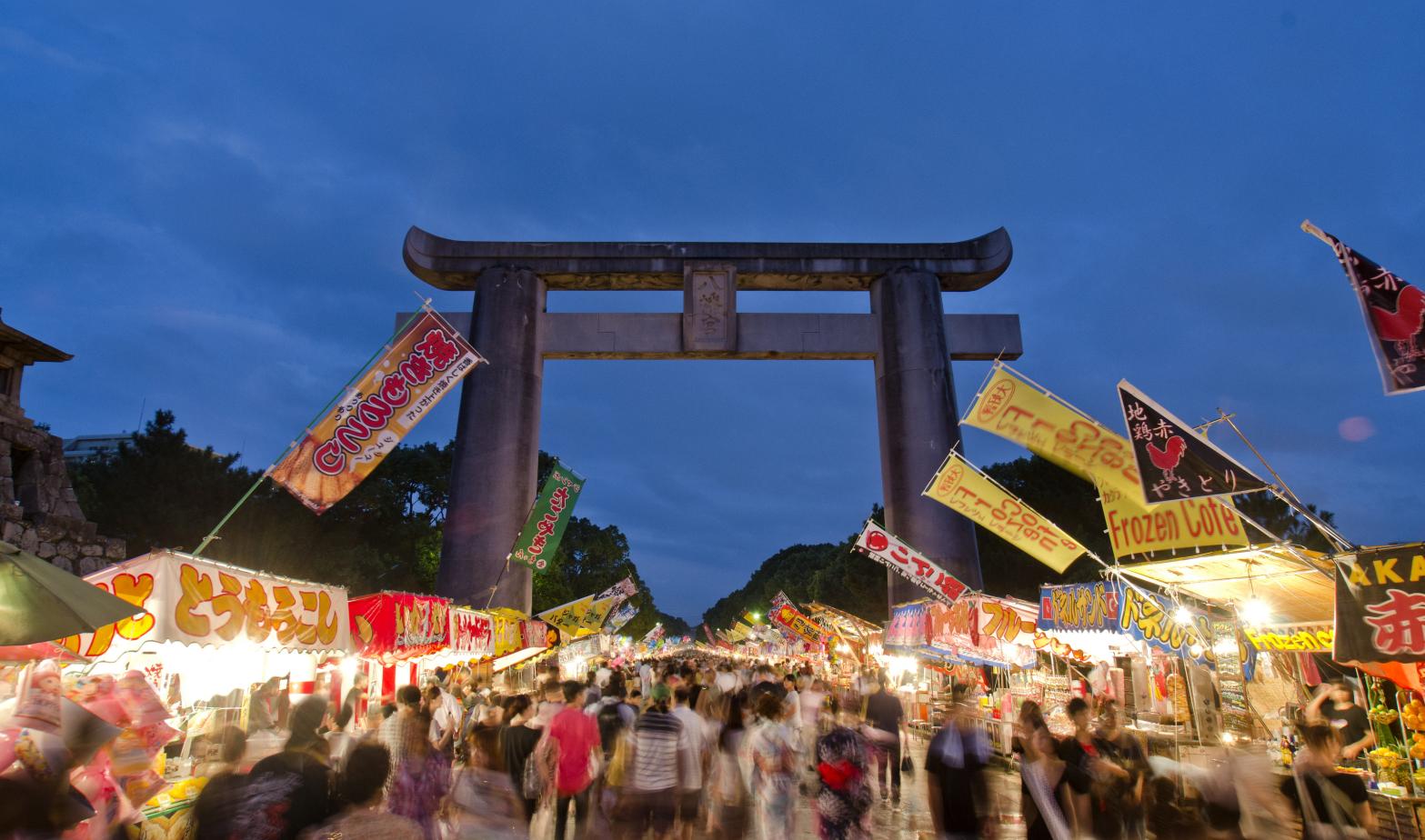
【2026】Major September Events and Festivals in Fukuoka Prefecture
-

Admiring the Best Scenery that Nature Has to Offer in Itoshima
-
CYCLE FUKUOKA
-

How to experience Mojiko Retro in Kitakyushu
-
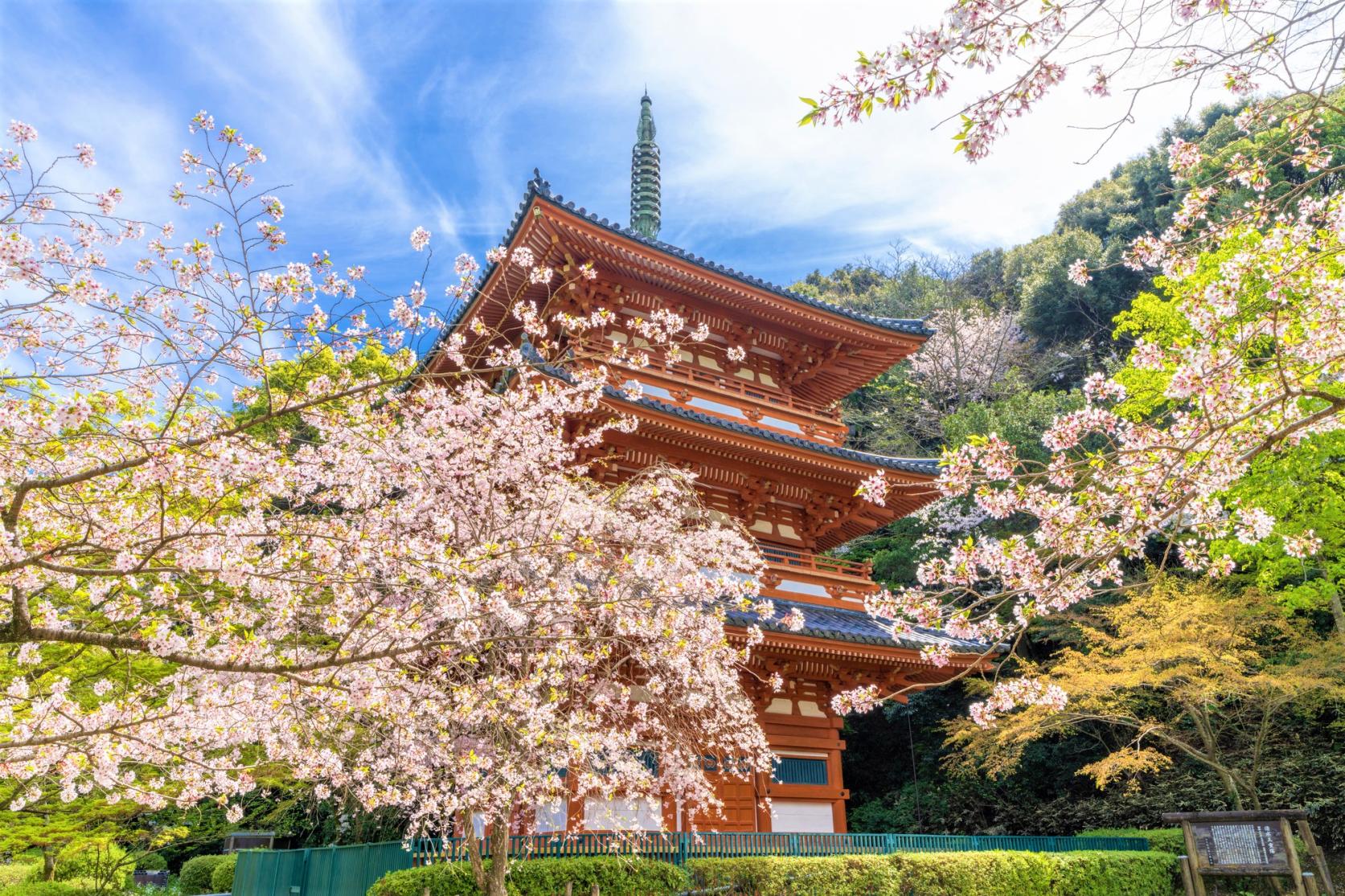
10 Recommended Shrines and Temples in Fukuoka!
-
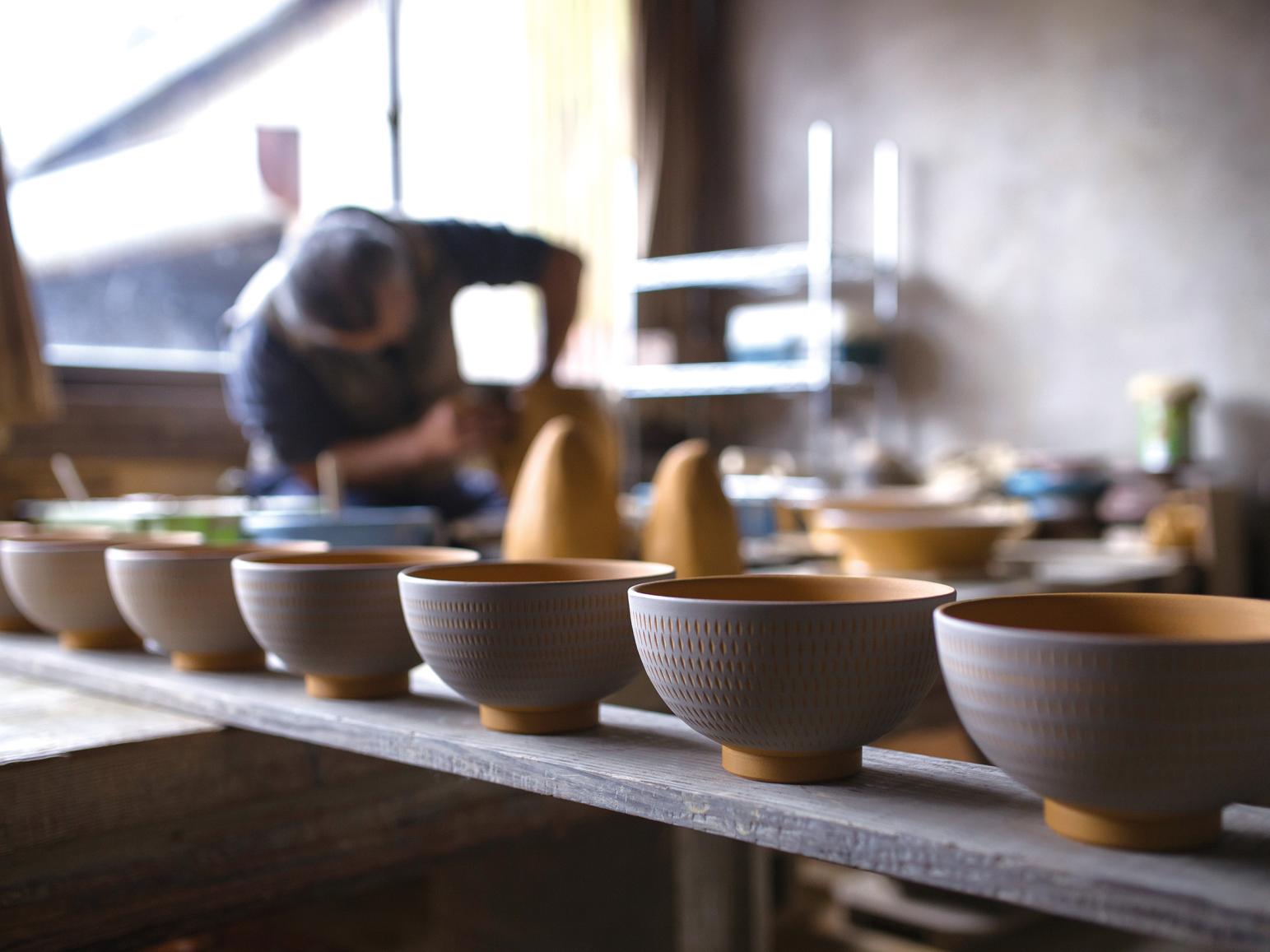
TRADITIONAL JAPANESE CRAFTS OF FUKUOKA ~Present Day Breath-taking Craftsmanship~
-
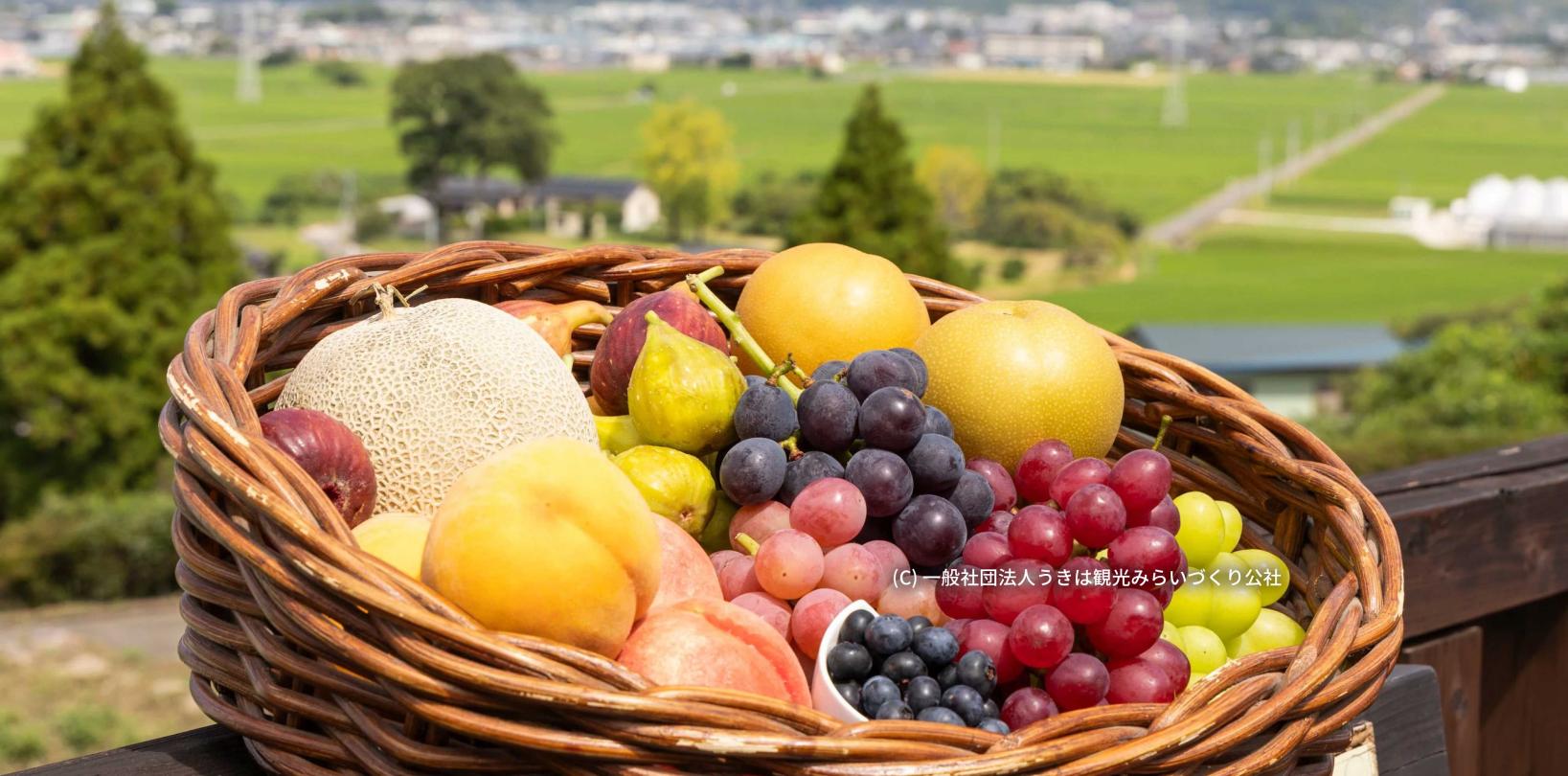
A guide to enjoying fruit picking in Fukuoka all year round! Featuring farms with all-you-can-eat options and attached cafes
-
![[2026] Strawberry Picking Spots in Fukuoka-1](https://www.crossroadfukuoka.jp/storage/special_features/49/responsive_images/9ZHgrqvQdpH8tM4IRF54DXu0aPBF3YGGkj5WOTGc__1673_1115.jpg)
[2026] Strawberry Picking Spots in Fukuoka
-

Kids will love it too! Recommended spots for family trips in Fukuoka Prefecture
-
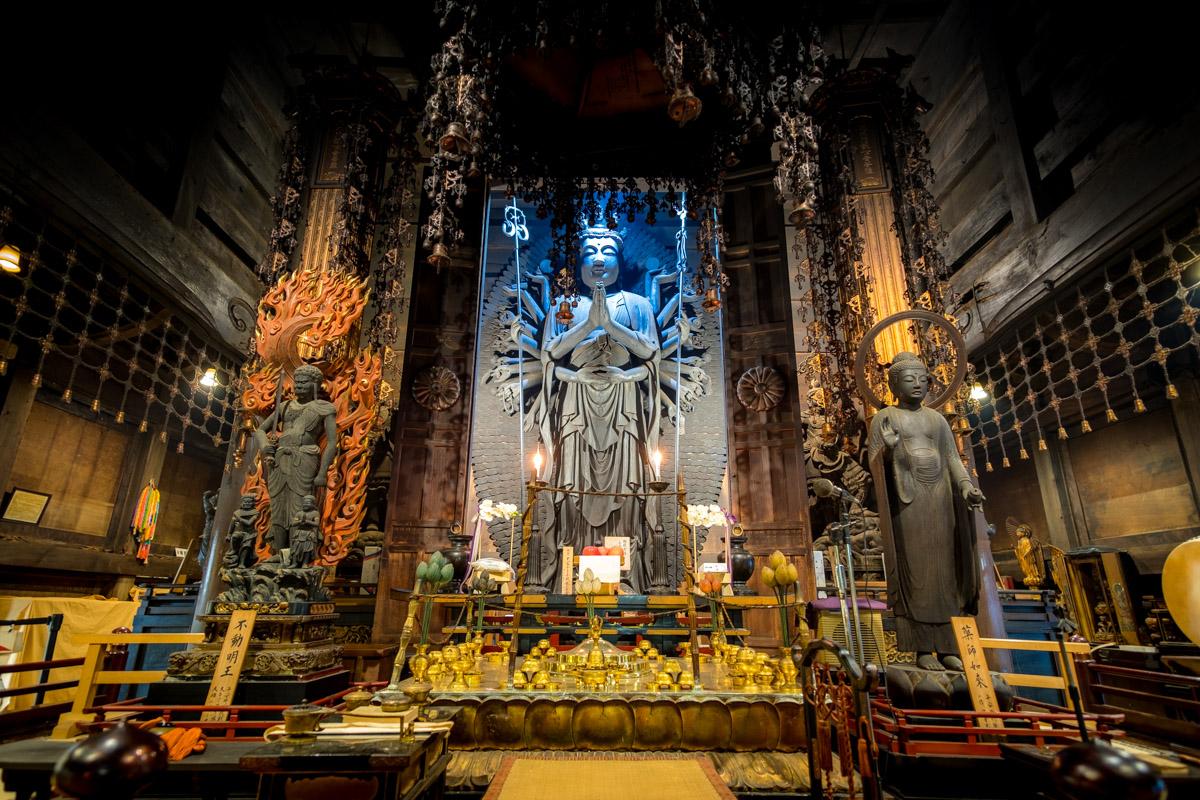
Raizan Sennyoji Daihioin Temple:
-
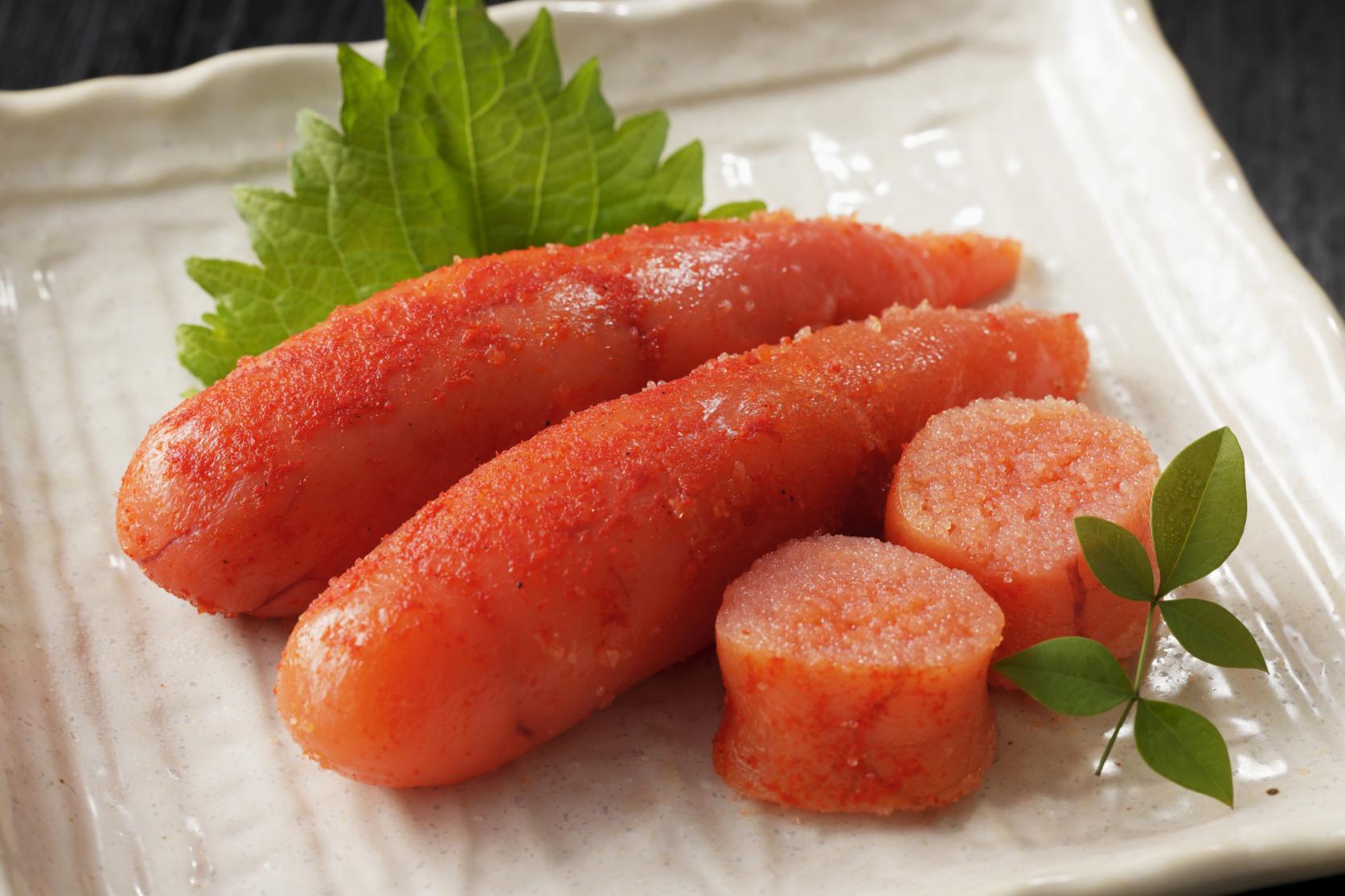
Fukuoka Prefecture is the place for enjoying the best mentaiko! Featuring lunch spots, hands-on experiences, and gifts
-

Here are the most popular souvenirs of Fukuoka that you won’t want to miss!
-

Local Life in Fukuoka City: Art, Beaches and Coffee
-
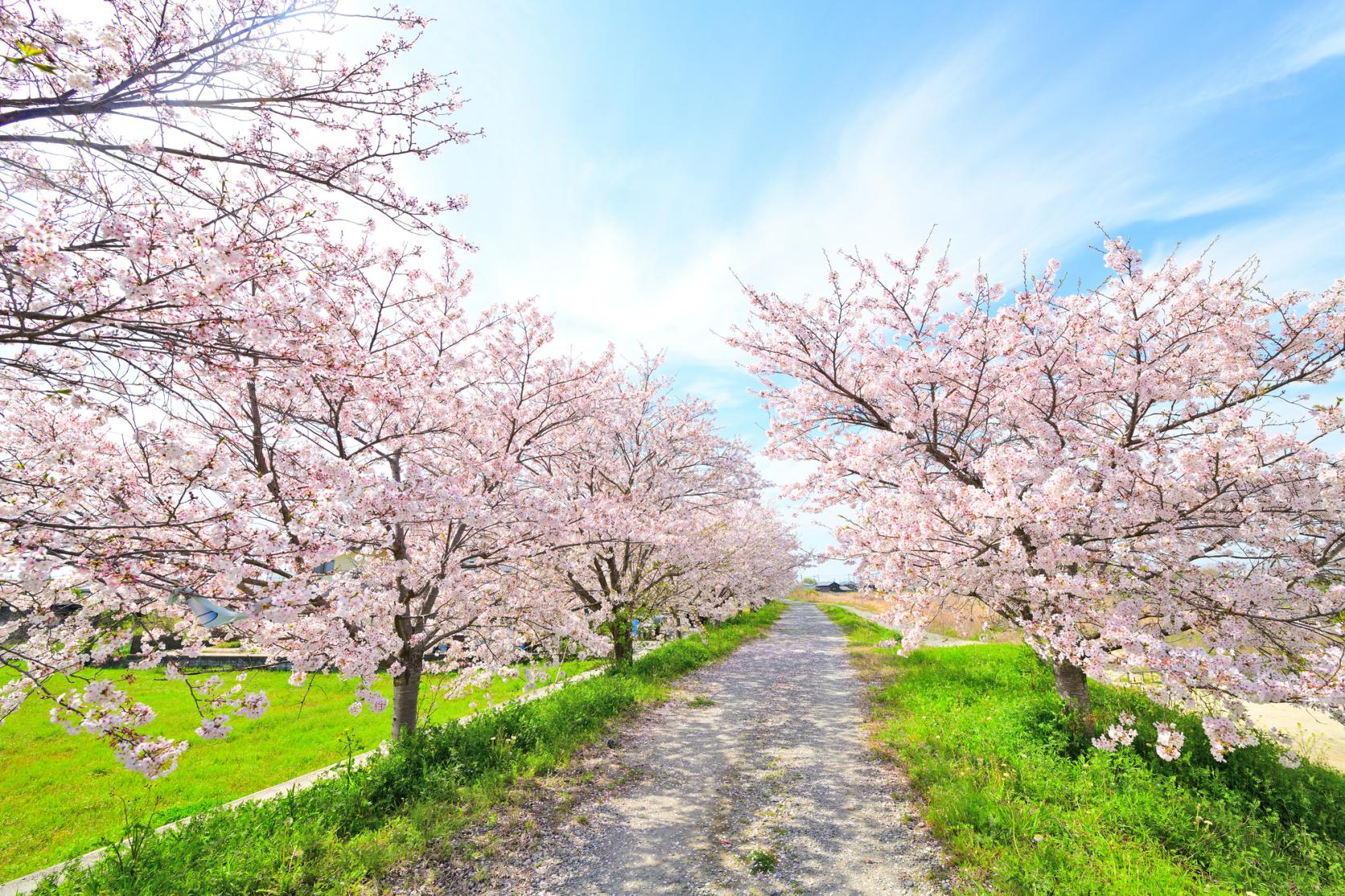
【2026】The Best Places to See Cherry Blossoms in Fukuoka
-
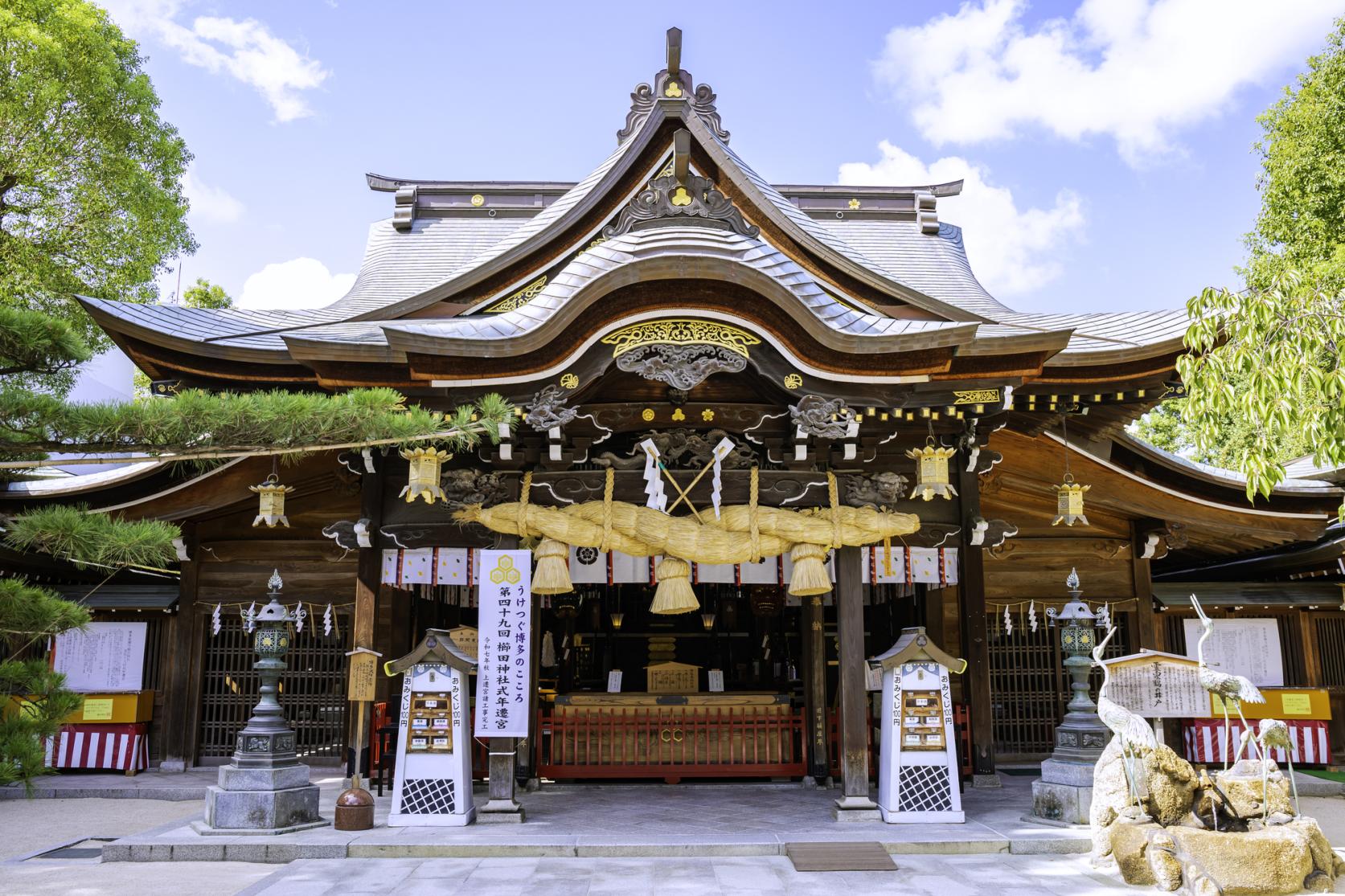
What is Kushida Shrine, the guardian shrine of Hakata? A comprehensive guide to highlights, goshuin, and access information
