

 Highlights
 Sample Itineraries
 See & Do
 Experience
 Events
 Plan a Trip
 Transport
 Local Life in Fukuoka City



![[Traditional Crafts] Handwoven Kasuri for Everyday Life
Kurume Kasuri Open Factory Program Report|Ikeda Kasuri Textile-1](https://www.crossroadfukuoka.jp/storage/special_features/724/responsive_images/v5Af1CYNDBKWQ95PJhuXbDIr0VXoqNxkDSQElVf1__1634_1225.jpg)
[Traditional Crafts] Handwoven Kasuri for Everyday Life
Kurume Kasuri Open Factory Program Report|Ikeda Kasuri Textile
As you visit the many Kurume Kasuri workshops throughout the region, there are places where the differences in each workshop’s role become strikingly clear, even though they are all weaving the same kasuri. Ikeda Kasuri Textile is one such place. While preserving indigo dyeing and hand weaving, the workshop continues to produce a steady volume of fabric that can truly reach people’s everyday lives.
In the back of the workshop, indigo vats line the space, while the quiet rhythm of weaving looms fills the air. The workshop also collaborates with major apparel brands, bringing traditional textiles closer to everyday life. Rather than pursuing the path of a purely individual craft studio or shifting toward mass production, Ikeda Kasuri Textile stands somewhere in between—giving balance to the production region while connecting handwoven kasuri with modern lifestyles.
Workshop Information (Address, Tour Details, Experiences, etc.)
Ikeda Kasuri Textile
Address: 1840 Hisadomi, Chikugo City, Fukuoka Prefecture
Tel: 0942-27-8033
<Open Factory>
Tour Content: With the artisans as your guides, visitors can observe the process from design creation to hand weaving and indigo dyeing.
Required Time: Approx. 40 min.
Fee: ¥3,300
Participation: Reservations are required.
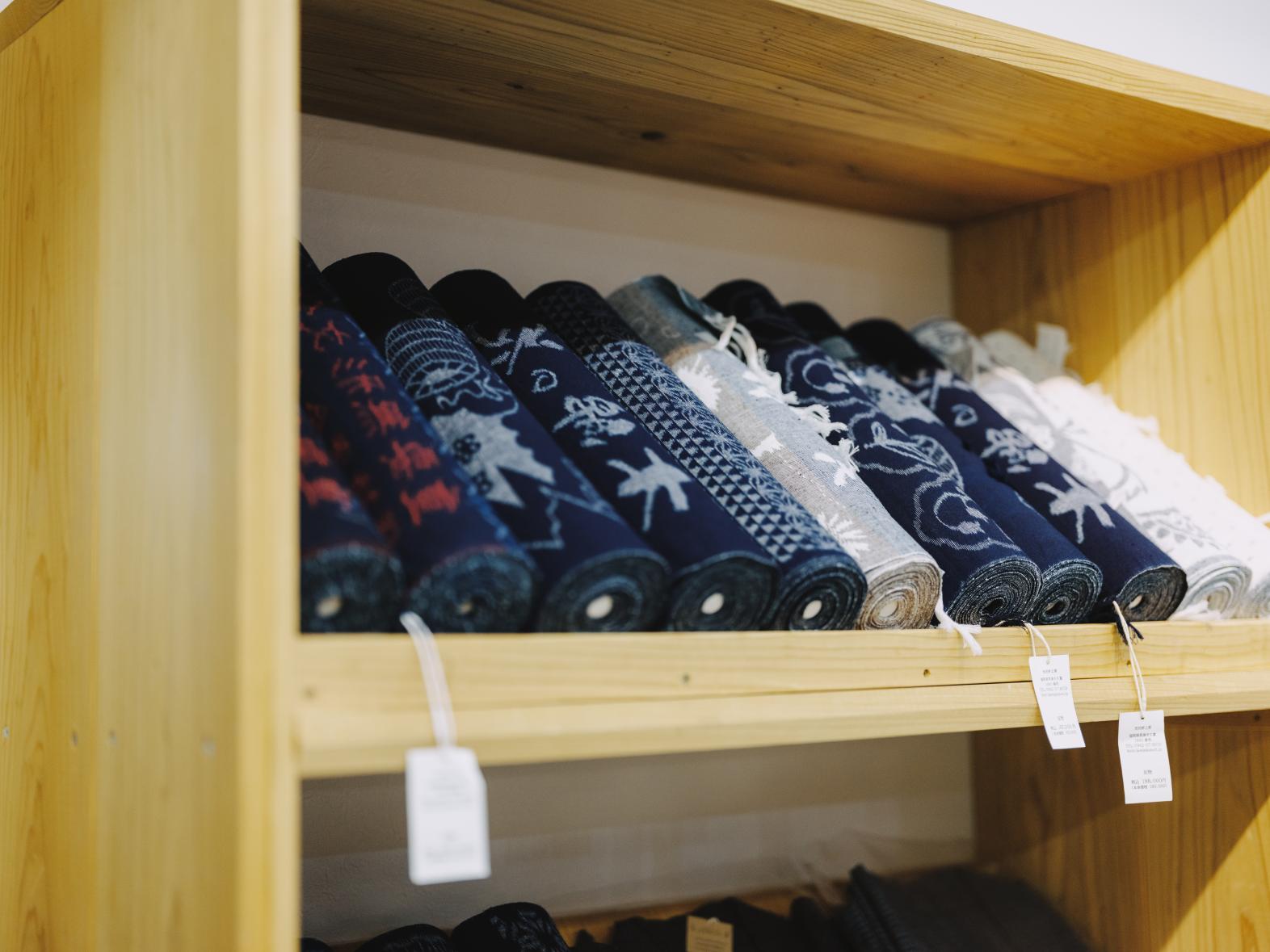
Shopping: Fabric bolts, cut fabric, clothing, and accessories are available for purchase.
Souvenir: Frame a piece of kasuri of your choosing to take home with you (approx. 10 cm x 10 cm).
<Experience>
Program Details: After touring the workshop, you will indigo-dye a tote bag.
Required Time: Approximately 1.5 hours
Fee: ¥6,000
How to Apply
You can make a reservation via the links below (external website)
Producing Volume while Focusing on Hand Weaving
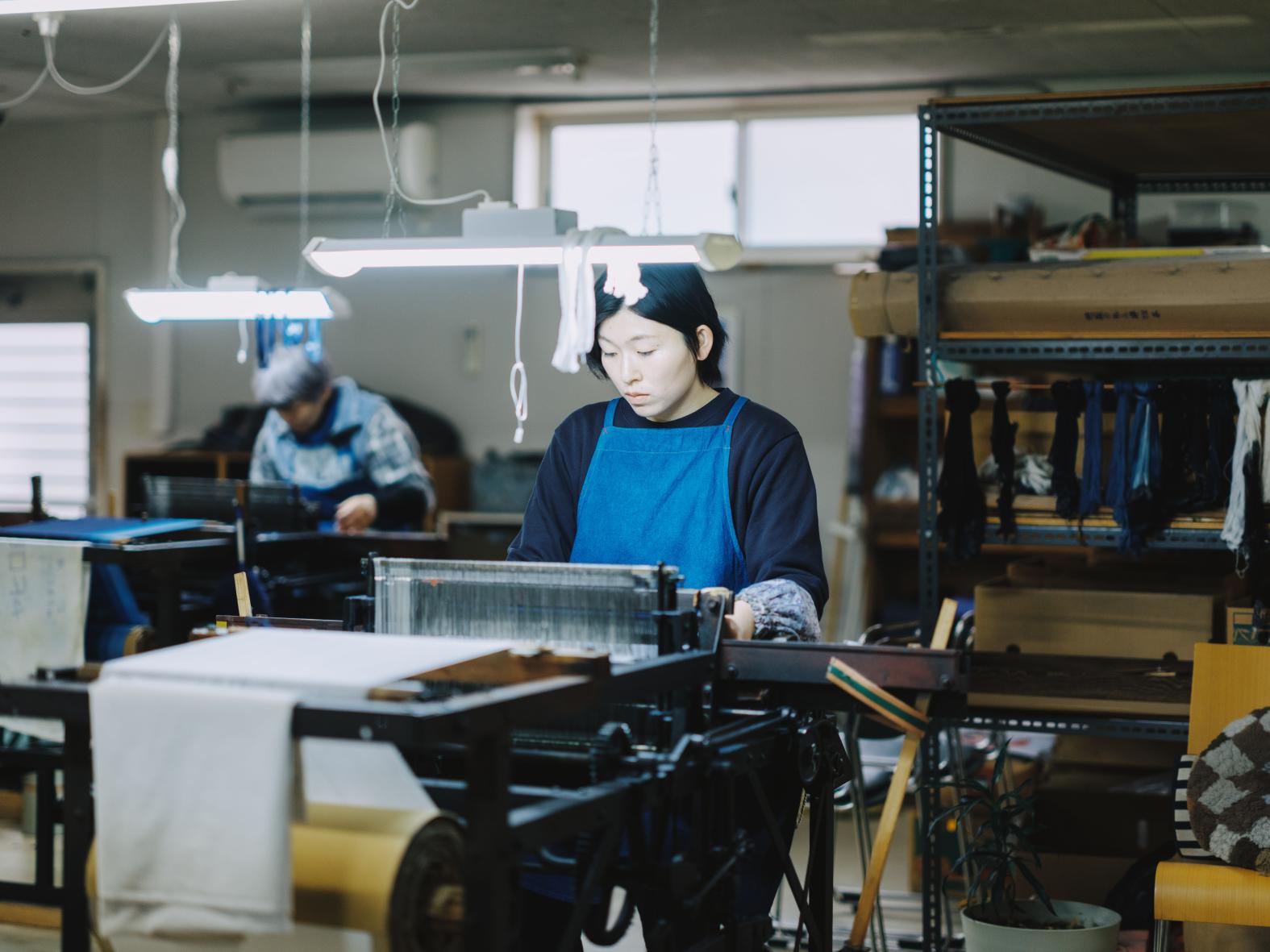
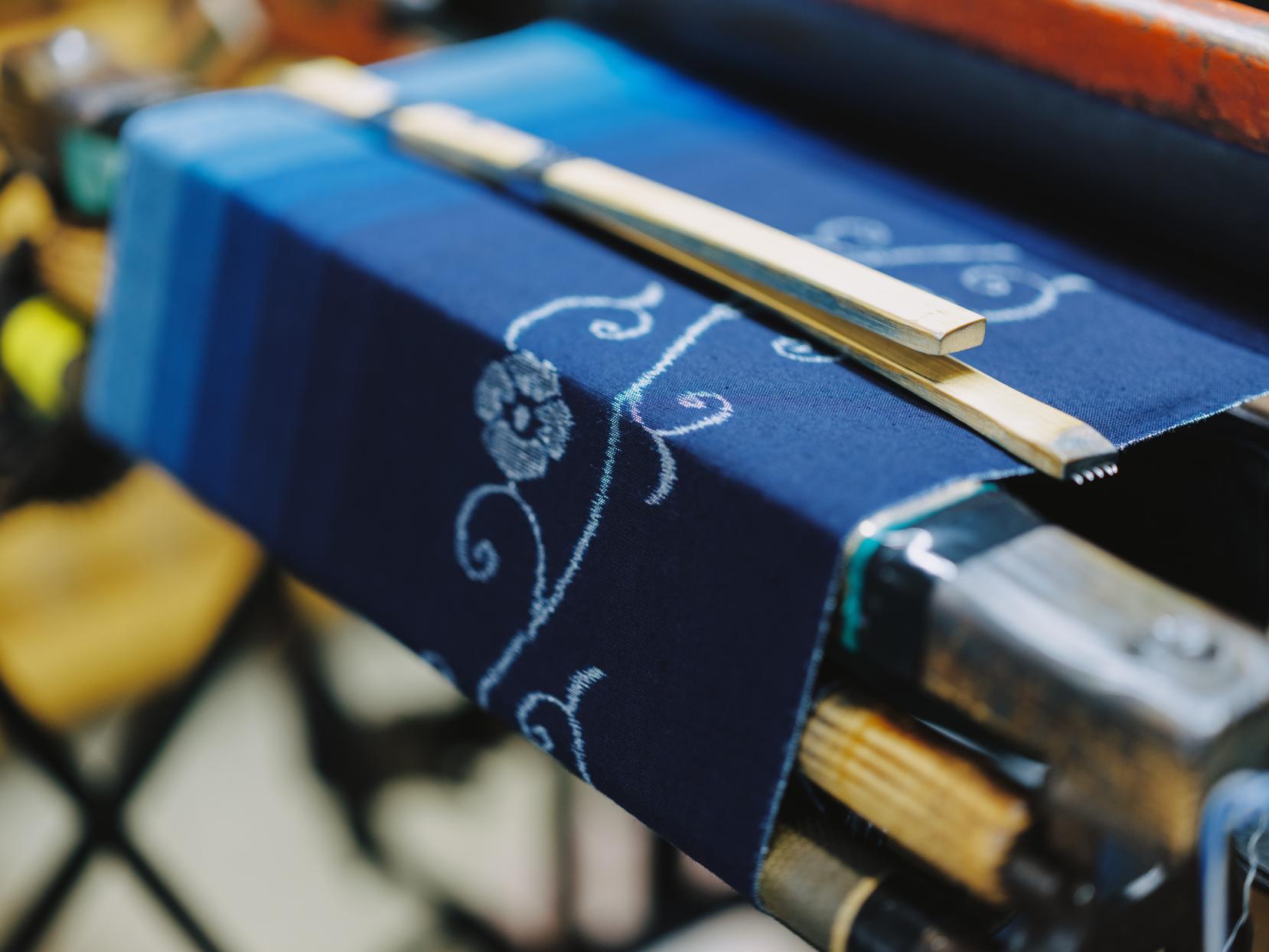
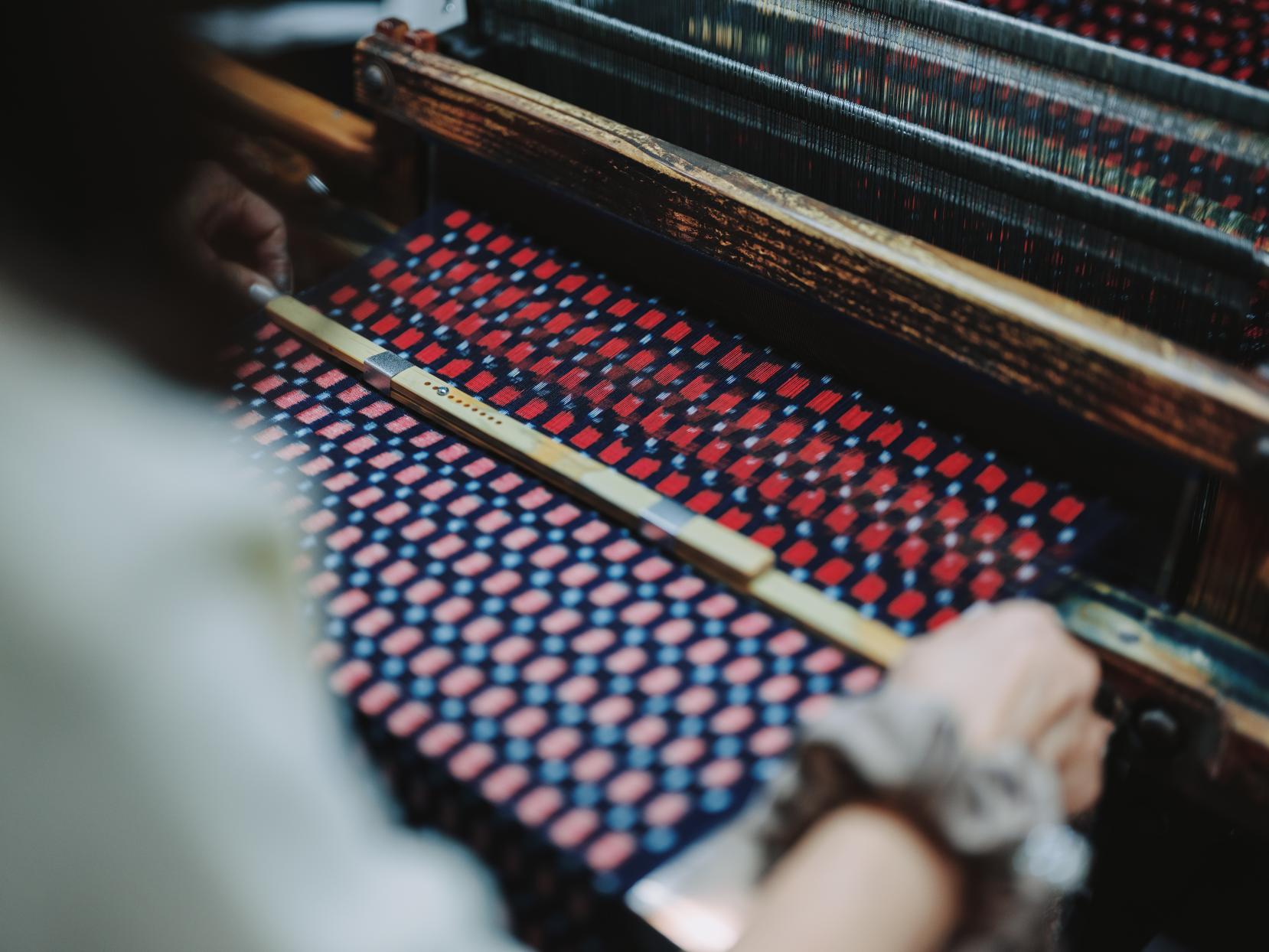
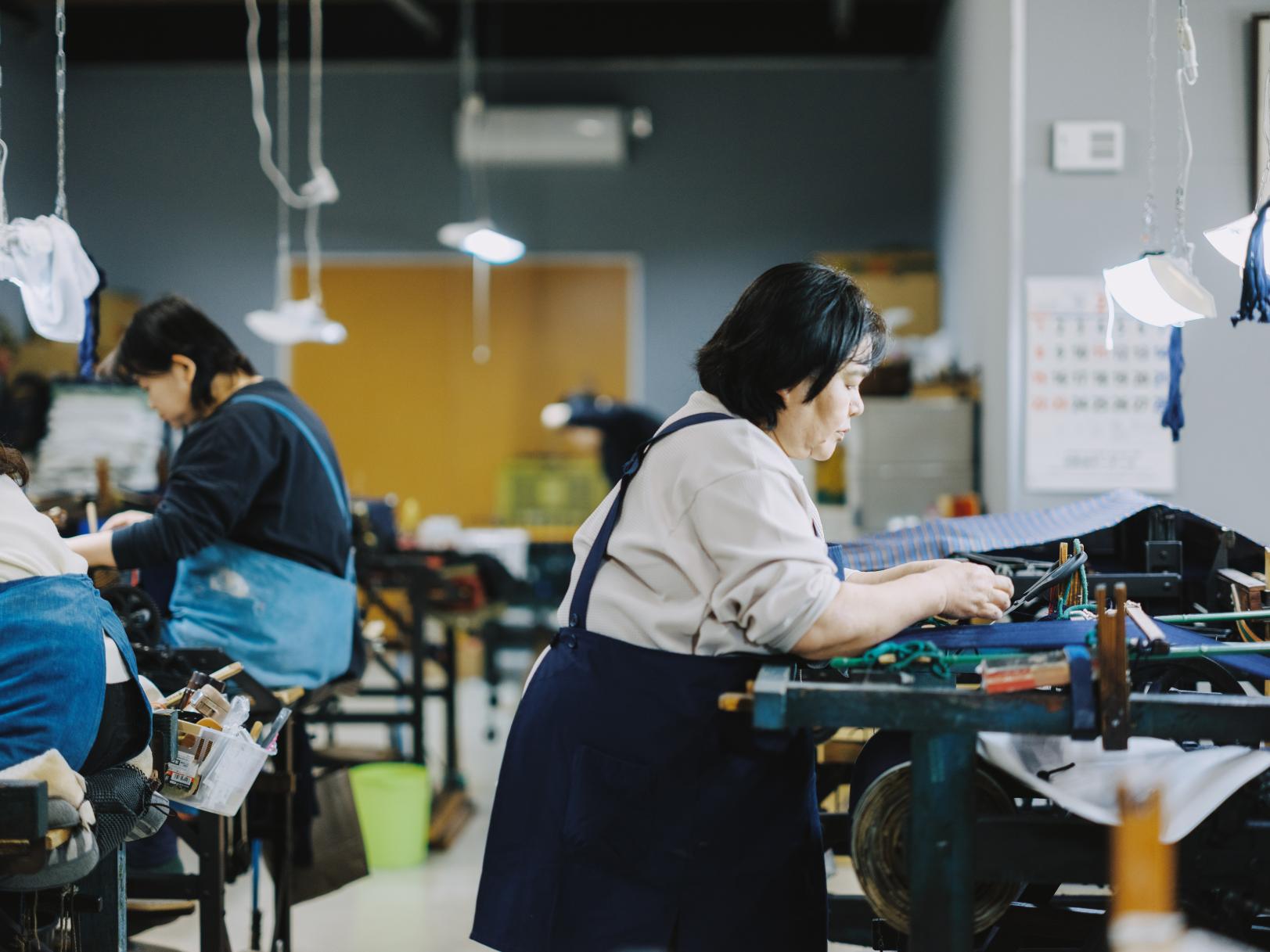
At the core of Ikeda Kasuri Textile is a deliberate choice: producing volume while remaining fully handwoven.
Machine weaving would certainly improve efficiency, and leaning toward a more artist-driven approach would increase the value of each individual piece. But Ikeda Kasuri Textile has chosen neither of these paths.
“Traditionally, production in this region was based on the division of labor, with each household handling different tasks.
Today, people work together in the same workshop, but the basic structure for producing textiles hasn’t really changed,” explains workshop head Daigo Ikeda.
In the past, a system known as dashibata was common: looms were placed in individual homes, threads were distributed, and the finished fabrics were later collected. About thirty years ago that system shifted, with weavers gathering to work together in workshops instead.
The structure may have changed, but the philosophy remains the same—producing volume while maintaining a focus on hand weaving.
To continue into the future, avoiding extremes is essential.
That careful sense of balance supports Kurume Kasuri as a textile that can still reach people’s everyday lives today.
Translating the Design into Weavable Fabric
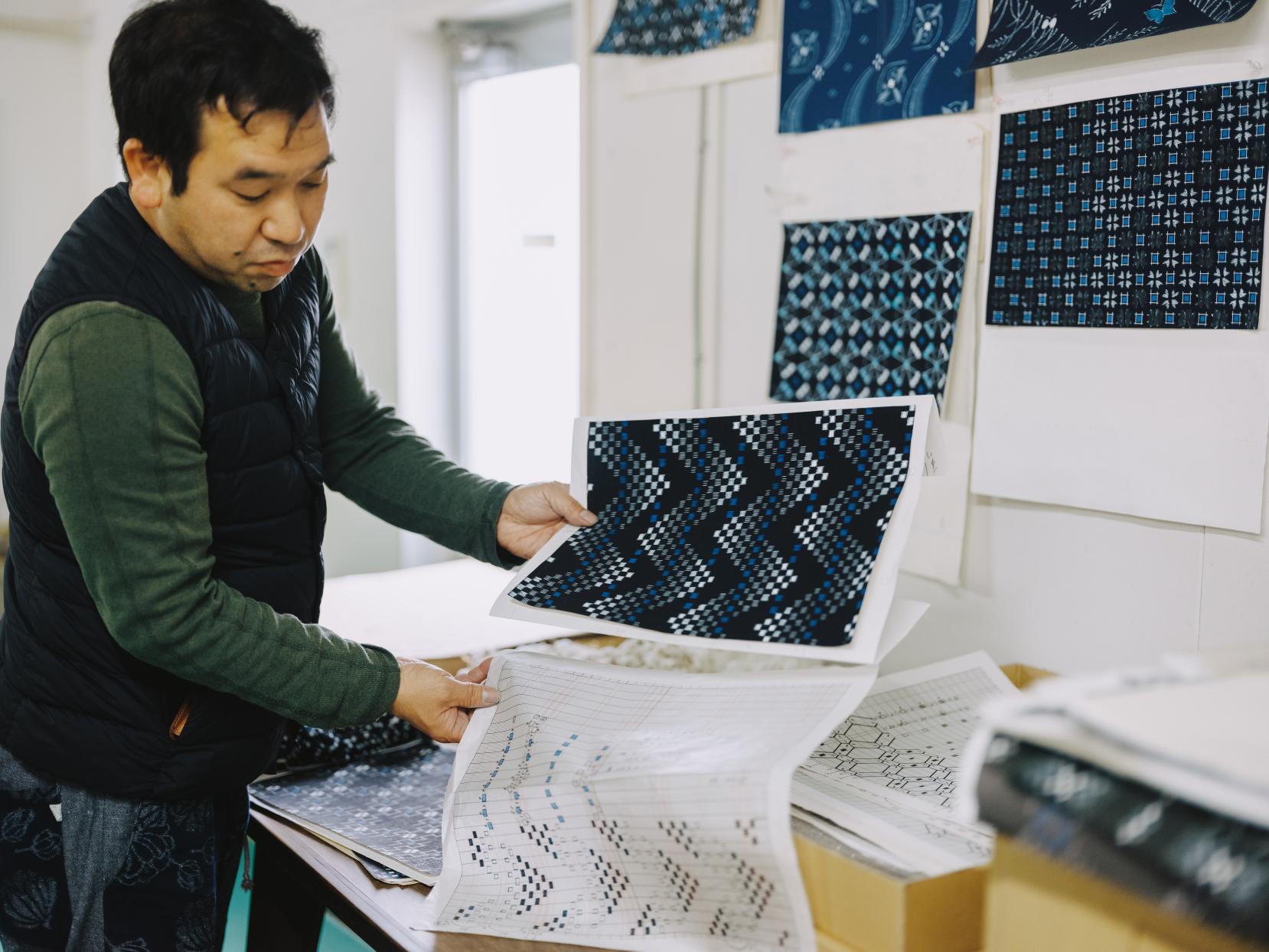
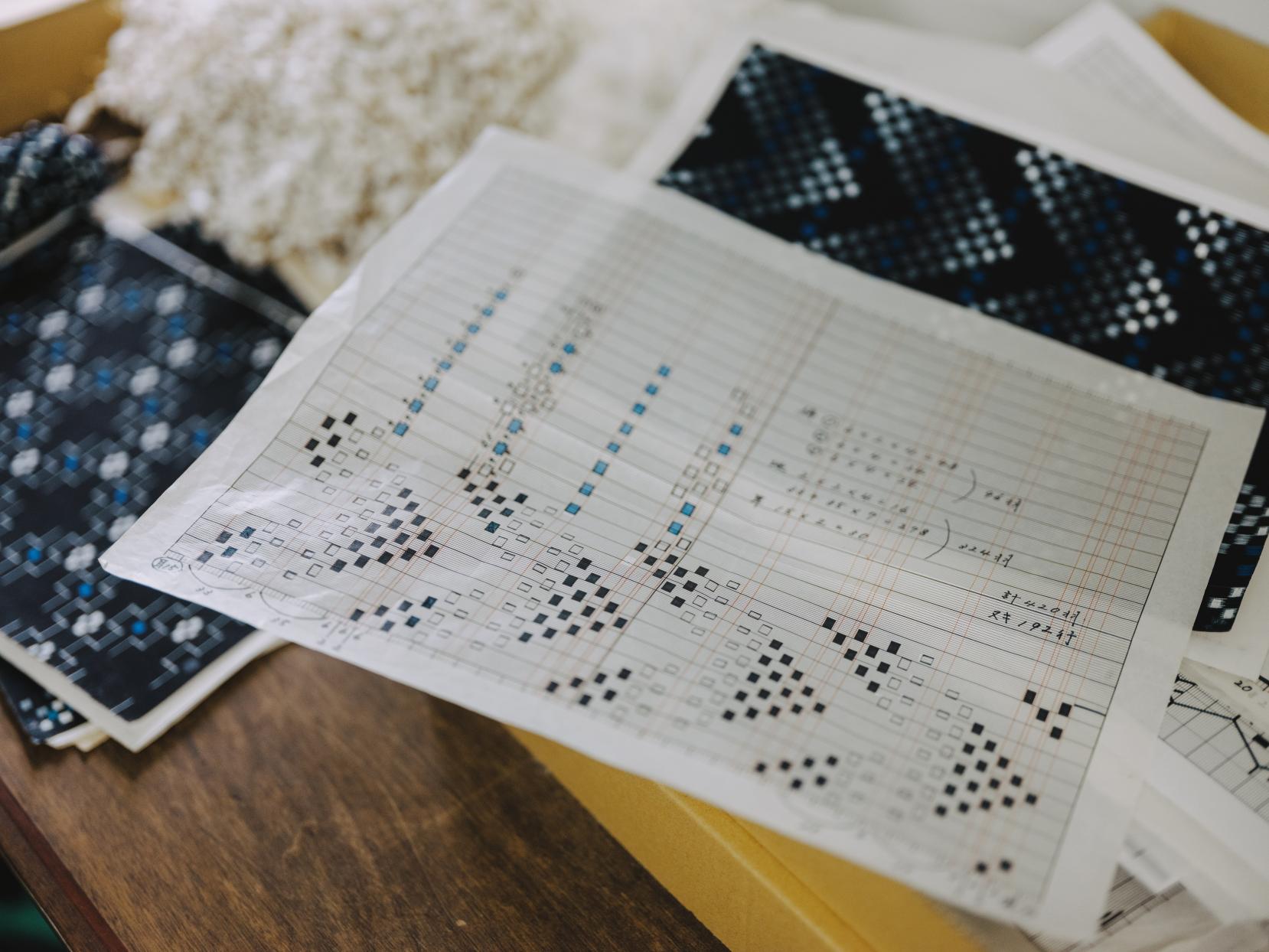
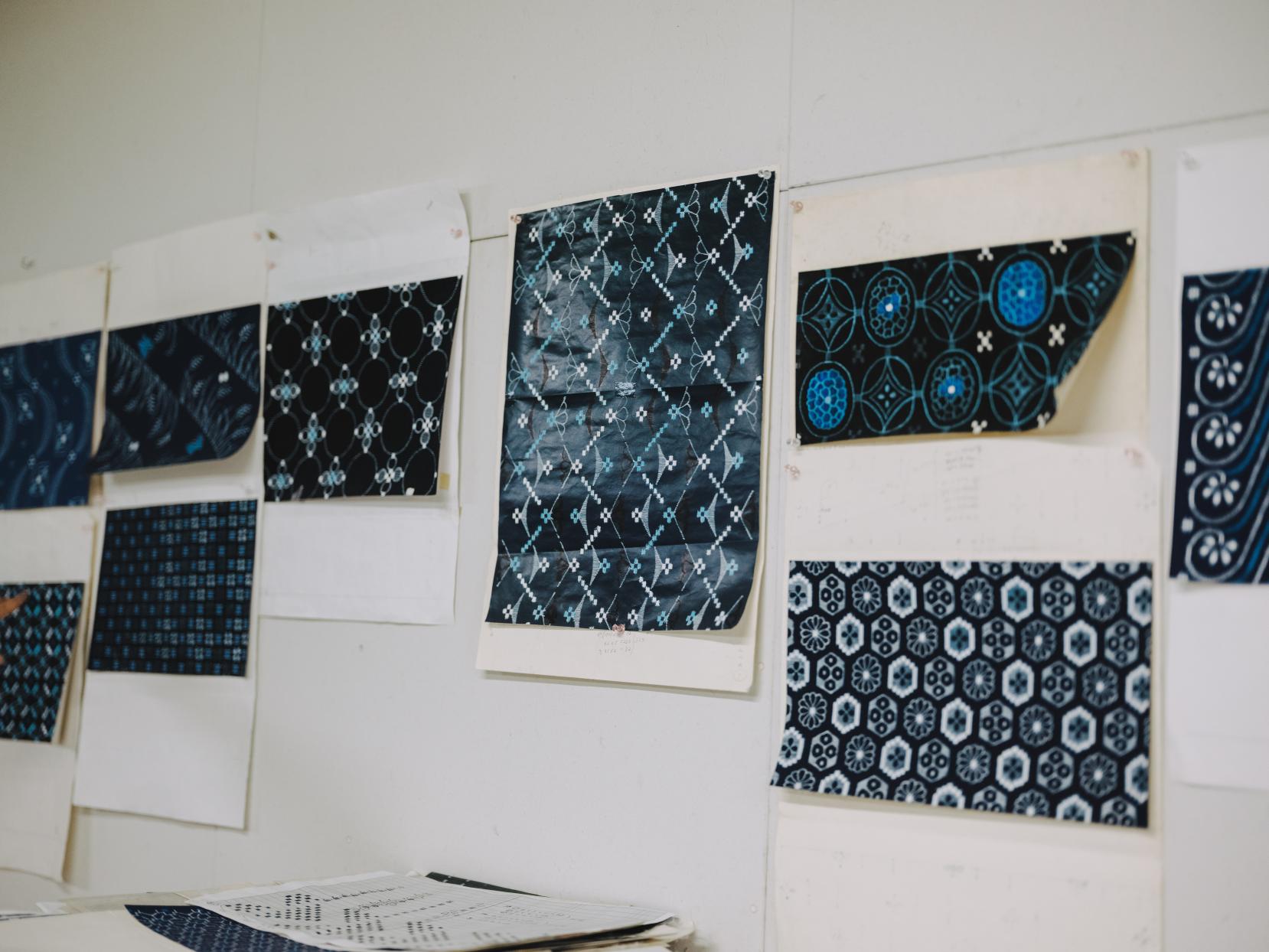
In the design process, the pattern must first be translated into a weaving plan.
“Once we have a design, we start by determining how many warp threads will make up the pattern and how many passes of weft will be needed to express it,” says Mr. Ikeda.
A conscious decision has to be made to determine which parts to include in the design and which parts to paint on later. Even the smallest difference can dramatically change the final impression of the woven fabric.
A design that looks good on paper may appear different once woven, and after it is tailored into clothing, it may change again. This is a world where experience and intuition matter deeply. Within the workshop exists a cultivated sensitivity—one shaped over many years—where instinct and accumulated knowledge ultimately determine the character of the fabric.
Expanding the Possibilities of the Region Through Dyeing
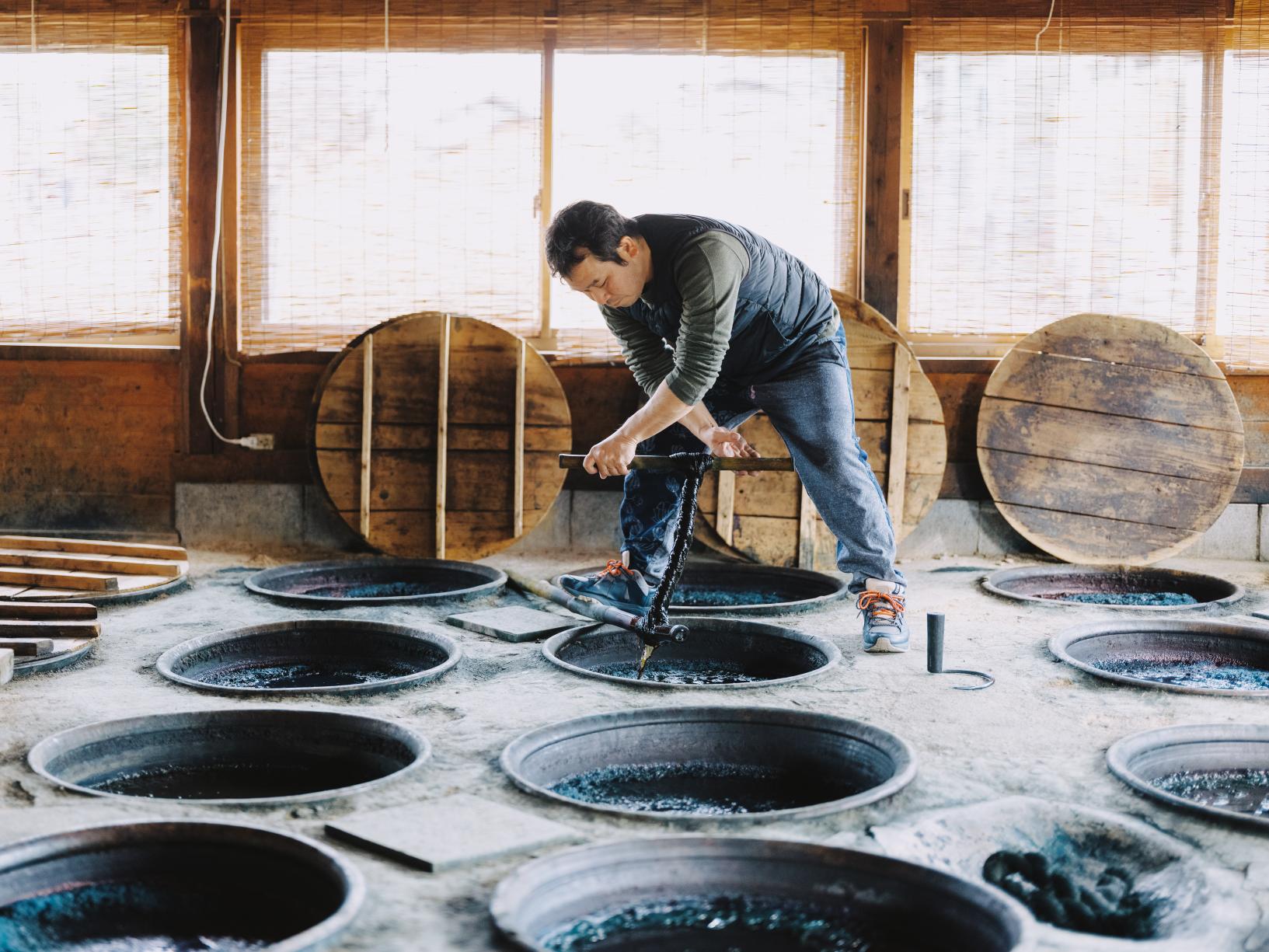

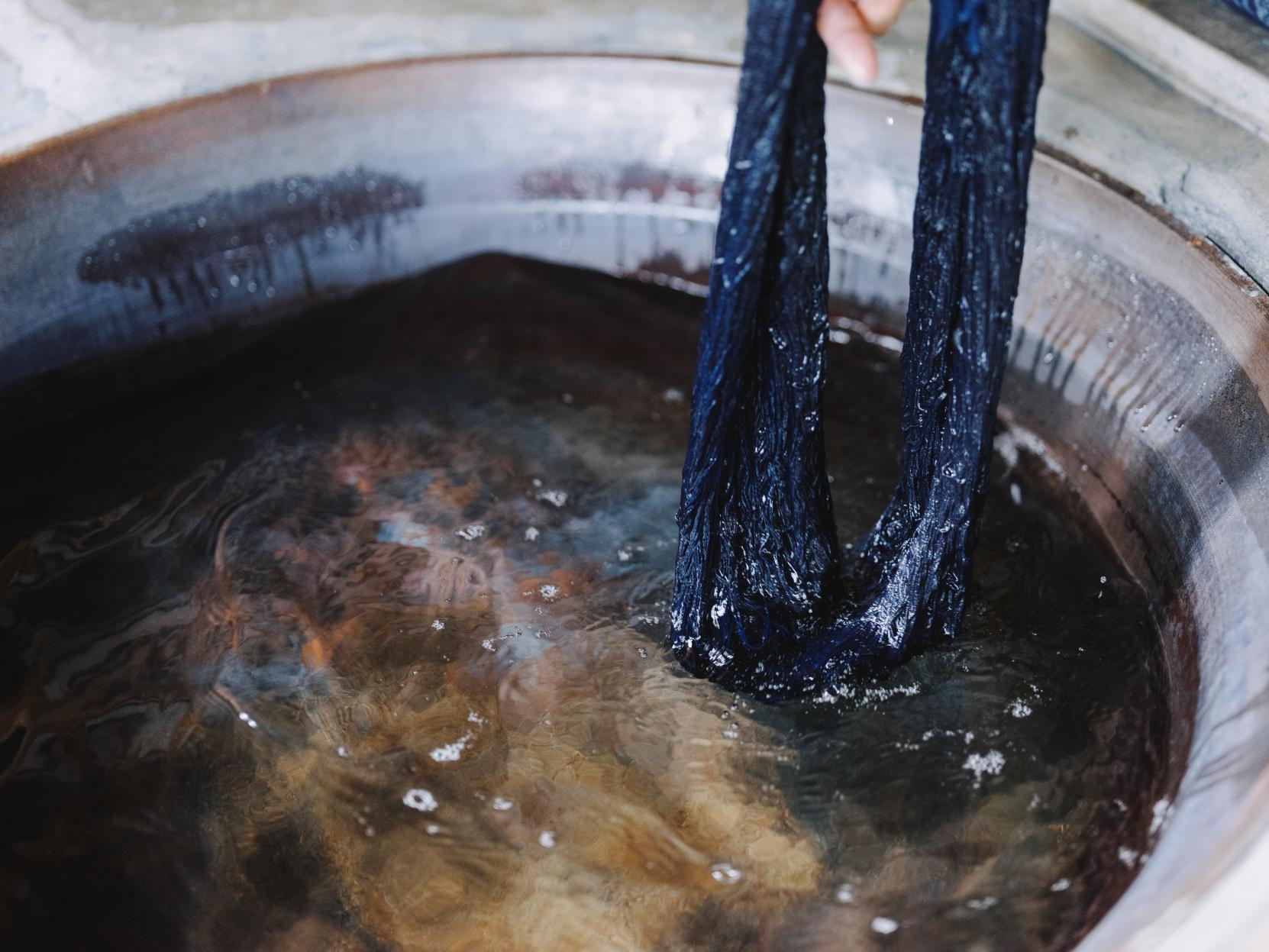
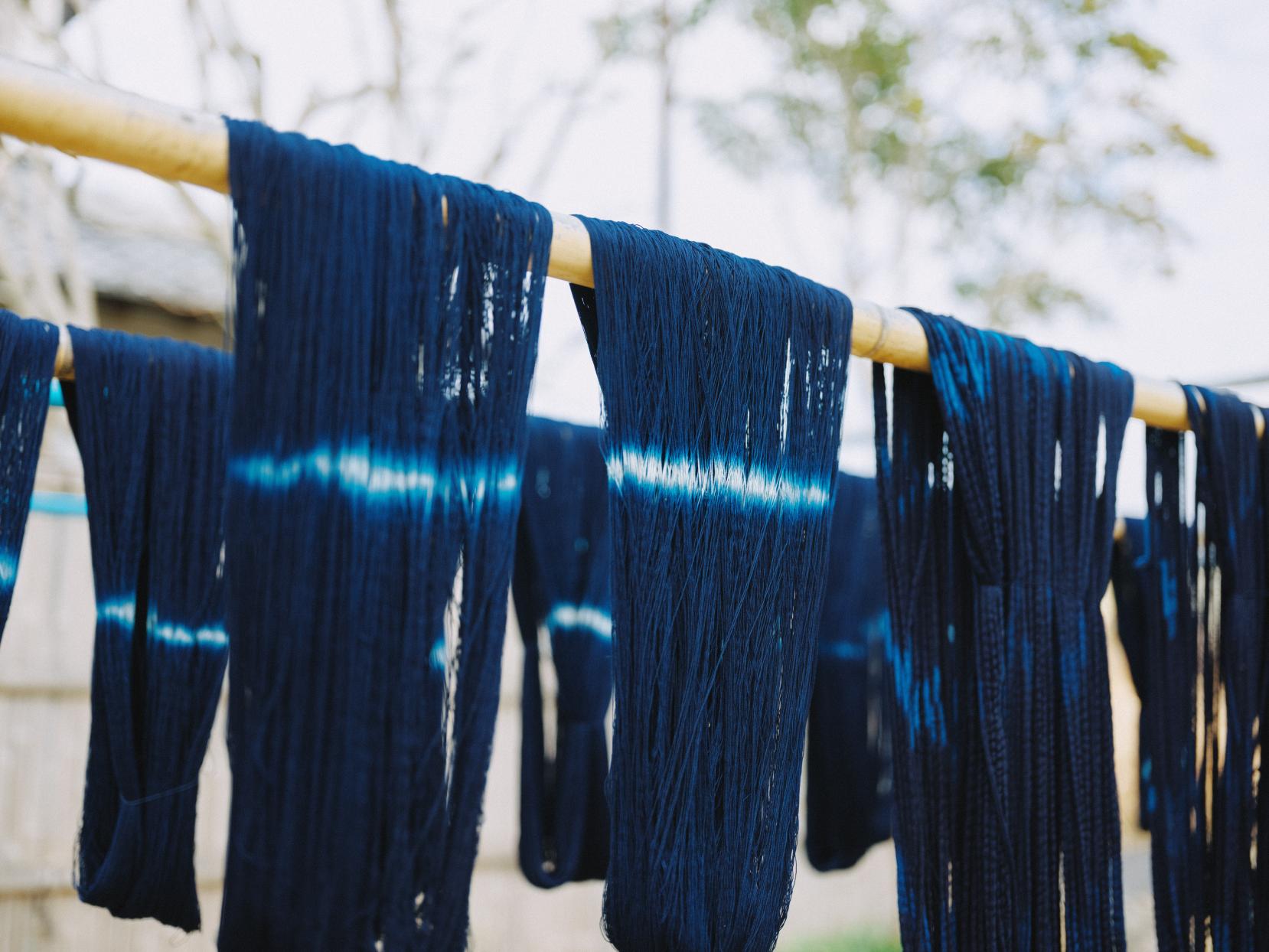
Ikeda Kasuri Textile also takes on a wide range of dyeing work.
“We dye just about anything. We rarely turn requests away,” Mr. Ikeda gently explains.
Dyeing has become one of the workshop’s strengths
and has led to collaborations with companies and fashion brands.
Opening the region’s traditional techniques to the outside world is another important role the workshop plays.
Inside the indigo vats, bubbles shimmer like small jewels. Indigo is a living thing, and the temperature of the vats is kept at around 25°C throughout the year. Summer or winter, the environment must be carefully maintained. The sukumo (fermented indigo leaves) used here comes from Tokushima Prefecture. The longer it ages, the easier it becomes to work with.
It is a world where both tools and materials grow familiar over time.
Insights Revealed Through the Open Factory Program
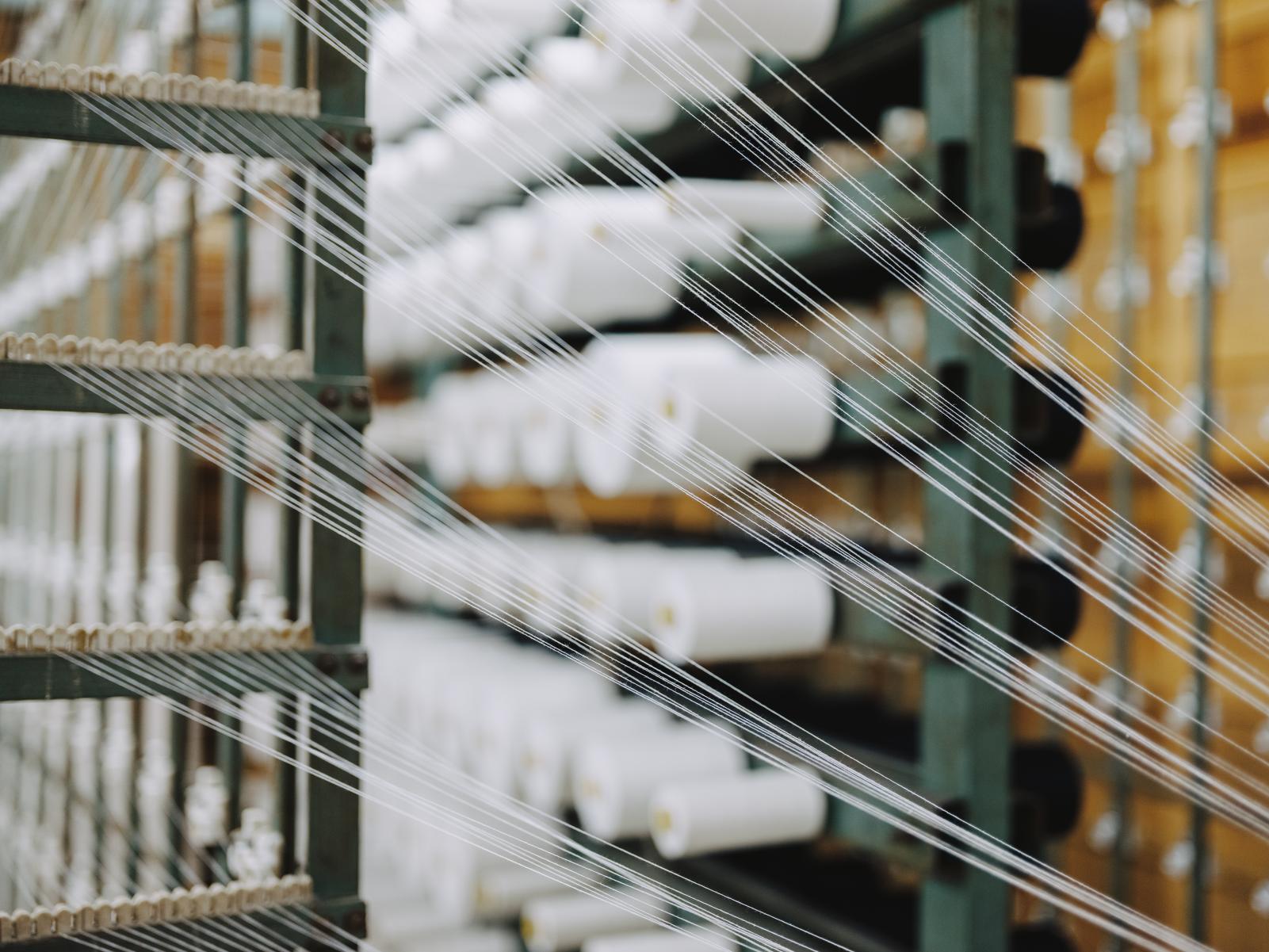
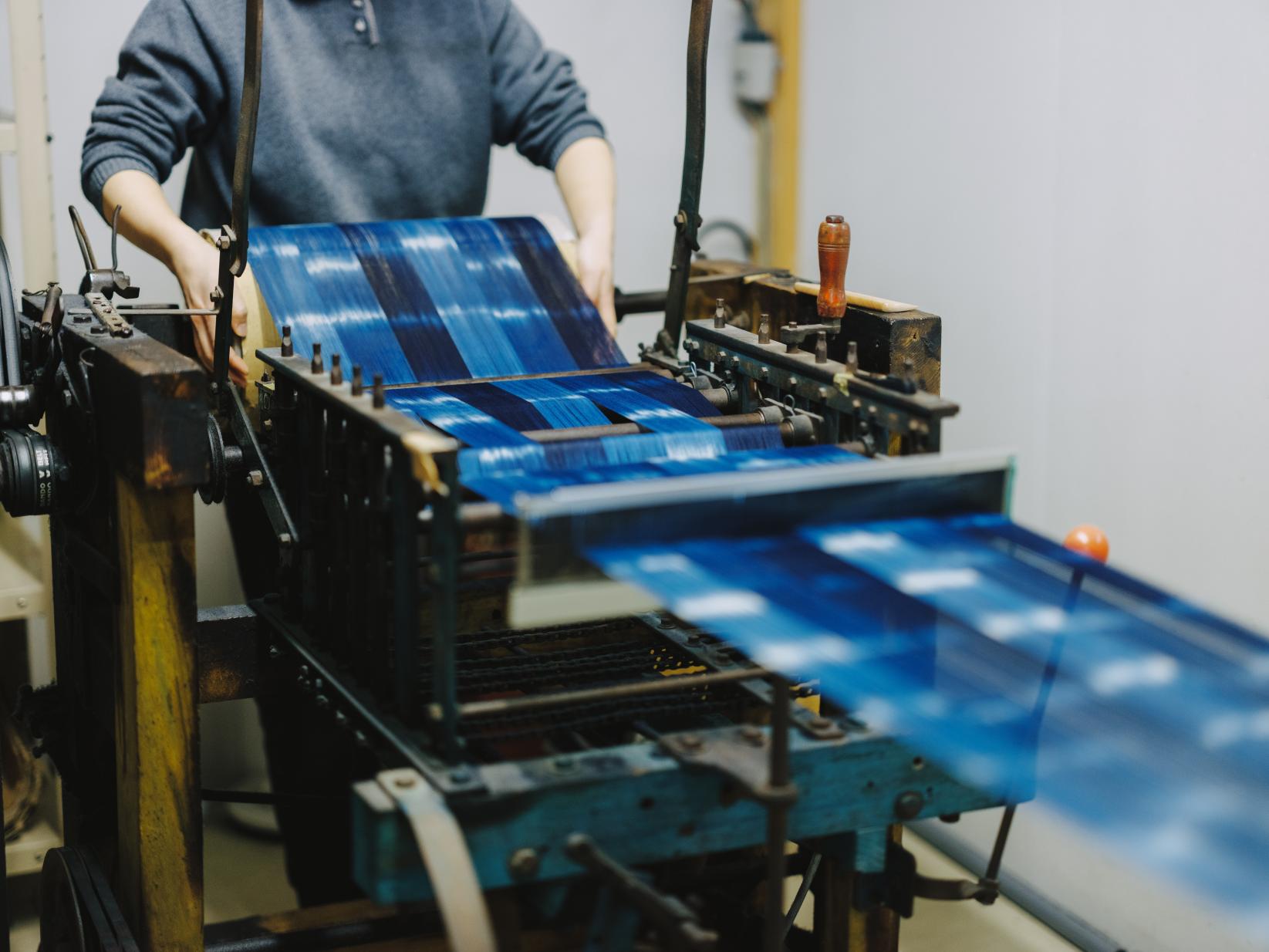
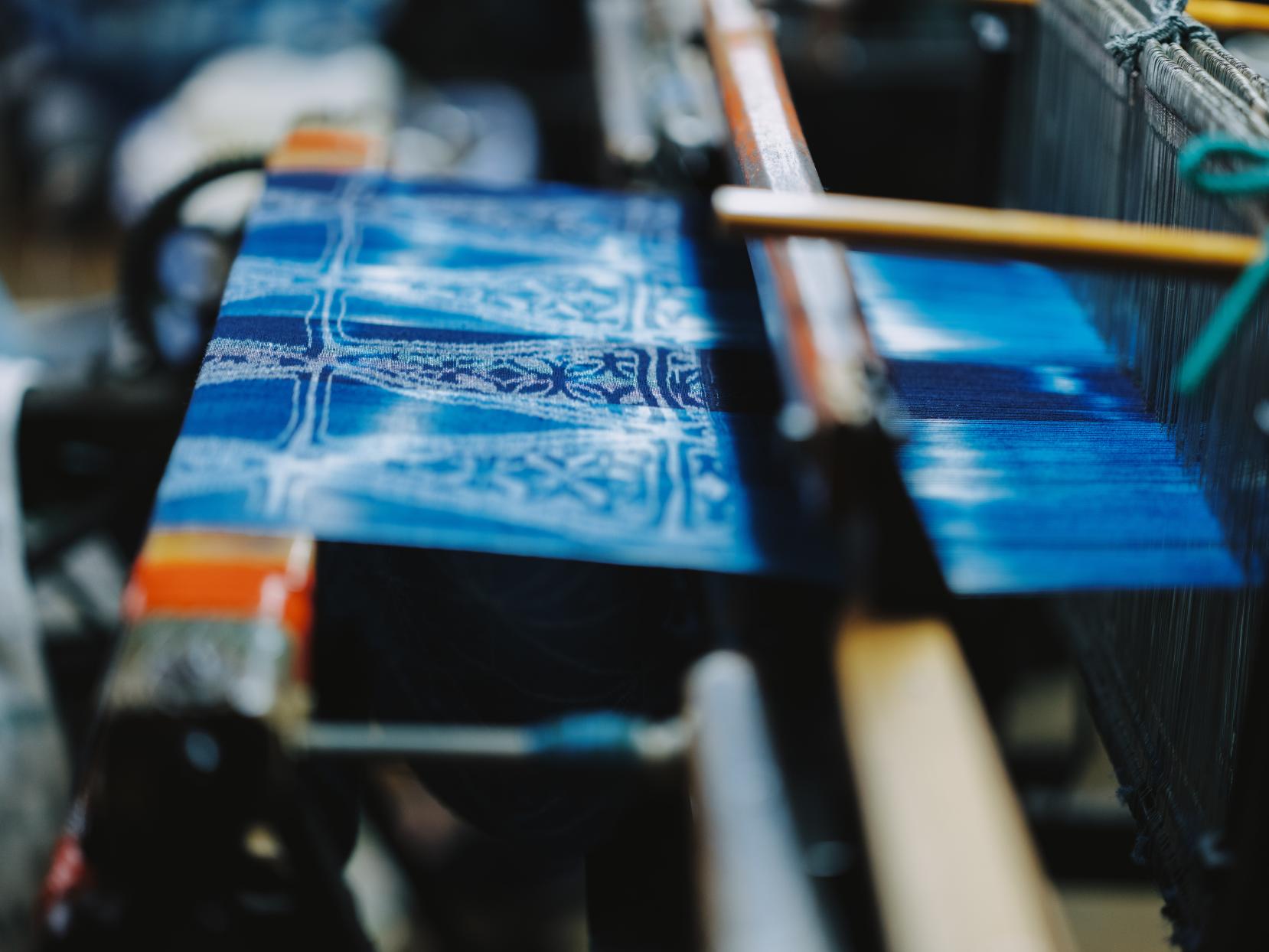
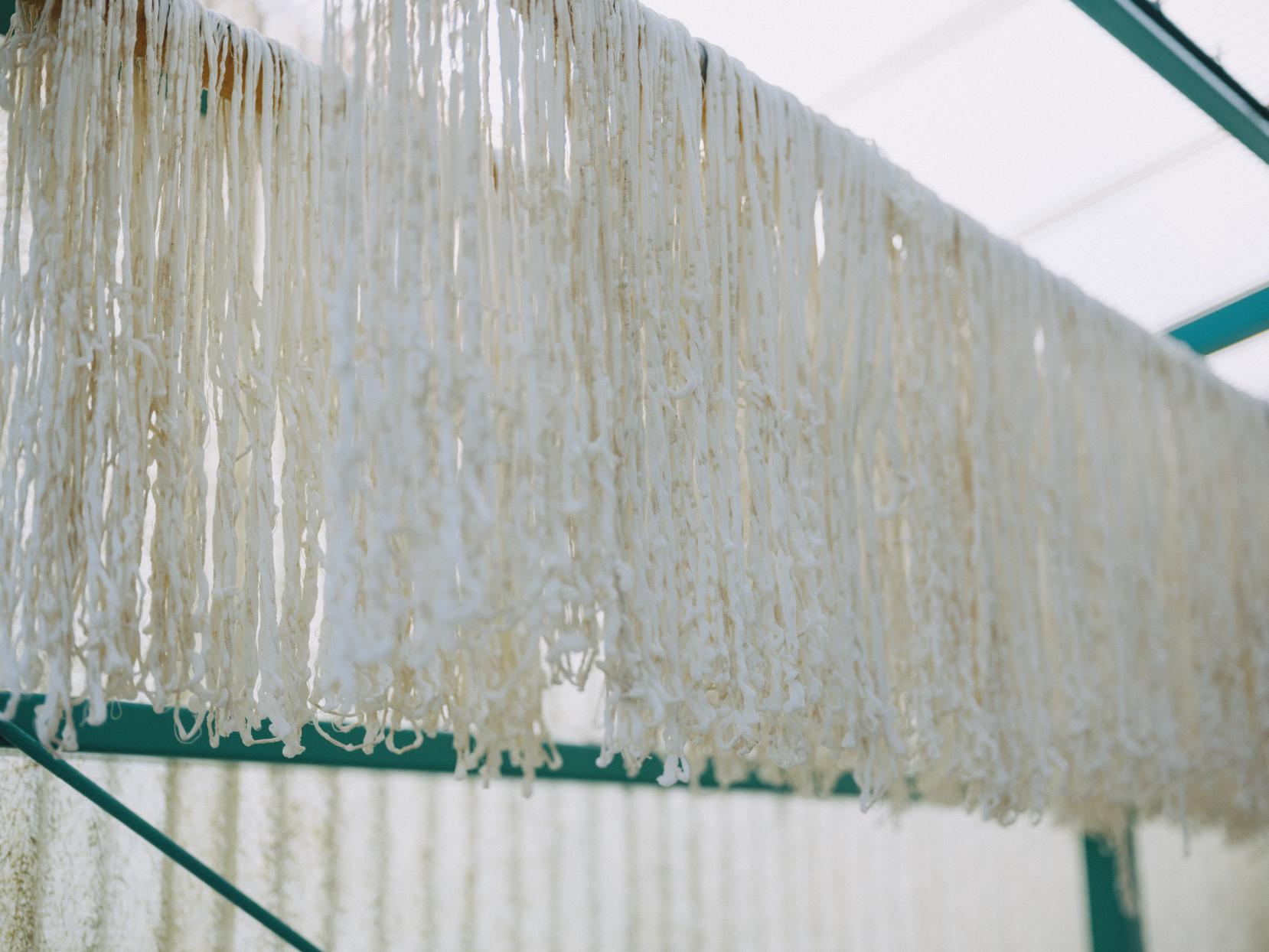
During the tour, visitors can observe the entire process up close—from design creation and warp thread alignment to weaving preparation, hand weaving, and indigo dyeing.
Hearing about the thought that goes into translating a design into a “weavable blueprint” changes how the weaving itself is perceived.
At the same time, there is no clear theory to determine which designs ultimately become fabric. Instead, the decision often comes down to a simple question: Does the finished design feel right?
Rather than constructing a story afterward, the process unfolds naturally through the work itself. At Ikeda Kasuri Textile, this stance is shared openly on the Open Factory program.
Pieces That Fit Naturally Into Any Wardrobe
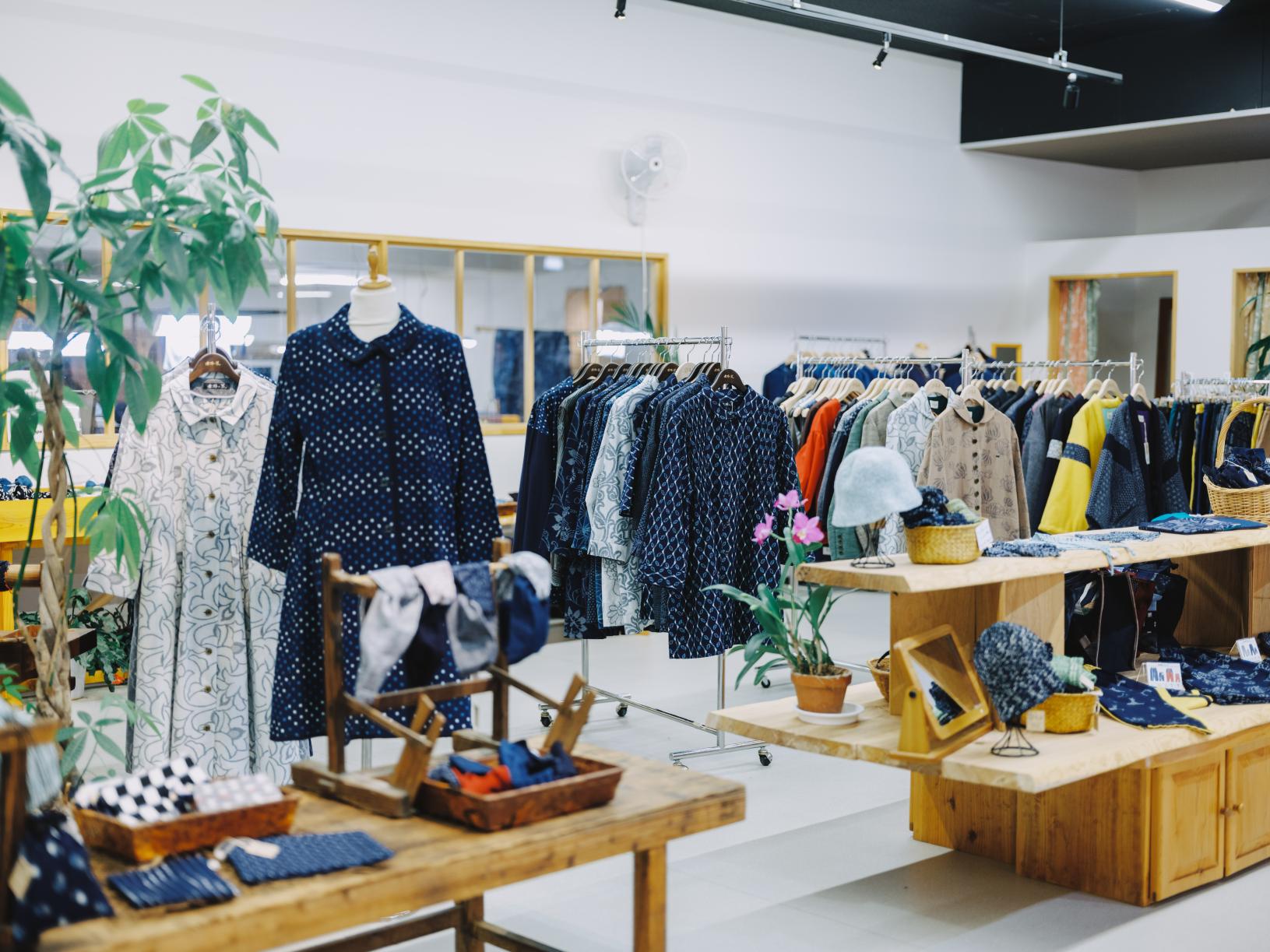
Founded in 1919, the workshop once shifted to machine weaving before returning to hand weaving about fifty years ago. During the economic downturn in the 1990s wholesalers collapsed, and the workshop survived through subcontracting work.
Rather than stubbornly preserving tradition, the workshop has always chosen a more flexible approach, making the best use of what exists in each era while taking the next step forward. This realistic and flexible approach leaves a lasting impression.
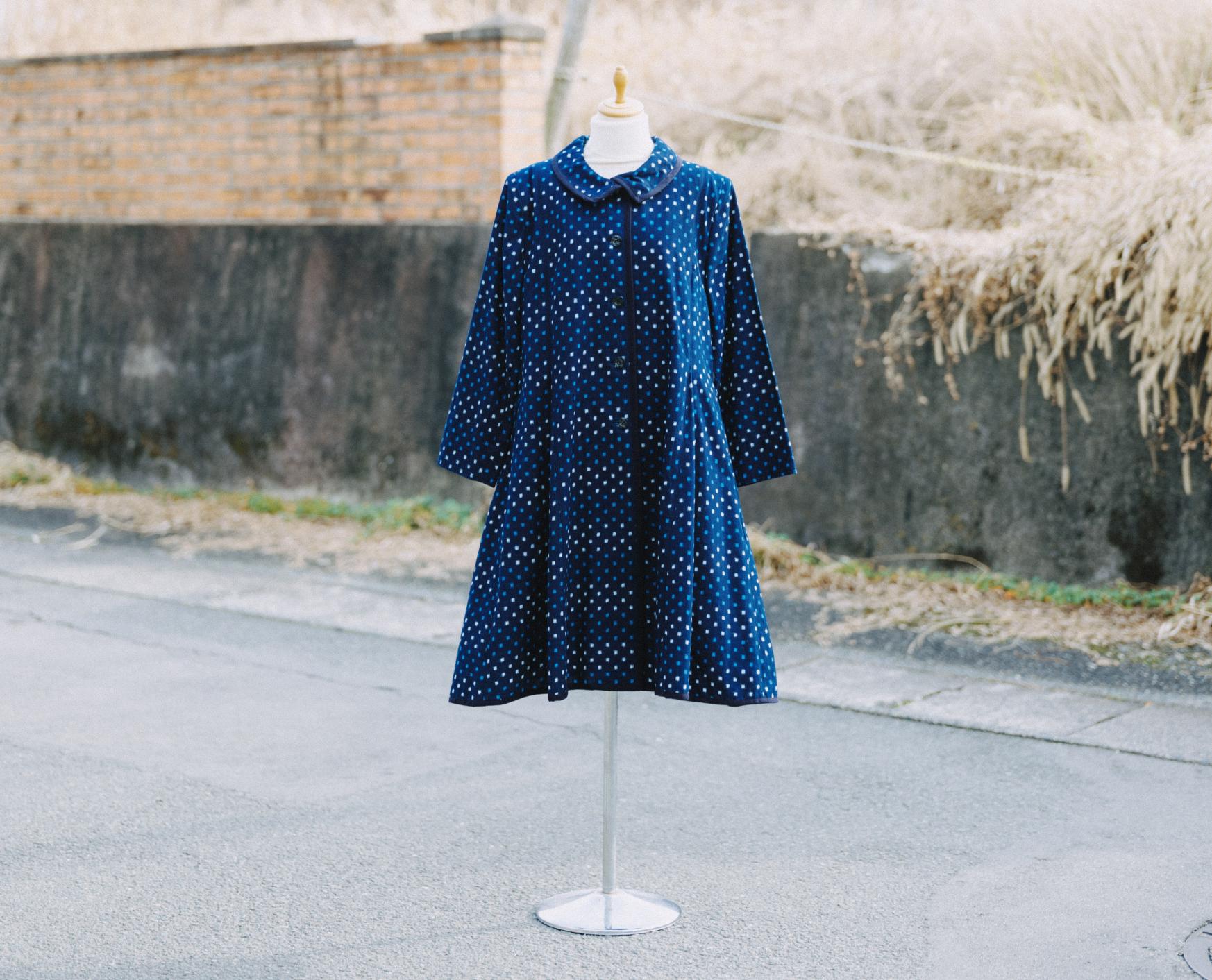
The kasuri created at Ikeda Kasuri Textile is both special and easy to incorporate into everyday life. Alongside traditional bolts of fabric, the shop offers kasuri jackets and dresses, indigo-dyed shirts, and sweatshirts —all pieces designed to be worn and enjoyed casually in daily life.
Handwoven Kasuri as Part of Everyday Life
Tradition can sometimes become a constraint. But Kurume kasuri originally emerged from daily life. Kimono and workwear such as monpe trousers were used until they wore out, and even then, they were repurposed into cleaning cloths—used to the very end with gratitude.
Bringing the warmth of handicraft naturally into a modern wardrobe is also an effort to return kasuri to everyday life rather than treating it as something rare or special.
Handwoven, yet produced in meaningful quantities.
The kasuri of Ikeda Kasuri Textile are woven with the wearer's precious time, adding a gentle touch of something special to everyday life.
Share


 Next article for you
-

TIPS FOR TRAVELING IN FUKUOKA PREFECTURE
-
【2025】Your Guide to Fukuoka Prefecture's Best Fall Foliage Destinations
-
Fukuoka Has Onsen Too! A Complete Guide—from Day Trips to Famous Hot Springs
-
10 Recommended Dishes in Fukuoka! Discovering the Region’s Finest Foods
-
A Guide to Major Tourist Events and Festivals in Fukuoka Prefecture in February
-
【2026】Major September Events and Festivals in Fukuoka Prefecture
-
Admiring the Best Scenery that Nature Has to Offer in Itoshima
-
CYCLE FUKUOKA
-
How to experience Mojiko Retro in Kitakyushu
-
10 Recommended Shrines and Temples in Fukuoka!
-
TRADITIONAL JAPANESE CRAFTS OF FUKUOKA ~Present Day Breath-taking Craftsmanship~
-
A guide to enjoying fruit picking in Fukuoka all year round! Featuring farms with all-you-can-eat options and attached cafes
-
![[2026] Strawberry Picking Spots in Fukuoka-1](https://www.crossroadfukuoka.jp/storage/special_features/49/responsive_images/9ZHgrqvQdpH8tM4IRF54DXu0aPBF3YGGkj5WOTGc__1673_1115.jpg)
[2026] Strawberry Picking Spots in Fukuoka
-

Kids will love it too! Recommended spots for family trips in Fukuoka Prefecture
-
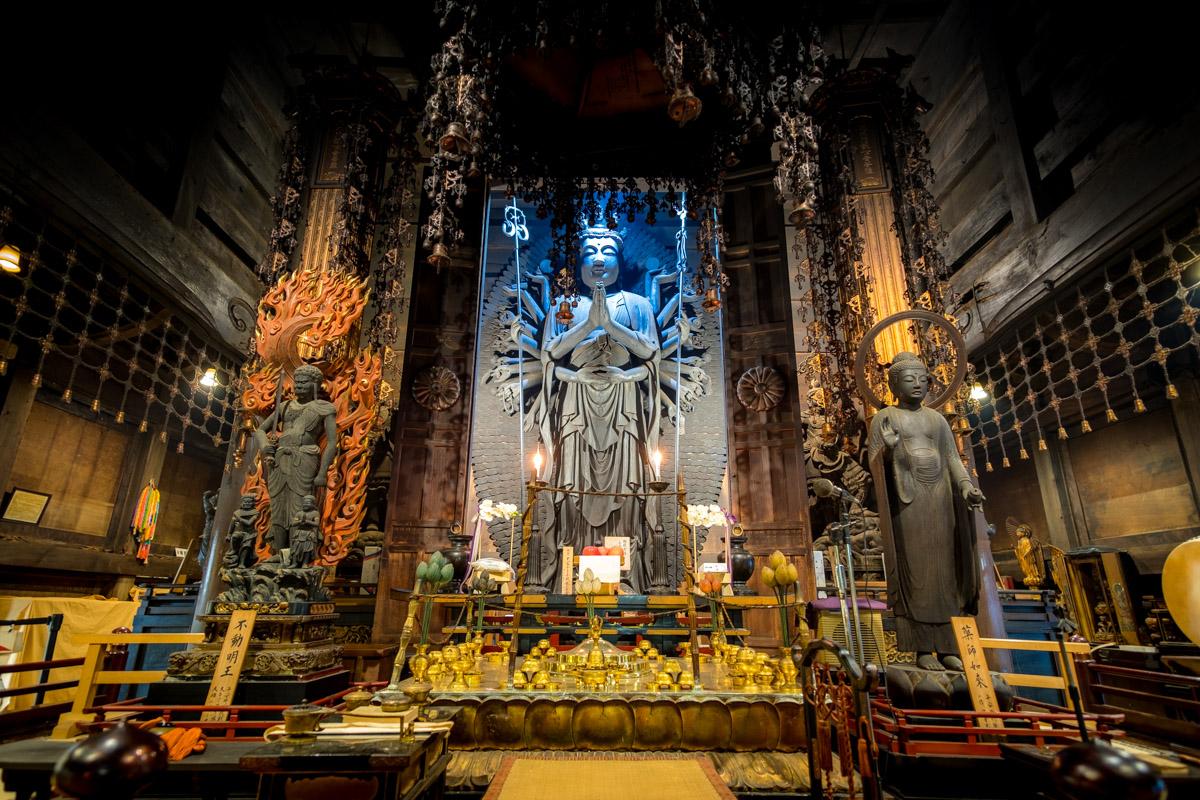
Raizan Sennyoji Daihioin Temple:
-
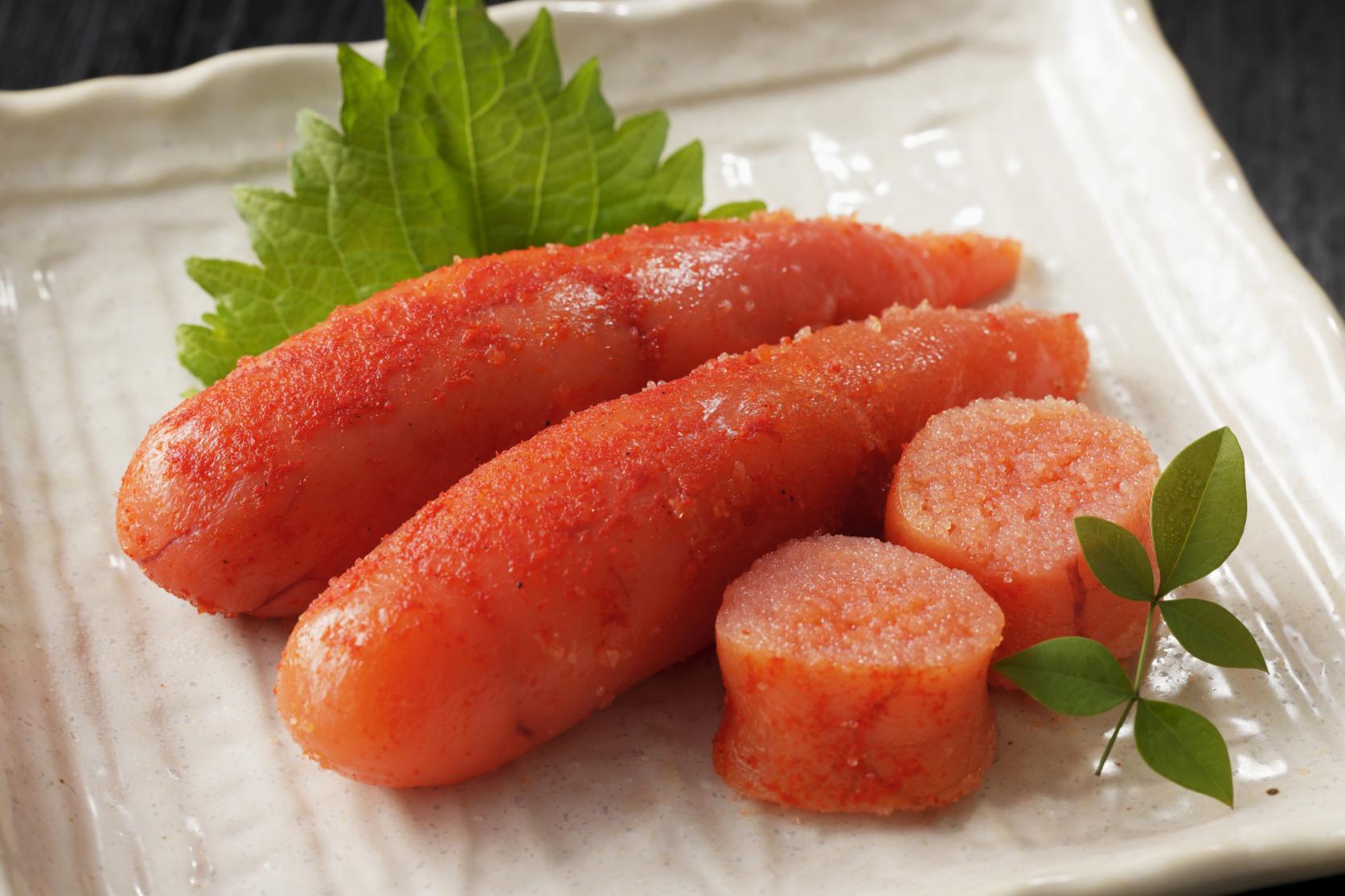
Fukuoka Prefecture is the place for enjoying the best mentaiko! Featuring lunch spots, hands-on experiences, and gifts
-
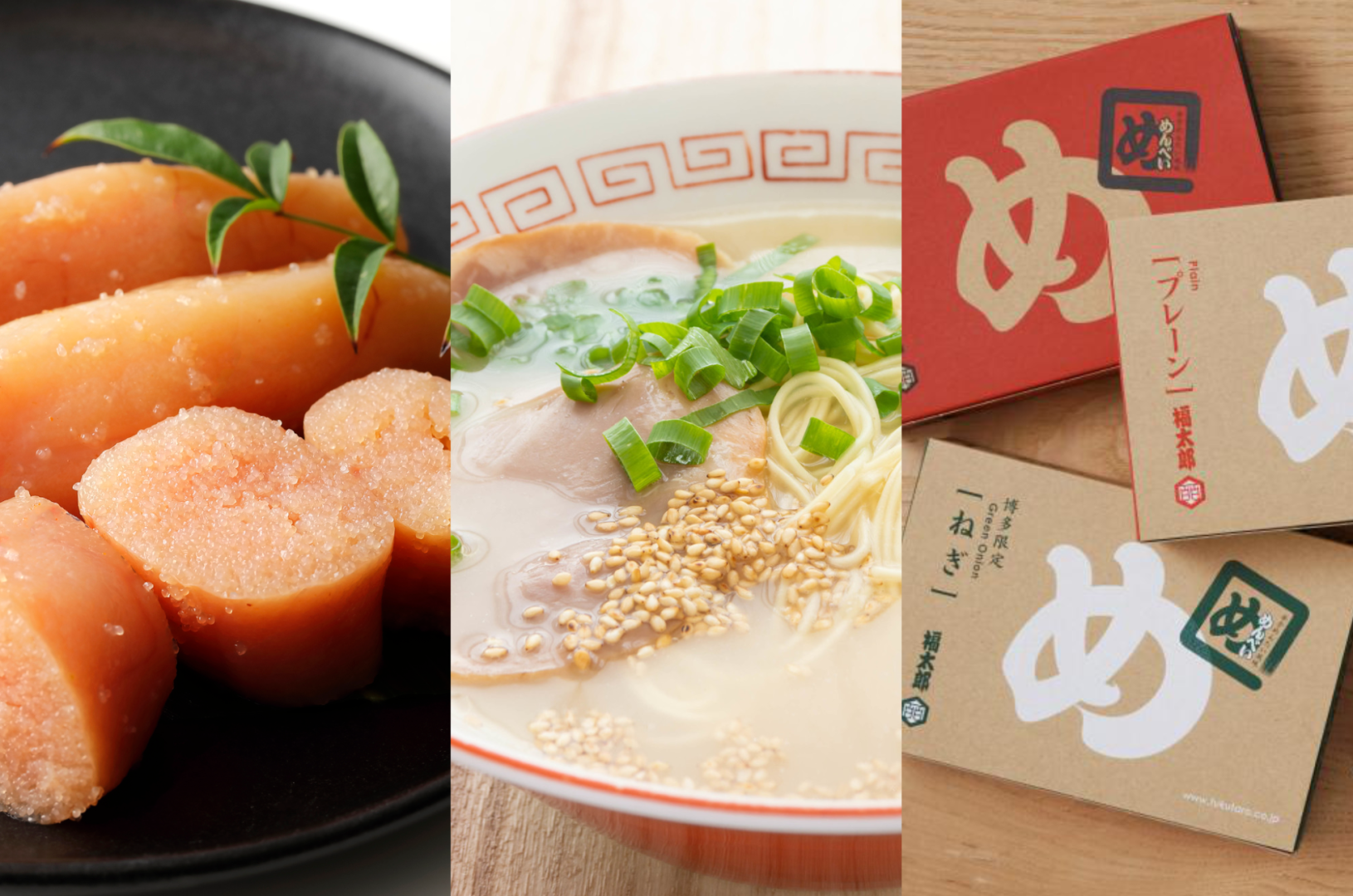
Here are the most popular souvenirs of Fukuoka that you won’t want to miss!
-

Local Life in Fukuoka City: Art, Beaches and Coffee
-
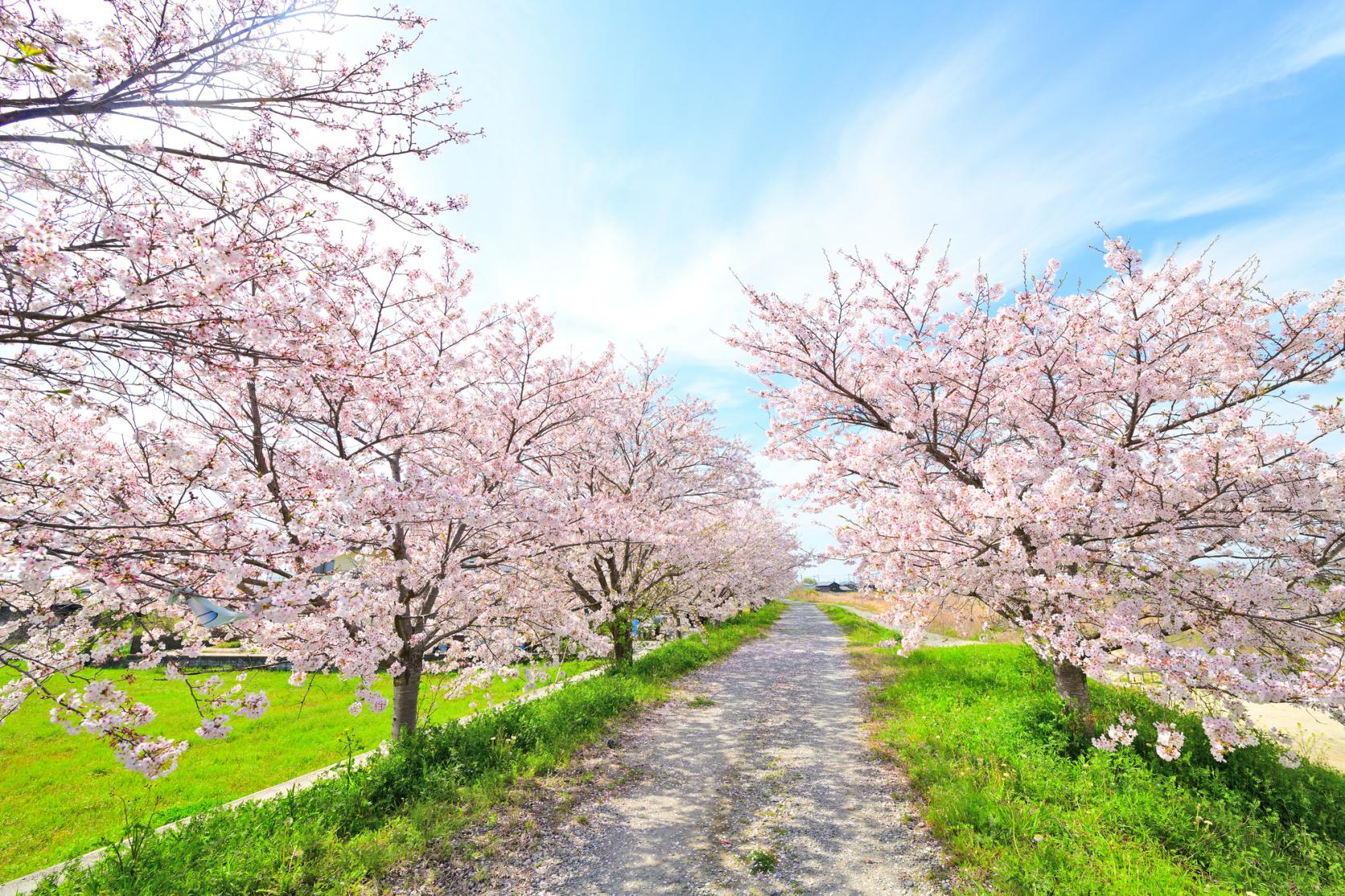
【2026】The Best Places to See Cherry Blossoms in Fukuoka
-
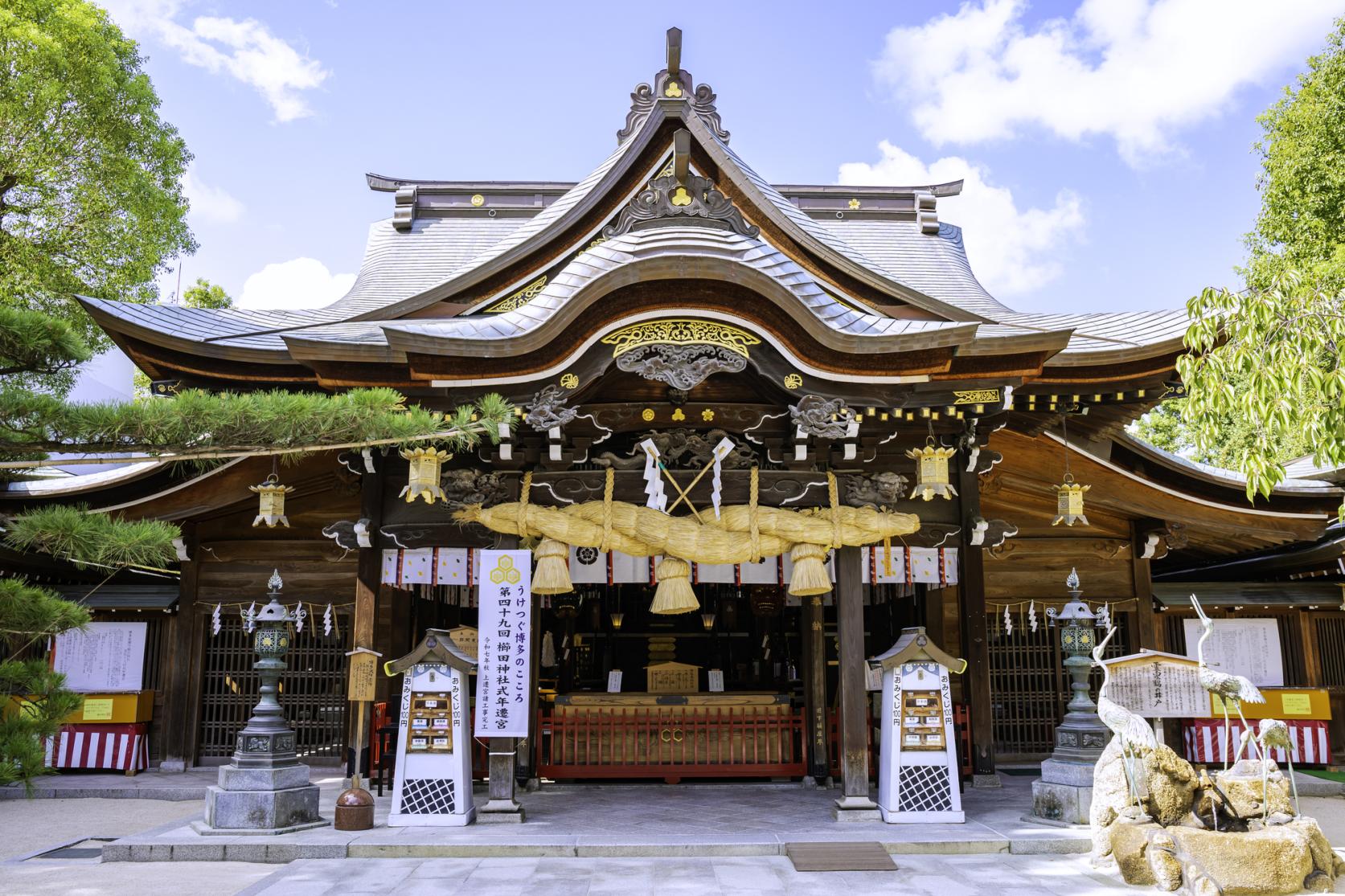
What is Kushida Shrine, the guardian shrine of Hakata? A comprehensive guide to highlights, goshuin, and access information
